In this guide
- 01Zao Outside The Snow Season: What Summer Really Looks Like
- 02What Is Okama Crater Lake In Zao, And How Do You See It?
- 03When Does The Zao Echo Line Open And Close Each Year?
- 04The Zao Ropeway In Summer: How High It Goes And What To Expect
- 05Which Summer Trails Can You Walk From The Ropeway Stations?
- 06Zao Volcano: Alert Levels And Restrictions
- 07Zao Onsen In Summer: A Quiet Base Between Road, Ropeway, And Rest
- 08How To Get To Zao In Summer From Tokyo Or Yamagata Station
- 09How Our Concierge Team Plans A Zao Summer Day (Without Fighting The Mountain)
- 10Plan Your Summer Ascent Of Zao
- 11Frequently Asked Questions
The first gates on the Zao Echo Line open late in the morning, and until that moment the mountain feels watchful, as if waiting to decide whether to let you in. You climb through cool shade, the forest pressing close on either side. Then the trees thin. The road begins to reveal what it has been quietly doing all along.
Switchbacks stack one upon another. A shoulder of volcanic rock appears, then vanishes behind a drift of cloud. You start to understand why so many travelers picture Zao only in winter. That is a mistake worth correcting.
From late April into early November, Zao opens into its green season. The Okama crater lake becomes reachable by road. The ropeway resumes lifting summer hikers into the thin, clean air. And Zao Onsen settles into something altogether gentler than a ski village—a quiet base for slow evenings.
Zao Outside The Snow Season: What Summer Really Looks Like
Zao in summer is the green season distilled: a public mountain road, a public viewpoint, and a ropeway that can carry you into thin air within minutes. It is not a controlled environment. Weather decides a great deal. So does an active volcano. That rawness is part of what makes a well-planned day here feel earned rather than packaged.
You will encounter long, quiet stretches where nothing happens except the sound of tires on mountain asphalt. Then you crest a ridge and the wind catches you side-on.
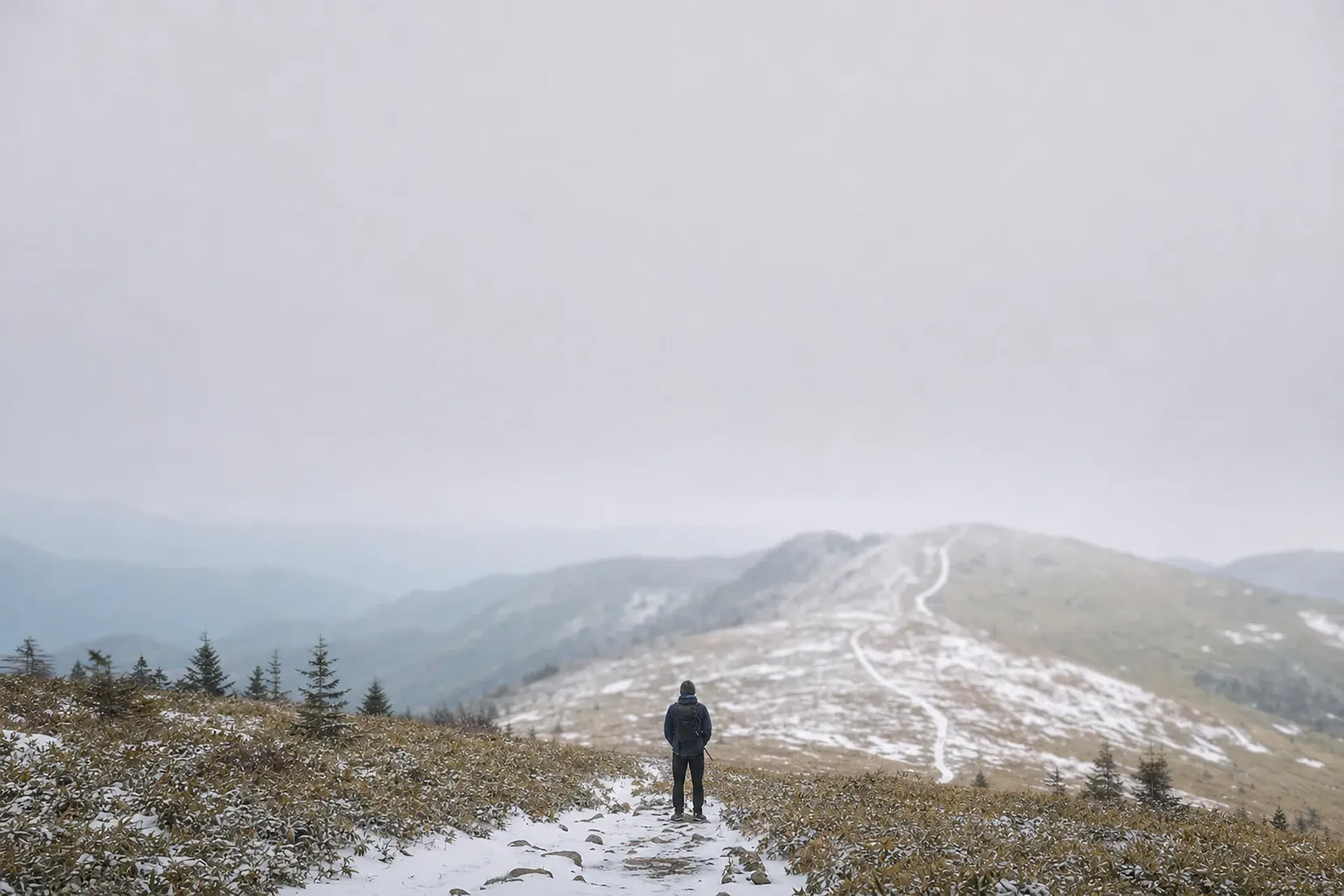
The landscape is spare, almost austere. That restraint of bare rock and open sky is precisely the point. There is no gold-leaf flash here, only the dignity of a mountain left largely to itself.
Zao Quasi-National Park was designated on 8 August 1963, spanning Miyagi and Yamagata prefectures. That matters, because the mountain is managed, signposted, and protected—yet still raw in the way volcano country tends to be. You are visiting a real place, not a stage set assembled for visitors.
One line, so you have your bearings: Zao’s celebrated “snow monsters” belong to winter; this guide concerns only the open season. Autumn colors arrive later, and deserve their own timing. The Yamagata Hanagasa Festival takes place in Yamagata City, not on the mountain itself.
What Is Okama Crater Lake In Zao, And How Do You See It?
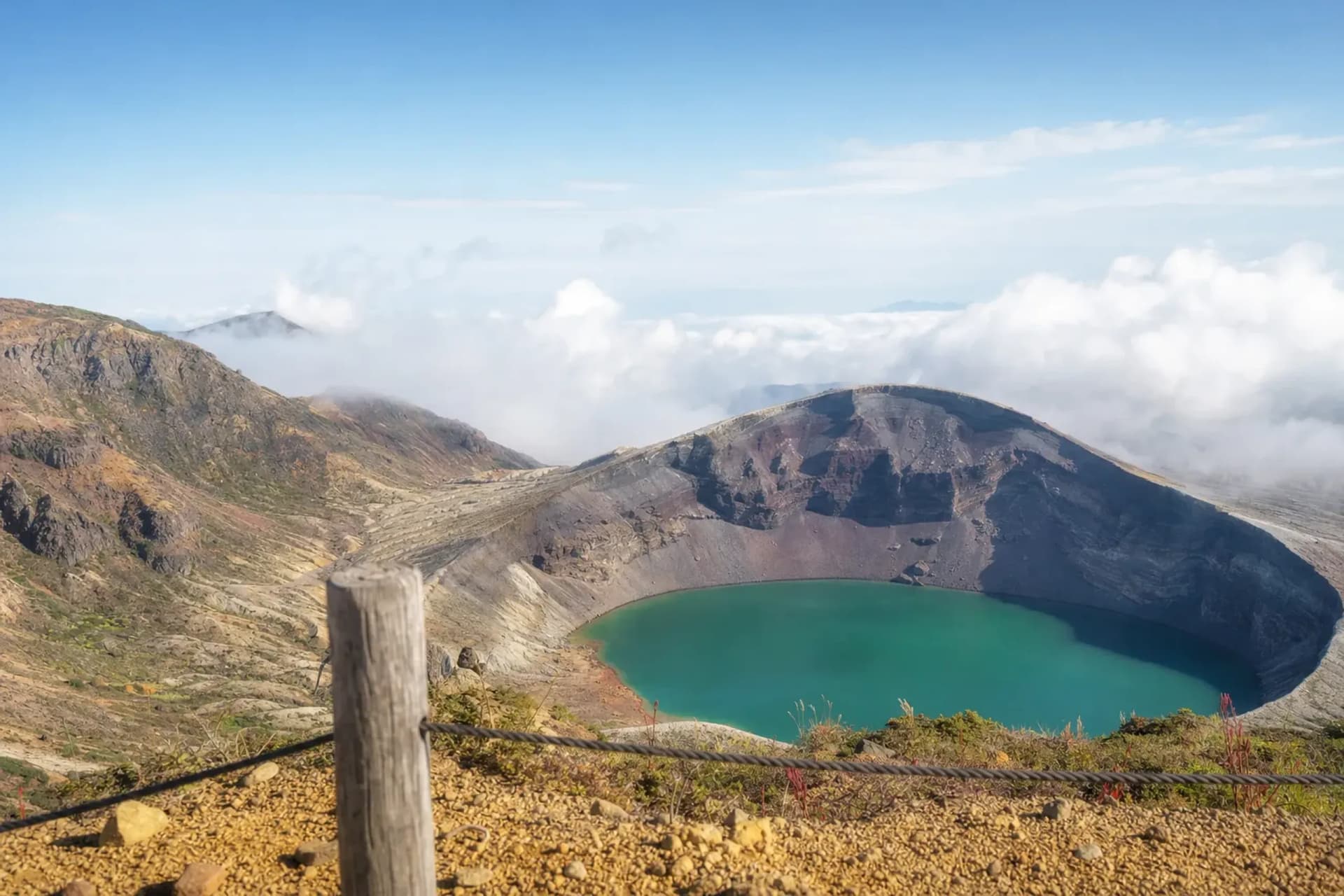
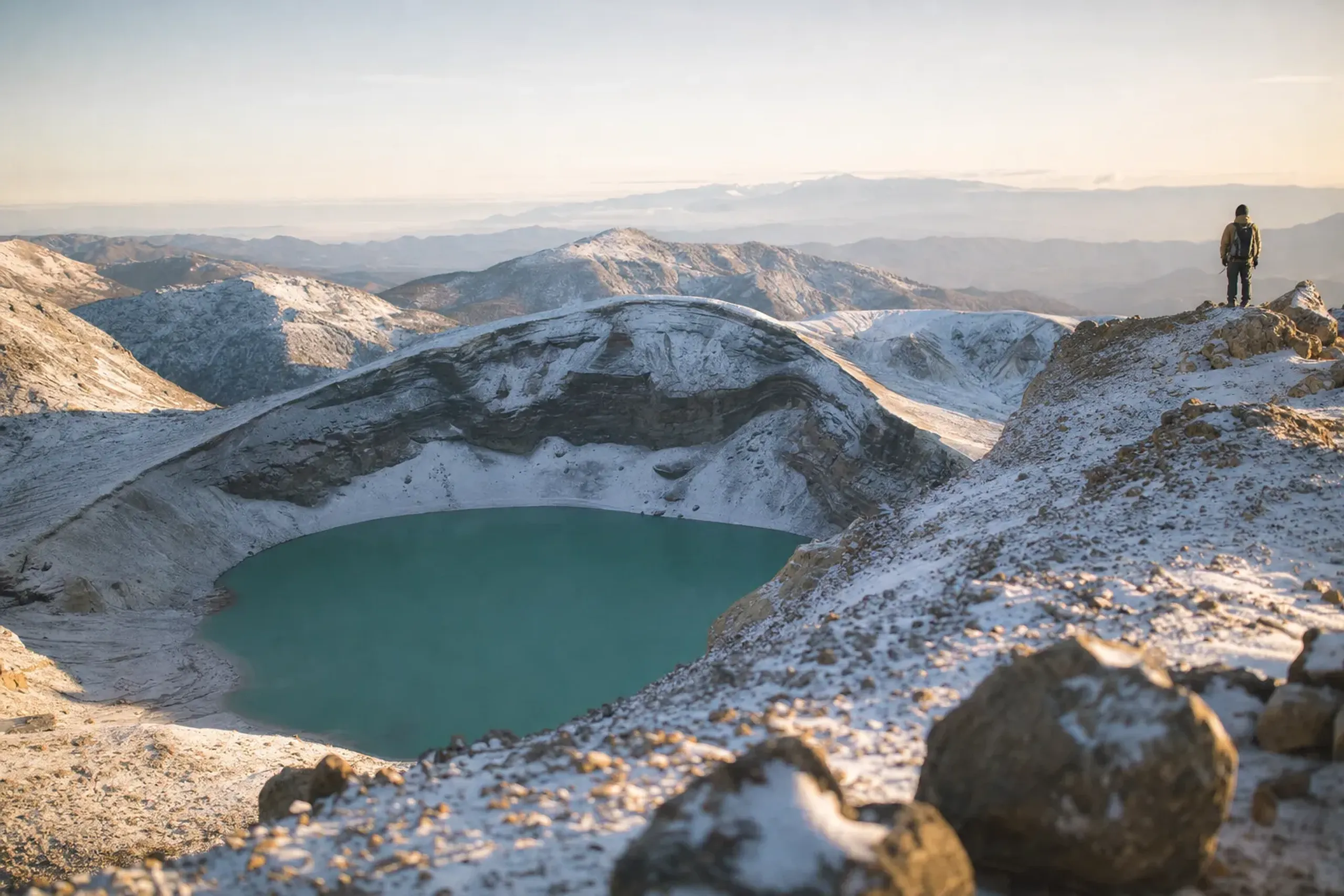
Okama is a crater lake set within the Zao Mountains, viewed from the Okama Observation Deck during the open season. It sits beside an active volcanic area, which means access can shift with weather and safety restrictions on any given day.
Okama is also known as Goshiki-numa, and it lies cradled in the Umanose caldera. The lake measures roughly 300 to 360 meters across, depending on the reference. You do not simply “go down to the water” as a casual add-on. You look into a volcanic bowl from the marked viewpoint, and that framing shapes the entire experience.
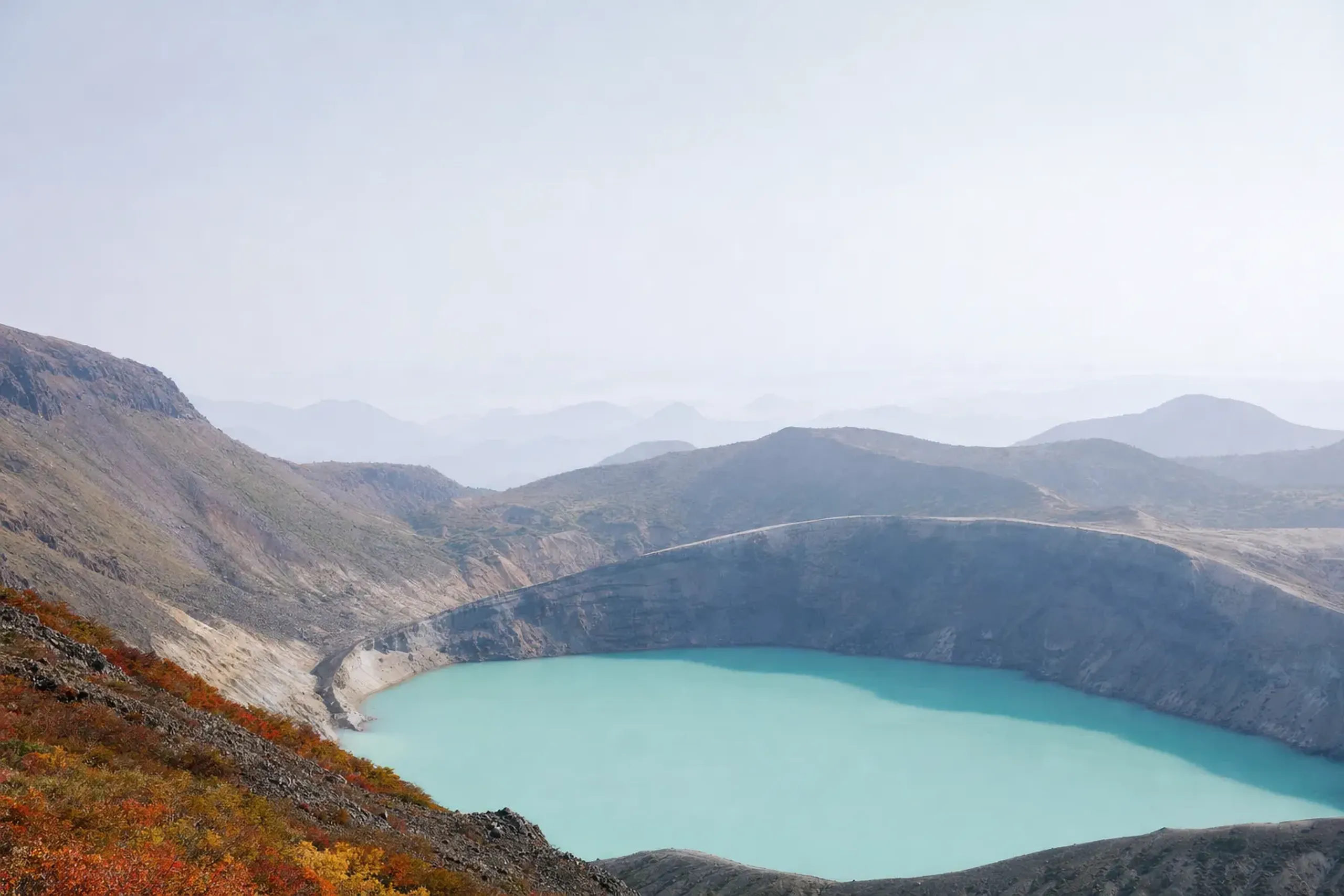
On clear days, the rim feels sharply drawn, as though someone had taken a blade to the mountain. On other days, cloud drifts in and erases the scene within seconds. The color is never a promise. It shifts with light, season, and sky—which is exactly why a traveler who understands shun, the Japanese sense of perfect timing, prizes knowing which month and which hour offer the best odds.
The approach is part of the experience. You travel the Zao Echo Line toward the Okama area and step out at the observation area. Local rules apply and can change; follow your guide's briefing, and the JRS concierge team confirms current conditions directly with the guest at time of arrangement.
When Does The Zao Echo Line Open And Close Each Year?
The Zao Echo Line is usually closed from about early November to late April, reopening in late April, with exact dates confirmed each year by the Miyagi and Yamagata prefectural authorities.
The road runs about 26 km toward the Okama area, with gates on both the Miyagi and Yamagata sides. Reopening day has been marked with an opening ceremony at the Kattadake car park, with the gates opening late in the morning.
After reopening, the road has also closed overnight for a period, from evening until the next morning. That detail is a quiet planning trap for visitors who assume “open” means “open all day.” Often it does not—especially in the first weeks after reopening.
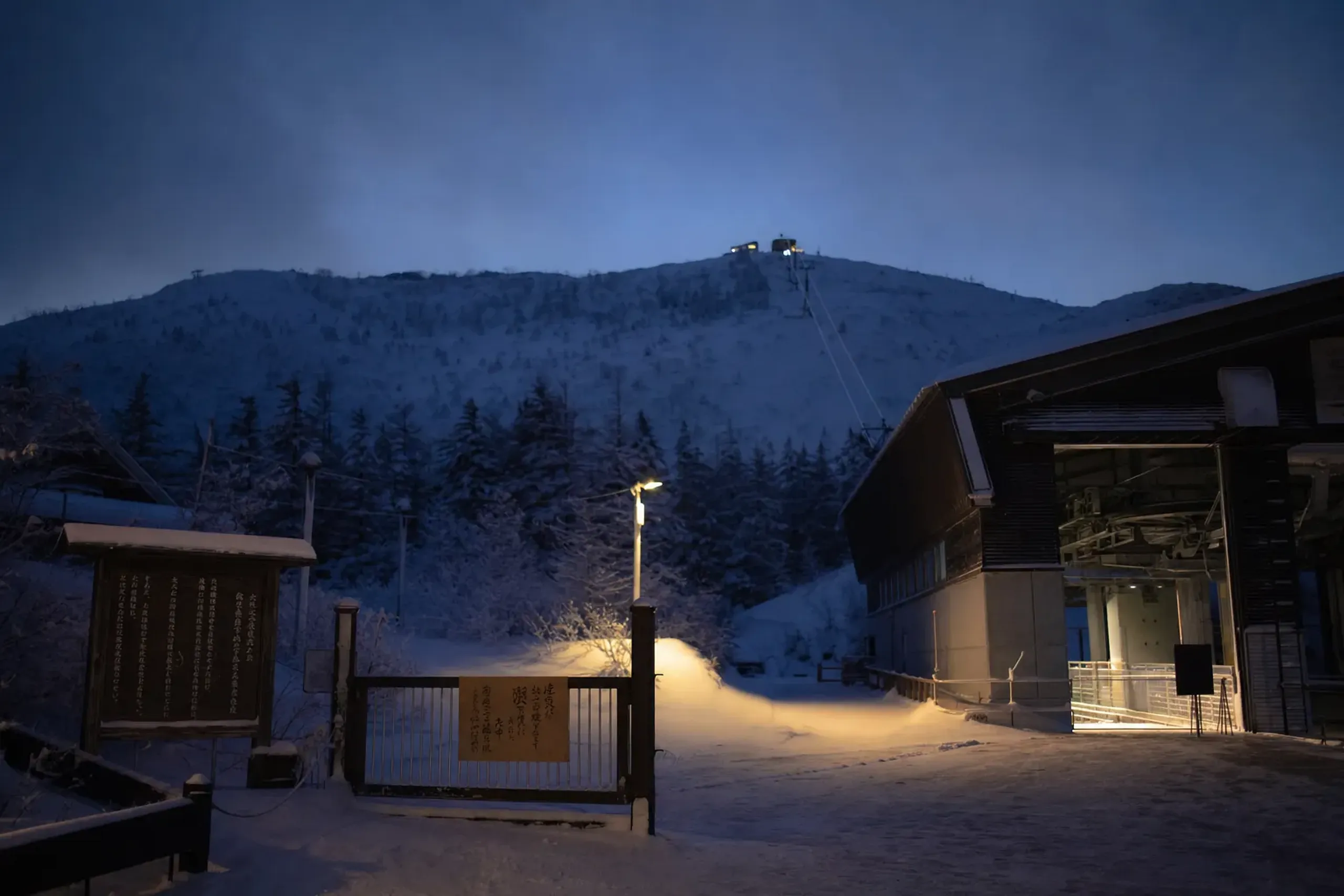
Dates and hours differ from one year to the next. The mountain sets the calendar, the prefectures publish the details closer to the season, and the JRS concierge team confirms them directly with the guest at time of arrangement.
Key fact: Even in summer, the Echo Line and the Okama viewpoint can close at short notice due to fog, wind, heavy rain, or volcanic safety restrictions.
The Zao Ropeway In Summer: How High It Goes And What To Expect
The ZAO Ropeway operates two lines and positions April to December as its summer sightseeing and trekking season. Service may be suspended by weather, so you should always check the operator’s notice close to your visit.
The first lift is the Sanroku Line, 1,734 meters long and taking about 7 minutes. You gain altitude swiftly, which is why summer Zao can feel like a sudden drop in temperature the moment you step out of the cabin.
The second is the Sancho Line, 1,872 meters long and about 10 minutes. The upper station, Jizo Sancho Station, stands at 1,661 meters, while Juhyo Kogen Station sits at 1,331 meters. At the top, a terrace at Jizo Sancho Station offers a composed vantage over the ridgeline.
Do not build your day on the assumption that the ropeway is guaranteed.
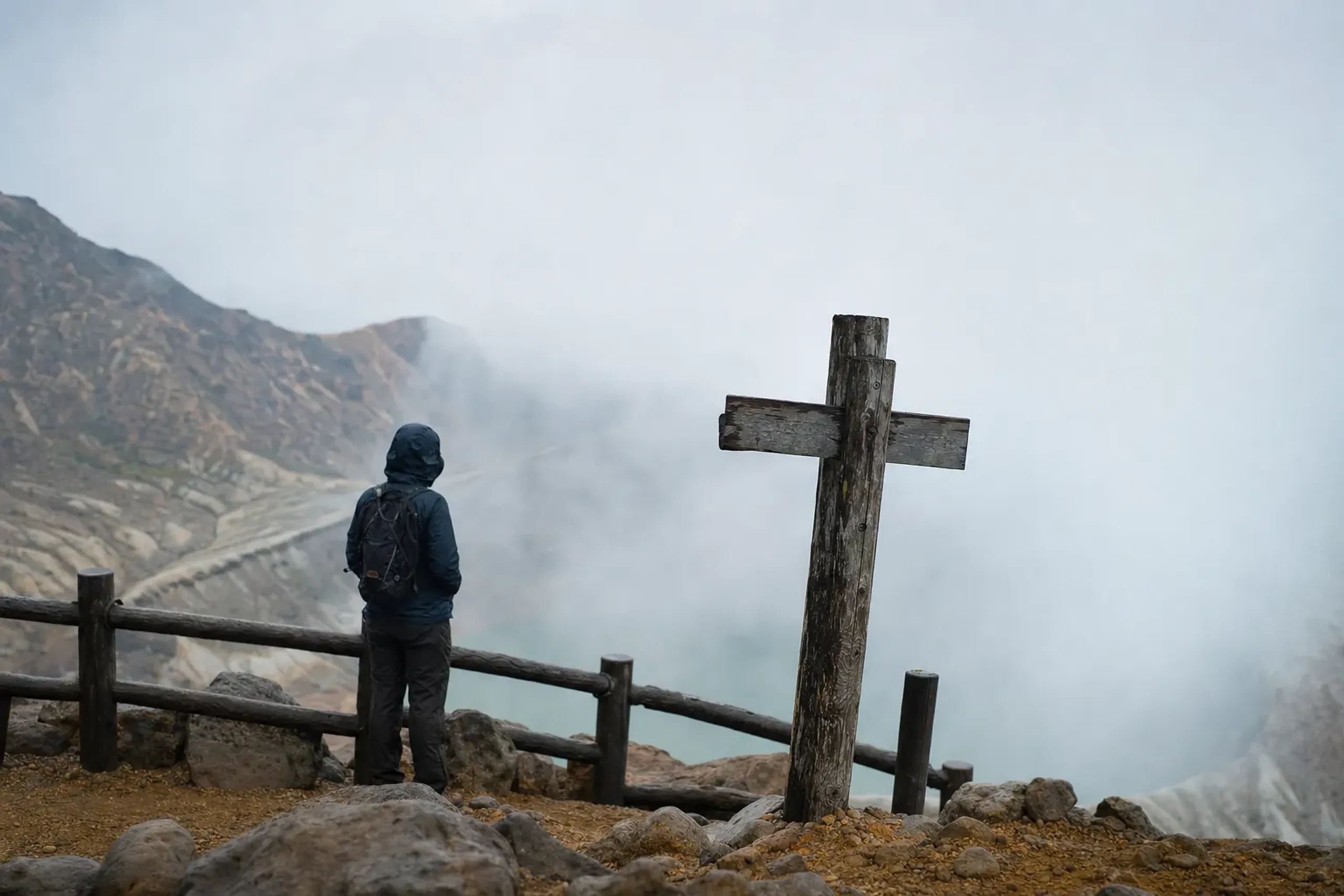
Wind is the chief spoiler. Fog can also reduce visibility so severely that pushing upward isn’t worthwhile, even when the cabins are still running.
A Simple Summer Flow That Works
The cleanest rhythm is this: start early from your base, climb to Okama while the skies are likelier to cooperate, then use the ropeway as your “second act.” You return to the onsen village before the mountain turns moody again.
This is not about rushing. It is about respecting how quickly conditions move above the treeline—and arranging the day so that calm, not urgency, defines it.
Which Summer Trails Can You Walk From The Ropeway Stations?
The ZAO Ropeway lists eight summer hiking courses, ranging from a short 0.4 km botanical garden loop (about half an hour) to a 5.0 km route that includes Mt. Kumano and an Okama komakusa viewing path (about 4.0 hours).
Once you leave the gentler loops, these are genuine hiking courses rather than promenade strolls. The operator warns that mountain weather changes quickly. Bring rain gear. Bring a layer. The mountain runs noticeably cooler than Yamagata City, and the wind can turn a sunlit moment sharp within minutes.
If you intend to cross on foot, the ropeway operator notes that a climber’s card is required at the summit station. It is a small action that signals a larger idea: you are moving through active mountain terrain, and your route is quietly accounted for.
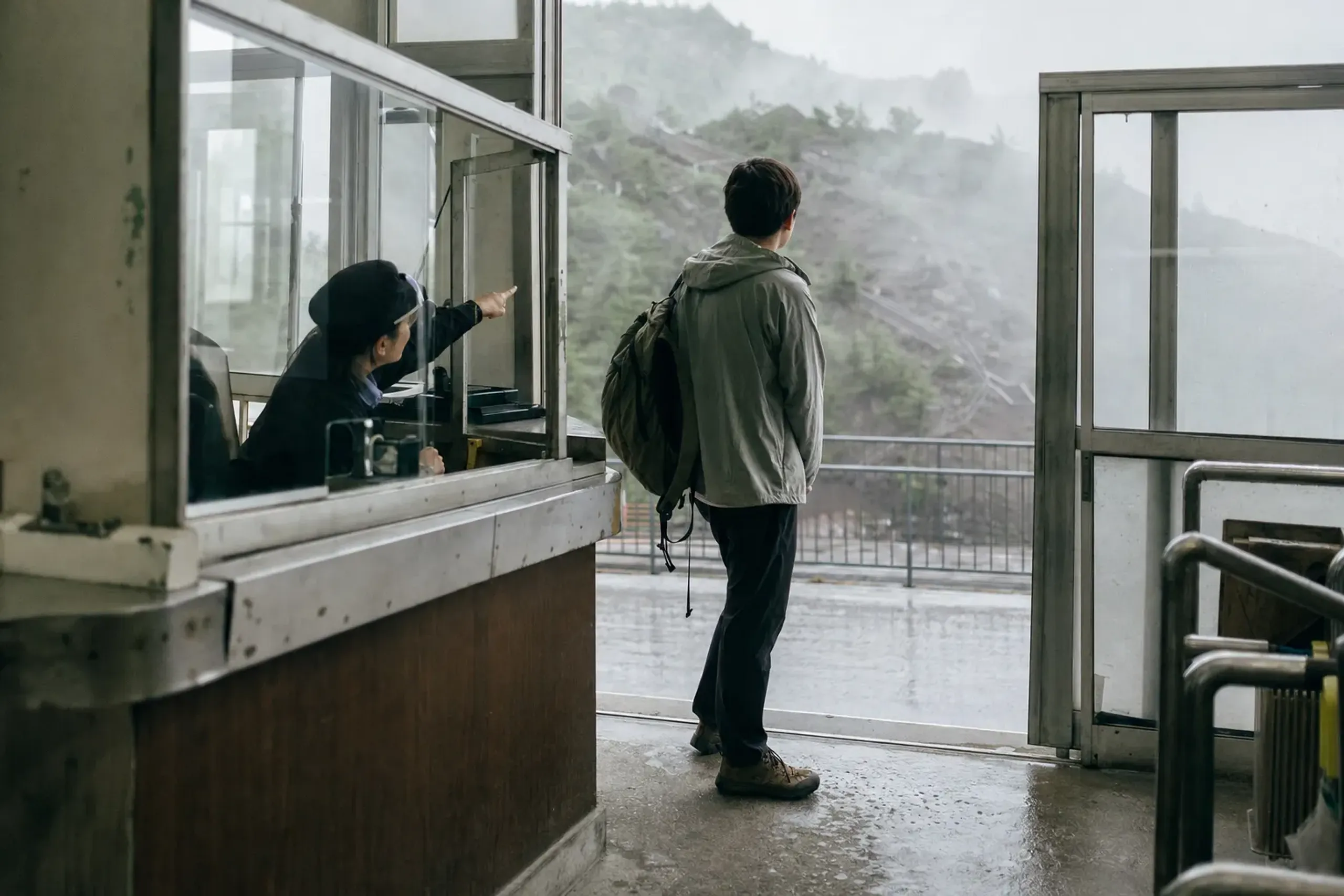
Our team at Japan Royal Service can include an English-speaking cultural interpreter guide for the day, to offer context around the mountain’s history, the viewpoint etiquette, and the rhythms of the onsen village. That is distinct from a mountain guide. Local rules apply and can change; follow your guide's briefing, and the JRS concierge team confirms current conditions directly with the guest at time of arrangement.
Zao Volcano: Alert Levels And Restrictions
The Japan Meteorological Agency sets Zao’s volcanic alert level, which has stood at Level 1 (“an active volcano—remember it”), and entry into the Umanose caldera crater zone has been prohibited; the JRS concierge team confirms the current level directly with the guest at time of arrangement.
Level 1 does not mean “no risk.” It means “stay aware.” Zao is an active volcano, and restrictions can tighten with little warning. Yamagata Prefecture has stated that entry into the crater zone is prohibited, with warning signs posted and a partial closure of the Sai no Kawara trail. Local rules apply and can change; follow your guide's briefing, and the JRS concierge team confirms current conditions directly with the guest at time of arrangement.
JMA’s volcanic guidance also warns that volcanic gas may linger in hollows and valleys.
Miyagi-side guidance additionally flags strong winds on the Umanose trail, and cautions against pressing on in rain or dense fog. It notes that snow can conceal trails until mid-June in some years.
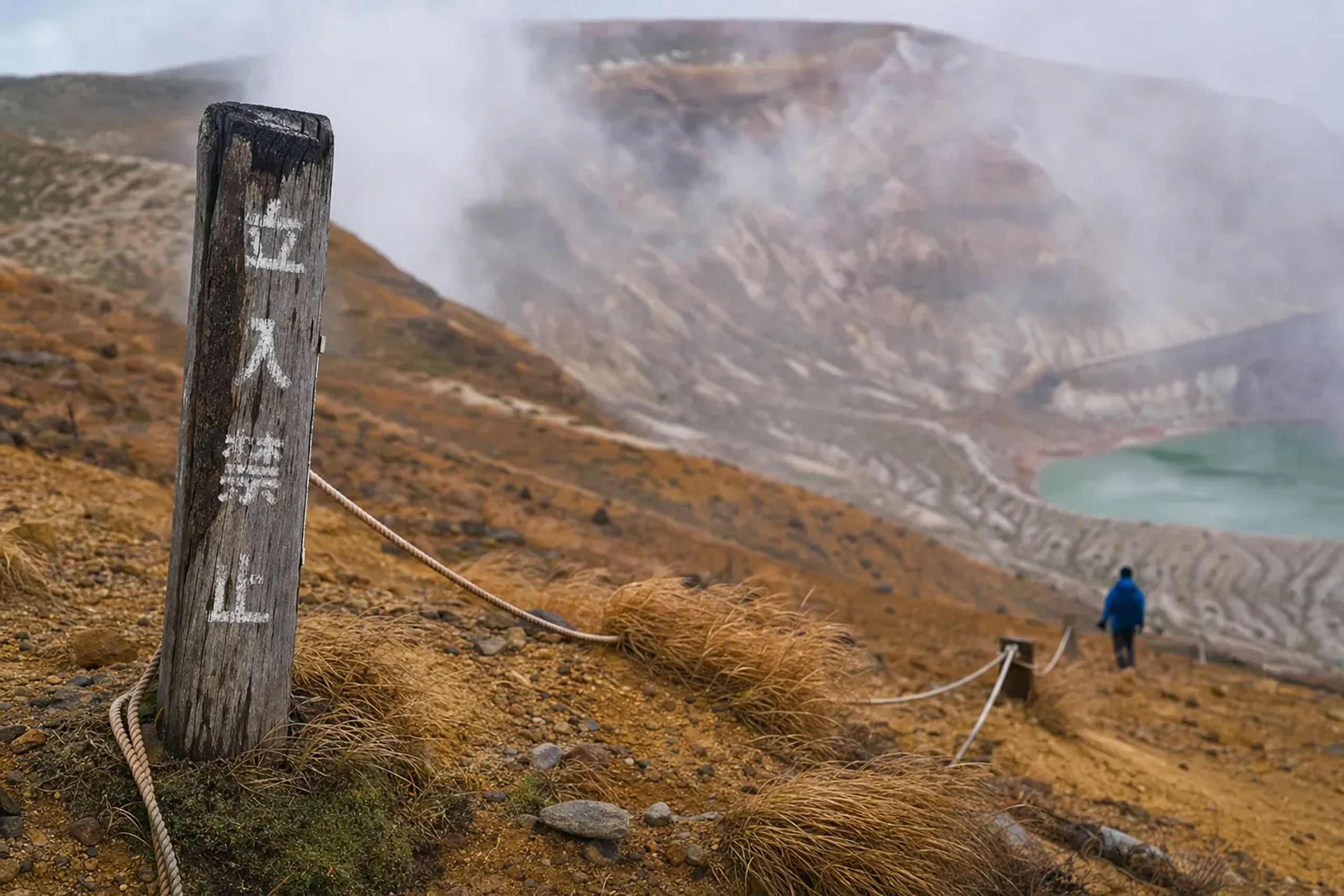
That is why “summer” here still calls for proper gear and a measure of humility.
Practical Habits For A Calm Day
- Check the alert level close to departure. The JRS concierge team confirms the current status directly with the guest at time of arrangement, so you never have to chase an official notice yourself.
- Carry rain gear even when the sky looks kind. Conditions change fast above the trees.
- Do not chase visibility. If Okama is socked in, accept the loss and pivot gracefully.
Zao Onsen In Summer: A Quiet Base Between Road, Ropeway, And Rest
Zao Onsen sits at roughly 880 meters, and in summer it reads entirely differently: less ski-town urgency, more unhurried evenings, and a practical base for both the Echo Line and the ropeway.
You will notice the soundscape first. Fewer boots on the pavement. A softer pace throughout. It becomes far easier to keep your day well ordered—an early start, the mountain hours, then a return to the village without the need to untangle long transfers after dark.
The village has public baths, where you can soak away an exposed day on the ridge—its own quiet reset after the mountain’s austerity.
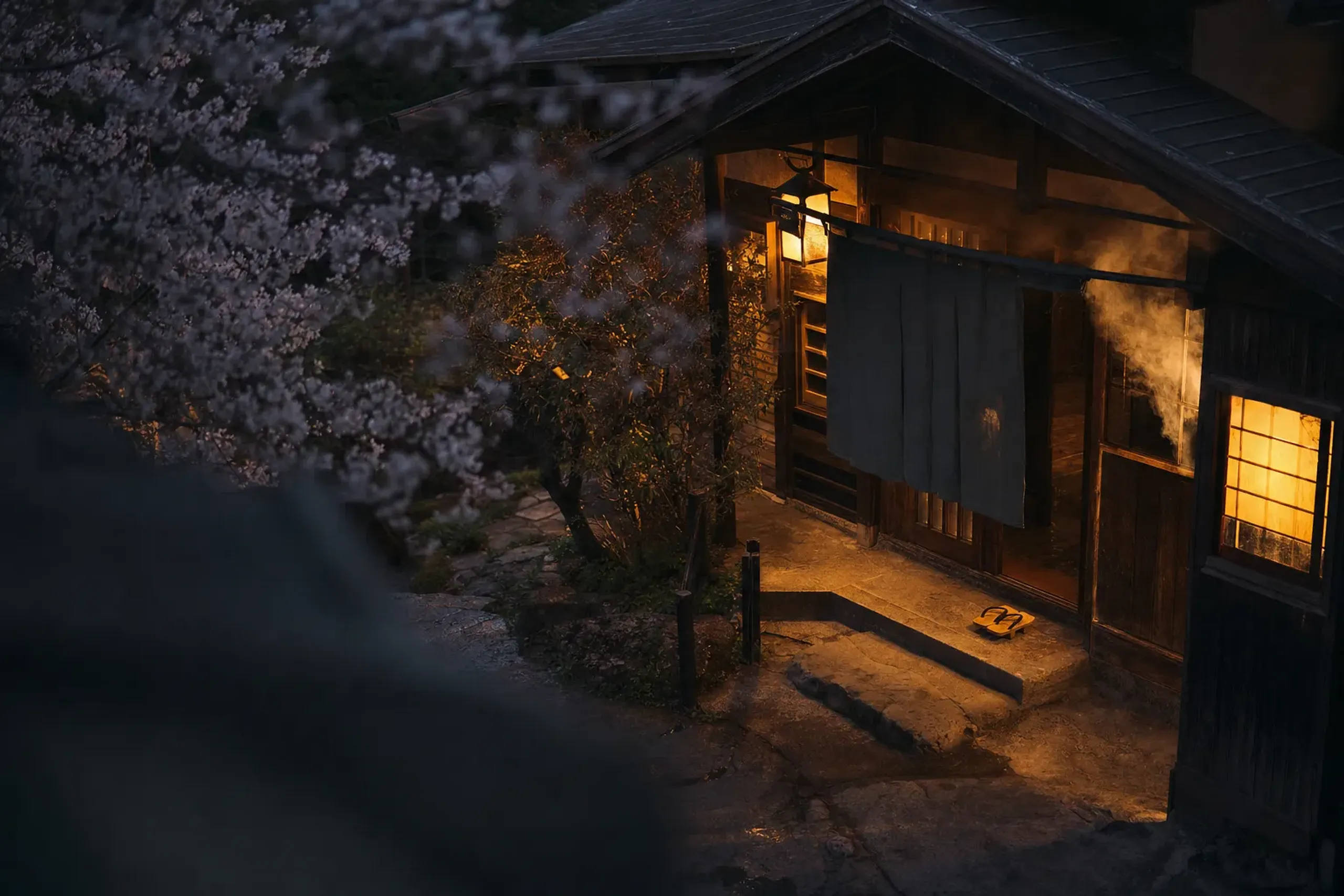
If your travel dates align, Zao Onsen also hosts seasonal community events. The Zao Onsen site, for instance, has listed a Zao Onsen Big Bon Odori in summer. Confirm the details close to your stay, as small local schedules can shift without broad announcement.
How To Get To Zao In Summer From Tokyo Or Yamagata Station
From Tokyo, you can reach Yamagata in about 3 hours aboard the Yamagata Shinkansen, then continue from Yamagata Station to Zao Onsen by bus in roughly 40 minutes.
Do not treat those figures as a timetable. They are planning anchors. Train and bus schedules change, and you should verify the current bus timetable as your dates lock in.
Once you are in the Zao area, the friction becomes local: the Echo Line gates, the ropeway’s weather suspensions, and visibility at Okama. This is precisely where a well-timed day matters far more than raw distance covered.
If you would prefer to remove the small stress points—luggage handling, waiting in the wrong place, losing daylight to transfer confusion—our team can advise on routing and arrange private transportation between your base, the ropeway area, and the Echo Line viewpoint areas, using vehicles from partner companies with English-speaking drivers.
How Our Concierge Team Plans A Zao Summer Day (Without Fighting The Mountain)
A good Zao day is built around gates, cloud, and contingency. Our concierge team orders the hours so that you see Okama when the odds are best, then work upward only if conditions allow.
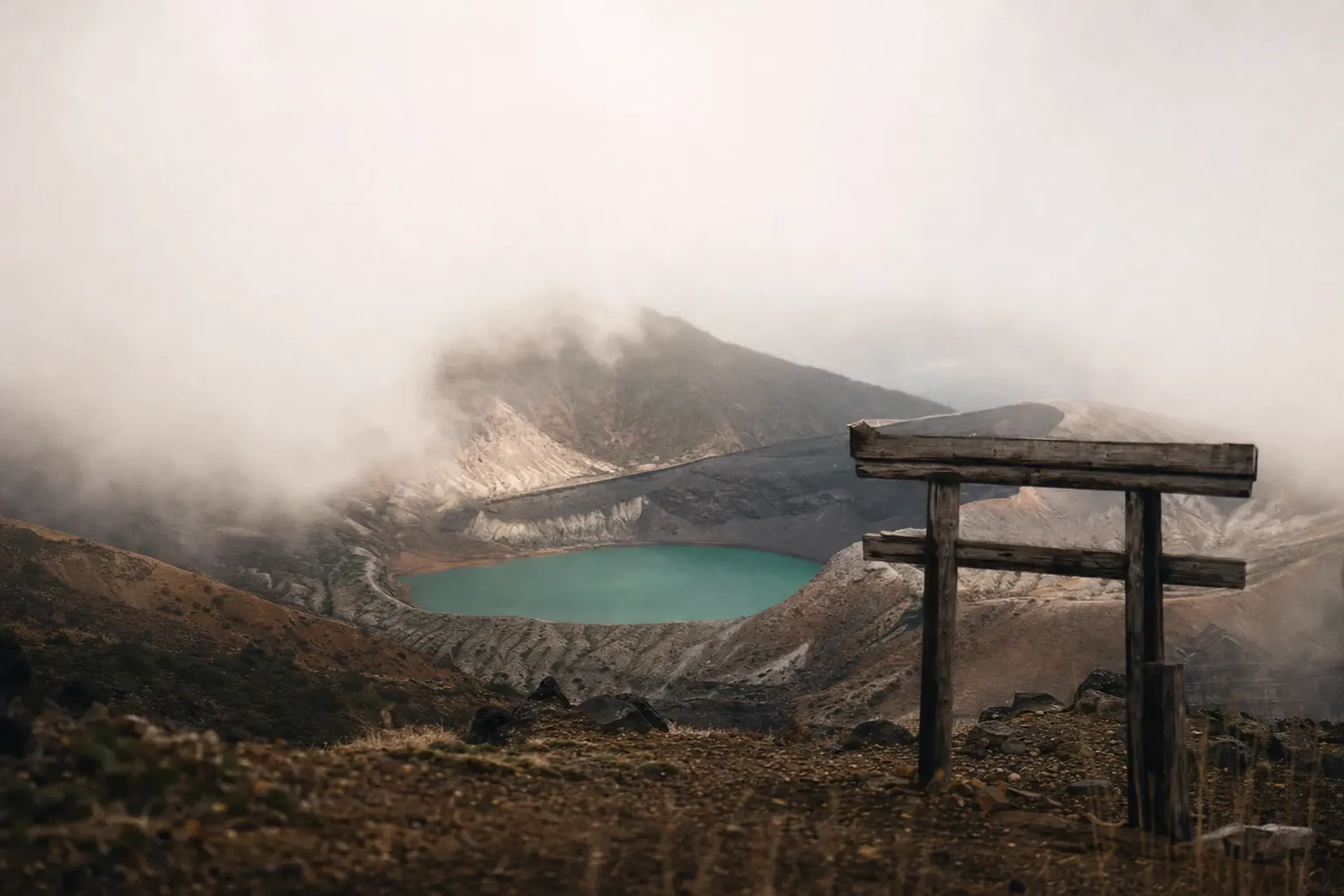
We begin with the non-negotiables: the Echo Line opening pattern, the likely fog windows, and the simple fact that the viewpoint is fully exposed. Then we shape your day around them. That may mean leaving earlier than you expected. It may also mean returning sooner than you had planned.
We also build in a second plan that still feels unmistakably like Zao should Okama disappear into white—ropeway sightseeing, a gentler walking course, or more time in the village. You never want to “salvage” a volcano day by driving aimlessly in search of a view the mountain has decided to withhold.
Japan Royal Service supports a summer Zao visit in four practical ways. We also tailor the full arrangement into a bespoke itinerary shaped entirely around your pace and interests:
- Planning: We design the day around the road season, the ropeway season, and weather logic, with Zao Onsen as your base.
- Guiding: We can include an English-speaking cultural interpreter guide to add context at the viewpoint and throughout the village.
- Transfers: We can arrange a vehicle from a partner company with an English-speaking driver between your base, the ropeway area, and the Echo Line access points.
- Accommodation Coordination: We can secure a ryokan or hotel in Zao Onsen or Yamagata City, booked well ahead.
For travelers extending through Tohoku, we pair Zao with a quieter, more contemplative day on Mt. Haguro at Dewa Sanzan.
A different landscape; the same clear air. If your dates fall within the Obon period, read our Obon planning guide before you commit, because transport and availability tighten quickly across the country.
Plan Your Summer Ascent Of Zao
Zao rewards the traveler who arrives with timing, patience, and the right preparation—and that is exactly what thoughtful planning provides. Whether you wish to stand above Okama on a clear morning, ride the ropeway into the cool heights, or simply let the village set the pace of your evenings, we will shape the day so the mountain works with you rather than against you.
Frequently Asked Questions
When Does The Zao Echo Line Open In Spring?
The Zao Echo Line usually reopens in late April, but the exact date changes each year and is confirmed by the Miyagi and Yamagata prefectures close to the season.
In the first weeks after reopening, the road has also closed overnight, so “open” does not always mean “open all day.” The JRS concierge team confirms the year’s dates and hours directly with the guest at time of arrangement.
To begin planning, contact our team here.