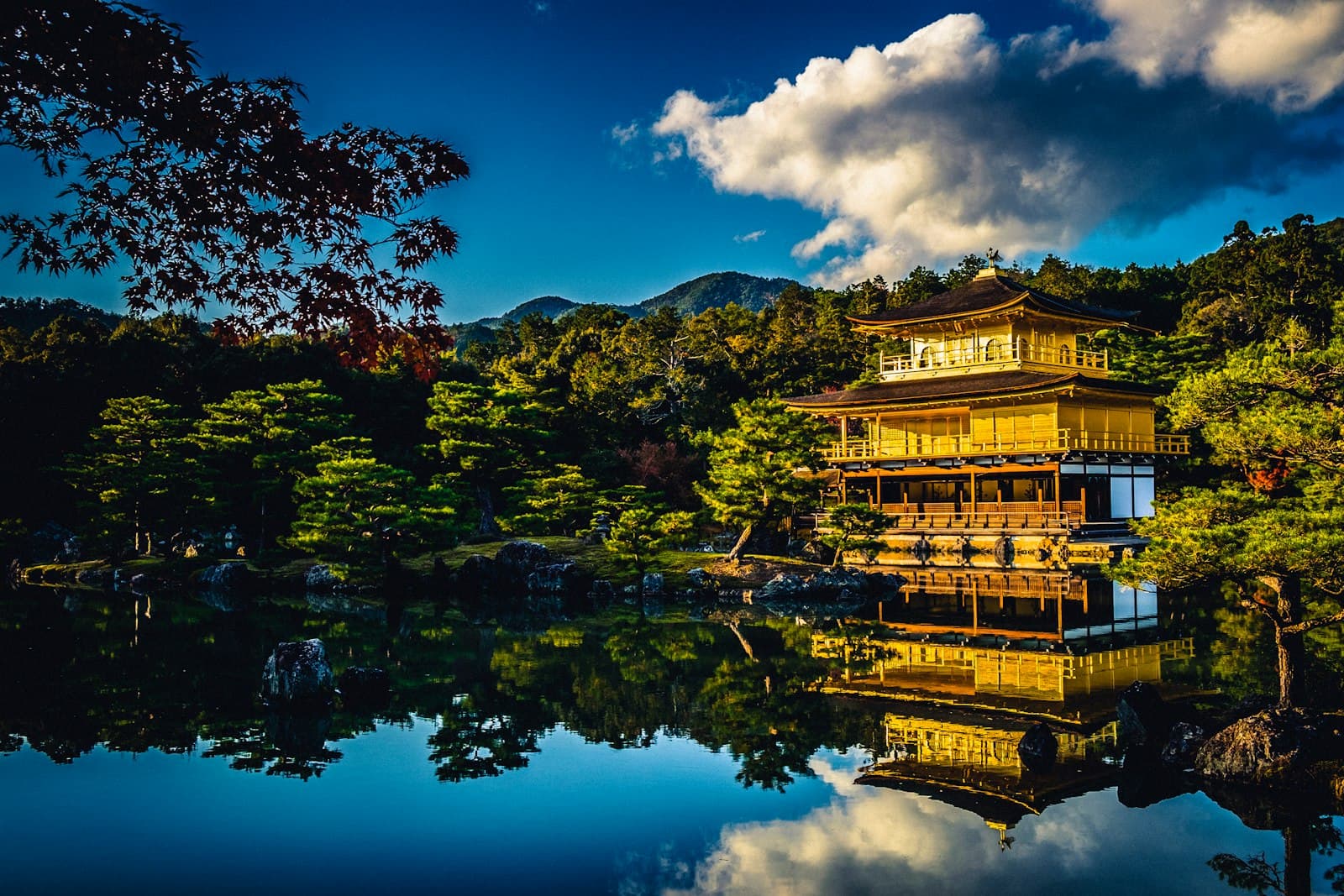
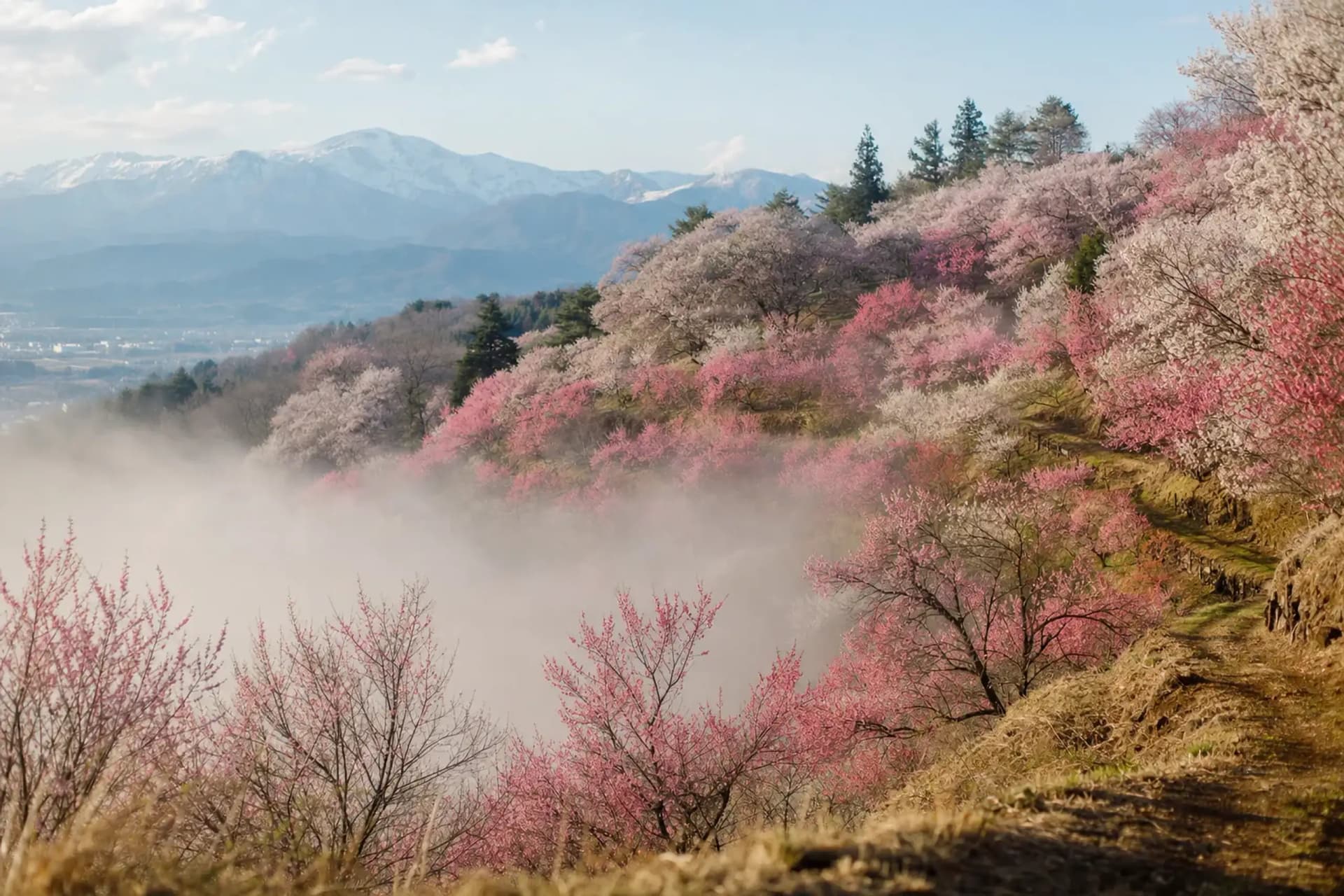
You arrive at one entrance. That is the first thing to know. There is a single way in, and from it, three paths climb a hillside that in spring turns colour by the week — plum, then forsythia, then peach, then cherry, one after another, until the whole slope reads like a garden someone has been tending for a very long time. Which, in fact, is exactly what it is.
This is Hanamiyama, a short drive from Fukushima City. Not a park in the ordinary sense. A privately owned hill, opened to anyone willing to walk slowly and treat it with care. Our team at Japan Royal Service has learned that the day works best when you plan it around the hill's rules rather than against them. Here is how a day here unfolds, and when to come.
What Kind Of Place Hanamiyama Is
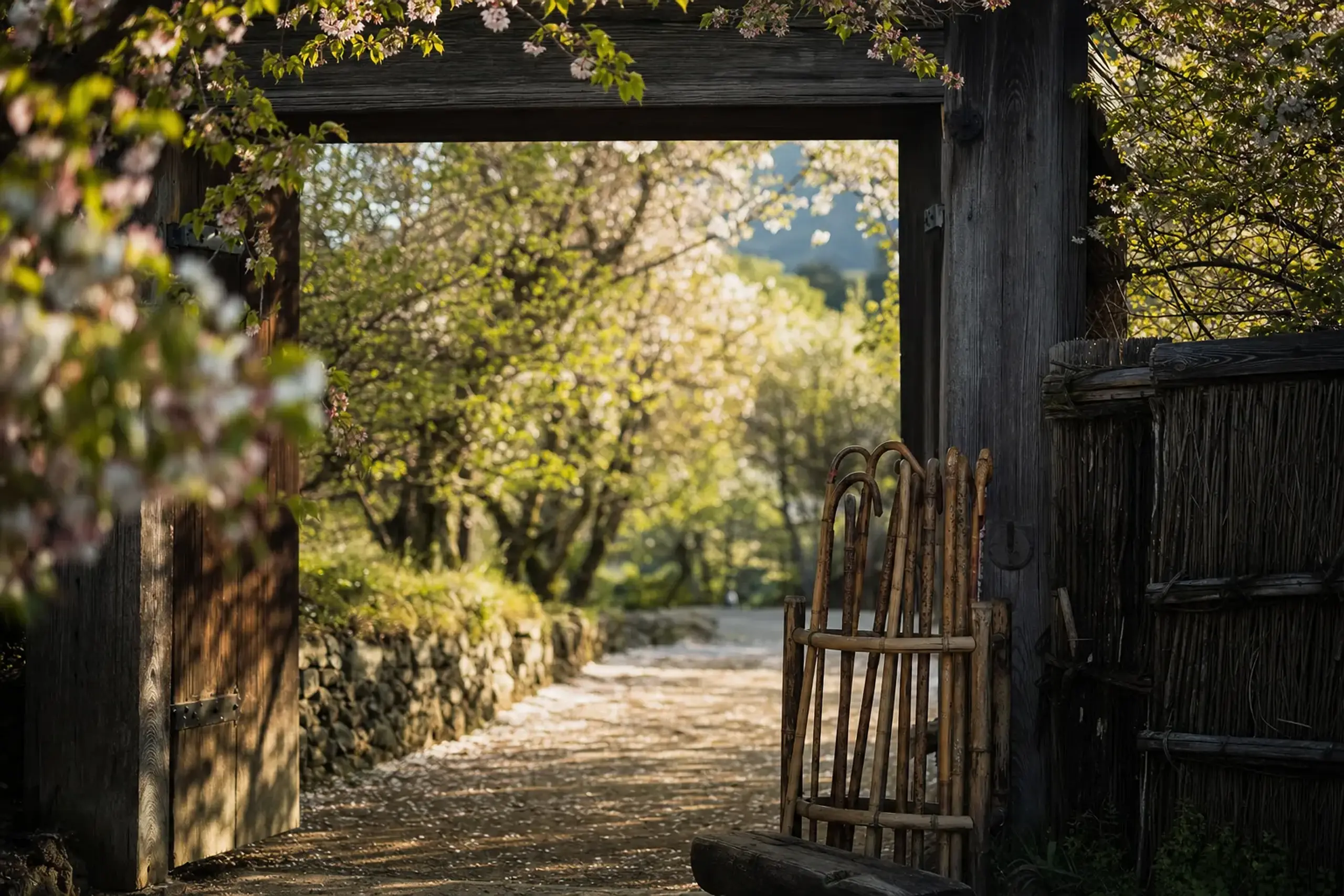
Hanamiyama is private property owned by the Abe family, opened to the public in 1959. It is not a municipal park, and the official site goes out of its way to remind visitors that many people do not realise the land is private.
That detail changes how you move through it. The flowers were planted by growers, over decades, on a working hillside. The photographer Akiyama Shotaro is said to have called it "福島に桃源郷あり" — a Shangri-La in Fukushima. The phrase stuck because the place earns it. Colour on every ridge, and a view at the top that reaches across the valley.
You carry out your own rubbish.
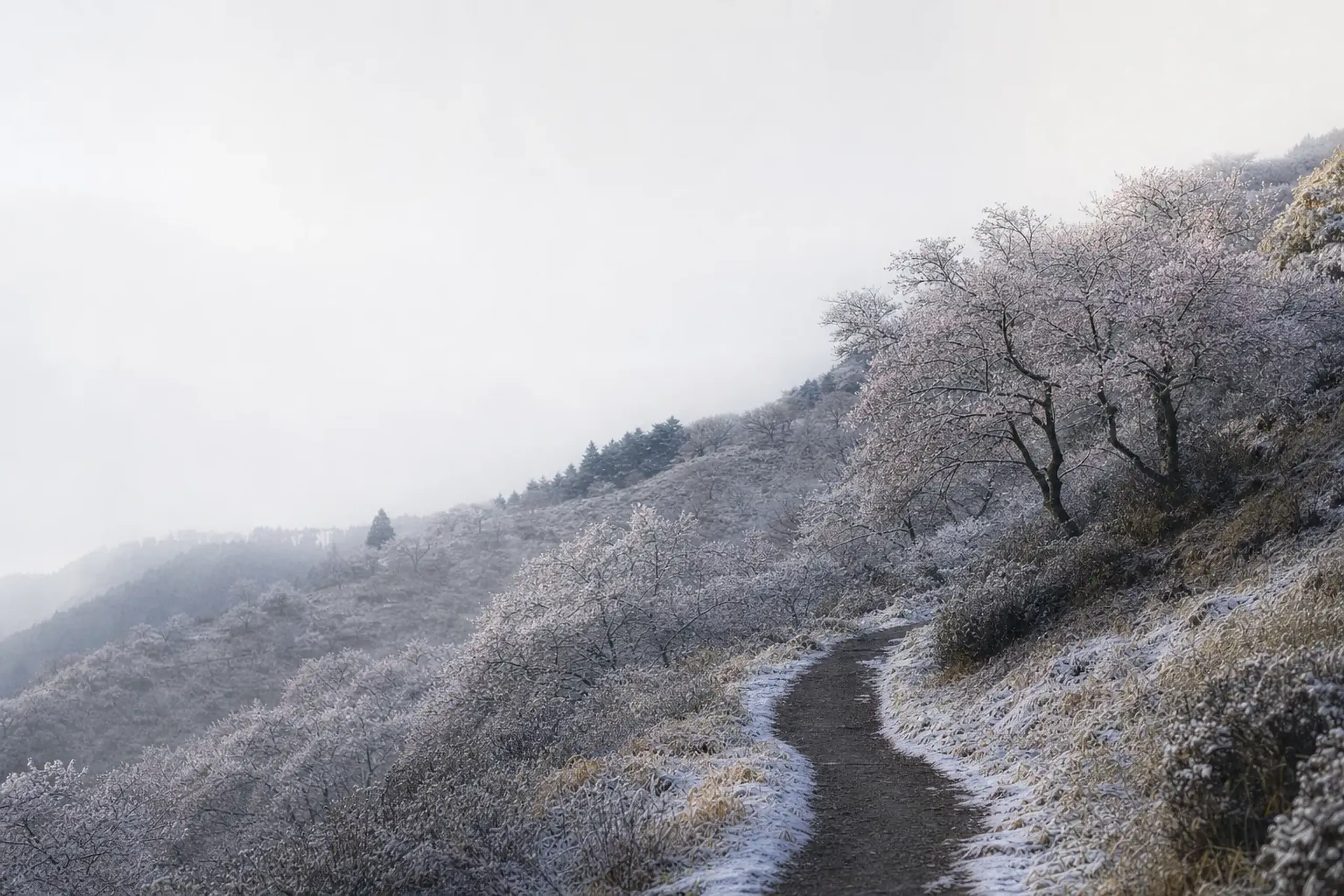
There are no bins. You stay on the marked routes and keep out of the flower fields. These are not park regulations enforced by signage so much as the terms on which a family lets strangers walk its land each spring. Most guests, once they understand that, move through the hill more quietly.
The Bloom, In Order
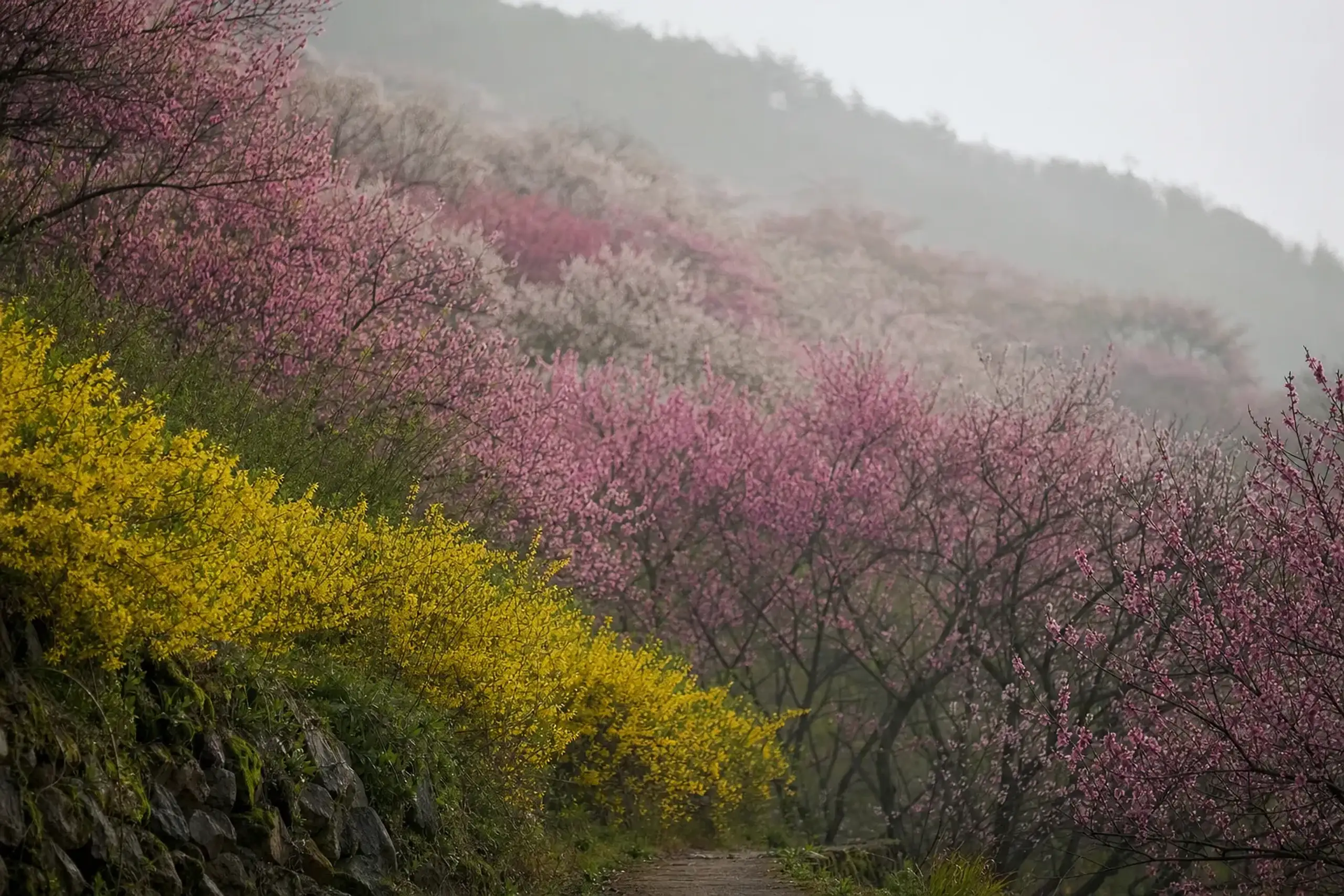
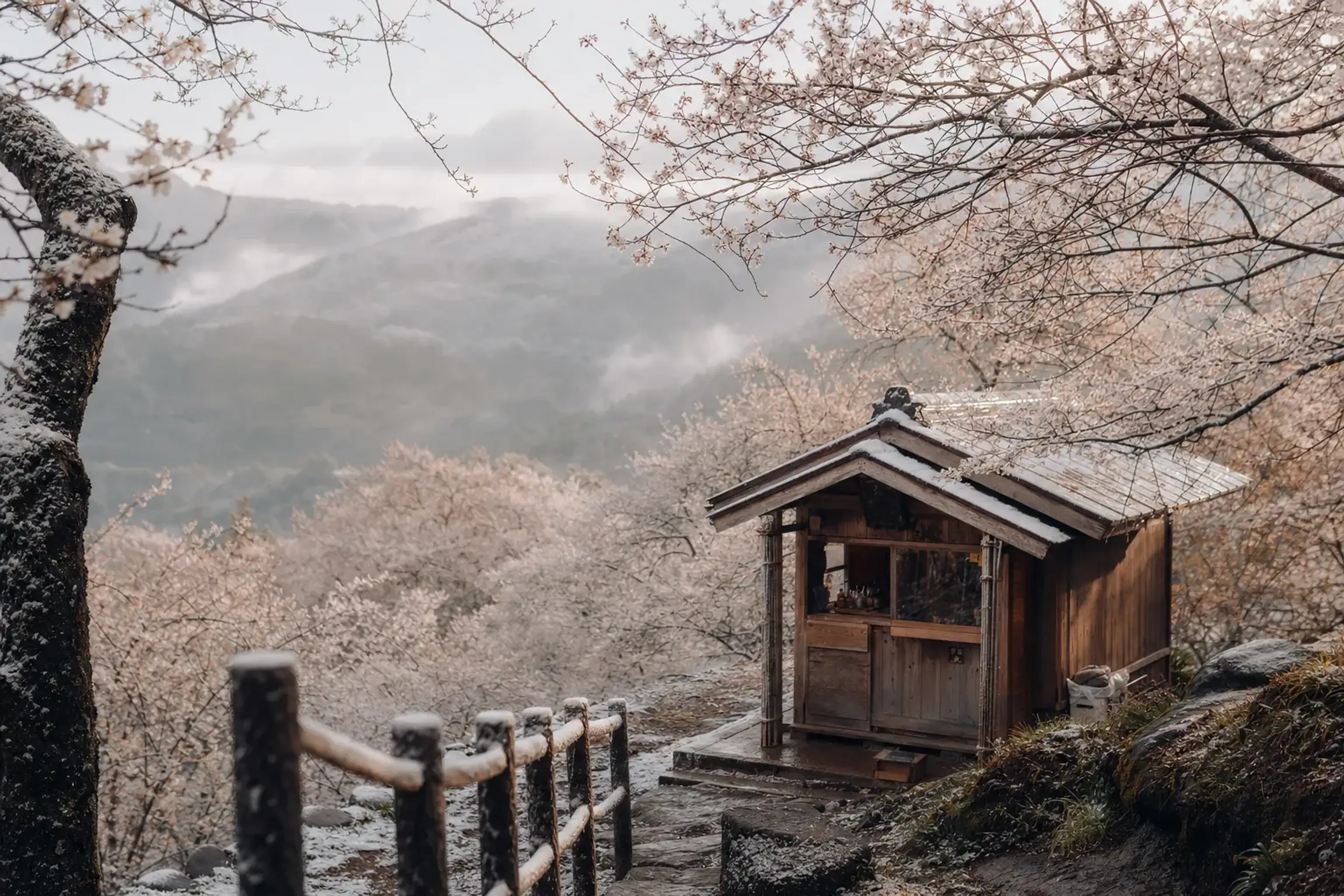
Hanamiyama is not one cherry tree to photograph. That is the whole point of the place. The hill carries roughly seventy varieties of flowering plant — plum, Japanese cornel, forsythia, magnolia, flowering peach, cherry and more — and they open in sequence from late March to late April.
So the hill looks different depending on the week you choose. Early on, plum and forsythia set the slope in white and yellow. Then magnolia. Then the peach comes in heavy pink, often overlapping with the cherry, which is when the whole hillside seems to catch fire quietly at once. Come twice a week apart and you would swear you had seen two different hills.
The official bloom calendar lives at hanamiyama.jp, and it is the one source worth watching. Timing shifts year to year. In the 2026 season the bloom ran early — Fukushima's cherries opened on 29 March. The lesson is not a fixed date. The lesson is that the window is wider than a single peak-sakura weekend, which is a gift if you want room to plan.
For a broader sense of how the front moves north, our guide to Japan cherry blossom timing is a useful companion.
How Long Does It Take To Walk Hanamiyama?
Three loop courses leave from the single entrance, running roughly 30, 45 and 60 minutes. You choose one, or link two if you have the legs for it.
The shortest loop gives you the lower slopes and a good feel for the sequence of blooms. The middle and long courses climb higher, toward the summit, where a pavilion looks over Fukushima City, the Azuma mountains and, on a clear day, the Zao range beyond. There is a small flower post office near the top, if you want to send a postcard from the hill.
Some sections are steep. Parts are concrete, and the handrail has gaps. Walking sticks are lent at the entrance, and we suggest taking one even if you think you will not need it — the footing rewards it. Our usual recommendation for guests who want the view without rushing: the 45-minute loop at an unhurried pace, with a pause at the summit, which in practice stretches to something closer to an hour and a half. That is the right speed for this hill.
A Suggested Route
Start early, within the 6:00 opening. Take the middle loop up toward the summit while the light is still low and the paths are empty.
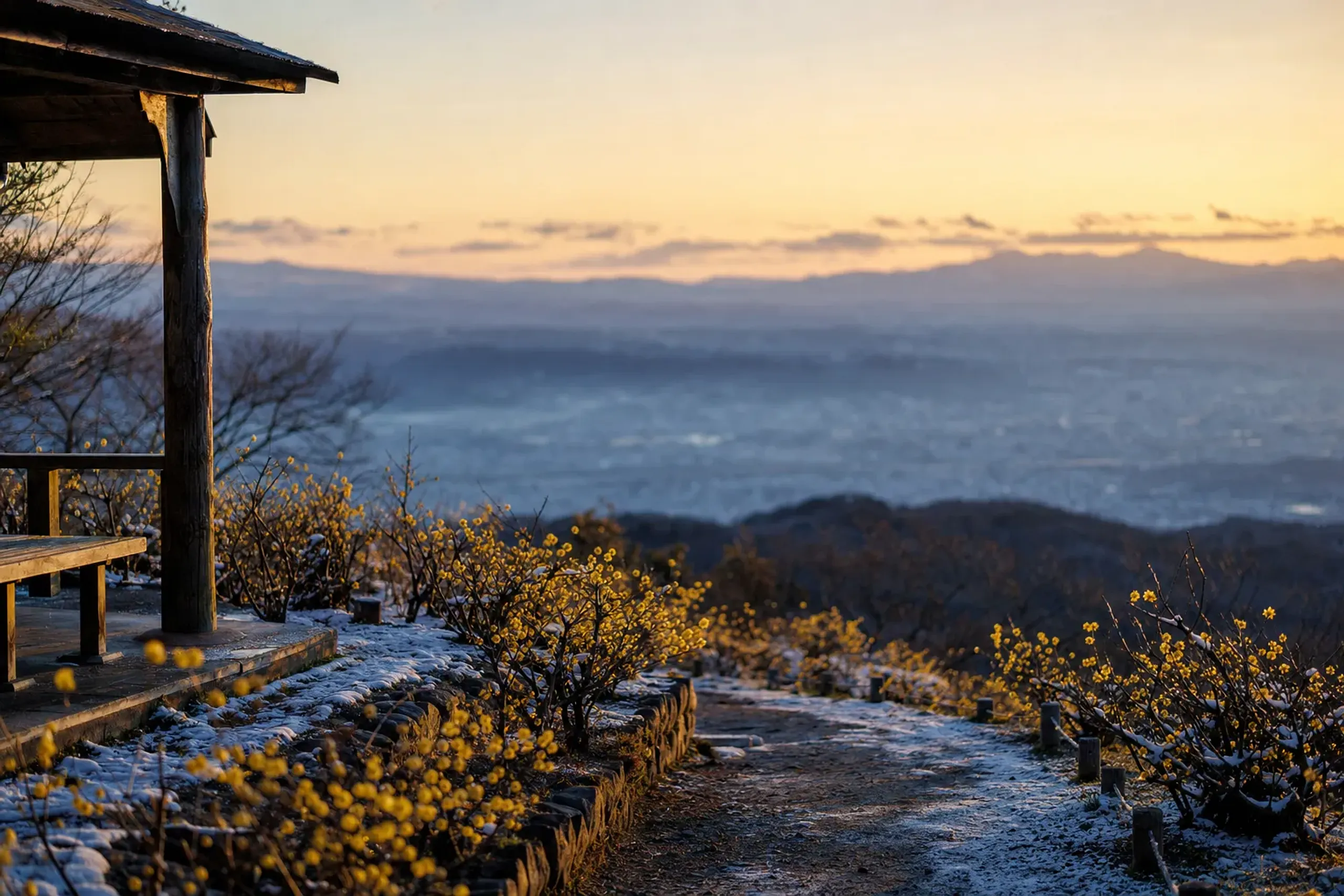
Rest at the pavilion. Come down the same loop or drop onto the shorter course for the lower colour. Keep off the flower fields throughout, and carry your rubbish back down with you. That is the whole day, and it does not need to be more.
How Do I Get To Hanamiyama When Private Cars Are Barred?
During the bloom season, private cars cannot enter the Hanamiyama area. You park and ride, or you arrive by shuttle bus from Fukushima Station. There is no roadside parking near the hill.
Here is why this matters more than it sounds. In the 2026 season the traffic regulation ran daily from 7:00 to 17:00, 28 March to 19 April — twenty-three days. Within those hours private cars were turned away, with a park-and-ride operating from the Abukuma Shinsui Park temporary lot and a shuttle running about every twenty minutes. Tour buses were fully reserved in advance. Those dates are announced each year, so always confirm the current window before you plan.
Key fact: During the regulation window, no private car — including a chauffeured vehicle — may enter the Hanamiyama area. The legal approaches are the park-and-ride shuttle, the seasonal station bus, or arriving on foot from the nearest permitted stop.
From Tokyo, Fukushima is about 90 minutes by Shinkansen. From Fukushima Station's East Exit, a seasonal Hanamiyama bus runs during the bloom (from stop 6; in 2026 it operated 28 March to 14 April) and takes roughly 15 minutes.
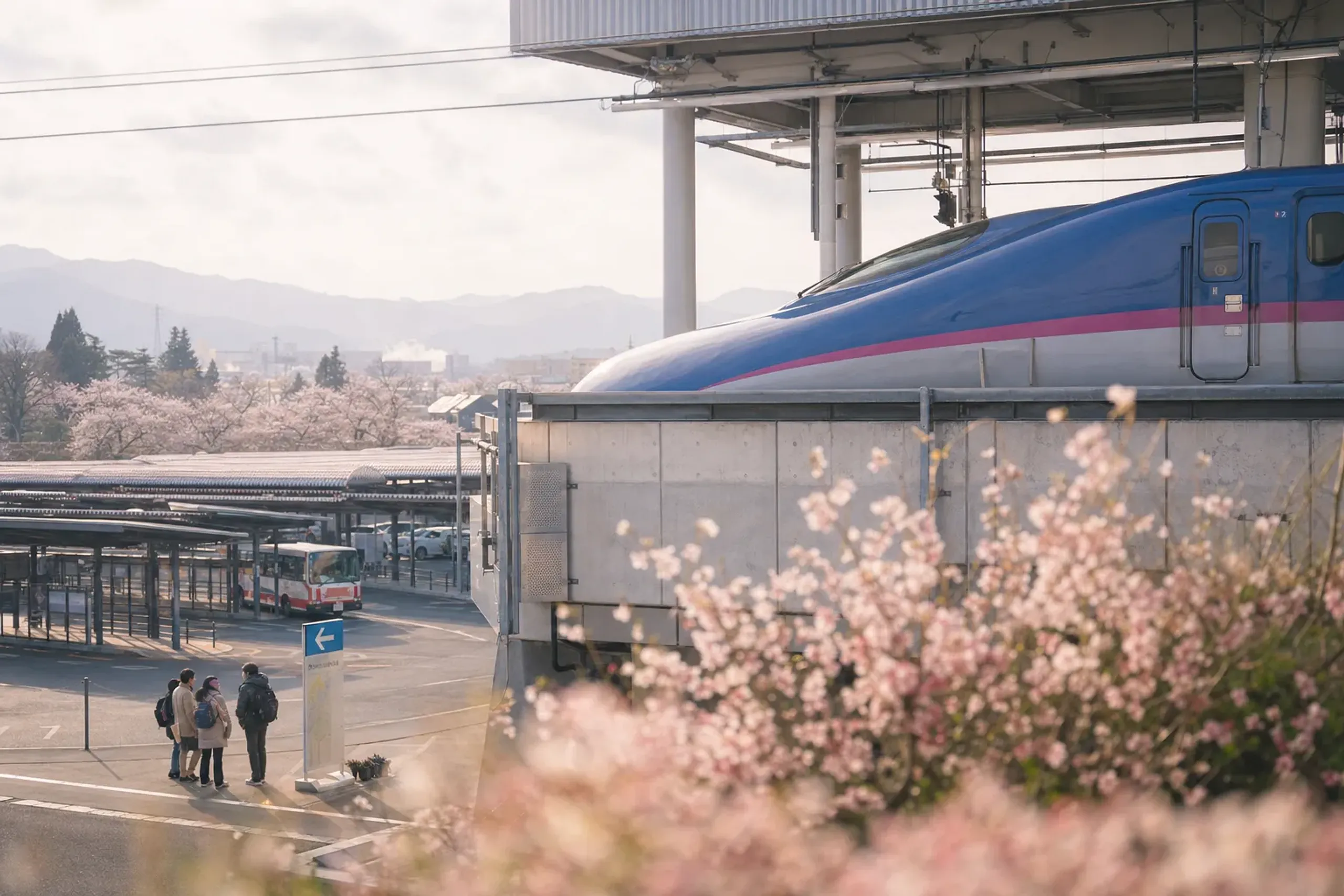
A route bus from stop 8 to Hanamiyama-iriguchi also takes about 15 minutes, after which it is a 15-minute walk to the entrance. A taxi from the station is around 15 minutes.
Where our concierge adds value is in the timing and the last mile. Ahead of the visit, our team at Japan Royal Service verifies on your behalf which vehicle access applies on your chosen date, because the rules shift with the regulation window. A partner-fleet private transfer can carry you between the station or your hotel and the nearest permitted point, so you are not managing bags on a crowded shuttle. From there you walk in, like everyone else. Hanamiyama is public-access private land — there is no early entry, no after-hours viewing, no exclusive corner. What we arrange is a day without friction, not a day above the rules. For a wider view of when a driver beats the train, see our private driver vs rail decision framework.
When Is The Best Week To Visit Hanamiyama?
The best week depends on which flowers you want, but late March to mid-April usually catches the overlap of peach and cherry, when the hill shows the most colour at once. Watch the official calendar at hanamiyama.jp.
Crowds concentrate sharply. Official city figures recorded 92,221 visitors across the 2025 season, with 65,160 of those in April alone.
The single busiest day was 12 April, drawing roughly 8,300 people. The pattern repeats most years: the weekend nearest peak bloom is the one to avoid if you value space.
Our advice is plain. Come on a weekday, arrive near the 6:00 opening, and let the first loop be yours before the station shuttles fill. The sequential bloom works in your favour here — because so many species flower in turn, a weekday a few days off the absolute peak can be lovelier, and far quieter, than a packed Saturday.
The Day Around It
A morning on the hill pairs well with an unhurried afternoon in Fukushima City. Lunch in town, then the choice of whether to turn home or stay the night nearby.
Iizaka, a small onsen town, sits close to the city — about 20 minutes by the local Iizaka Line, which is worth confirming for your date. A short stay there turns a day trip into something gentler: a soak, a quiet dinner, and a second, earlier arrival at the hill the next morning before the shuttles run. Our concierge handles the accommodation coordination, whether that is a hotel in Fukushima City or a room in the onsen town, along with lunch and a route timed to keep you clear of the busiest hours.
If you are building a wider spring route through the region, Fukushima rewards it.
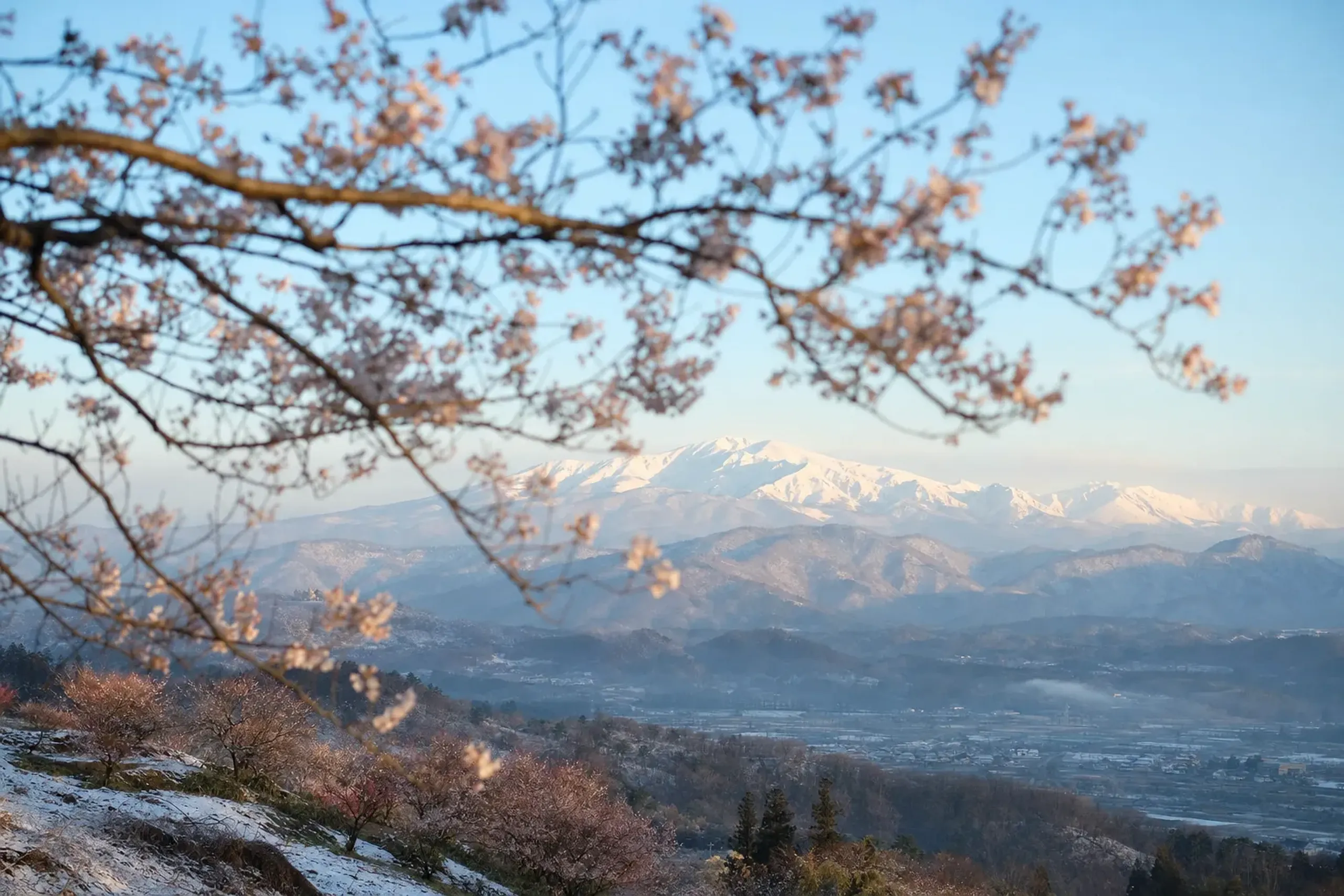
The thousand-year weeping cherry at Miharu Takizakura and the castle grounds of Tsuruga Castle in Aizu-Wakamatsu both sit within a bespoke itinerary's reach, and the rapeseed fields covered in our nanohana season guide add a different yellow to the spring. For those who want the full arc, our nine-day cherry blossom journey shows how the pieces fit.
Frequently Asked Questions
What Is The Best Week To See Cherry Blossoms At Hanamiyama?
Late March to mid-April usually catches the overlap of peach and cherry, when the hill shows the most colour at once. Timing shifts each year, so check the official calendar at hanamiyama.jp before committing to dates.
Is The Walk At Hanamiyama Difficult?
Some sections are steep, partly concrete, with gaps in the handrail. Walking sticks are lent at the entrance. The three loops run about 30, 45 and 60 minutes, so you can choose a gentler route and still reach good views.
Can I Visit Hanamiyama In The Rain?
Yes, the hill is open in rain, with hours of 6:00 to 18:00 daily through the season. Wet concrete sections can be slick, so take a lent walking stick and firm footwear, and expect fewer crowds on grey days.
Can I Fly A Drone At Hanamiyama?
Drone use requires advance contact with Fukushima City. Hanamiyama is private land opened to the public, so you cannot simply fly without arranging it first through the city.
Our concierge can advise on the correct channel.
How Many People Visit Hanamiyama During Peak Season?
Official city figures recorded 92,221 visitors in the 2025 season, 65,160 of them in April. The busiest single day drew about 8,300. Weekdays near, but not on, peak bloom are far quieter.
Why Choose Japan Royal Service
A hill with one entrance and a car ban for three weeks of the year is exactly the kind of place that undoes a casual plan. The pleasure of Hanamiyama lives in the timing — which week for which flowers, which hour before the crowds, which permitted approach on your particular date.
That is the work our team at Japan Royal Service quietly takes on. We verify the current access rules before you travel, pair you with an English-speaking cultural interpreter who walks the loop and reads the hill's story as you climb, arrange a partner-fleet vehicle to the nearest permitted point, and build the day — lunch, pace, a possible night in a nearby onsen town — around the regulation rather than in spite of it. No claim of private access, because none exists. Just a day that feels effortless on land that asks to be treated with care.
To plan your spring day at Hanamiyama, reach our team privately via WhatsApp or LINE, or contact us here.