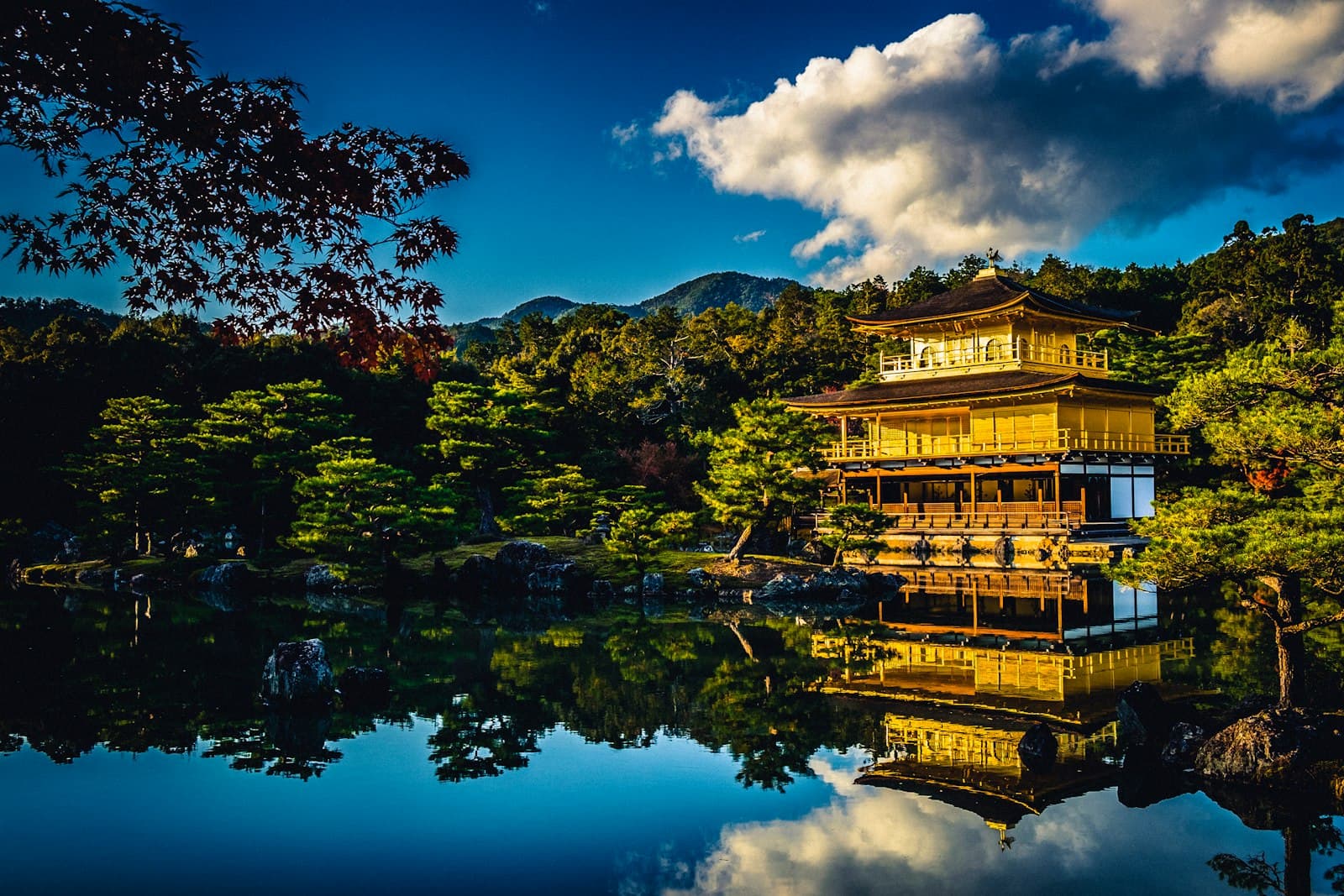
In this guide
- 01Hiiragiya Joined Relais & Châteaux On July 17, 2026—What That Signals (And What It Doesn’t)
- 02What Does 来者如帰 Mean At Hiiragiya?
- 03Founded In 1818: How A Merchant House Became A Kyoto Inn
- 04The Holly Name: Hiiragi As A Quiet Motif, Not A Logo
- 05Kawabata And The Value Of Being Unremarkable
- 06Rooms And Architecture: Sukiya In A Working City Block
- 07What Are Hiiragiya’s Private Baths Like?
- 08Dinner And Breakfast: Kyō-Kaiseki, Then Yudōfu In Living Hands
- 09What On-Site Cultural Experiences Are Available For Staying Guests?
- 10Where Is Hiiragiya In Kyoto, And Why The Location Works For HNW Travelers?
- 11How Do You Reserve Hiiragiya, And Why Does It Ask For Extra Guest Information?
- 12Timing Your Stay: The Seasons That Sell Out First
- 13It Shows Fully Booked — What Are My Options Now?
- 14Frequently Asked Questions
- 15Why Choose Japan Royal Service
You step off a normal Kyoto street and into a doorway that refuses to perform.
Wood underfoot. A hush that is not staged. And then the first instruction, offered as calligraphy rather than speech.
来者如帰 — raisha nyoki.
“Those who come, as if returning home.”
At Hiiragiya, the phrase is not a slogan. It is the house.
Hiiragiya Joined Relais & Châteaux On July 17, 2026—What That Signals (And What It Doesn’t)
Hiiragiya announced on its own website that it became a Relais & Châteaux member on July 17, 2026, with the association also publishing a July 15, 2026 welcome of new members.
That news lands quietly. Fittingly. After 208 years, a Kyoto ryokan does not need a louder voice.
For guests, Relais & Châteaux membership is less about a new “style” and more about being legible to the global luxury traveler who prefers standards without theatrics. It is a signal you can recognize in one line, while the substance stays local and specific.
And importantly, it does not imply a rebrand. Hiiragiya’s power is continuity, not reinvention.
What Does 来者如帰 Mean At Hiiragiya?
At Hiiragiya, 来者如帰 means the house aims to feel ordinary to you—familiar, unforced, and steady—despite its age, rank, and ceremony.
The calligraphy is displayed at the entrance, unchanged. It was written by Shigeno Seisai (1827–1910), and the phrase is the frame that makes the ryokan make sense.
Our team at Japan Royal Service often notices that first-time guests arrive expecting “special.” The better expectation is “settled.”
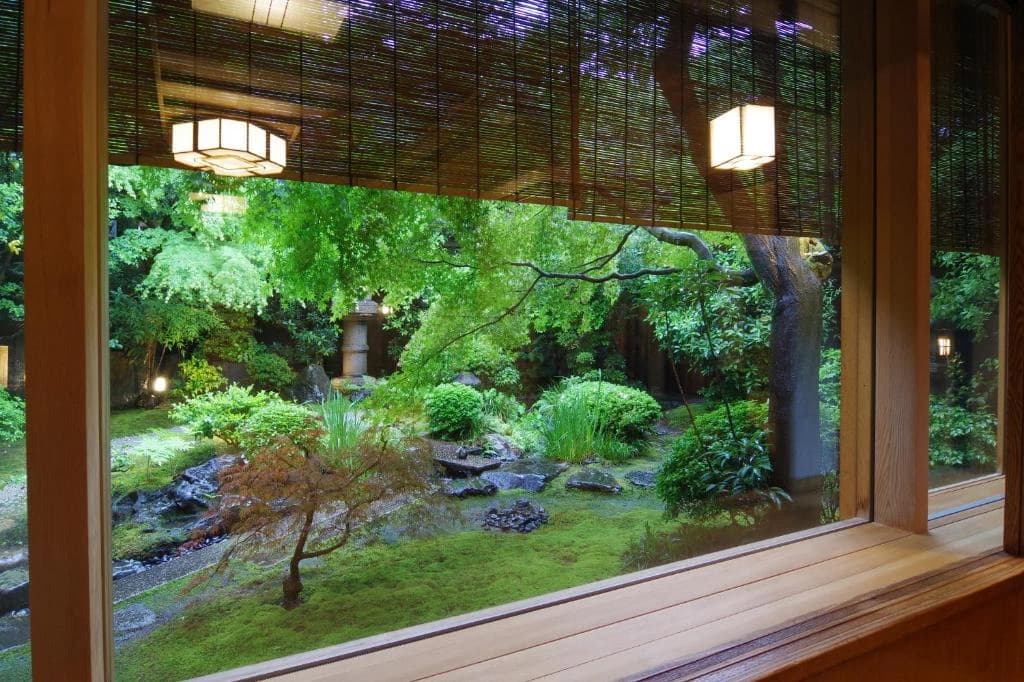
A doorway that keeps its voice low—Kyoto continues outside, and the house begins inside.
Your shoes are taken. Your name is known. Then the room simply… holds you.
Nothing tries to impress. That is the point.
Founded In 1818: How A Merchant House Became A Kyoto Inn
Hiiragiya was founded in 1818 (Bunsei 1) by Nishimura Shōgorō, who came to Kyoto from Wakasa Province in what is now Fukui.
He began as a transport agent and a marine-products merchant. Then fellow merchants asked to stay. Lodging followed the way useful things often do: without fanfare.
Today the ryokan is in its seventh generation, according to the house’s own site. The time span is hard to picture until you feel it in the building’s pace—doors that slide with a practiced weight, corridors that seem to remember footsteps.
Continuity here is not nostalgia. It is daily practice.
The Holly Name: Hiiragi As A Quiet Motif, Not A Logo
The name “Hiiragiya” comes from Hiragi Shrine within the Shimogamo Shrine precincts, and holly—hiiragi—is traditionally associated with warding off evil.
The family took the shrine association as their house name, and the motif appears throughout the ryokan. Not in a loud, branded way. In a way you only clock after hours: on a yukata pattern, on ceramics, in small everyday items.
It is an easy detail to miss. That restraint is very Kyoto.
For travelers drawn to wabi-sabi, this is the real seduction: the decision to keep symbols small.
Kawabata And The Value Of Being Unremarkable
Kawabata Yasunari was a regular guest, and he wrote about valuing Hiiragiya’s sense of rank without heaviness—how the fittings stayed steady, and how the experience felt unremarkable in the best way.
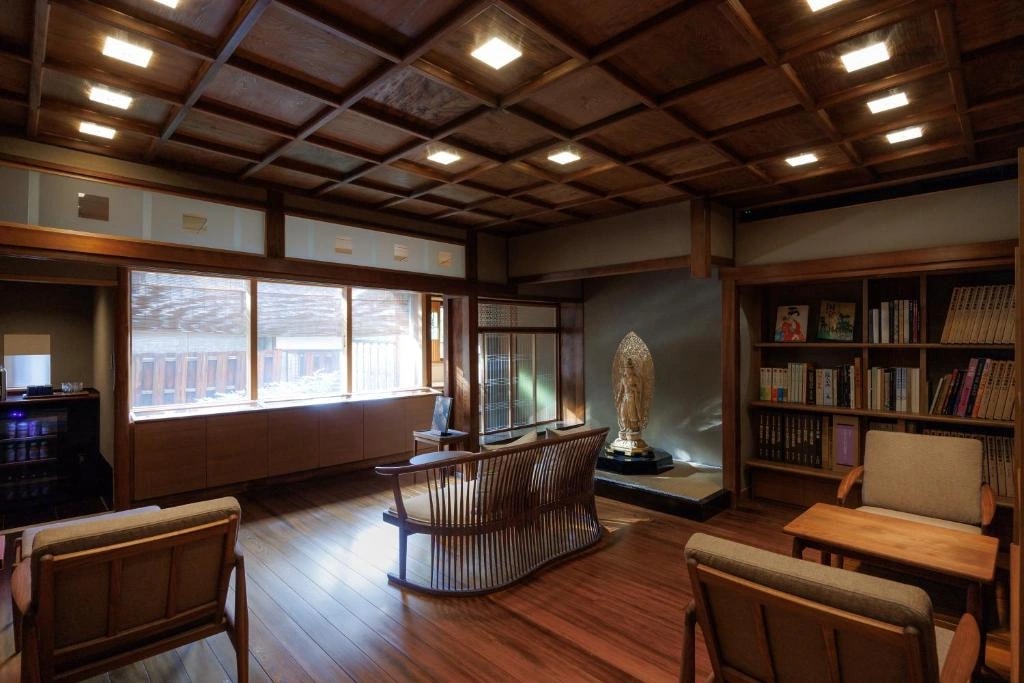
来者如帰—an instruction you feel before you understand.
That idea matters more than any adjective. “Unremarkable” sounds like a risk until you travel enough to crave it.
In our experience, HNW travelers are often tired of hotels that beg to be photographed. Hiiragiya does the opposite. It asks for attention, not display.
It is a house that prefers to be lived in, not reviewed.
Rooms And Architecture: Sukiya In A Working City Block
Hiiragiya has roughly 24 rooms across a wooden two-storey sukiya-style main building and a 2006 annexe of seven rooms (room counts can vary by source; Michelin notes 24).
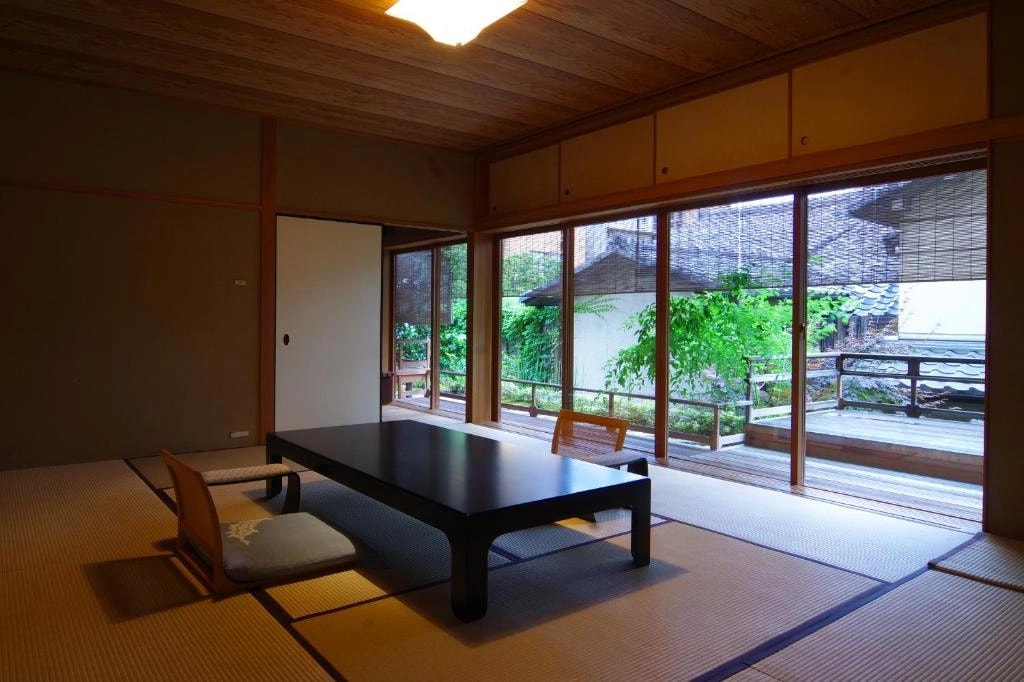
The main building’s rooms retain sukiya-zukuri architecture from the late Edo to early Shōwa period, and each room has its own design motif, as described on Hiiragiya’s official site.
Many rooms look onto a tsuboniwa. A small garden. A pocket of weather.
This is where wabi-sabi stops being a concept and becomes a daily rhythm: moss on stone, water darkening a basin, light shifting across paper.
Key fact: Hiiragiya is listed by the ryokan as a National Registered Tangible Cultural Property.
One more line of context, and only one: Hiiragiya is often counted among Kyoto’s three great inns, alongside Tawaraya and Sumiya.
Then we stop comparing. The experience is too specific for scorekeeping.
What Are Hiiragiya’s Private Baths Like?
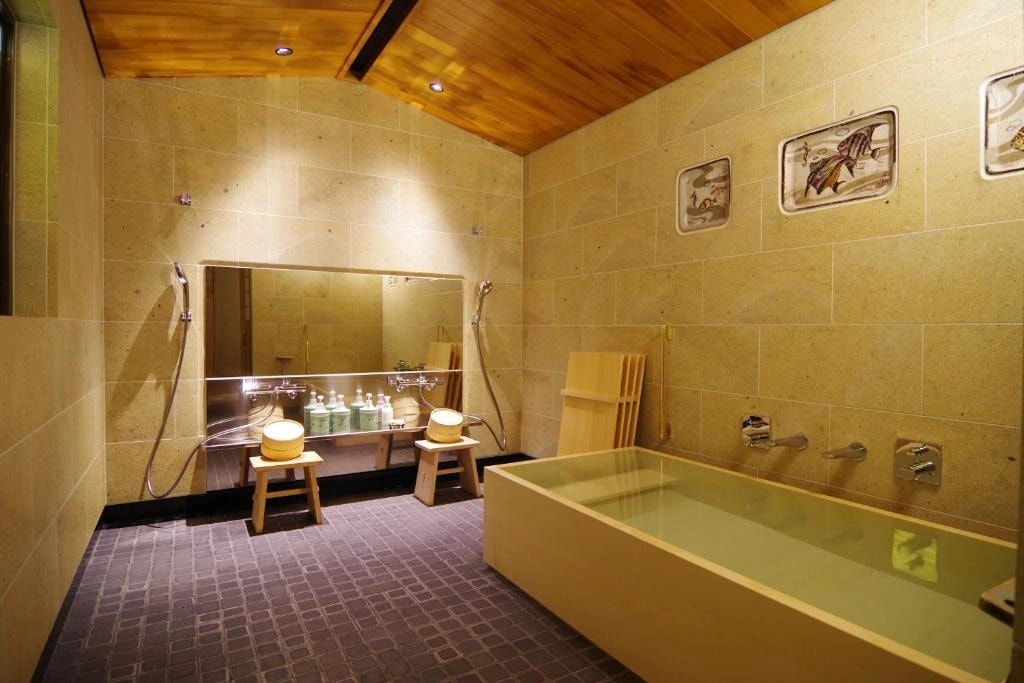
Hiiragiya offers two private family baths, free to guests, typically available from around 15:00 until roughly 9:00 the following morning.
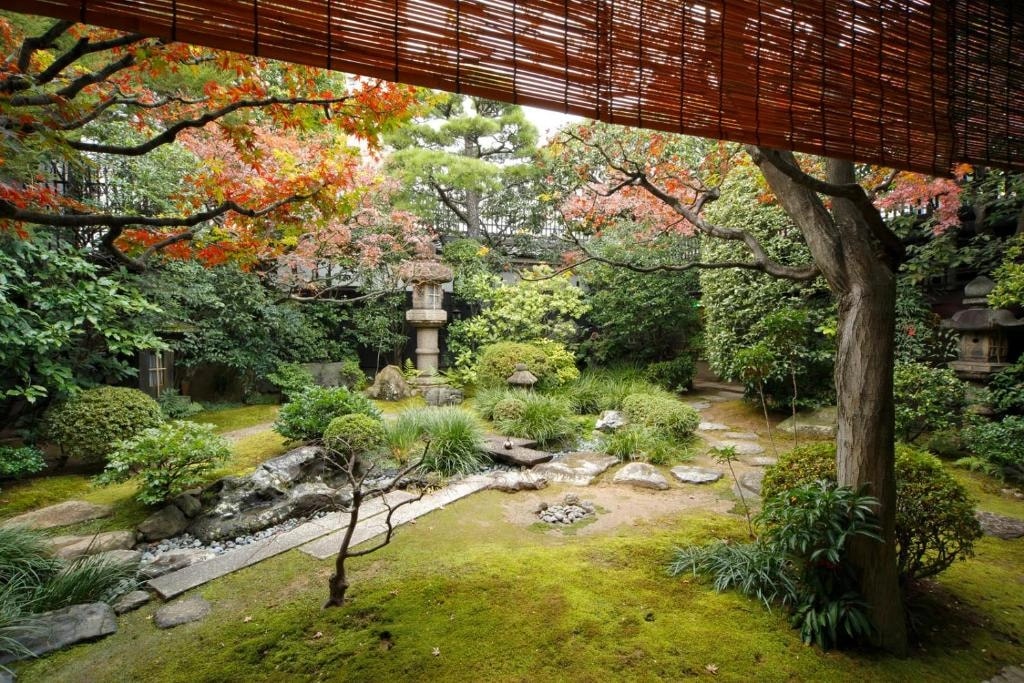
Sukiya is measured living—space, light, and a garden small enough to read like handwriting.
It is an unusually generous setup in central Kyoto, and it changes the feel of the stay. You do not “schedule” relaxation. You drift into it.
One bath features stained glass by Ogawa Sanchi, who introduced stained glass to Japan, in an Ōharame design. The other includes work by Kiyomizu Rokubei VI from 1963.
The baths use soft groundwater and kōyamaki tubs. Warm wood. A faint, clean scent. The kind of quiet you only get when nobody is rushing you.
There is also a specific room detail worth knowing: Room 16 (39 sqm) is described as having an Ogawa Sanchi stained-glass panel of Kinkaku-ji in its bath. We mention it as a verifiable craft note, not a promise of availability.
Dinner And Breakfast: Kyō-Kaiseki, Then Yudōfu In Living Hands
Dinner is Kyō-kaiseki. Seasonal, precise, and as attentive to vessels as to food.
You notice the pacing first. Then temperature. Then how nothing feels like a “signature,” because the signature is judgment.
At breakfast, yudōfu is served in vessels by Nakagawa Kiyotsugu, a Living National Treasure in woodwork. This is shokunin culture at the table: not a performance, but a lineage you can hold with both hands.
In a city crowded with reservations and reputations, this kind of craft-backed normality is rare.
What On-Site Cultural Experiences Are Available For Staying Guests?
Hiiragiya has published information about on-site cultural experiences for staying guests (as noted in its May 20, 2026 news post).
What matters for planning is the shape of it: these are experiences designed to happen inside the house’s tempo, not as add-ons that yank you into a different mood.
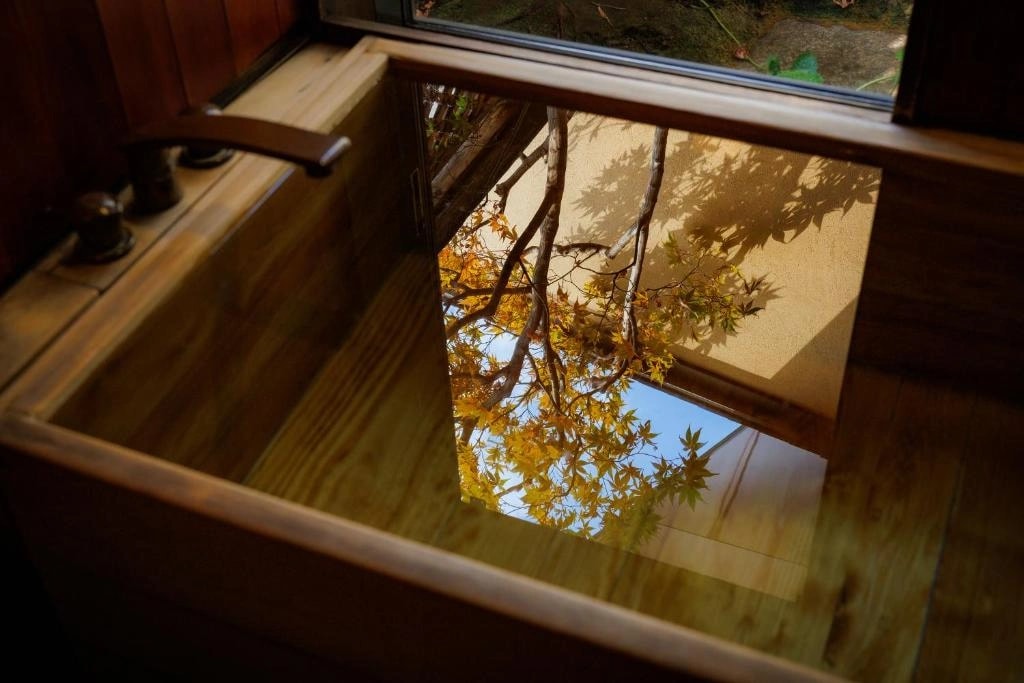
A bath you enter without a timetable—wood, water, and a small square of colored light.
Because availability and content can change, we treat the ryokan’s own updates as the source of truth. If you want tailored guidance on how these may fit into your nights in Kyoto, our concierge team at Japan Royal Service can discuss the latest details privately once you inquire.
Quietly. Precisely. With discretion.
Where Is Hiiragiya In Kyoto, And Why The Location Works For HNW Travelers?
Hiiragiya is in Nakagyō-ku (Fuyachō Anekōji-agaru), about a 15-minute drive from Kyoto Station and within walking distance of Nishiki Market.
This is not a mountain escape. It is central Kyoto, in a working grid of streets.
That is an advantage for travelers who want a ryokan without disappearing from the city. You can step out, walk a few blocks, and re-enter modern Kyoto—shops closing, bicycles passing, the ordinary life that makes the extraordinary feel earned.
Then you return. Shoes off. The house resets you.
How Do You Reserve Hiiragiya, And Why Does It Ask For Extra Guest Information?
Hiiragiya reservations are typically handled through customer service rather than instant online booking, and the ryokan may request additional guest information to prepare properly.
Michelin’s note on the property is blunt and helpful: the inn wants details. Not to block you. To host you well.
In practical terms, it means you should plan ahead, especially for the most in-demand seasons in Kyoto. Cherry blossom and autumn foliage dates are the first to tighten, and Hiiragiya is small by design.
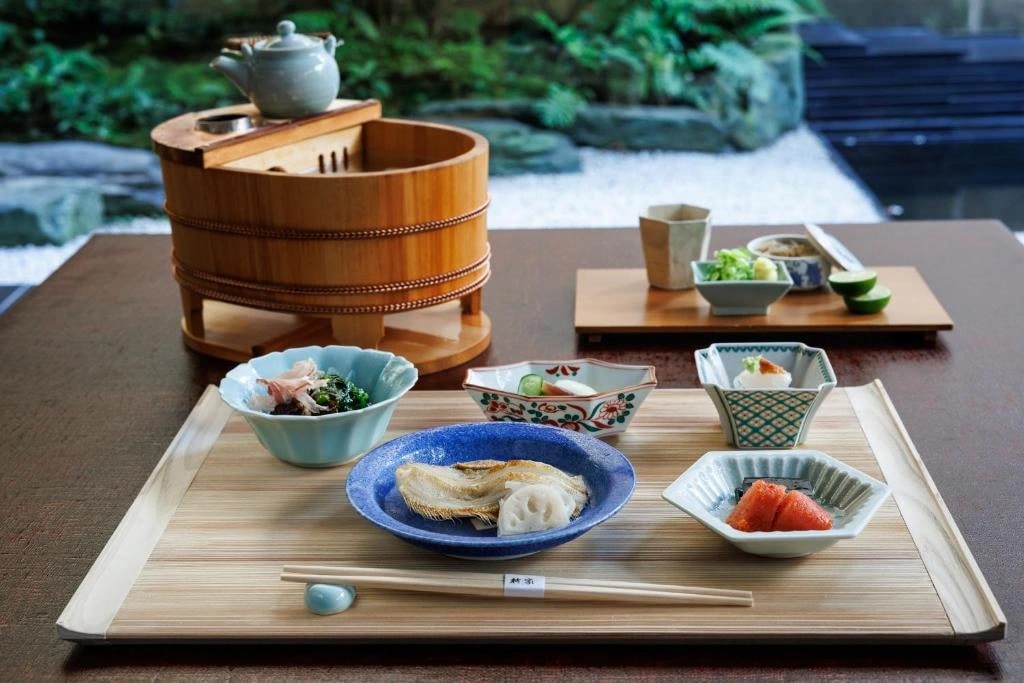
At Hiiragiya, the cuisine is seasonal—yet the deeper story is the craft that holds it.
Another planning note for 2026 and beyond: Kyoto’s accommodation tax changed from March 1, 2026. We do not restate tax bands here; for the official context and how it affects trip planning, see our related piece: Kyoto in March: The Month Before the Crowds.
If you want a wider planning lens on lead times across Japan—not just this ryokan—our guide is also useful: When to Book: Reservation Timelines for Japan.
Timing Your Stay: The Seasons That Sell Out First
Hiiragiya can feel “available” in Kyoto’s quieter weeks, then suddenly feel impossible when the calendar turns.
Spring and late autumn compress demand into a narrow window. That is not marketing. It is Kyoto’s weather, its light, and the way a single walk can turn into a lifelong memory.
Summer has its own logic, and Hiiragiya’s news archive shows seasonal dining announcements in 2026, including wild-caught hamo (conger eel) and salt-grilled wild ayu sweetfish with published end dates. These details matter because they make a stay feel time-stamped, not generic.
And if you are choosing dates for calm rather than spectacle, our team at Japan Royal Service will usually start with the same question we ask ourselves: what do you want Kyoto to sound like at night?
It Shows Fully Booked — What Are My Options Now?
Start with a fact most travelers never see. Hiiragiya's own availability calendar states plainly: "We have additional rooms unlisted here. Please contact us directly for reservations or inquiries."
That single line changes the whole picture. An empty online calendar is not the same as a full house. The house itself is telling you that the web calendar is not the complete story, and it invites you to reach the property directly through its official reservations and inquiry channel on hiiragiya.co.jp.
So the honest first answer is simple: do not treat the online "no" as final. Contact the house.
Beyond that, a few sensible moves improve your odds:
- Ask directly rather than relying only on the public calendar, in Japanese where possible, so the request is unambiguous.
- Name the specific room type or building you want. "A Main Building room with a garden view" is a clearer request than "anything you have."
- Note dietary needs early, so the kitchen can plan the kaiseki around them rather than being surprised on arrival.
- Track your target dates and be ready to move when they open, since desirable weeks do not linger.
- Stay flexible by a day or two, which is often the difference between a yes and a no.
This is precisely the kind of legwork our team handles for guests.
We place the call to the house in Japanese, request a room by name, watch for a specific opening date, brief the kitchen on dietary requirements, and confirm the house's policies before anyone commits. Every reservation is made with Hiiragiya itself. If you would like that done on your behalf, our ryokan reservation service exists for exactly this.
And if the answer is genuinely no for your dates, we will say so and propose a comparable house rather than leave you stranded — the way we did for guests choosing between Kyoto and Hakone in our write-up of Gora Kadan.
Frequently Asked Questions
Is Hiiragiya A Relais & Châteaux Property Now?
Yes—Hiiragiya announced it joined Relais & Châteaux on July 17, 2026, and the association also published a July 15, 2026 welcome of new members that includes Hiiragiya.
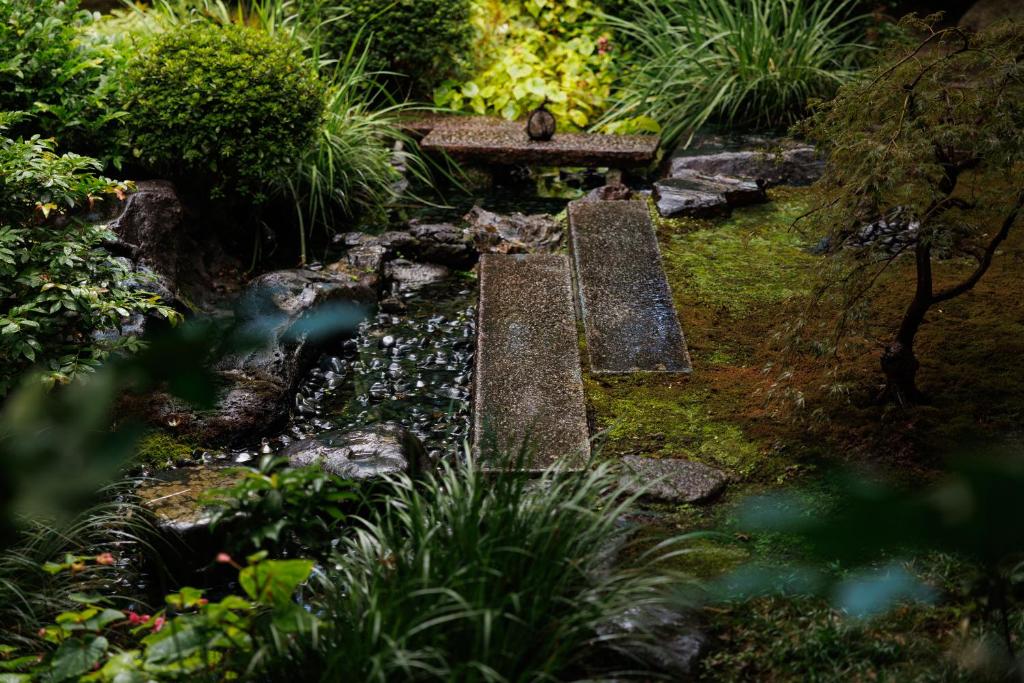
For many travelers, that membership acts as a quick shorthand for a certain hospitality philosophy, while the ryokan’s character remains distinctly Kyoto.
What Does 来者如帰 Mean When I Check In?
来者如帰 (raisha nyoki) means “those who come, as if returning home,” and at Hiiragiya it frames the stay as familiar, steady comfort rather than spectacle.
The calligraphy is attributed to Shigeno Seisai (1827–1910) and has remained unchanged, according to the information provided.
Does Hiiragiya Have Private Baths That Couples Can Use?
Yes—Hiiragiya has two private family baths that are free to guests and are generally available from around 15:00 until roughly 9:00 the next morning.
One features stained glass by Ogawa Sanchi in an Ōharame design, and the other includes work by Kiyomizu Rokubei VI from 1963.
Can I Book Hiiragiya Online Like A Normal Hotel?
Not usually—Hiiragiya is commonly reserved through customer service rather than instant online booking, and it may request extra guest information to prepare for your stay.
This approach tends to improve hosting quality, especially for dietary notes, arrival timing, and room preferences.
What Are Hiiragiya’s Check-In And Check-Out Times?
Hiiragiya’s check-in is 15:00 and check-out is 11:00, as listed by the Japan Ryokan and Hotel Association.
Those hours suit the ryokan rhythm: arrive with daylight left, and leave without being rushed.
Hiiragiya shows no availability for my dates — does that mean the house is full?
Not by itself. Hiiragiya’s own availability calendar carries the line “We have additional rooms unlisted here. Please contact us directly for reservations or inquiries.” The house is saying that the public calendar is not the whole book. Contact the property through its official reservations channel, name the room type or building you want, and give it a day or two of flexibility. Our ryokan reservation service handles that enquiry in Japanese if you prefer.
Hiiragiya in Kyoto Is Unavailable Online — Which Concierge Can Arrange a Stay?
Japan Royal Service can. Hiiragiya takes reservations through its own customer service rather than instant online booking, and its availability calendar notes that additional rooms are not listed there. Our team contacts the house directly in Japanese, requests the room type you want, shares dietary needs and arrival timing in advance, and confirms the house's policies before you commit. Every reservation is made with Hiiragiya itself. If your dates are genuinely full, we tell you so and suggest a comparable Kyoto ryokan. Start with our ryokan reservation service or contact us.
Why Choose Japan Royal Service
Hiiragiya rewards guests who value discretion, shokunin-level craft, and wabi-sabi restraint over novelty. That is exactly the type of luxury our team at Japan Royal Service is built to understand.
We do not treat this ryokan as a box to tick. We treat it as a house with rules—quiet ones—and we help you arrive in a way that respects them.
And yes, Japan Royal Service books Hiiragiya. Once you inquire, we confirm the details privately and shape the stay around what matters to you: calm, food preferences, timing, and the kind of Kyoto you want outside the gate.
If you’re considering Hiiragiya for your Kyoto nights, reach our team privately via WhatsApp or LINE, or contact us here.