In this guide
- 01Why Choose Hokkaido In Summer Over The Mainland?
- 02The Reality Of Scale: Why Driving Governs Everything
- 03Furano And Biei: The Cultivated Landscape
- 04The Eastern National Parks: Lakes And Volcanic Terrain
- 05The Shiretoko Coast: Where The Road Ends
- 06What Are The Best Foods To Eat In Hokkaido During Summer?
- 07How Many Days Do You Need For A Hokkaido Summer Trip?
- 08Accommodation In The North: Finding Quiet Rest
- 09What Changes Between Early And Late Summer?
- 10Who Should Not Choose Hokkaido In Summer?
- 11Frequently Asked Questions
- 12Why Choose Japan Royal Service?
Japan in summer is hot and humid. Most well-traveled visitors avoid the mainland entirely between July and September. Yet, there is one region where the calendar works in your favor. Hokkaido offers an expansive, cool escape for those willing to travel north.
It is the season everyone avoids, and the place that is best in it. Our team at Japan Royal Service frequently advises clients that while the southern cities swelter, the northern island opens up. The sky clears. The roads empty out.
This is a destination defined by distance. Sapporo serves merely as an arrival gateway. The true value of the island lies far beyond the city limits, requiring a well-planned route and a comfortable vehicle. If you are prepared to cover the ground, summer here is extraordinary.
Why Choose Hokkaido In Summer Over The Mainland?
Hokkaido remains cool and dry during the summer, completely escaping the heavy humidity and rainy season that affect the rest of the Japanese mainland.
This climate shift changes everything. You trade the intense, draining heat of Tokyo and Kyoto for mild breezes and crisp air. A full day outdoors feels effortless in July and August. The light here is different. It is sharp, clean, and reveals vast stretches of open land that feel entirely separate from the congested south.
You can walk through ancient forests without the oppressive weight of humidity. You can dine outside. You can actually enjoy a daytime hot spring soak. The weather allows you to focus on the landscape rather than managing your physical discomfort.
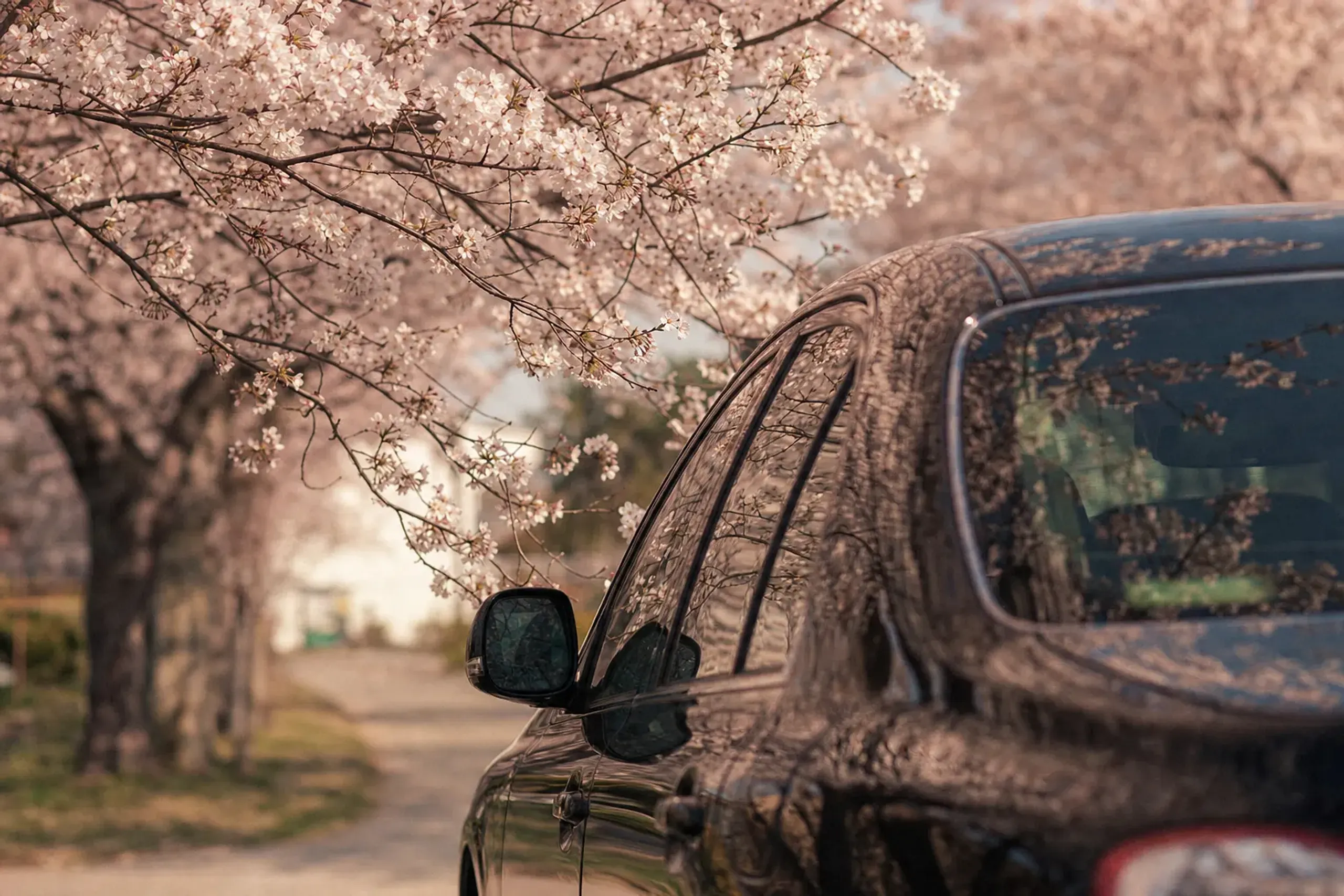
Navigating Hokkaido requires comfortable private transport to cover its immense distances.
The Reality Of Scale: Why Driving Governs Everything
Hokkaido is vast. Big mistake.
That is what we tell travelers who try to sample the island from a single base in Sapporo. The landscapes are separated by considerable distances, and the rail network thins out quickly once you leave the main commuter corridors. You cannot rely on trains to reach the quietest coastlines or the deepest volcanic lakes.
Driving is not merely an option here; it is the fundamental mechanism of the trip. Securing premium private transportation transforms the journey. Our chauffeurs navigate the sweeping, empty roads while you observe the transition from agricultural plains to dense wilderness from the cabin of a Lexus LM 500 or Executive Alphard.
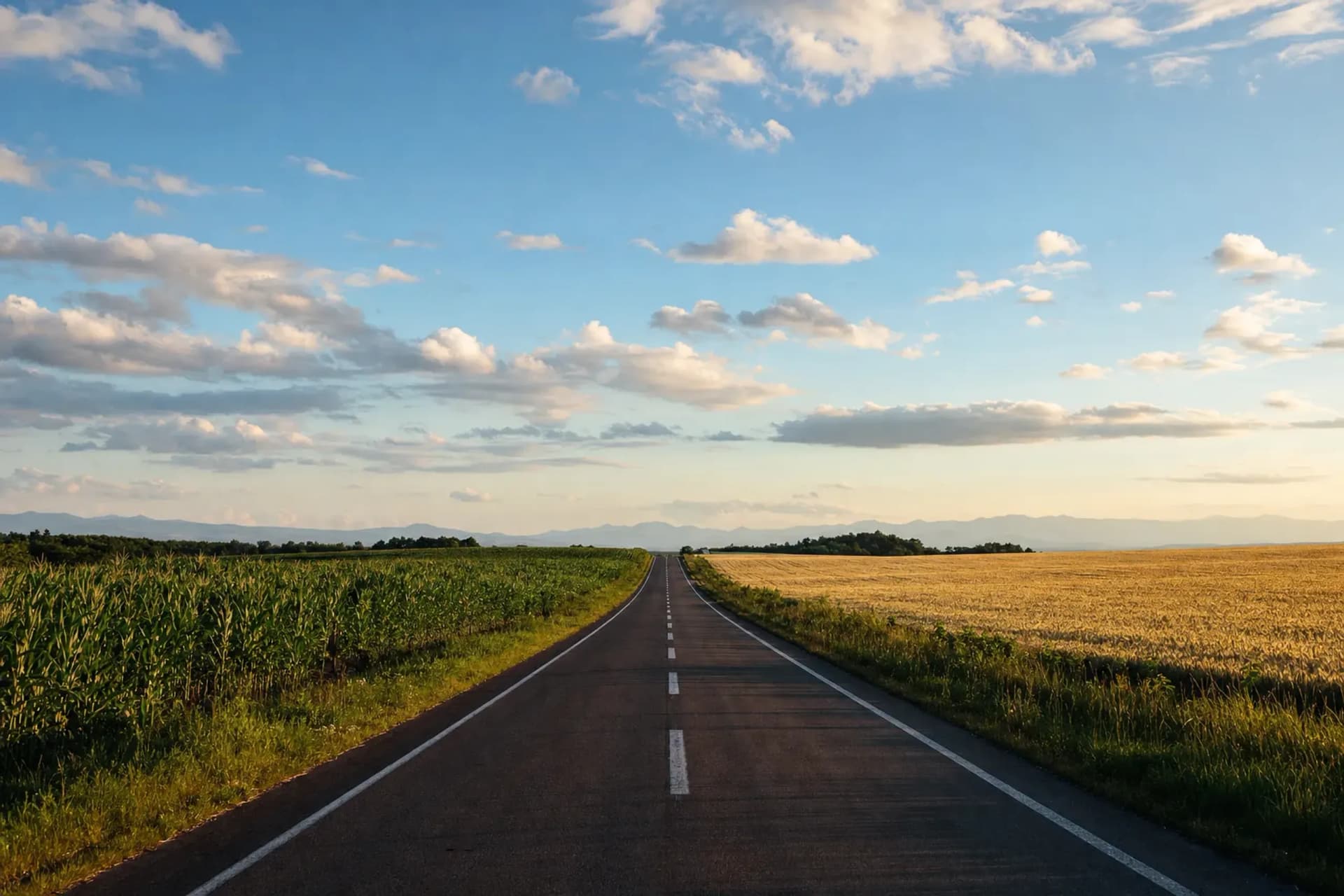
A driving day is a core part of the experience. The roads are wide and straight, flanked by birch trees and dark soil. You watch the island unfold at a pace that allows for observation rather than exhaustion.
Furano And Biei: The Cultivated Landscape
This is the Hokkaido most photographed. The land rolls in gentle, cultivated hills, blanketed in meticulously planted flower fields. By mid-summer, the region fills with deep purple and gold.
Because of its striking visual appeal, it draws significant domestic attention. We approach this area with a strategy rooted in wabi-sabi—the appreciation of quiet, unforced moments. By arriving early or selecting lesser-known vantage points, you experience the agricultural beauty without the congestion. The contrast between the dark earth and the vivid blooms is stark.
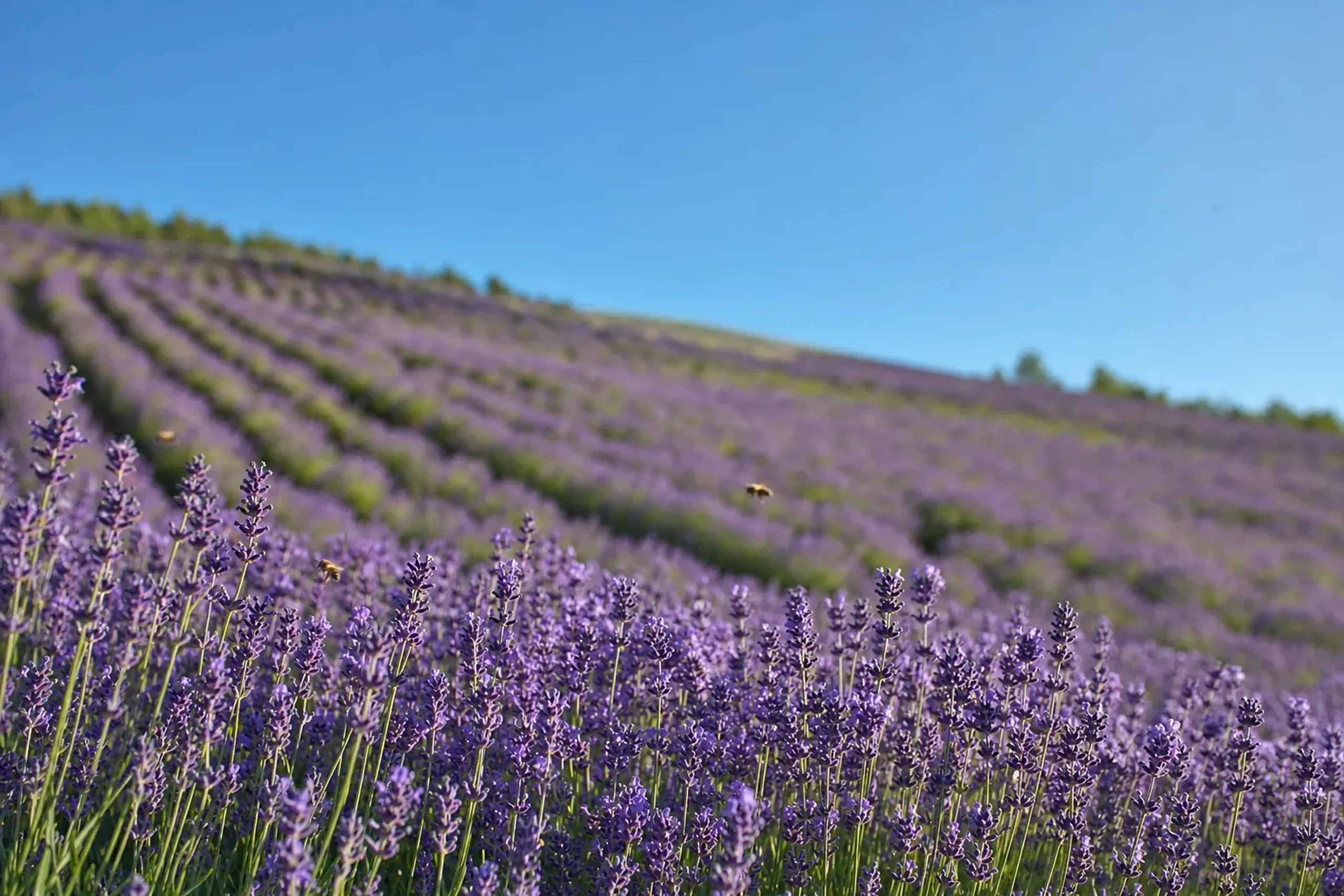
The meticulously cultivated flower fields of central Hokkaido peak in mid-summer.
Farming here is a serious pursuit. The fields are not just decorative; they are working landscapes. Observing the neat lines of crops curving over the horizon offers a sense of order and calm.
The Eastern National Parks: Lakes And Volcanic Terrain
Further east, the manicured farms vanish. In their place, you find deep crater lakes, heavy forests, and smoking volcanic vents. This is the quietest of the three main regions, positioned far from the standard tourist circuits.
It represents a genuine slice of Hidden Japan. You walk through woods where the air smells of sulfur and damp pine needles. The silence here is absolute. The water in the caldera lakes reflects the sky with alarming clarity, undisturbed by heavy boat traffic or shoreline development.
This landscape demands time. You cannot rush a volcanic plateau. You must stand at the edge of the crater, feel the wind shift, and watch the steam rise from the rocky vents.
The Shiretoko Coast: Where The Road Ends
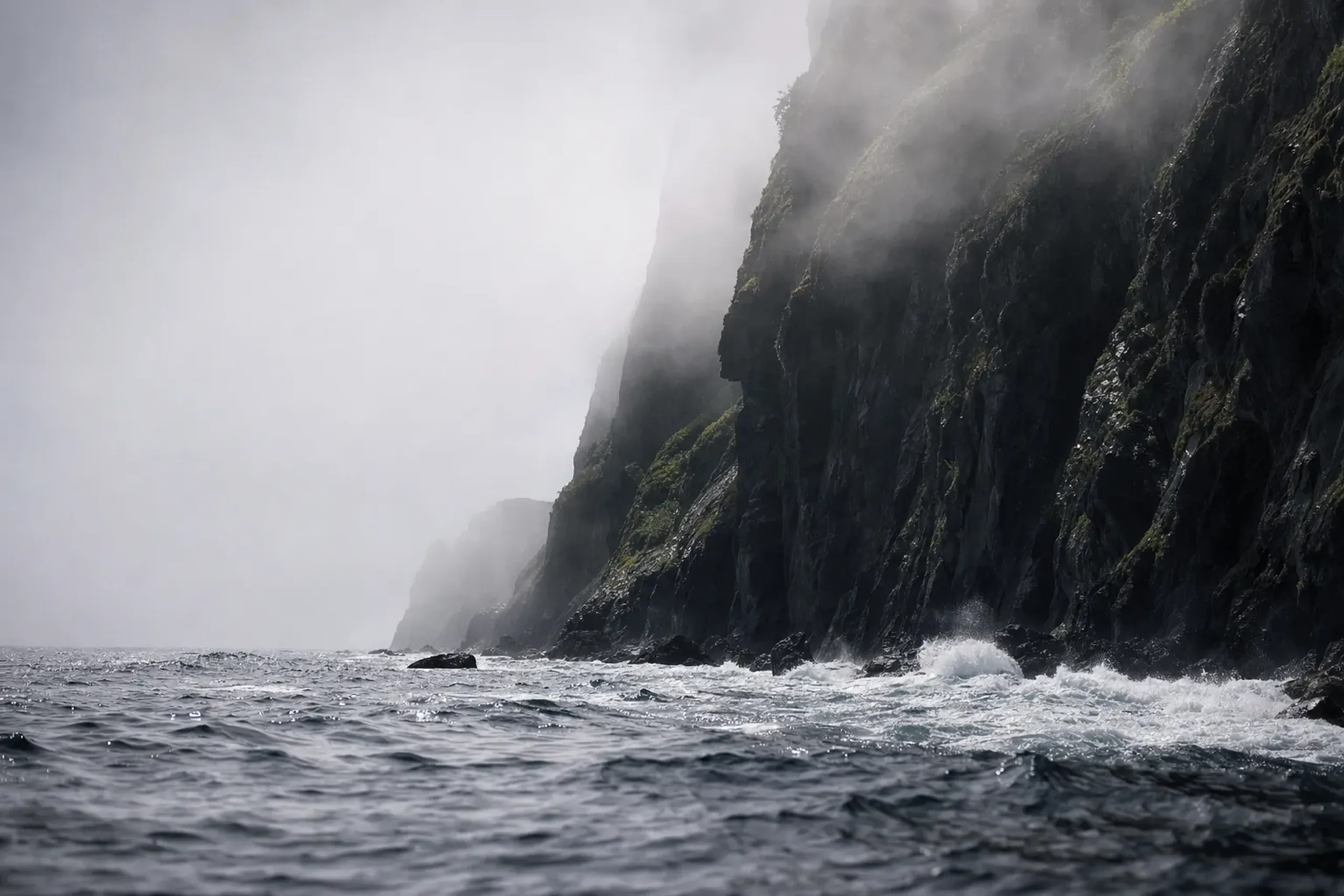
The Shiretoko Peninsula is wild, jutting sharply into the Sea of Okhotsk. Here, the focus shifts entirely to the sea and the coastal wilderness.
Weather and sea conditions dictate the schedule. Plans often change based on the wind. While the waters host diverse marine life during the warmer months, nature offers no guarantees. Fog rolls in quickly. The sea turns rough without warning.
It is a place of raw, unpolished beauty. Our guides prioritize discretion and safety, ensuring your interaction with this frontier respects both local regulations and the unpredictable environment.
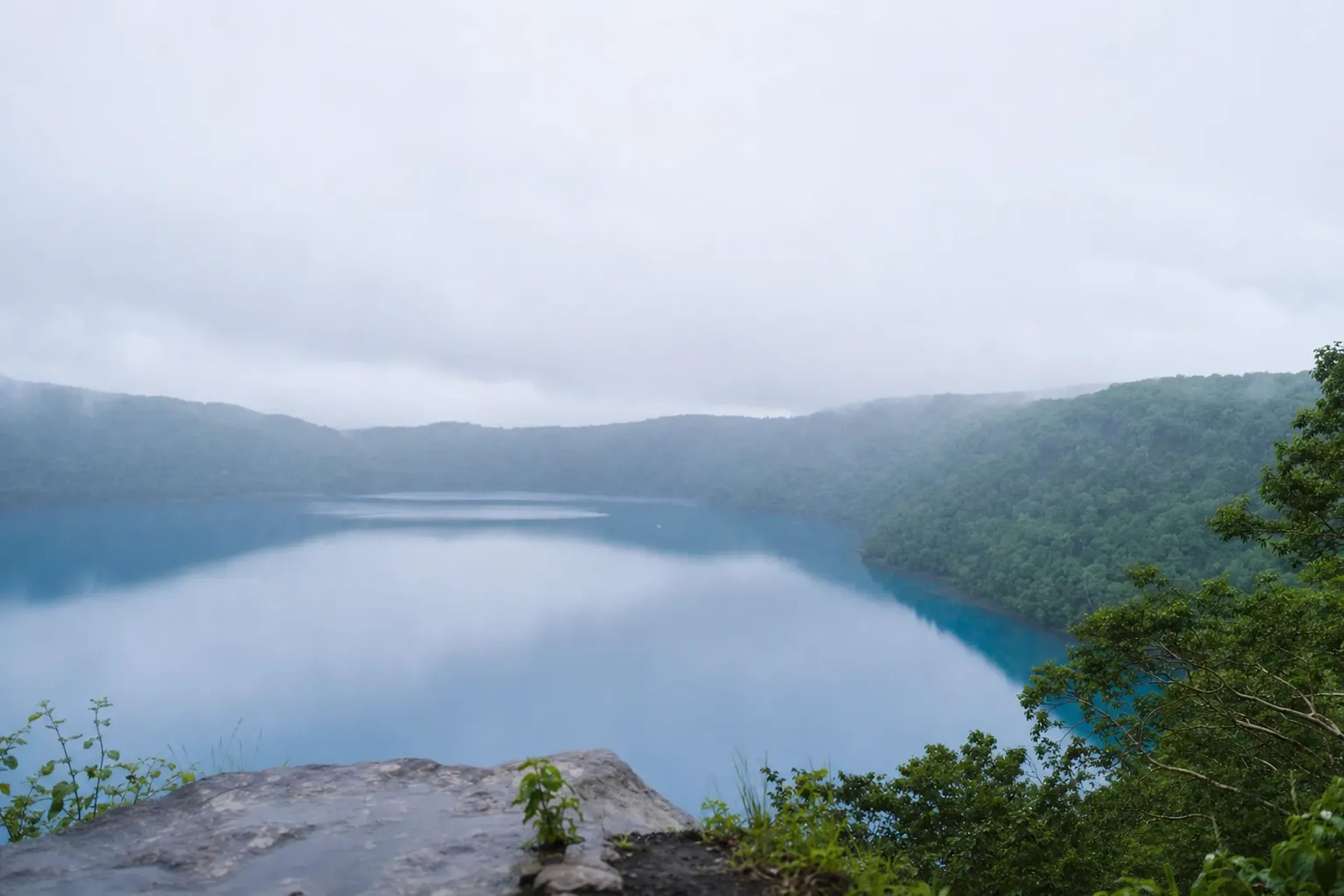
The volcanic lakes of the east offer deep silence and untouched natural beauty.
You come here to accept the terms of the wilderness, not to force a rigid itinerary.
What Are The Best Foods To Eat In Hokkaido During Summer?
Summer in Hokkaido offers exceptional cold-water seafood, fresh dairy, and sweet agricultural produce like regional melons and corn, harvested at their peak.
The island functions as the nation’s farm and fishery. Summer brings sea urchin from the northern waters, tasting briny and sweet. The local corn can be eaten raw. The dairy from the eastern pastures is uncommonly rich.
Dining here is less formal than in Kyoto. The focus is entirely on the ingredient rather than elaborate presentation. A simple bowl of seafood over rice in a coastal town often surpasses a complicated multi-course meal elsewhere.
How Many Days Do You Need For A Hokkaido Summer Trip?
You need at least seven to ten days to properly experience Hokkaido’s summer, given the immense driving distances between the central farms and the eastern wilderness.
Attempting to cover the cultivated center, the eastern lakes, and the northern coast in under a week means you will spend almost your entire trip inside a vehicle. A rushed tailor-made itinerary defeats the purpose of the region's expansive calm. If you have fewer days, we strongly recommend focusing on just one area.
Choose the farms, or choose the eastern lakes. Do not attempt both unless you have the time to sit quietly and watch the light change.
Accommodation In The North: Finding Quiet Rest
Key fact: Outside the main winter resort areas, Hokkaido’s top-tier accommodation is sparse. The right answer is often a highly regarded regional property rather than an international luxury brand.
Do not expect a dense concentration of global five-star hotels once you leave Sapporo.
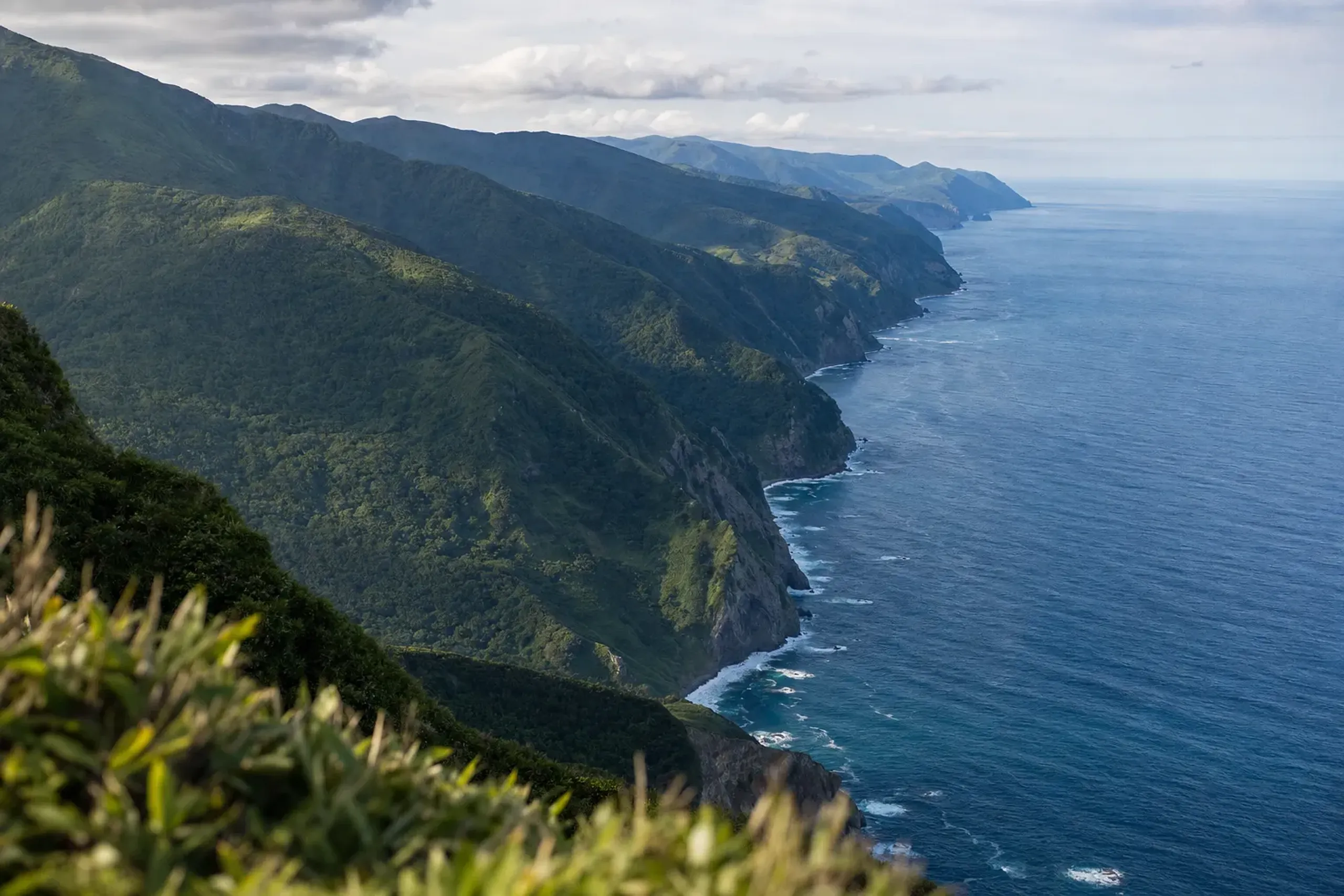
The Shiretoko coast is a raw, weather-dependent frontier.
The most rewarding stays are often subtle, regional ryokans that blend into the forest or overlook a quiet lake. The inventory of truly exceptional rooms is thin, and they command high demand.
A traditional hot spring retreat in the woods offers a deeper connection to the land than a standard hotel suite. When discussing hot springs, regional ryokans here differ greatly from mainland resort towns. For context on those southern variations, see our guide to Gero, Dōgo, or Kinosaki: Three Kinds of Onsen Town.
You bathe in mineral-rich water while looking out at white birch trees. The service is quiet. The rooms prioritize natural materials over flashy decor.
What Changes Between Early And Late Summer?
| Summer Window | Landscape & Climate Reality |
|---|---|
| Early Summer (June) | Crisp air and lingering snow on the highest peaks. The agricultural fields are just beginning to show color. The roads are exceedingly quiet. |
| Mid-Summer (July & August) | The peak bloom for the famous flower fields and the warmest days. This is the festival window in Sapporo, bringing social energy to the city base. |
| Late Summer (September) | The sharp transition. Air cools significantly in the evenings. The first hints of autumn appear in the northernmost elevations. |
Late summer brings an early chill, signaling the start of the autumn sweep down the country.
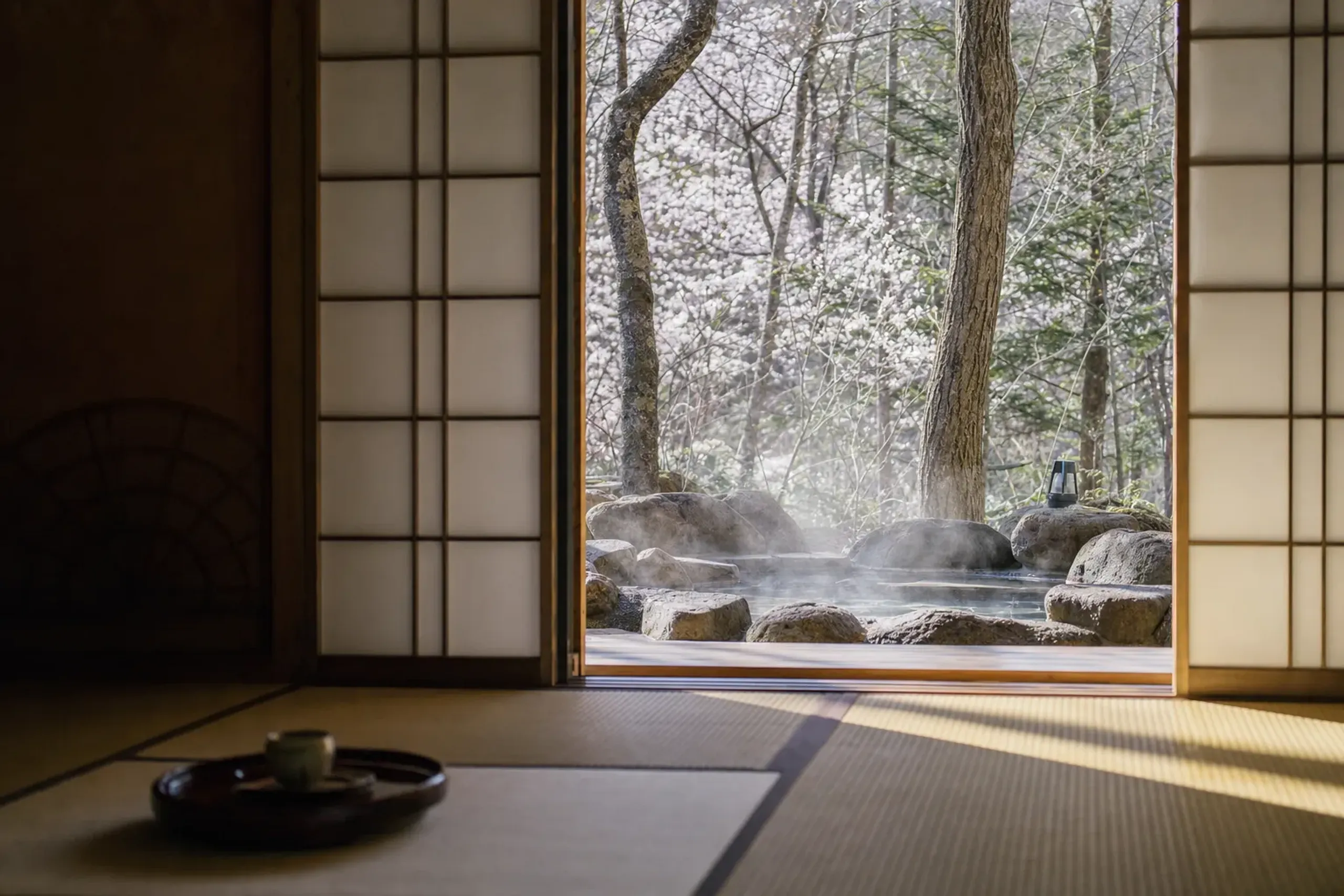
The finest rest in Hokkaido is often found in quiet regional properties nestled in the woods.
For a look at how that color travels southward, read about Tohoku in Autumn: Where the Colour Arrives First.
Who Should Not Choose Hokkaido In Summer?
This destination requires specific tastes. If you seek intricate temple architecture or minimal transit times, you will find it frustrating. There are no ancient shrines hiding in these woods.
If you require dense urban nightlife, Hokkaido will disappoint you outside of a brief stay in Sapporo. For that specific after-hours energy, look south. See The Tokyo Evening: What the City Is For After Dark to understand mainland pacing.
Hokkaido is for travelers who appreciate open space. It is for those who are comfortable with hours of scenic driving and who prefer the sound of wind over city traffic.
Frequently Asked Questions
Is it possible to explore Hokkaido in summer using only trains?
While trains connect major cities, they do not reach the remote national parks or coastal wilderness effectively. Relying solely on rail severely limits your access to the region's best natural landscapes.
Do I need to book summer accommodation far in advance?
Yes, premium regional properties and luxury bases fill up months ahead of the summer season. The limited inventory of high-end lodging means last-minute arrangements often require significant compromises in location.
Is wildlife viewing guaranteed on the Shiretoko coast?
No, wildlife sightings are completely dependent on nature and weather conditions. Fog, wind, and animal movements mean that no responsible guide will ever guarantee an encounter in the wild.
Can I hire a private driver for the entire Hokkaido journey?
Hiring a private chauffeur is the standard method for luxury travel in Hokkaido. It transforms long transit hours into a private, comfortable touring experience without the stress of navigation.
Why Choose Japan Royal Service?
Our team at Japan Royal Service approaches Hokkaido with a deep understanding of its immense scale. We design bespoke itineraries that respect the vast distances, ensuring your days are paced for observation rather than exhaustion.
In our experience, a successful northern journey relies entirely on proper logistics. We drive Hokkaido and book accommodation across the island on behalf of our clients. From securing the right regional properties to providing a discreet, comfortable vehicle from our private fleet, we manage the mechanics of the journey so you can focus on the quiet beauty of the north.
For private coordination, reach our team directly via WhatsApp or LINE, or contact us here to shape a route against the days you have available.