In this guide
- 01The Storehouse Street And The Tamagawa
- 02Why Are The Kurayoshi Walls White Above And Black Below?
- 03The Castle-Town History And The Name
- 04Mt. Utsubuki, Utsubuki Park And The Pear Museum
- 05How Do You Reach The Kurayoshi Storehouse District?
- 06Fitting Kurayoshi Into A Tottori Stay
- 07How Japan Royal Service Arranges Kurayoshi
- 08Frequently Asked Questions
- 09Why Choose Japan Royal Service
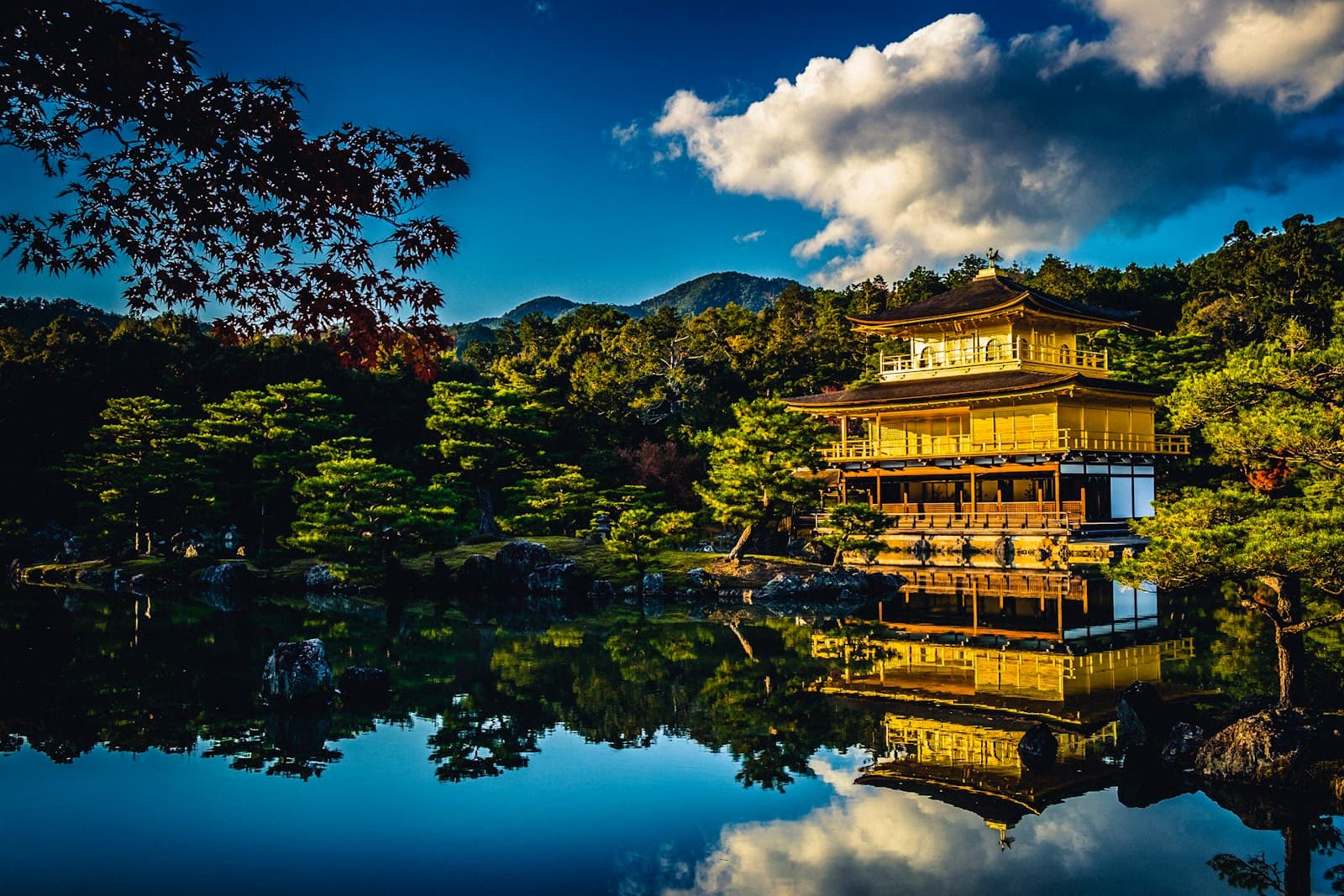
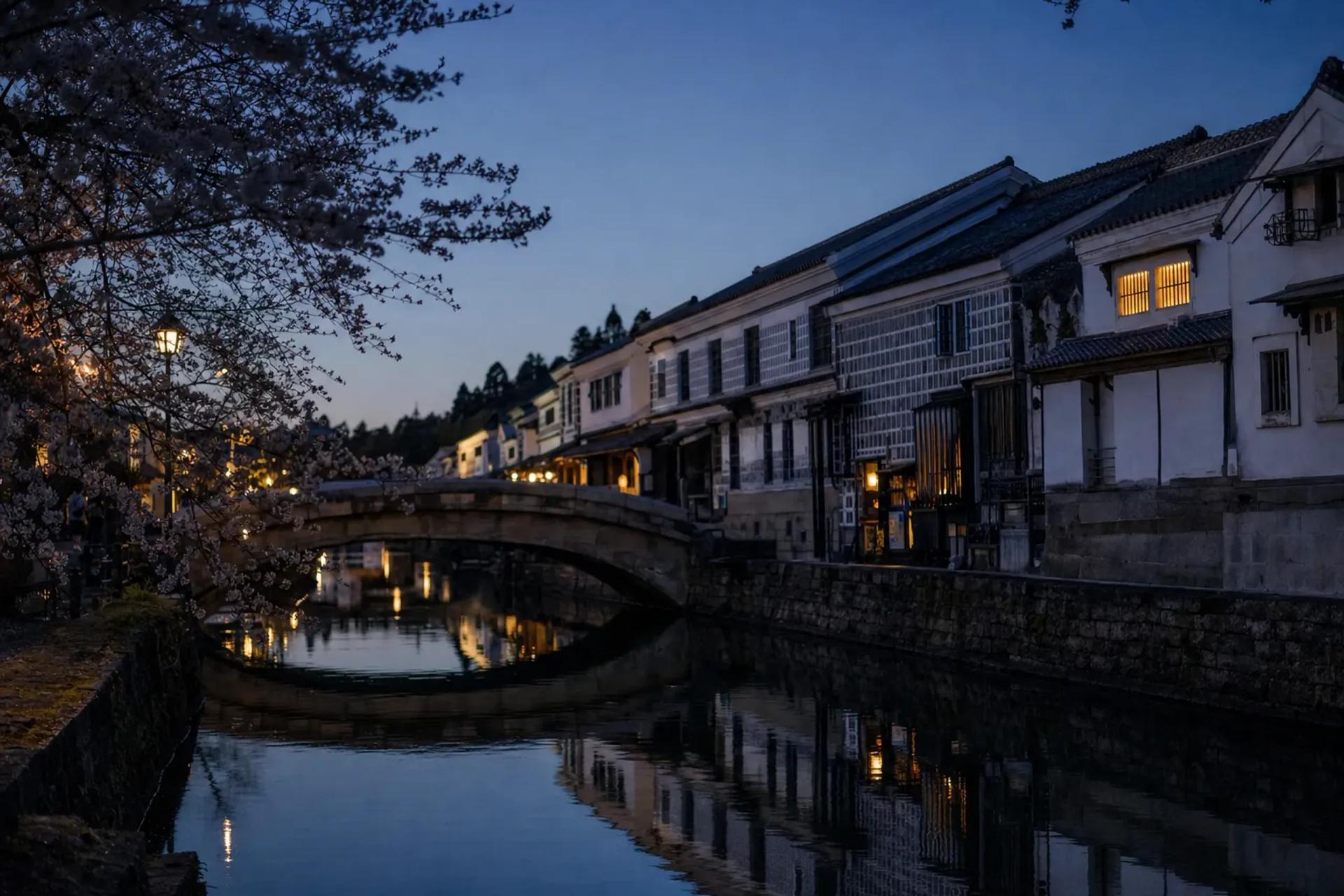
In central Tottori, a street of white-walled storehouses runs beside a narrow river. The upper walls are white plaster. The boards below are charred cedar, dark against the plaster, and the roofs are red Sekishu tiles. This is Kurayoshi, a castle town since the Muromachi period, and this guide from Japan Royal Service answers the practical questions: what you see along the Tamagawa, how the storehouses are built, how you reach the district, how long you need, and what it pairs with in Tottori.
Everything described here is open to the public. Where a time, a bus connection or which buildings are open varies, the JRS concierge team confirms directly with the guest at time of arrangement.
The Storehouse Street And The Tamagawa
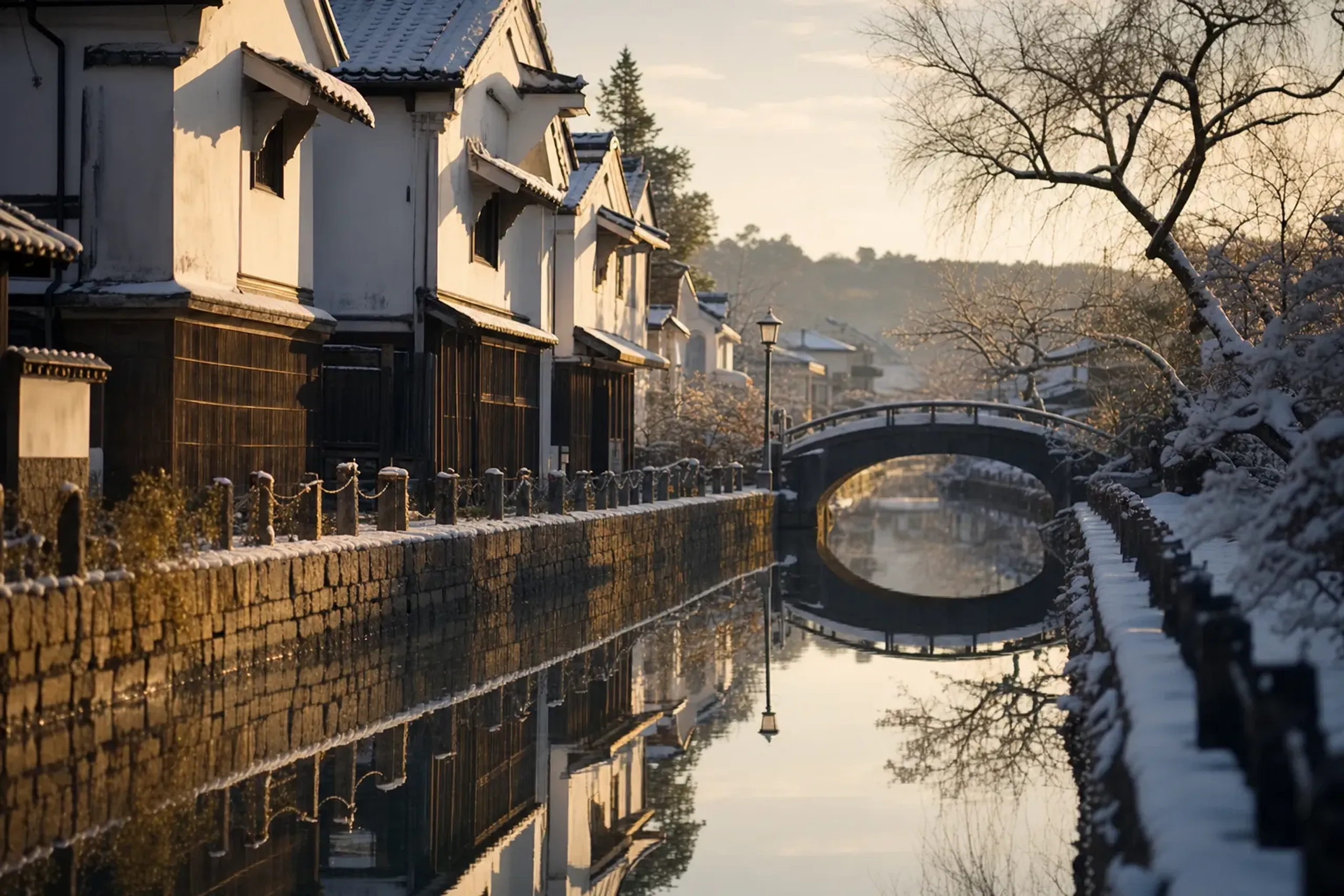
The storehouses line a street along part of the Tamagawa River. The warehouses and traditional wooden buildings here were built between the Edo period and the early Showa era. According to the Japan National Tourism Organization, the street runs around 400 metres.
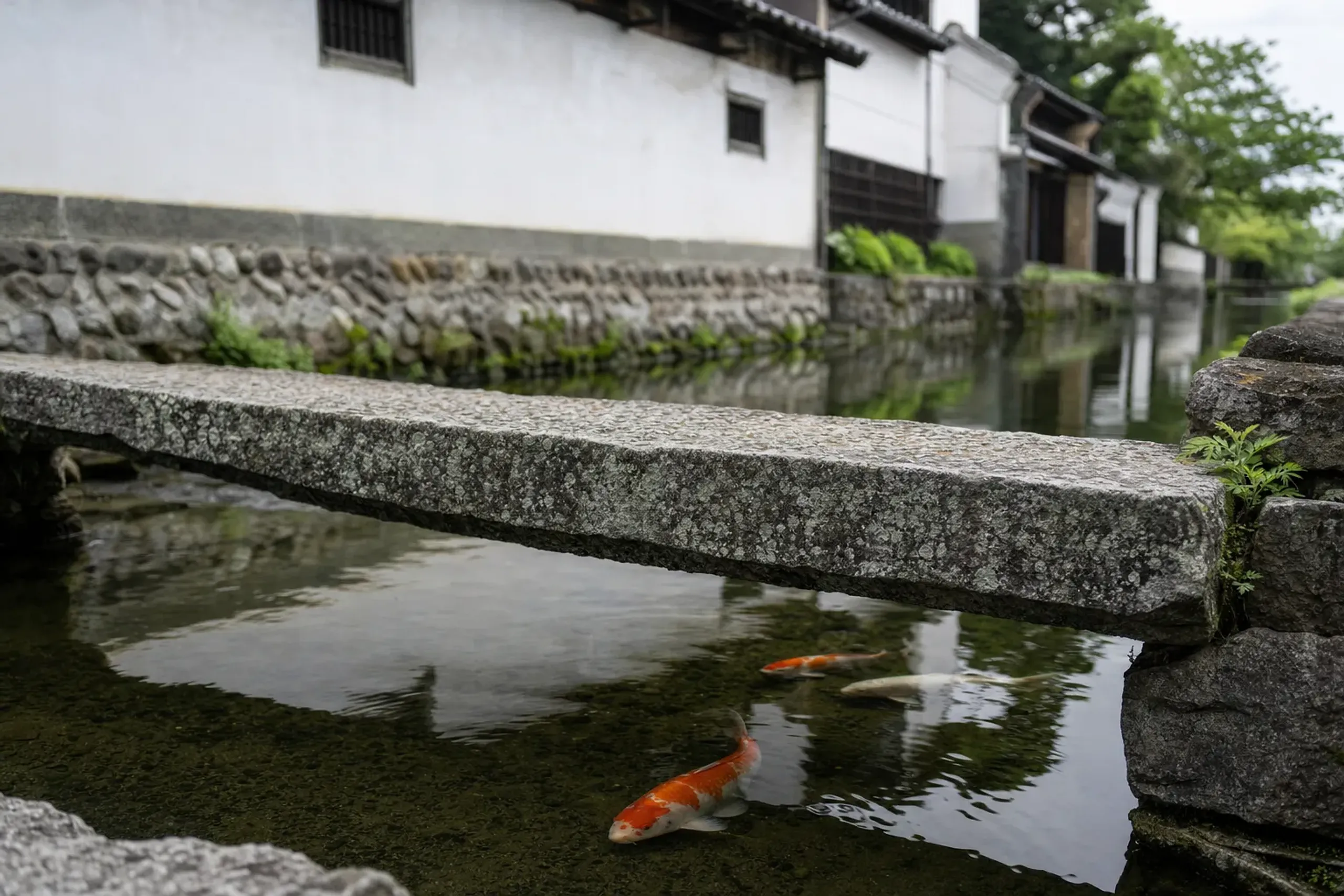
Water runs beside the buildings. The channels hold koi, and small stone bridges cross them; the Tottori prefecture tourism site notes a single-slab stone bridge among them. Across the wider district, the prefecture site records about 100 historic buildings still standing.
Kurayoshi fits into a larger Tottori itinerary as a half day.
Why Are The Kurayoshi Walls White Above And Black Below?
The upper walls are white plaster, and the lower section is black, charred cedar board — a technique used to improve fire resistance, according to the Tokyo Metropolitan Government's Edo Legacy page.
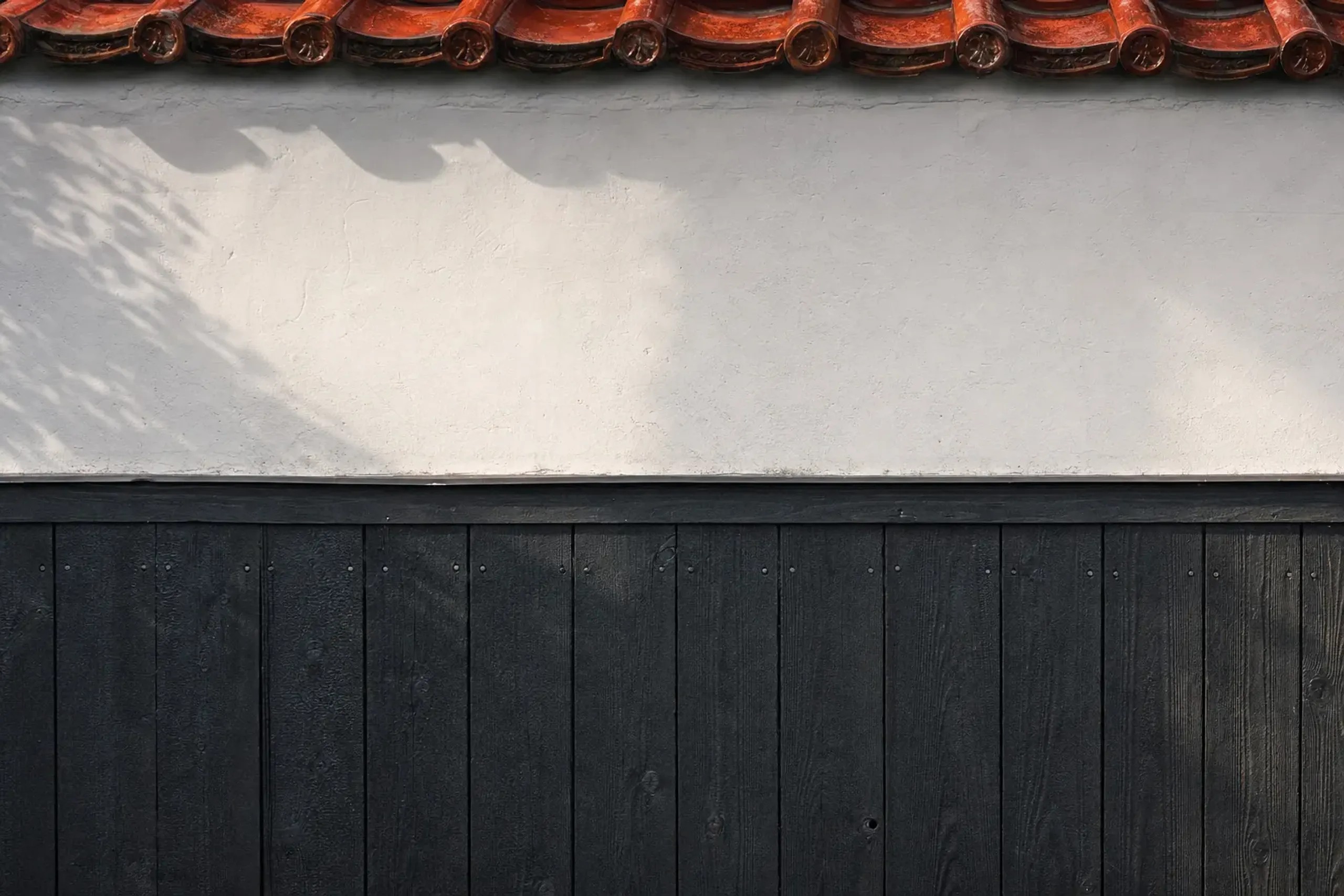
The same page records the roofs as red Sekishu tiles, made in neighbouring Shimane Prefecture and fired at over 1,200 degrees Celsius.
These three materials — white plaster, charred cedar, red Sekishu tile — are what you are looking at along the whole street.
Key fact: The storehouses combine white plaster, charred cedar board and red Sekishu tiles from Shimane, fired at over 1,200 degrees Celsius (Edo Legacy page).
The Castle-Town History And The Name
Kurayoshi developed as a castle town in the Muromachi period, between 1336 and 1573, and prospered through the Edo and Meiji periods. The Edo Legacy page records that samurai residences were built around a jinya, an administrative office, and that many of the white-walled storehouses date from that time.
The name carries its own history. JNTO notes that Kurayoshi is said to mean "Auspicious Warehouse," and that the town was the seat of power of the former Hoki region.
Mt. Utsubuki, Utsubuki Park And The Pear Museum
The storehouses stand at the foot of Mt. Utsubuki, which JNTO records as a former medieval castle site and the city's symbol. Utsubuki Park lies nearby.
The district's formal name reflects this setting: it is part of the nationally designated Important Preservation District for Groups of Traditional Buildings, the Kurayoshi Utsubuki-Tamagawa district.
The Kurayoshi plain is known for Nijisseiki pears, and the Tottori Nijisseiki Pear Museum stands in the city.
How Do You Reach The Kurayoshi Storehouse District?
From Kurayoshi Station, a city bus reaches the storehouse district in about 12 to 15 minutes, then a short walk brings you to the white-walled street. Plan the bus or a transfer into your day.
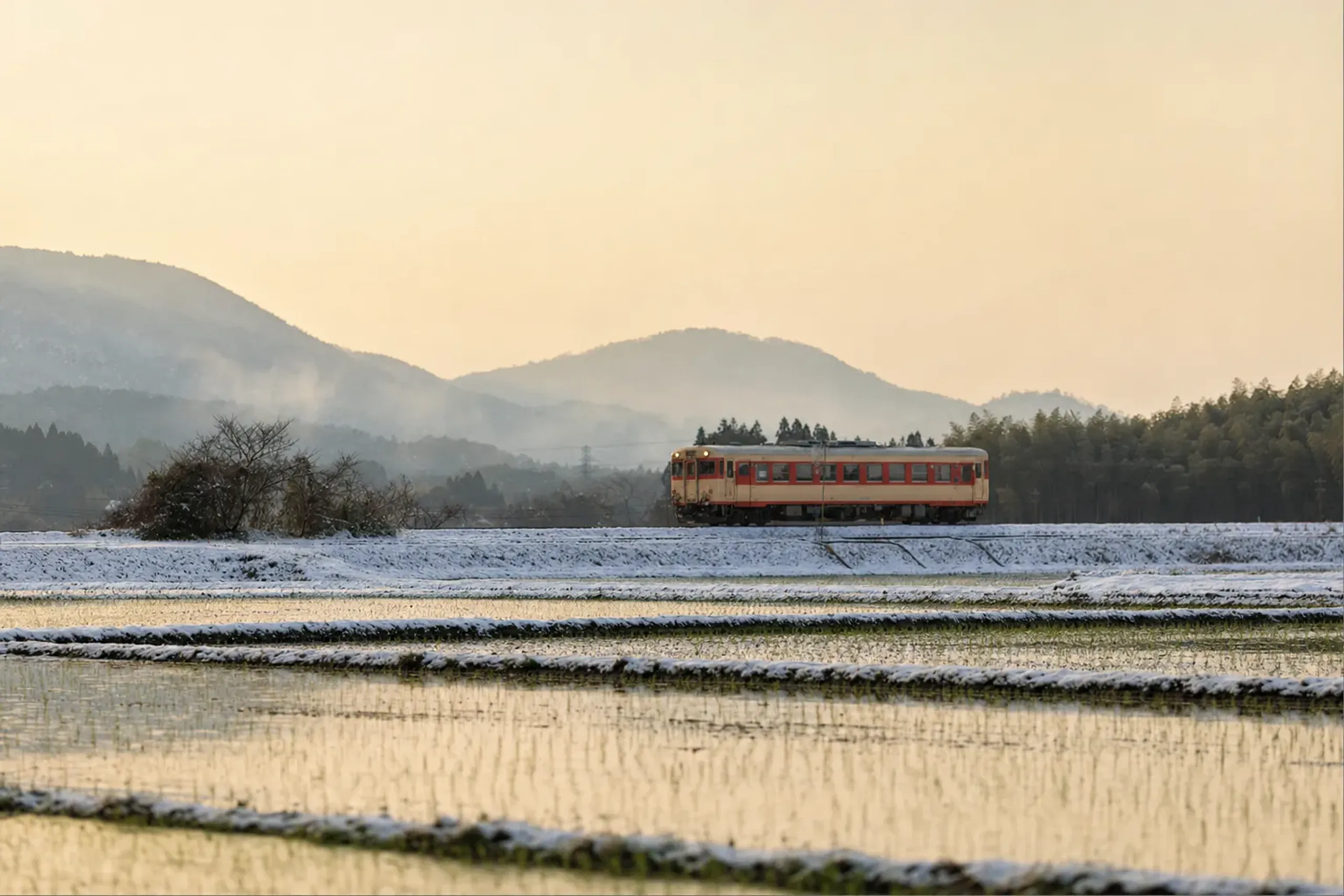
The station itself sits on the JR San-in Line. From Tottori, the line reaches Kurayoshi Station in about an hour, per JNTO.
From Osaka And Kyoto
A limited express reaches Kurayoshi from Osaka in just over three hours, with direct trains from both Osaka and Kyoto, according to JNTO.
From the station, the same bus of about 12 to 15 minutes, then the short walk, brings you to the district. The JRS concierge team confirms directly with the guest at time of arrangement the train and bus timings and which buildings are open.
Fitting Kurayoshi Into A Tottori Stay
Kurayoshi is a half-day stop. The storehouse street runs around 400 metres. That leaves the rest of a day for central Tottori's larger draws.
The Tottori Sand Dunes sit on the prefecture's coast; our guide to the Tottori Sand Dunes in summer covers them, with a dunes extension for a longer coastal day. Inland, Mount Daisen rises over western Tottori; see our Mount Daisen guide.
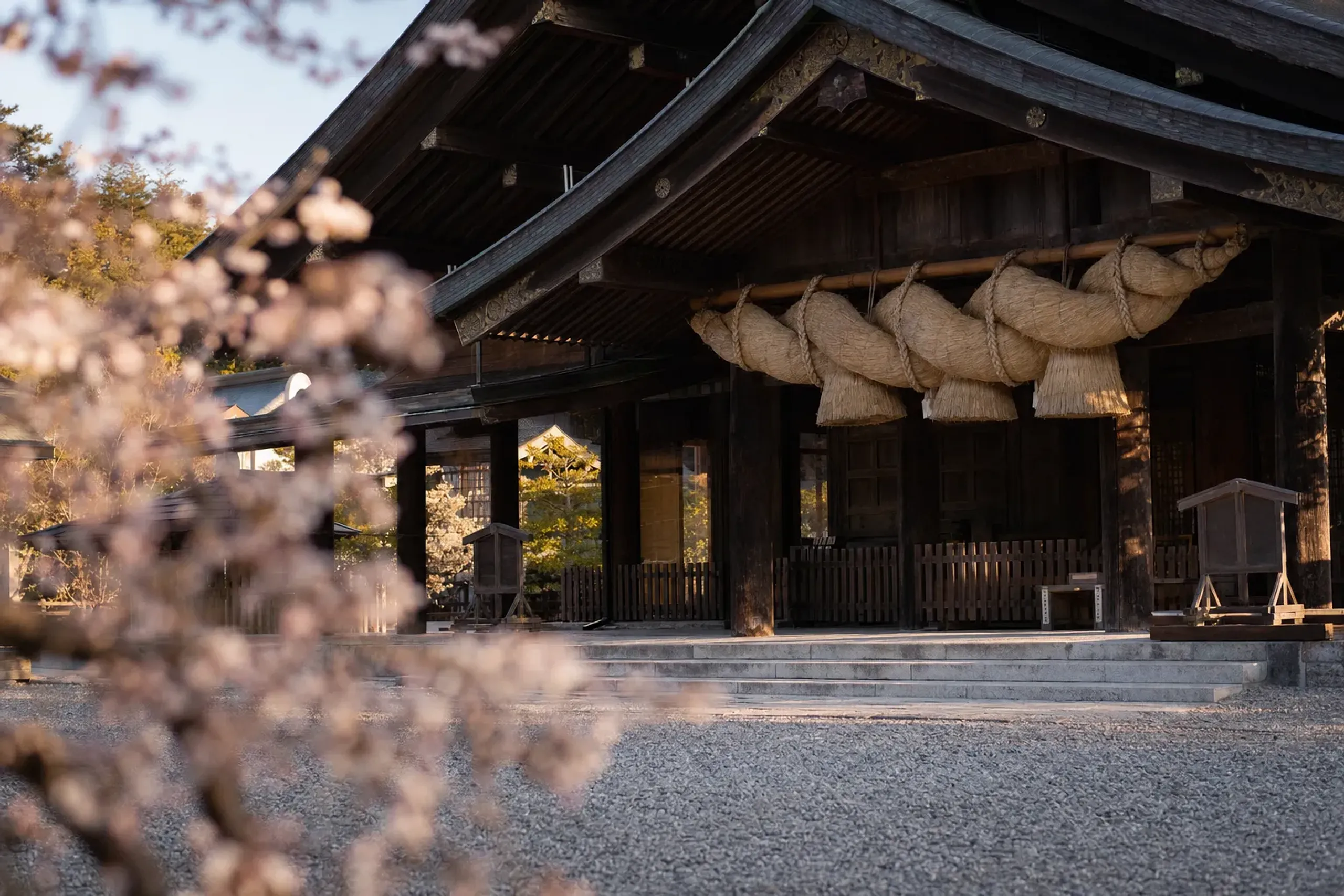
From Kurayoshi, the San-in Line also links toward Shimane, where Izumo Taisha and Matsue Castle extend a San-in route. Whether you base in Tottori and move by rail or by road depends on your group and your dates; our note on private driver versus rail sets out the trade-offs.
How Japan Royal Service Arranges Kurayoshi
Within this stop, Japan Royal Service builds Kurayoshi into a Tottori or San-in stay, as a half day or a full day, paired with the Sand Dunes or Mount Daisen. The JRS concierge team shapes the day around your arrival point and the time you have.
- Planning: Kurayoshi set into a wider Tottori or San-in itinerary, as a half day or a day.
- Guiding: an English-speaking cultural interpreter guide for the storehouse district, booked separately from the driver.
- Transfer: a vehicle from a partner company with an English-speaking driver between Tottori, Kurayoshi Station and the district, and onward to the Sand Dunes or Mount Daisen.
- Accommodation and meals: ryokan and restaurant booking in Tottori prefecture, with dietary needs passed ahead.
- Rail: tickets to Kurayoshi, including Green Car where available, platform assistance and luggage forwarding.
- Same-day re-planning when weather changes.
The driver and the guide are separate roles. The JRS concierge team confirms directly with the guest at time of arrangement the train and bus timings and which buildings are open.
Frequently Asked Questions
What Are The Kurayoshi White-Walled Storehouses?
They are a street of warehouses and traditional wooden buildings in central Tottori, built between the Edo period and the early Showa era, running around 400 metres along the Tamagawa River. The street is part of a nationally designated preservation district.
Why Are The Storehouse Walls White Above And Black Below?
The upper walls are white plaster and the lower section is black, charred cedar board, a technique used to improve fire resistance, according to the Tokyo Metropolitan Government's Edo Legacy page. The roofs use red Sekishu tiles from Shimane.
How Do You Reach The District From Kurayoshi Station?
From Kurayoshi Station, a city bus reaches the storehouse district in about 12 to 15 minutes, followed by a short walk.
How Long Does It Take From Tottori To Kurayoshi?
The JR San-in Line reaches Kurayoshi Station from Tottori in about an hour, per JNTO. Direct limited express trains also run from Osaka in just over three hours, and from Kyoto.
Why Choose Japan Royal Service
Japan Royal Service plans tailor-made itineraries across Tottori and the San-in region, placing Kurayoshi where it fits your dates and pace. Our concierge team handles rail tickets, platform assistance and luggage forwarding, arranges vehicles from partner companies with English-speaking drivers, and books an English-speaking cultural interpreter guide for the storehouse district.
We build the half day at Kurayoshi alongside the Sand Dunes or Mount Daisen, arrange ryokan and restaurant booking in Tottori prefecture with your dietary needs passed ahead, and re-plan the same day when weather changes. Everything is confirmed directly with you at time of arrangement.
To begin planning, contact our team here.