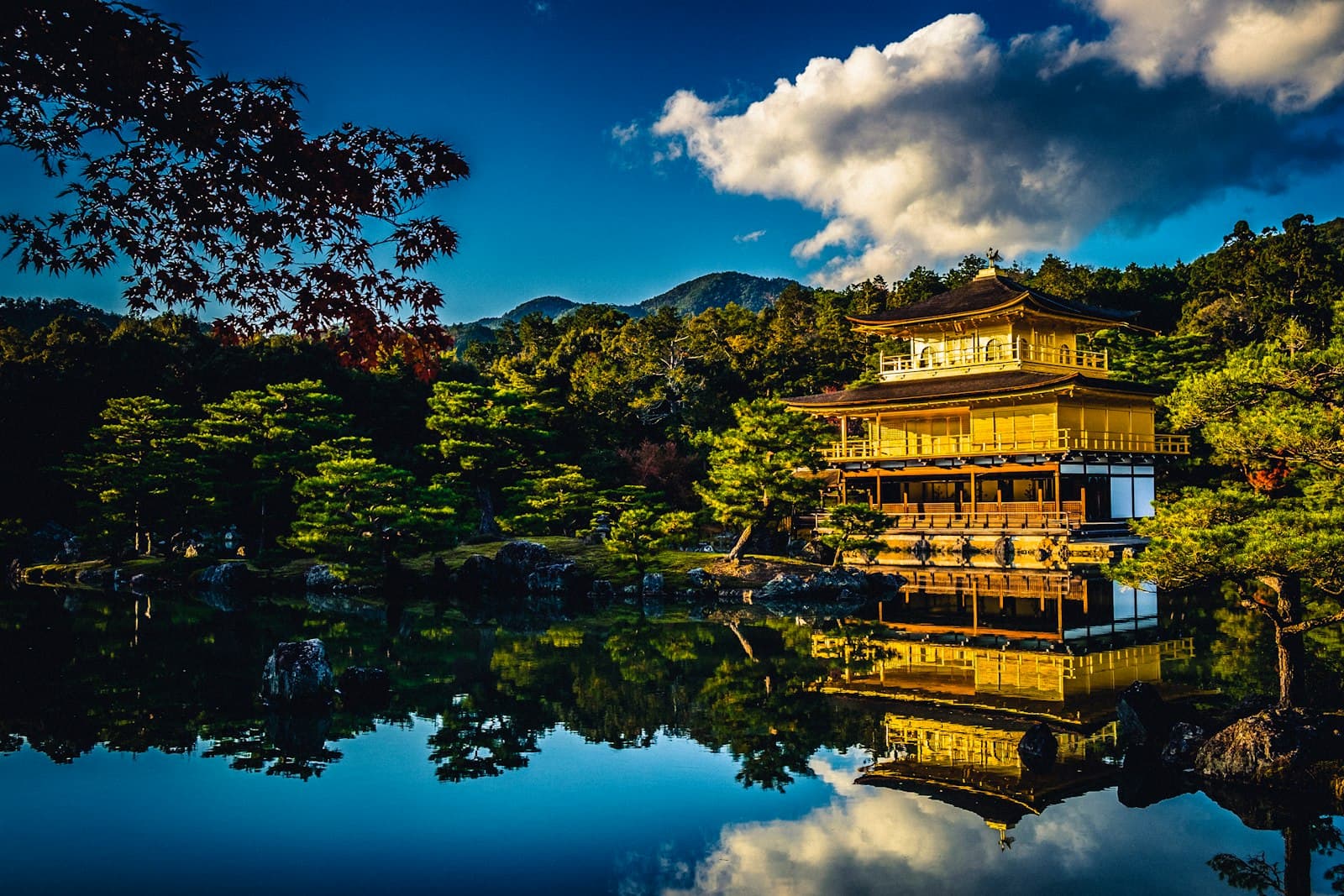
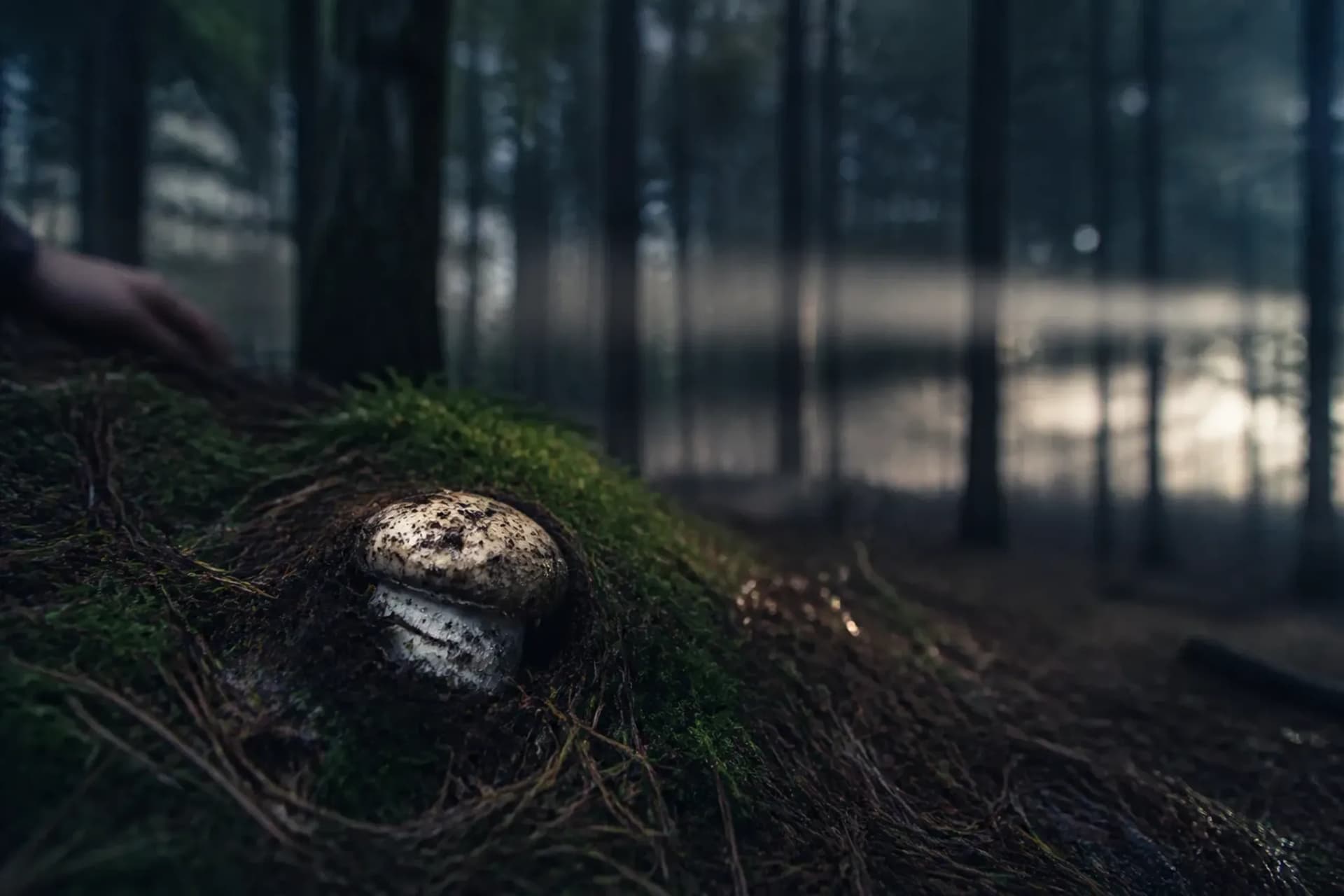
Before you see it, you smell it. A warm, resinous sweetness threaded through cold pine air, closer to spice than to earth. In autumn, that scent is the signal the Japanese kitchen waits for all year. It is the smell of matsutake, and for more than a thousand years it has meant one thing in Japan: the season has turned.
This guide covers what matsutake is, why it stays rare, when the season runs, why the forests where it grows are guarded, and the dishes that make an autumn table in Japan. It is a guide to the season and the meal, not to picking.
Why Matsutake Holds Such A Grip On The Japanese Autumn
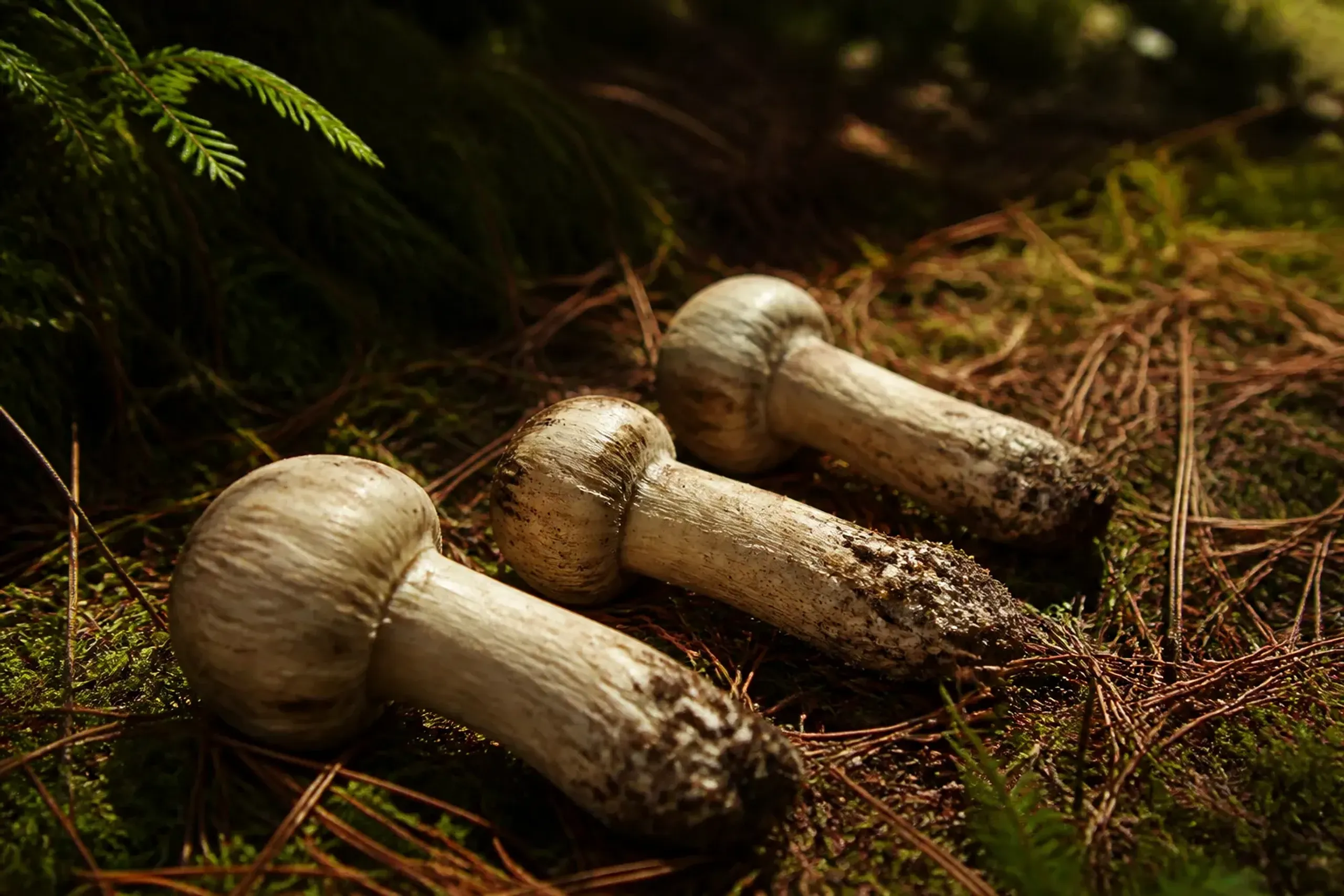
Matsutake is prized in Japan for its aroma rather than its flavour. Sliced thin and barely cooked, it gives off a scent the Japanese have written poetry about for centuries. The Man'yōshū, the oldest anthology of Japanese verse, already celebrates that fragrance as the smell of autumn. The word matsutake appears in the Shūi Wakashū, a tenth-century imperial anthology.
It resists the market in a way that keeps it rare. Japan's Ministry of Agriculture, Forestry and Fisheries states that matsutake cannot be farmed; cultivation remains unfeasible. It grows wild, in a living relationship with red pine, and the only way to encourage it is to tend the forest itself. MAFF describes a forest-improvement approach developed in Kyoto Prefecture from 1978, the so-called Kyoto method, which involves clearing mid-layer trees and humus to improve the conditions matsutake needs. Even then, nothing is promised. The mushroom answers to weather, soil and decades of care.
That rarity is ecology, not marketing. Pine wilt disease has pressured red pine forests across Japan, and where the pine declines, the matsutake follows.
A Long History At The Autumn Table
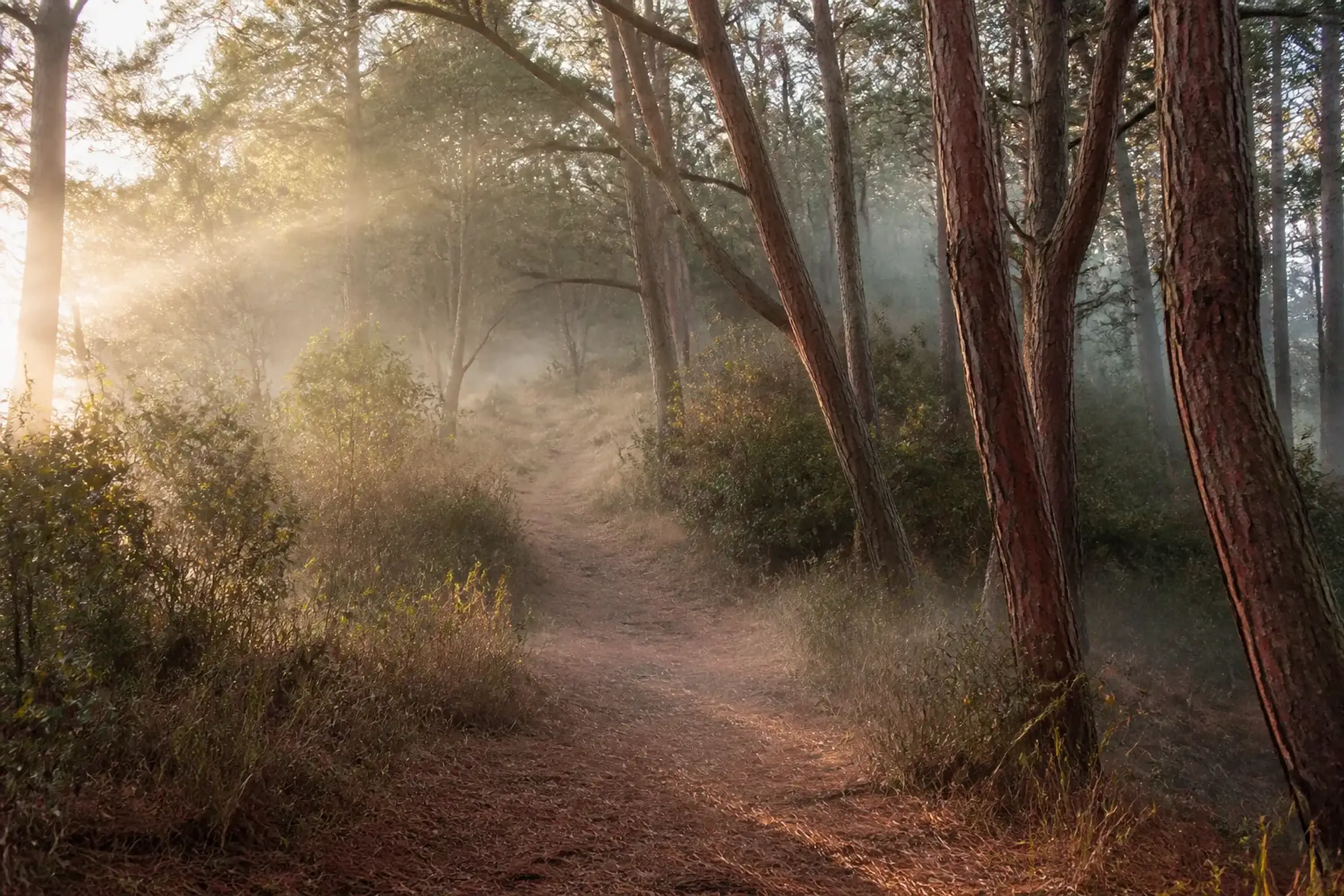
The autumn outing to gather matsutake is called matsutake-gari, 松茸狩り. From early on it was an aristocratic pastime.
Nobles of the Kamakura period were known to go on matsutake outings. In the Edo period the daimyō took it up as autumn recreation, Tokugawa Mitsukuni, remembered across Japan as Mito Kōmon, among them. Later the custom spread through the Kamigata region, and autumn matsutake markets appeared in Kyoto and Osaka, where the arrival of the first mushrooms was an event in its own right.
That history explains why matsutake still arrives on Japanese menus with a sense of occasion. When the first ones appear in autumn, restaurants and ryokan build menus around them.
Why The Forests Are Guarded
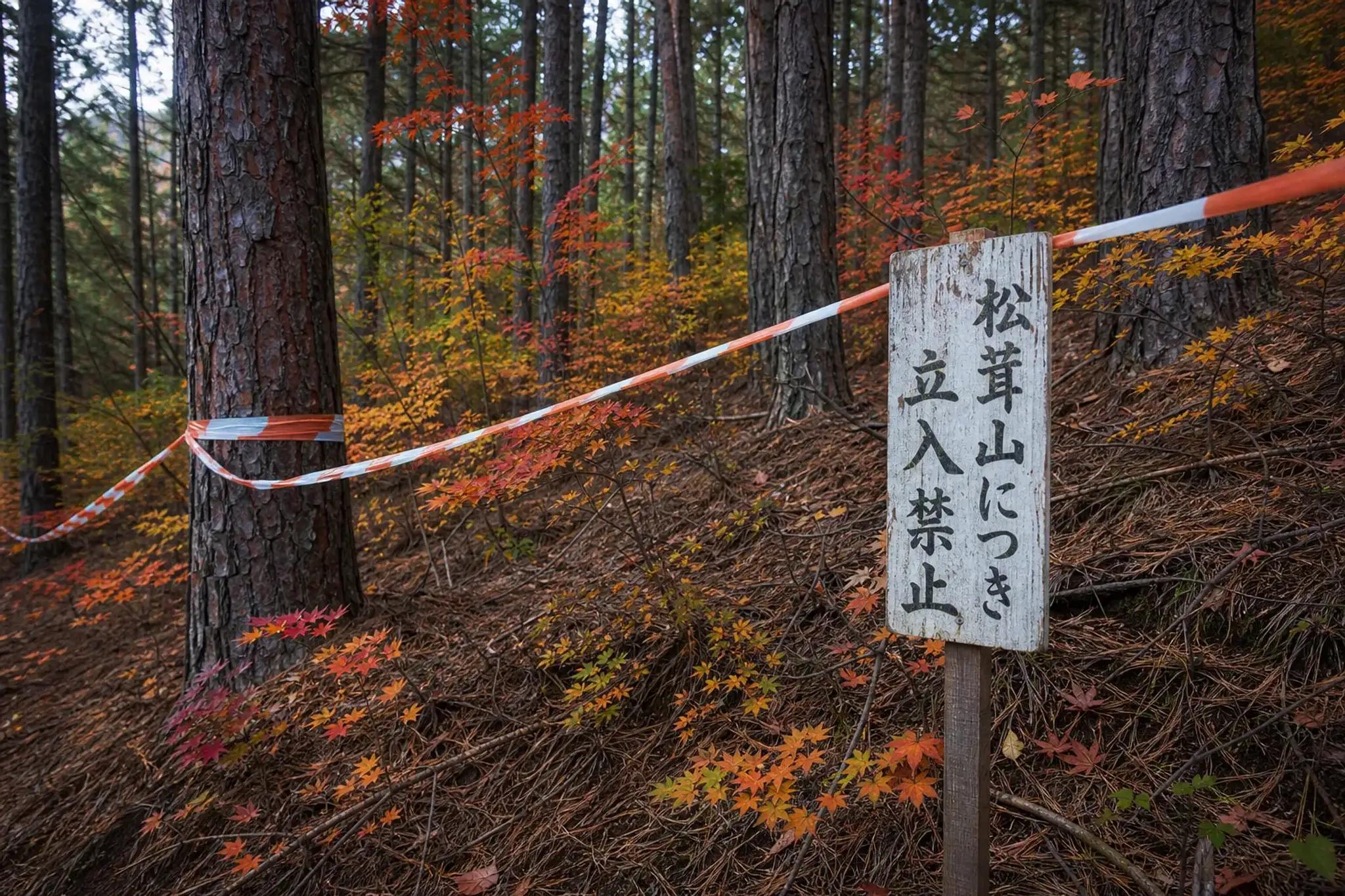
If you walk in pine country in autumn, you may notice coloured tape strung between trees and signs reading 入山禁止 (nyūzan kinshi, "do not enter") or マツタケ採取禁止 (matsutake saishu kinshi, "matsutake picking prohibited"). These mark private matsutake ground. The forests belong to their owners or to the holders of picking rights, and picking there without permission is prohibited and prosecuted.
Wild mushrooms also carry a second, practical risk: Japan sees cases of poisoning from toxic species that resemble edible ones every autumn. That is another reason this guide stays at the table rather than in the forest.
Nagano And The Matsutake Season
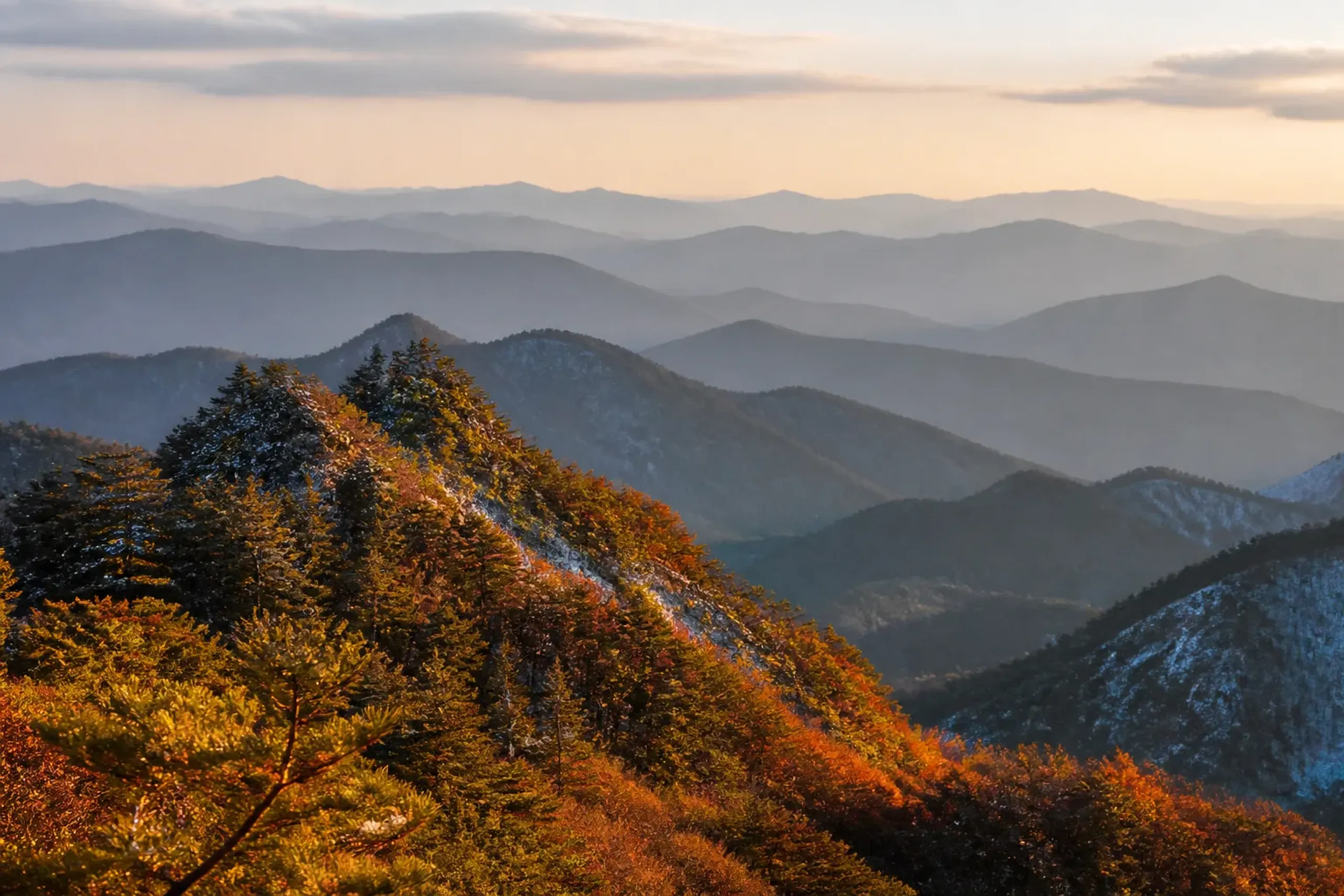
Nagano is known for its wild mushrooms, and the Ueda area is named among the country's leading matsutake-producing areas. Around Shioda-daira, seasonal matsutake huts open each autumn and serve set meals built around the mushroom.
On timing: MAFF places the season from September to early November. Treat that as a range, never a fixed date. Altitude shifts it, and so does weather; a warm October can push the season late. Supply on any given week depends on the year, so the JRS concierge team confirms seasonal menus directly with the guest at time of arrangement.
The Table: The Classic Matsutake Dishes
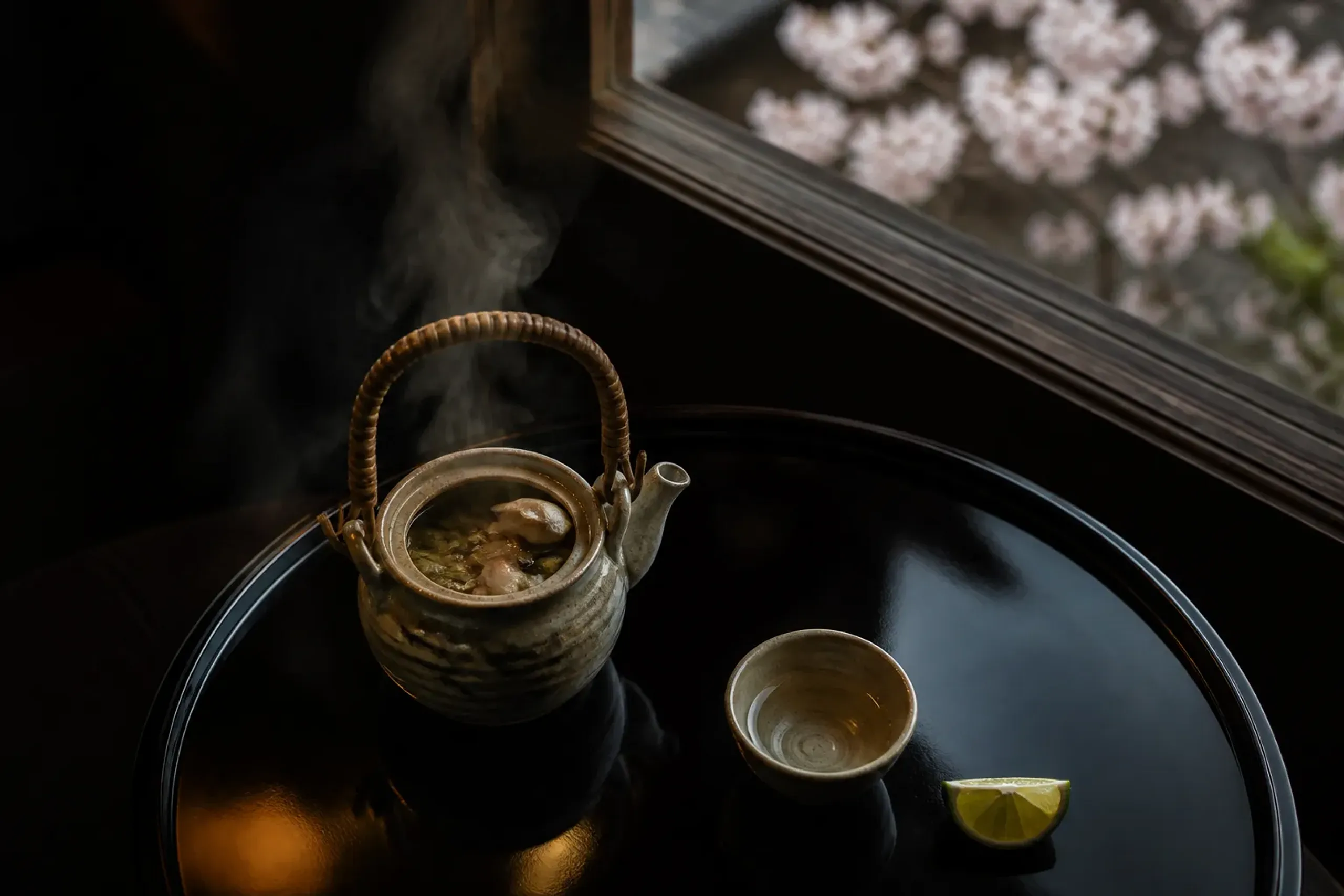
The table is where most travellers meet matsutake, and the classic preparations are worth planning a meal around.
Dobin-Mushi
The signature autumn dish. Matsutake, a little chicken or white fish, sometimes ginkgo and mitsuba, steamed inside a small clay teapot with a delicate dashi. You pour the broth into a tiny cup, squeeze a wedge of sudachi over it, and drink. The aroma comes up off the cup before the liquid reaches you.
Grilled Over Charcoal
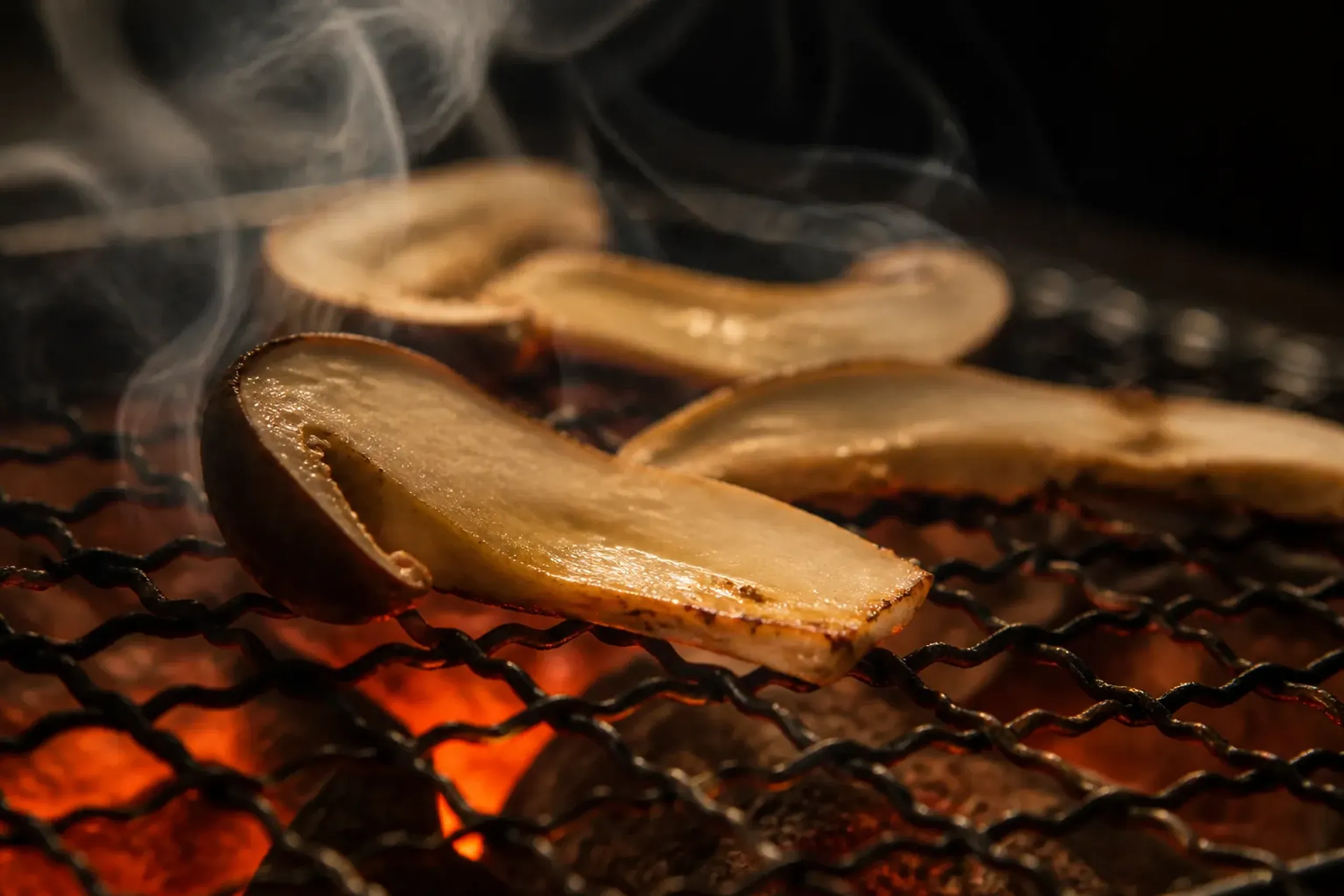
The simplest expression. Whole matsutake, torn rather than cut, grilled briefly over binchōtan until the edges catch, then eaten with a squeeze of citrus and a few grains of salt. This is where the scent is strongest.
Sukiyaki And Matsutake Rice
Sliced matsutake folded into a sukiyaki, or laid over rice and steamed so the whole pot takes on the fragrance: matsutake gohan. Simple food, built on one ingredient.
How To Plan A Matsutake Meal
Matsutake appears on autumn kaiseki menus at ryokan and restaurants across Japan, usually from September into November. A few points help:
- Book ahead. Autumn menus are set by the kitchen, and seasonal courses fill early.
- Say so when you book. If matsutake is the reason for the meal, the request can be passed to the kitchen in advance.
- Expect the menu to follow the season. In a lean year, a kitchen may use less or change the dish.
For more on choosing between kaiseki, kappō and a sushi counter, see Sushi, Kaiseki or Kappō. For autumn colour to pair with the season, see Oirase Stream and Lake Towada and The Best Time to Visit Japan.
Questions We Are Often Asked
When is matsutake season in Japan?
MAFF places it from September to early November. It varies each year with weather and altitude.
Can matsutake be farmed?
No. According to MAFF, cultivation remains unfeasible. Matsutake grows wild with red pine, which is why supply depends on the forest and the year.
Is it legal to pick matsutake in Japan?
Matsutake forests are generally private. Guarded ground is marked with tape and 入山禁止 signs, and picking there without permission is prohibited and prosecuted.
Where can I eat matsutake?
On autumn kaiseki menus at ryokan and restaurants, and at the seasonal matsutake huts around Shioda-daira in Nagano.
How JRS Arranges It
Japan Royal Service arranges the autumn meal and the journey around it:
- ryokan and restaurant booking, with the seasonal request and any dietary needs passed ahead
- vehicles from partner companies with English-speaking drivers, for example a day from Tokyo into Nagano
- English-speaking guides, booked separately from drivers
- a tailor-made itinerary that places the meal within an autumn trip
To begin planning, contact our team here.