In this guide
- 01The Core Problem: One Japan Itinerary, Three Sets Of Needs
- 02Mobility, Honestly: The Physical Friction Most Itineraries Hide
- 03How Do You Plan A Multi-Generational Japan Trip Without Crowds Or Waiting?
- 04Pacing: Build The Afternoon Split On Purpose
- 05Meal Timing: The Constraint That Shapes Every Day
- 06Children Specifically: Car Seats, Cots, Familiar Food, And Attention Span
- 07Rooms And Why Large Parties Need To Book Early
- 08Transport For A Mixed Party: When A Vehicle Beats Rail
- 09What To Book Earliest, And Why Large Parties Close Out First
- 10What To Leave Out: The Overpacked Itinerary That Breaks The Trip
- 11Should Part Of The Family Travel Separately For A Few Days?
- 12How Do I Add Shokunin-Level Private Learning For Kids And Grandparents?
- 13How Do I Build A Bespoke Multi-Generational Japan Itinerary That Actually Works?
- 14Frequently Asked Questions
- 15Why Choose Japan Royal Service
You are planning one trip for three different bodies, appetites, and attention spans. A standard itinerary usually fits the middle generation best. That is the failure mode. Japan is unforgiving when you get this wrong.
The Core Problem: One Japan Itinerary, Three Sets Of Needs
A three-generation trip breaks when you plan it like a couple’s trip plus “add kids.” Quietly, the grandparents start opting out. The children get restless. The parents spend the day negotiating instead of traveling.
In our experience, the winning structure is not a longer checklist. It is a smaller map. You pick one reliable base, add short, appointment-based learning, and build a daily “release valve” where the group can split without friction.
That is what “zero-friction” means in Japan. It is not a vibe. It is a system.
Mobility, Honestly: The Physical Friction Most Itineraries Hide
This is the hardest constraint, so it has to be handled first. No romance. Japan’s most rewarding spaces often assume you are comfortable with floor-level living, narrow circulation, wet stone, and a lot of steps.
If you wait until arrival to discover the friction, the trip turns into triage. Big mistake. The right approach is to match the plan to mobility needs before any commitments are made, because the physical layout of a stay and the shape of a day cannot be “fixed” by enthusiasm.
Floor Seating And Low Tables: The Quiet Dealbreaker
Many traditional meals are served at low tables, sometimes with floor seating. That can be genuinely difficult for older travelers, or for anyone with knee and hip limitations.
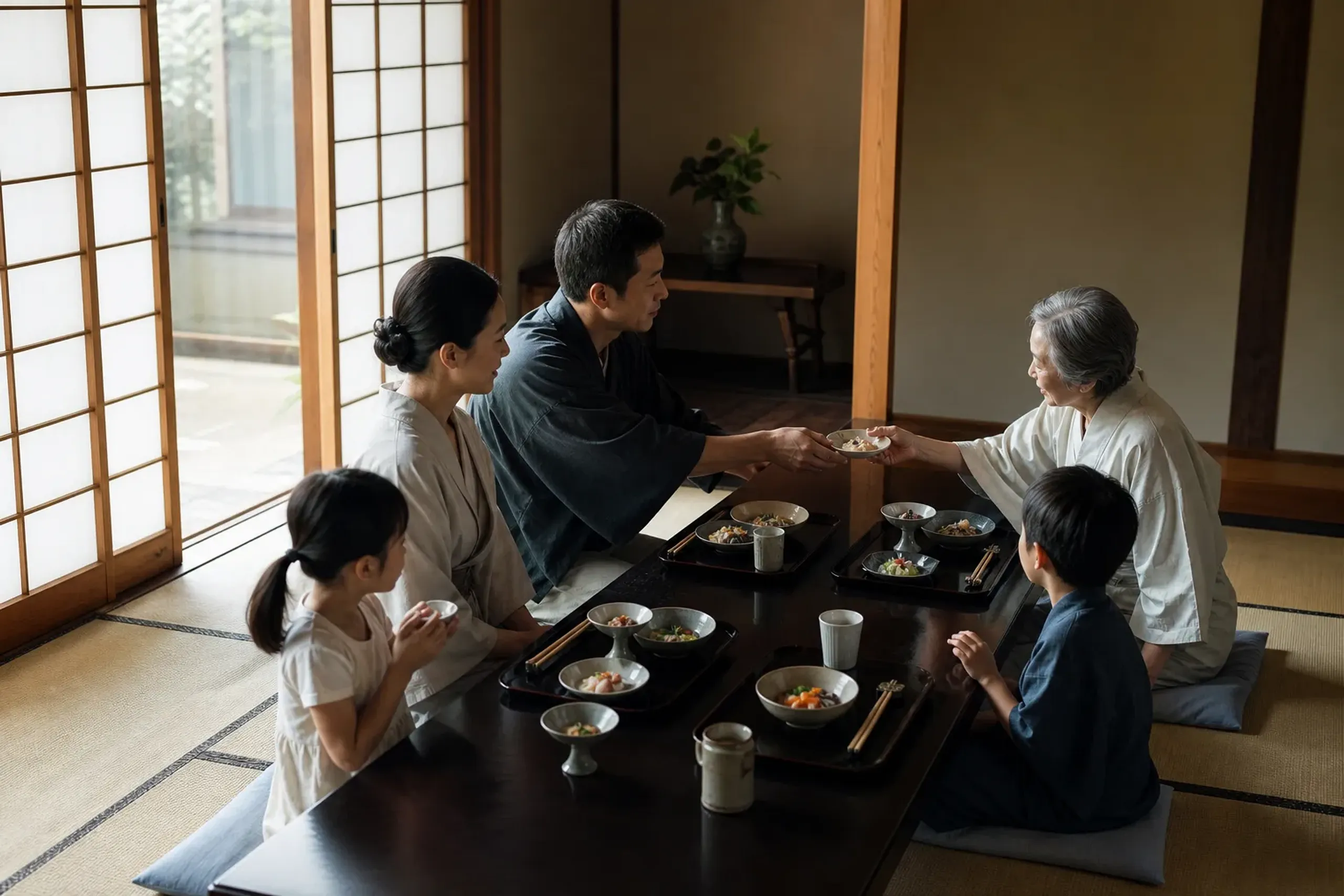
It is also tiring over a multi-course dinner, even if everyone is trying to be polite.
Some dining rooms may offer chair seating, and some may have leg wells at the table. Others may not. The point is not to assume. The point is to design a trip where the main dinners do not become endurance events.
Futon Versus Beds: Night-Time Matters More Than You Think
Sleeping arrangements can decide the next day’s mood. Futon on tatami is part of the classic Japan image, but floor-level sleeping changes everything: getting up at night, mattress firmness, and how easy it is to stand in the morning.
For a mixed party, you want clarity upfront on whether beds are available, and what the room’s layout means for walking space at night. Small details. Huge consequences.
Deep Baths, Steps, And Wet Stone
Bathing areas often involve steps, thresholds, and wet surfaces. That combination can make some guests cautious, and it can slow down the evening rhythm for the whole group. It is not about avoiding bathing culture. It is about knowing what the environment asks of the body.
Even outside bathing areas, older properties can have level changes and narrow passages. A trip that expects quick movement from room to room is a trip that will keep leaving someone behind.
Stations And Temples: The Day Is Built On Stairs
In Japan, a “simple” outing can contain more stairs than you notice on a solo trip.
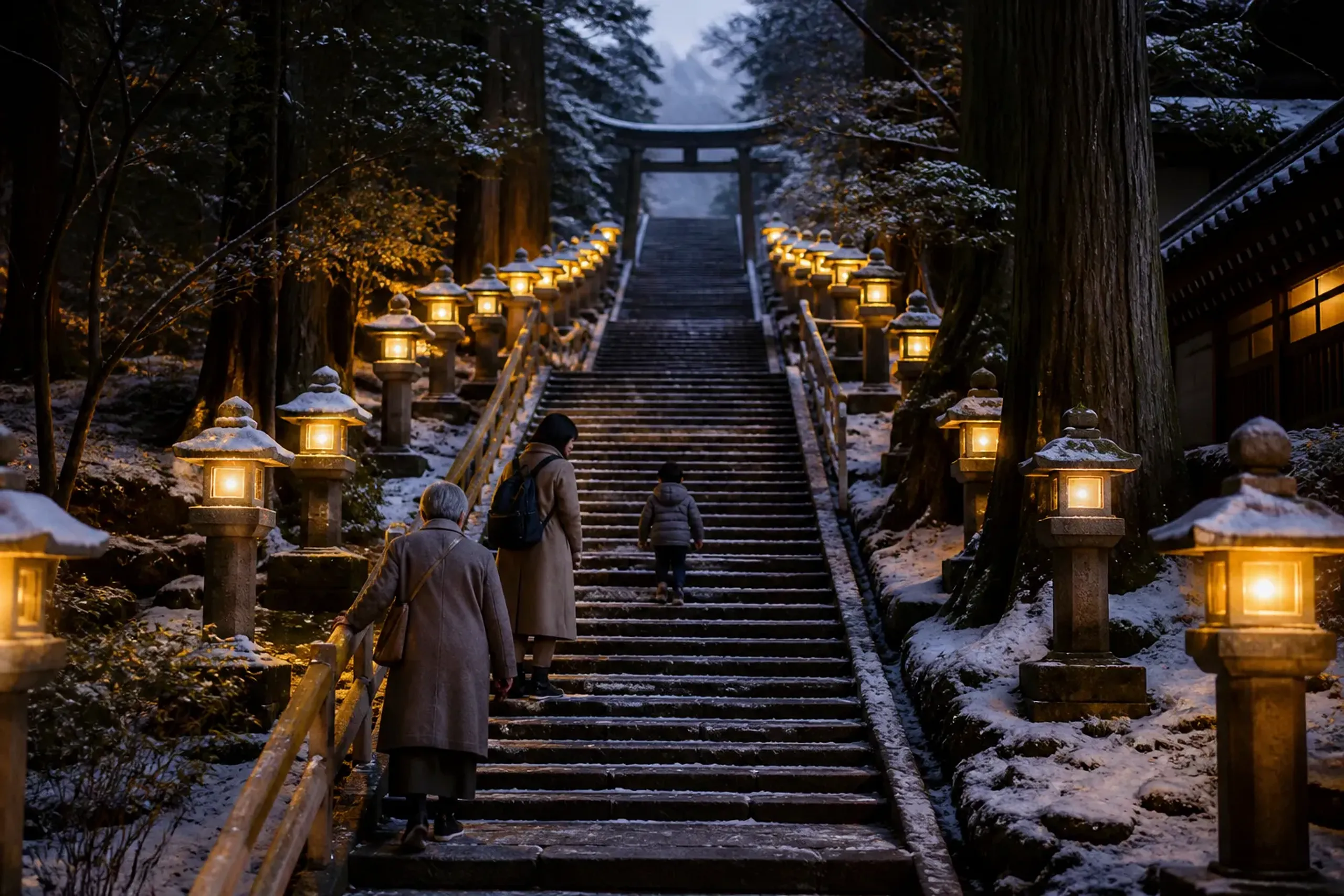
Stations can mean long walks, platform changes, and crowded escalator choke points at the exact moment you are trying to keep a group together.
Temples and shrines can include steep approaches, gravel paths, uneven stone, and long standing periods. Beautiful, yes. But the physical ask is real, and it stacks across days.
Key fact: For three generations, mobility matching is not a “nice to have.” It is the difference between one shared trip and three parallel trips.
Wabi-Sabi Comfort: Restraint Can Be Easier On The Body
Wabi-sabi is often discussed as an aesthetic, but for families it can be practical. A calm base with fewer transitions reduces fatigue. So does a plan built around longer stops rather than constant movement.
When you choose spaces for quiet and ease, you get a trip that does not punish the oldest guest for being honest about their limits. You also get better attention from the youngest guest, because the day stops feeling like a sprint.
How Do You Plan A Multi-Generational Japan Trip Without Crowds Or Waiting?
Use appointment-based experiences, start earlier, and prioritize private transportation so your day isn’t built around queues, stations, and peak-hour choke points.
Japan’s inbound volume remains high. JNTO’s official estimate for May 2026 visitor arrivals was 3,559,900, and that kind of demand shows up where families feel it most: slow entrances, packed sidewalks, and long waits at the exact hour kids need food.
The practical countermeasure is to treat your itinerary like a schedule of controlled environments.
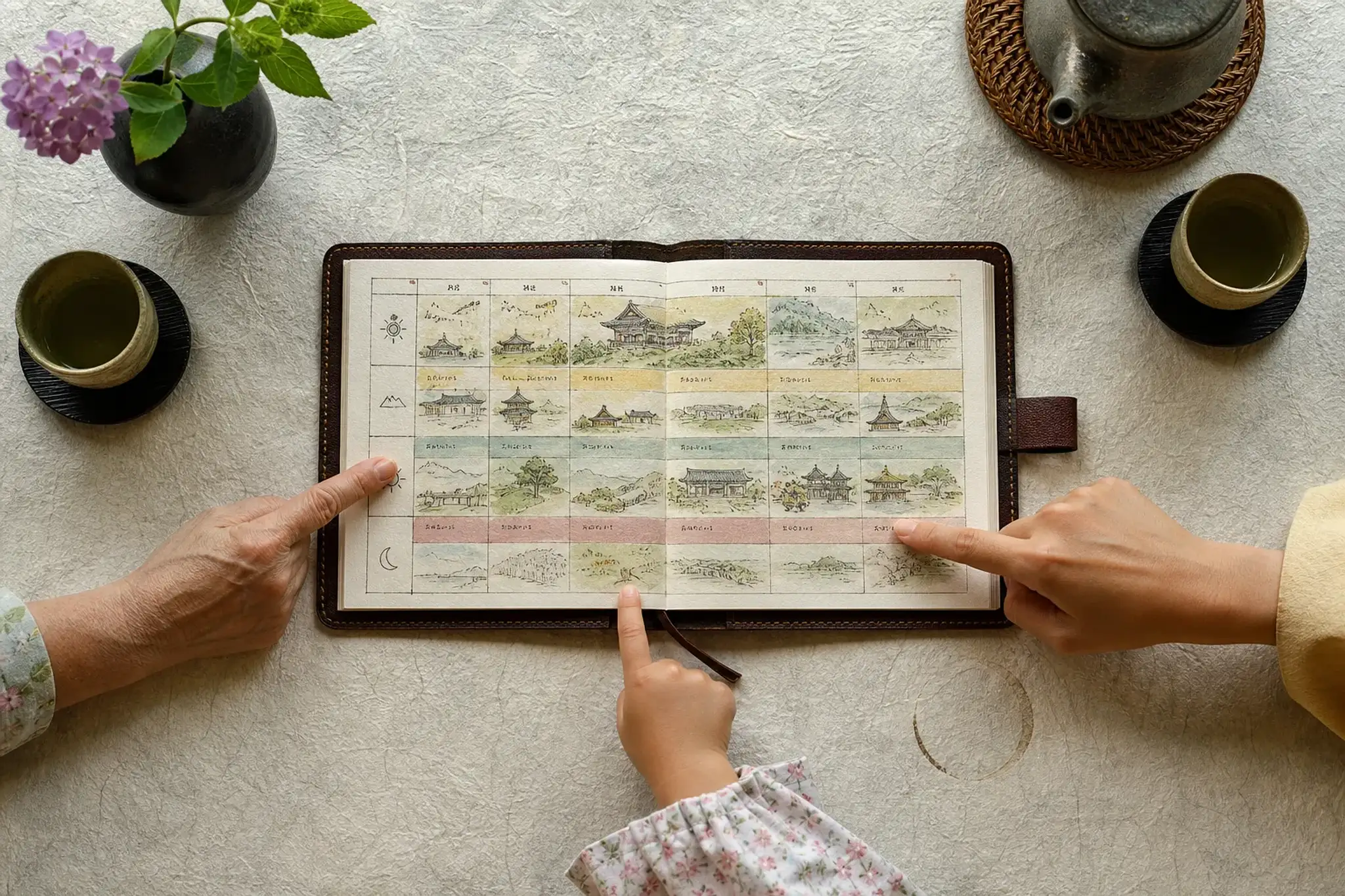
Workshops in studios. Timed cultural programs. Museums at opening. Then a calm return to base before the day becomes crowded and loud.
Kyoto is a special case in 2026 and beyond. The city has published tourism policy updates aimed at balancing residents’ lives with tourism, which reinforces an approach many thoughtful families already want: go earlier, go quieter, and behave with restraint in residential areas.
What “Private Learning” Really Means For Families
For multi-generational groups, private learning is not about status. It is about speed and attention. A controlled setting reduces waiting, reduces overstimulation, and makes it easier to adjust the pace without apologizing to strangers.
Japan is unusually strong here because shokunin culture is not performance-based. The craft itself carries the room. When the setting is quiet, both an older guest and a child can stay present, each in their own way.
Parallel Learning: One Room, Two Depth Levels
A good family workshop can be taught on two tracks at once. One track can be hands-on and simple for children. The other can go deeper on technique, tools, and history for adults. Same room. Different depth.
Afterward, the family reunites for a shared moment: a snack, a tea, a short walk. That is how you keep togetherness without forcing everyone into the same cognitive load.
Pacing: Build The Afternoon Split On Purpose
The strongest multi-generational itineraries have an intentional gap in the middle. Non-negotiable. This is the hour when the grandparents rest, the kids reset, and the parents stop carrying the entire plan on their shoulders.
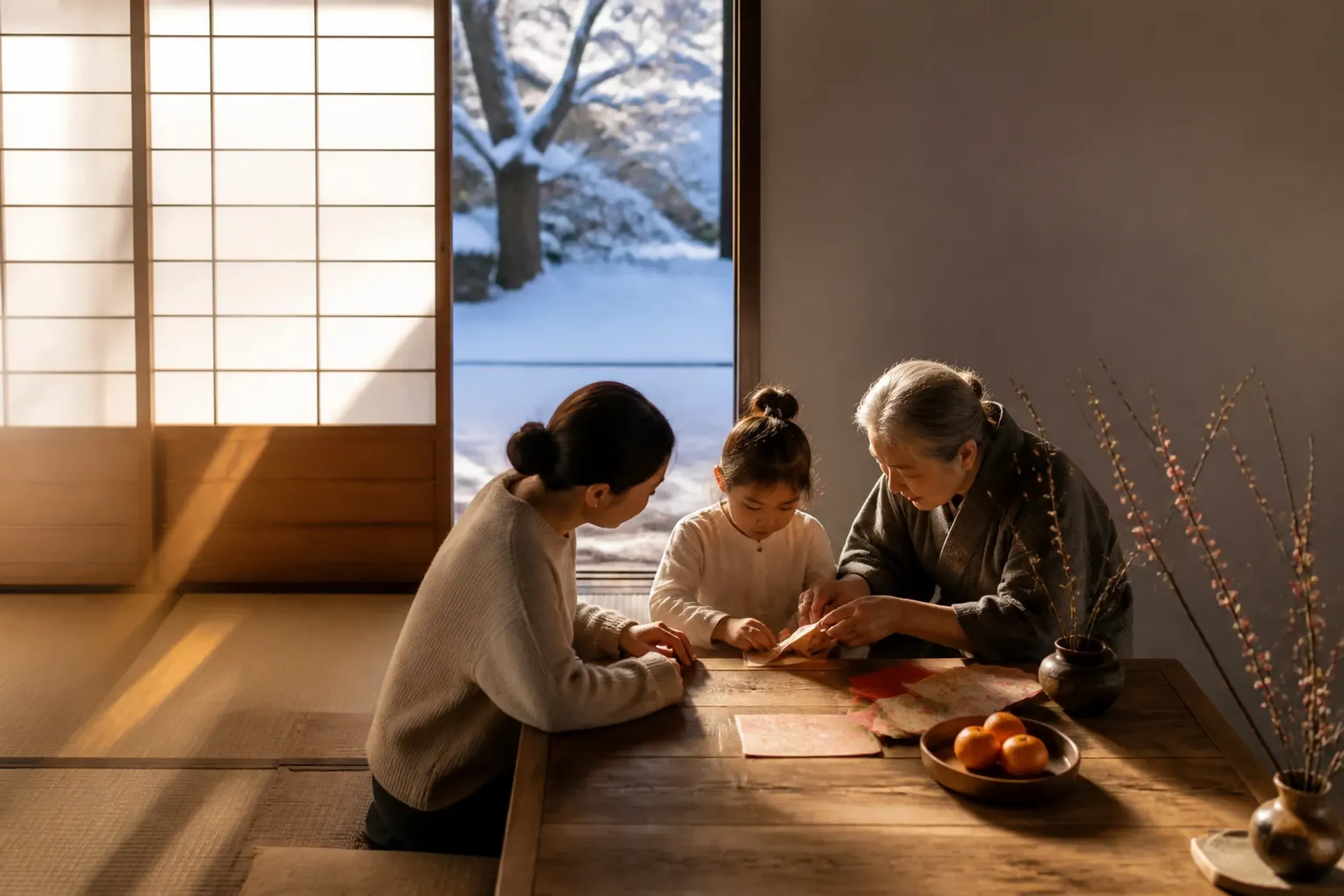
In practice, you design a morning anchor, then a mid-day return to base, then a choice-based afternoon. The party can split without drama because the split is planned, not a failure.
Two Common Splits That Actually Work
These are patterns we see succeed because they preserve dignity for everyone. No one is “left behind.” No one is “dragged along.”
- Grandparents + grandchildren: a calm cultural activity with a short walk and a clear endpoint.
- Parents alone: a focused adult experience that is hard to do with children, followed by an early return.
The trick is that both groups end up back at the same base at a predictable hour. Predictability is luxury for families.
Meal Timing: The Constraint That Shapes Every Day
In Japan, dinner timing controls the evening. Quietly. Many families plan a day that ends with “we’ll just eat somewhere,” then discover that the practical options are narrower than expected, especially for larger groups.
Fixed dinner hours at traditional stays can be excellent for young children because bedtime stays stable. For older travelers, fixed times can be either comforting or tiring, depending on how the day was paced. You need the day to serve the dinner, not sabotage it.
Design The Day Backwards From Dinner
Pick your “hard stops” first: dinner time, rest time, and the moment the youngest guest will be done. Then build the sightseeing into the remaining space. This is how you avoid the late-afternoon spiral: hungry kids, tired grandparents, and parents trying to negotiate a taxi line.
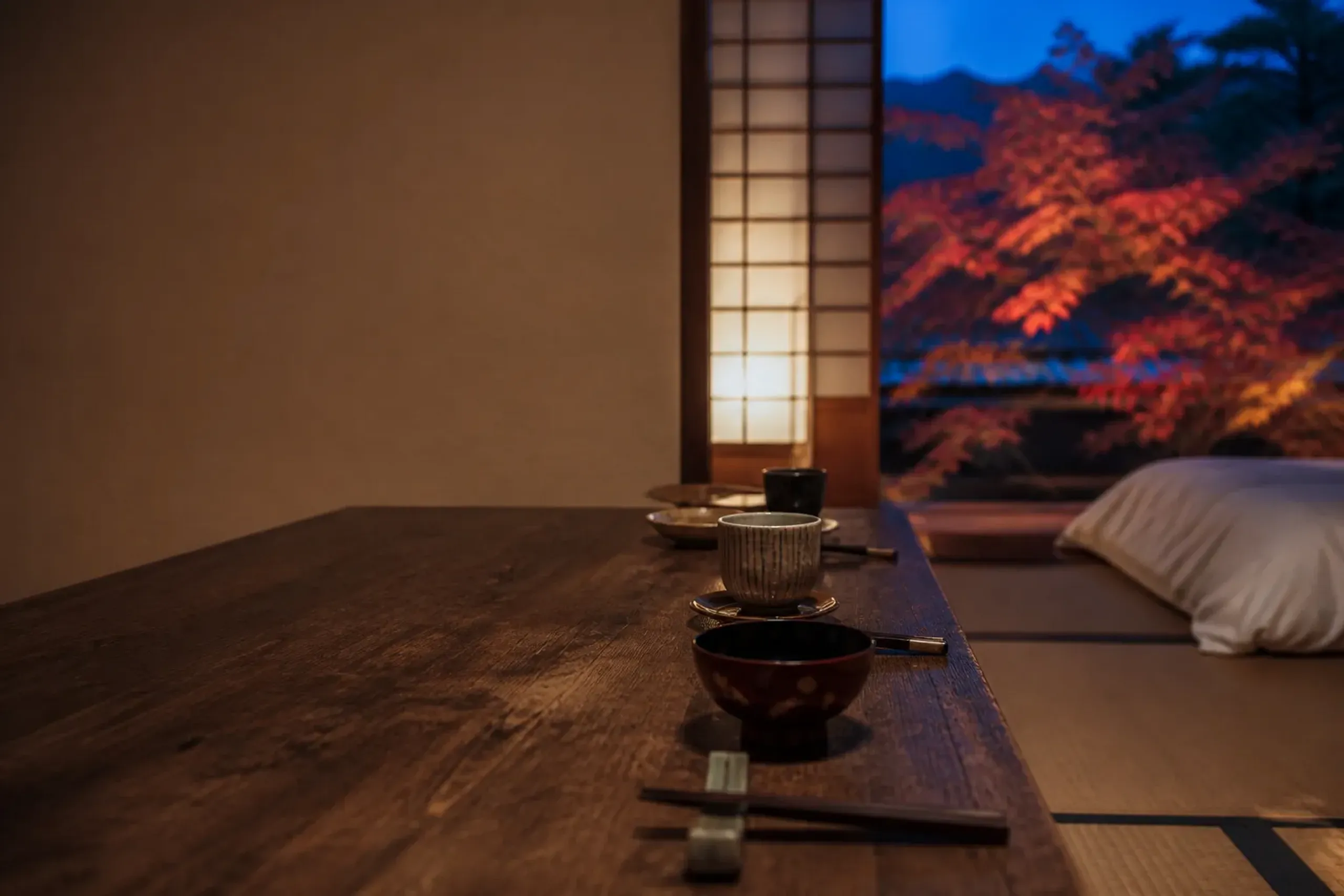
If you want a restaurant dinner on certain nights, choose experiences that finish near your base and end earlier than you think you need. Japan rewards early, watchful planning.
Children Specifically: Car Seats, Cots, Familiar Food, And Attention Span
Japan can be a very comfortable place for children when you plan for basics. The main failures are predictable: long transfers without breaks, adult-length museum days, and meals that assume adventurous eating at the exact hour a child is tired.
At Japan Royal Service, we handle child-specific arrangements such as car seats, cots, and child meals, and we plan age-appropriate activities so children are engaged rather than managed. It sounds simple. It changes the whole trip.
When Japan Works Well For Kids
Japan is excellent for short, skill-based experiences. A child can focus for 45–90 minutes when their hands are busy and the instructions are clear. A studio setting also reduces the noise and crowd exposure that drains many families.
It also helps that the rhythm can be tidy: shoes off, one activity, a clear finish. Children like contained worlds.
When Japan Is Hard For Kids
Japan is hard for kids when adults treat walking as an attraction. Long station transfers, standing in lines, and late dinners can empty the tank quickly. Then the whole party pays for it.
The solution is not constant entertainment. It is a day with fewer transitions and more control over timing.
Rooms And Why Large Parties Need To Book Early
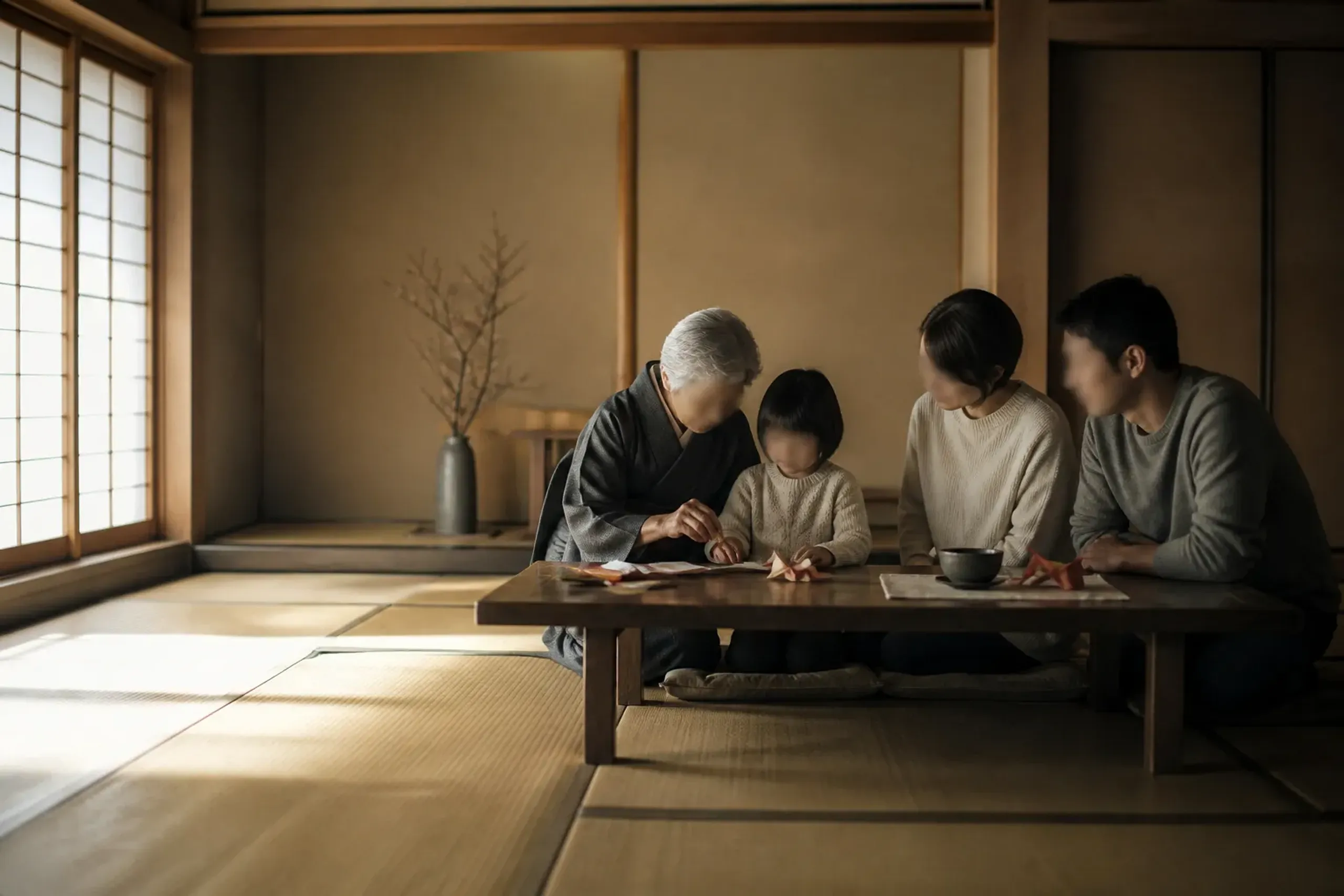
Rooms in Japan are often smaller than Western equivalents, and connecting inventory can be scarce. For a party of six, it is common to need three rooms rather than two, especially when you account for sleep quality and night-time movement.
This is why room strategy should happen before you lock the routing. It is also why “we’ll decide later” becomes expensive in energy, even when money is not the constraint.
If you want a practical playbook on choosing the right room type and layout, read Choosing The Room, Not The Hotel: A Japan Stay Playbook. Keep it close when you plan for three generations.
Traditional Stays: What Multi-Gen Parties Misread
Traditional stays can be wonderful, but the format has rules: floor seating, staff entering the room for meals, futon setups, and fixed timing. If your party has mixed mobility needs, those rules become a design problem, not a cultural footnote.
We recommend reading Choosing The Room, Not The Hotel: A Japan Stay Playbook alongside your plan, then deciding what you want to prioritize: beds, chairs at meals, or the traditional format itself.
Transport For A Mixed Party: When A Vehicle Beats Rail
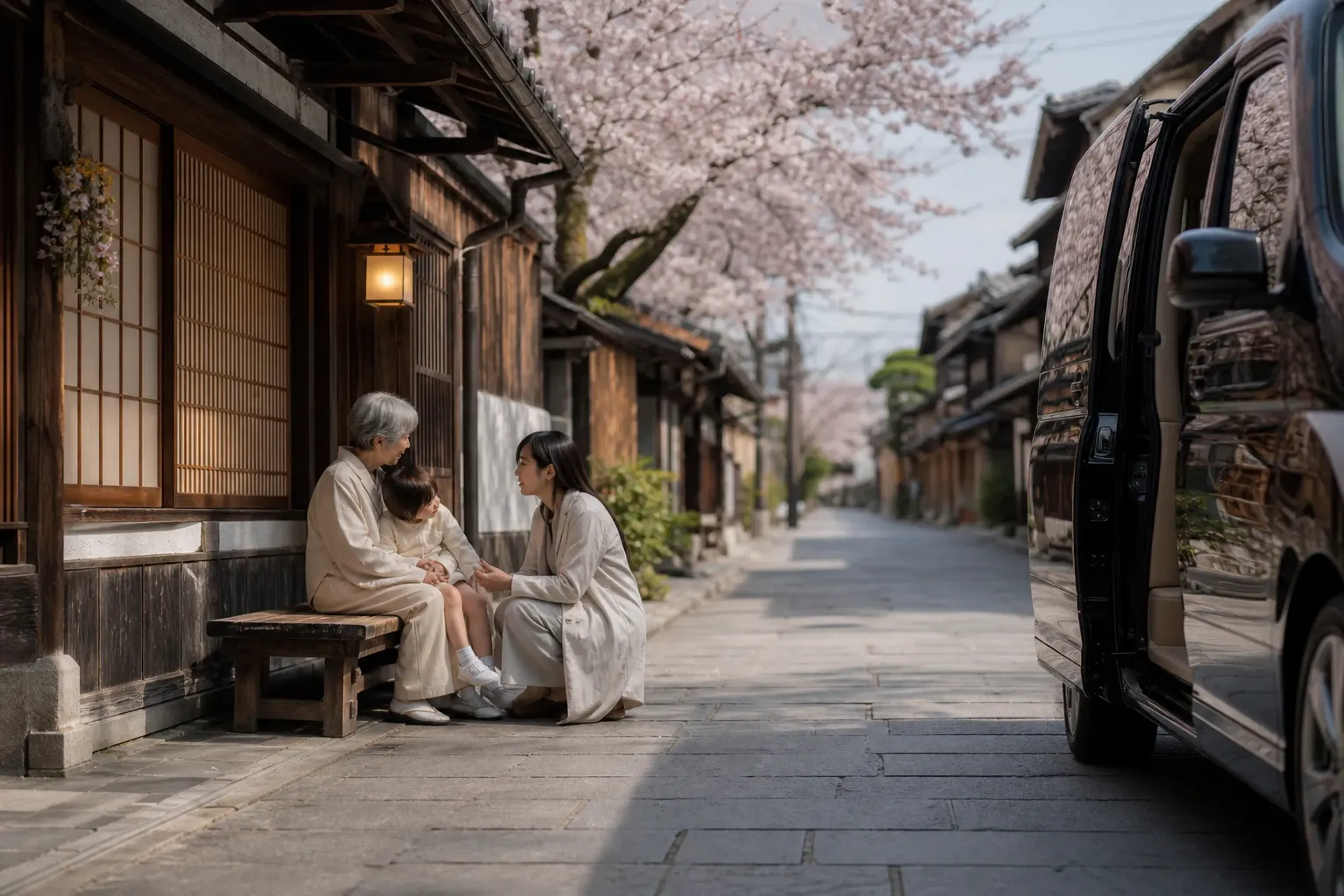
For three generations, a chauffeured vehicle often reduces total fatigue more than rail, even when trains are fast on paper.
Rail can be brilliant for confident adults traveling light. Families are different. Stations can mean stairs, platform waits, crowded transfers, and the constant task of keeping a group physically together while also staying polite in public space.
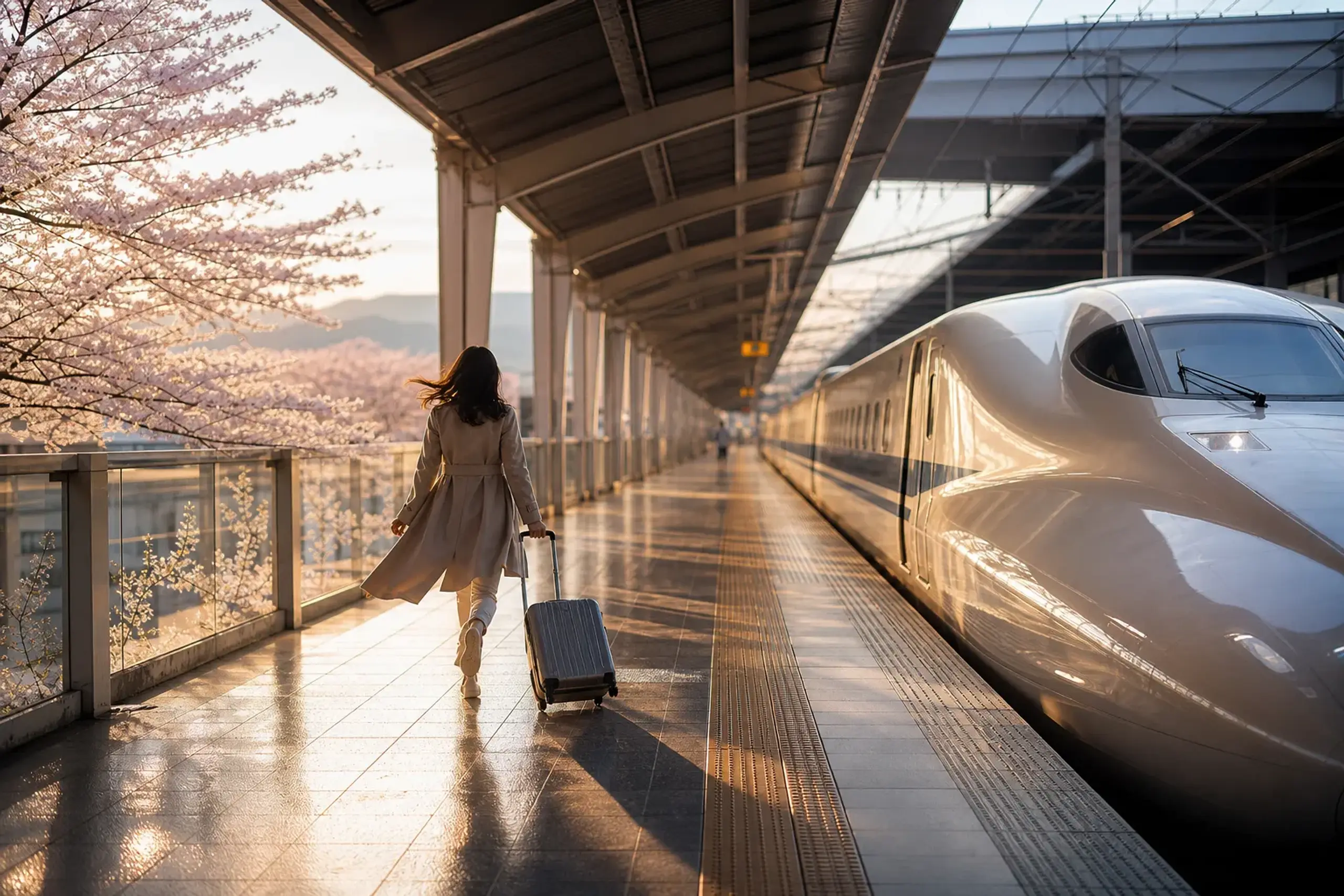
When you choose private transportation, you control the tempo: departure when the group is ready, a stop when someone needs a break, and door-to-door arrivals that avoid the slow leak of energy that stations create. Our team can guide you on what vehicle size fits your party and luggage profile; see our private transportation service overview for context.
What “On-Call” Changes In Practice
With multi-generational groups, plans change mid-day. Someone needs to rest. A child needs a snack now, not in forty minutes. A museum is louder than expected.
When your transport plan is built for flexibility, you can make a small change without collapsing the whole day. That is the difference between “private” as a label and private as an operating model.
What To Book Earliest, And Why Large Parties Close Out First
Large parties are not hard because of money. They are hard because inventory is rigid: room layouts, vehicle capacity, and time-slot experiences that only run a few times per day.
In 2026, demand pressures are not abstract. They are visible in inbound arrival figures and in the lived experience of popular districts. When you book early, you are not chasing prestige. You are buying calm.
A Practical Priority Order
- Base stays and room configurations that fit mobility needs and sleep preferences.
- Transportation days that remove the most stairs and waiting from the trip.
- Appointment-based learning with fixed start times.
- Key dinners that need private space for a group to relax and talk.
Once those pillars are set, the rest can be lighter.
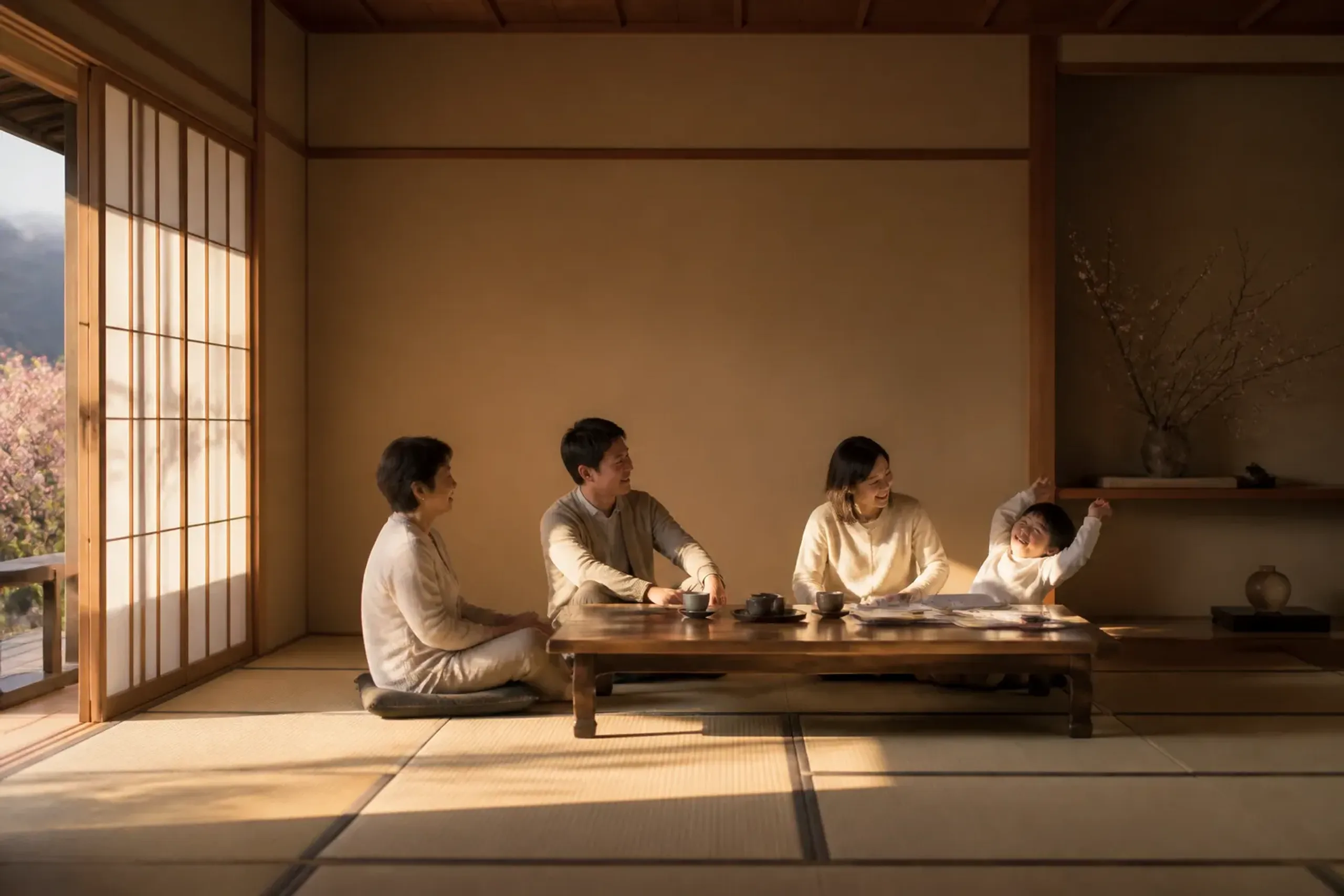
You can leave room for weather, moods, and small discoveries.
What To Leave Out: The Overpacked Itinerary That Breaks The Trip
Three-generation travel covers less ground. That is not a compromise. It is the design.
The most common mistake is stacking “must-sees” until every day becomes a forced march, then hoping private guides will rescue the pace. They cannot. A human cannot change the fact that you scheduled too many transitions.
Leave out anything that requires long lines, late finishes, or repeated station transfers. Leave out the urge to sample every neighborhood. Choose fewer places and let them breathe.
Should Part Of The Family Travel Separately For A Few Days?
Yes—splitting for 2–4 nights can make a multi-generational Japan trip more comfortable without reducing together time overall.
This is the topic many planners avoid because it feels like failure. It is often the opposite. A short split can protect the trip’s tone by letting each generation do one “their pace” segment, then reunite with energy.
Two Situations Where A Short Split Helps
- Different sleep and morning rhythms: early risers versus late sleepers can stop resenting each other.
- One high-intensity interest: a day with more walking or longer focus can happen without dragging the whole party.
What matters is the reunification plan. Choose a calm base for the reunion night, and keep the first evening back simple.
How Do I Add Shokunin-Level Private Learning For Kids And Grandparents?
Choose small-group workshops in quiet studios and let the host teach two depth levels at once: simple hands-on tasks for children and deeper technique for adults.
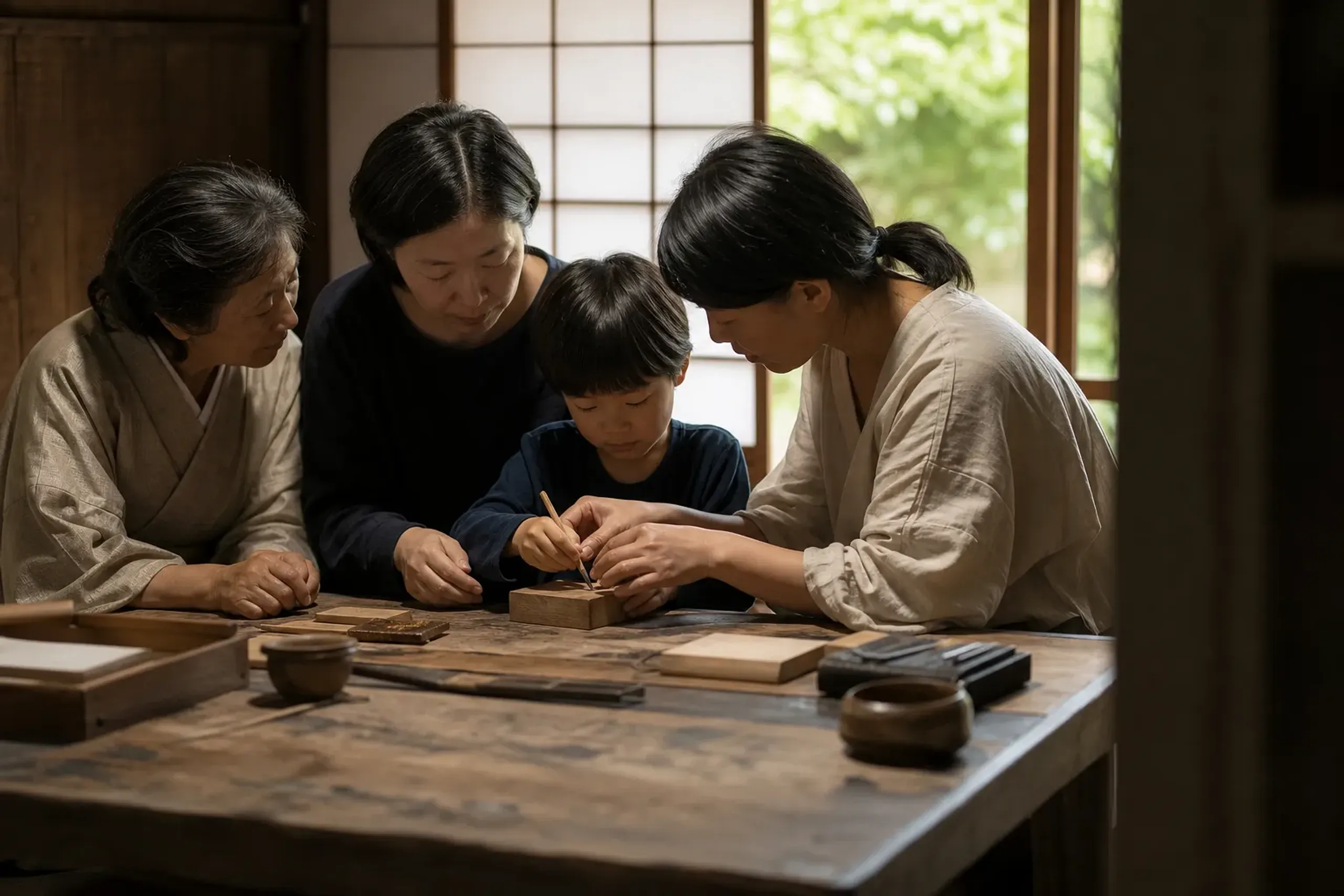
Shokunin experiences are ideal for multi-generational parties because they are structured. They begin on time, they happen in controlled settings, and they reward attention rather than stamina.
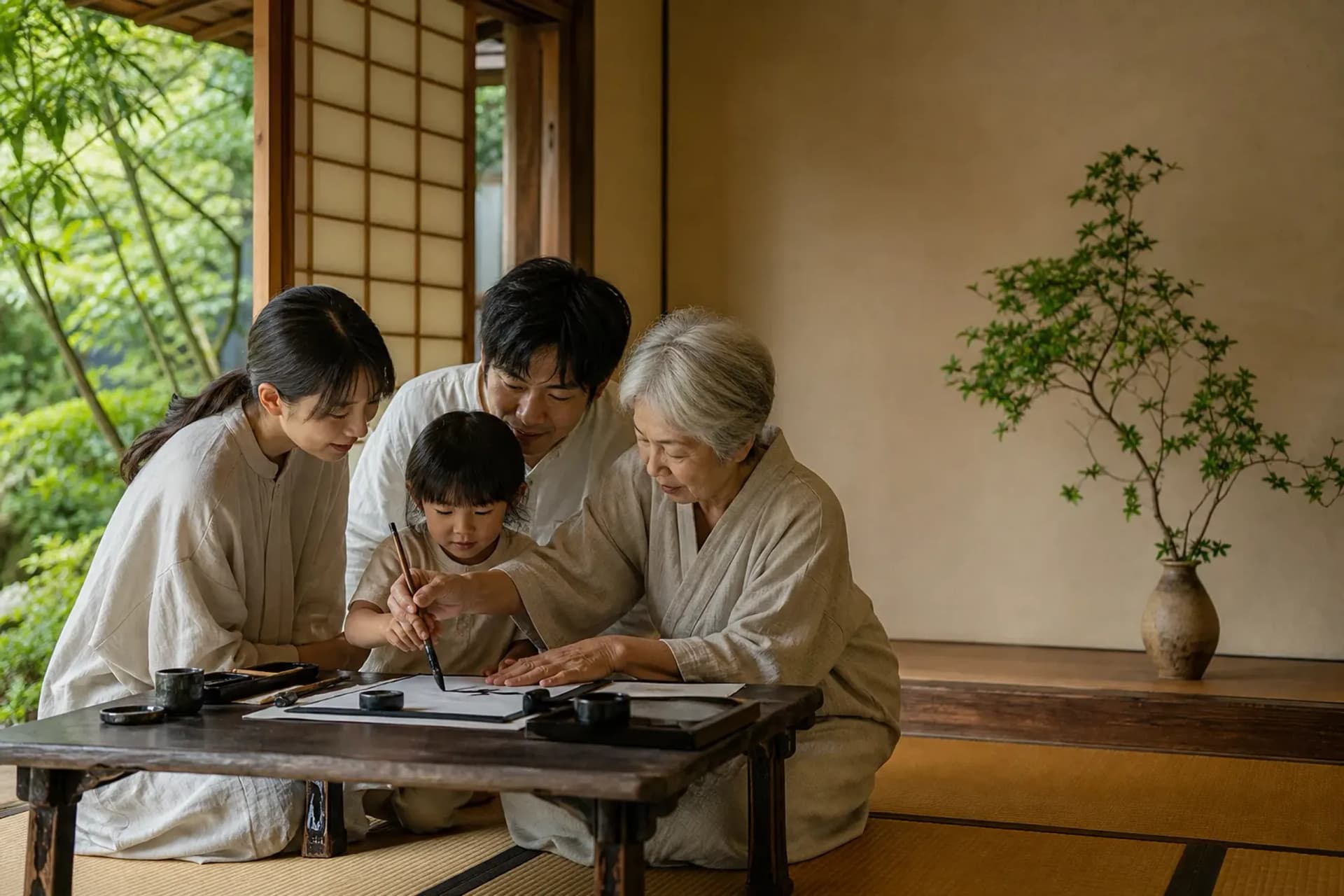
Japan’s official channels and luxury portals highlight arts and culture programs across regions, and Tokyo’s official travel guidance also points travelers toward hands-on traditional cultural experiences. For families, this matters because it replaces “walking and looking” with “doing and learning,” in a space where seating and pacing can be managed.
If you want a grounded view of what it feels like to learn a traditional skill in Tokyo, our team recommends reading One Stroke, No Revision: A Calligraphy Masterclass In Tokyo. It shows the tempo, the focus, and why this kind of hour can hold three generations at once.
How Do I Build A Bespoke Multi-Generational Japan Itinerary That Actually Works?
Start with mobility and sleep needs, then choose one stable base per region, then add appointment-based learning and a daily split-hour; only after that should you layer in landmarks.
Planners often start with cities. We start with bodies. That is not cold. It is respectful.
Once the constraints are clear, you can build a tailor-made itinerary that feels calm for the oldest guest and still interesting for the youngest, without turning the parents into full-time logistics staff.
Hidden-Japan design fits families well, too.
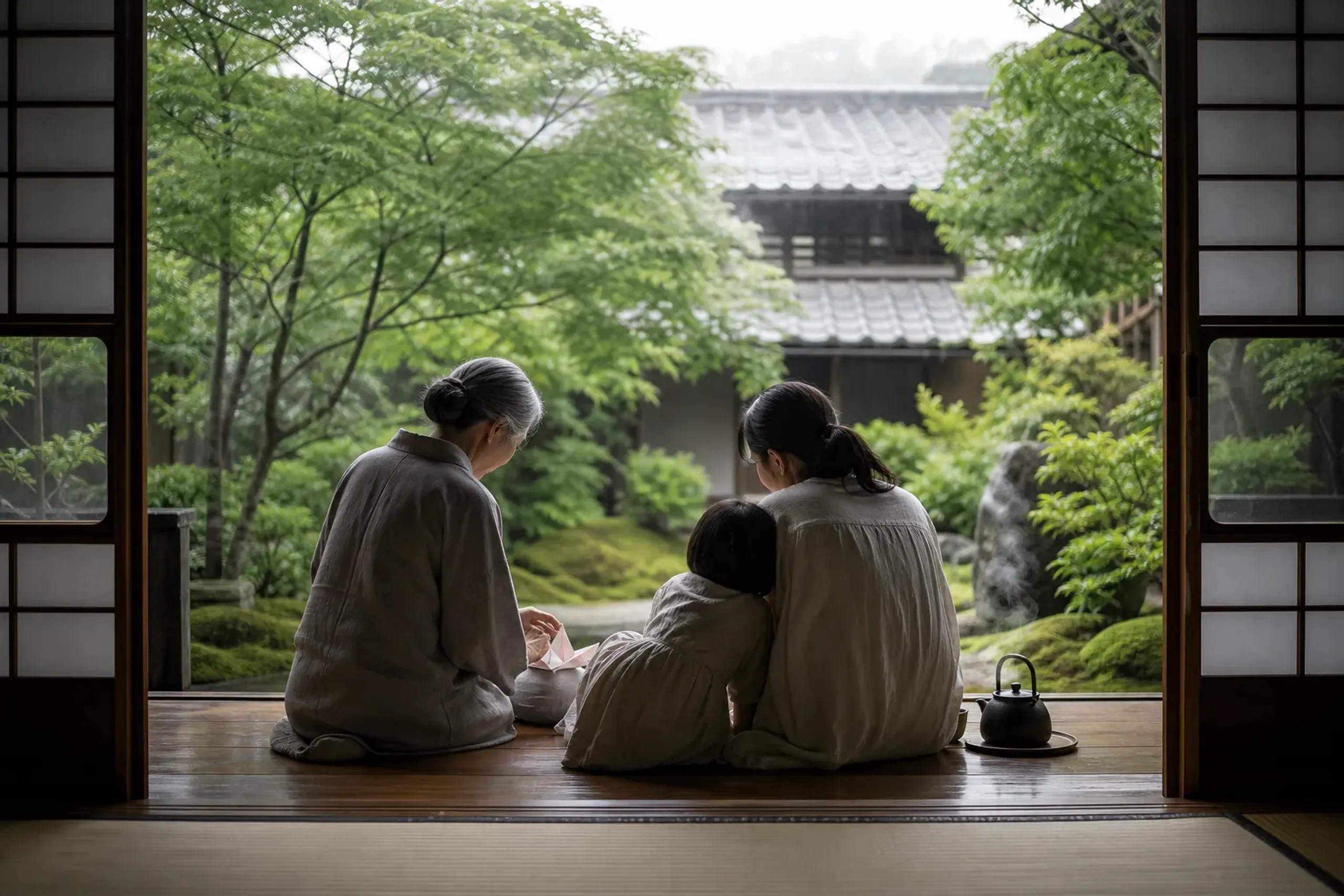
Not because you need secrecy, but because quieter places have fewer queues and more space to move at your own speed. The goal is not to collect “unknown” locations. It is to reduce friction by stepping away from peak-density corridors.
Frequently Asked Questions
How Do I Reduce Crowd Exposure In Kyoto With Kids And Grandparents In 2026?
Reduce exposure by starting earlier, using timed entries where available, and planning one calm base return each afternoon to avoid peak pedestrian hours.
Kyoto has publicly discussed policies aimed at balancing tourism with resident life, and families feel the same pressure points residents do: narrow lanes, crowded buses, and slow-moving sidewalks. Your best lever is timing. Your second lever is choosing controlled, appointment-based cultural time instead of stacking famous streets back-to-back.
Where you base the family matters just as much as timing. Our neighbourhood-by-neighbourhood comparison of Kyoto covers which districts sit away from the daytime crowds and suit a slower, multi-generational pace.
What Are The Most Common Mobility Friction Points In Traditional Japan Stays?
The most common friction points are floor seating at meals, futon on tatami, steps and wet surfaces in bathing areas, and uneven paths or level changes within older buildings.
None of these are “bad.” They just need to be acknowledged early, especially when one guest will quietly endure discomfort rather than speak up.
Can Japan Royal Service Help With Child Car Seats, Cots, And Child Meals?
Yes, our team at Japan Royal Service supports child-specific arrangements such as car seats, cots, and child meals as part of planning a family trip.
We also shape the day around attention span: shorter transfers, clear activity blocks, and meal timing that prevents late-day meltdowns.
How Early Should A Six-To-Eight-Person Family Start Planning Japan?
Start as early as you can once your dates are stable, because rooms, vehicles, and timed experiences for larger parties can be limited.
For multi-generational travel, the constraint is usually configuration, not availability in a general sense. The “right fit” closes out first.
Why Choose Japan Royal Service
Japan Royal Service is built for families who want Japan to feel calm, not complicated. Our edge is not louder marketing. It is operational clarity: we design days around mobility realities, meal timing, and pacing, then we layer in private learning that works for both children and adults.
We are also comfortable saying “leave it out.” That restraint is wabi-sabi in practice. You do fewer things, with better attention, and the oldest and youngest guests stop paying the hidden cost of an itinerary designed for the middle generation.
We also understand shokunin-led learning as a tool for family cohesion, not just culture. A well-chosen workshop creates shared reference points, without forcing everyone into the same physical pace or the same level of detail.
If you want us to assess your draft route against your party’s mobility needs and child requirements, reach our team privately via WhatsApp or LINE, or contact us here.