In this guide
- 01Why The District Matters More In Kyoto Than In Tokyo
- 02Higashiyama: The Eastern Temples On Foot
- 03Central Kyoto And Karasuma: The Walkable Middle
- 04Gion, Honestly: The District Clients Name
- 05The North: Quiet, Green, And Further Out
- 06Kyoto Station: The Option Nobody Recommends
- 07How Long You Stay Changes The Answer
- 08When The District Barely Matters
- 09Frequently Asked Questions
- 10Why Choose Japan Royal Service
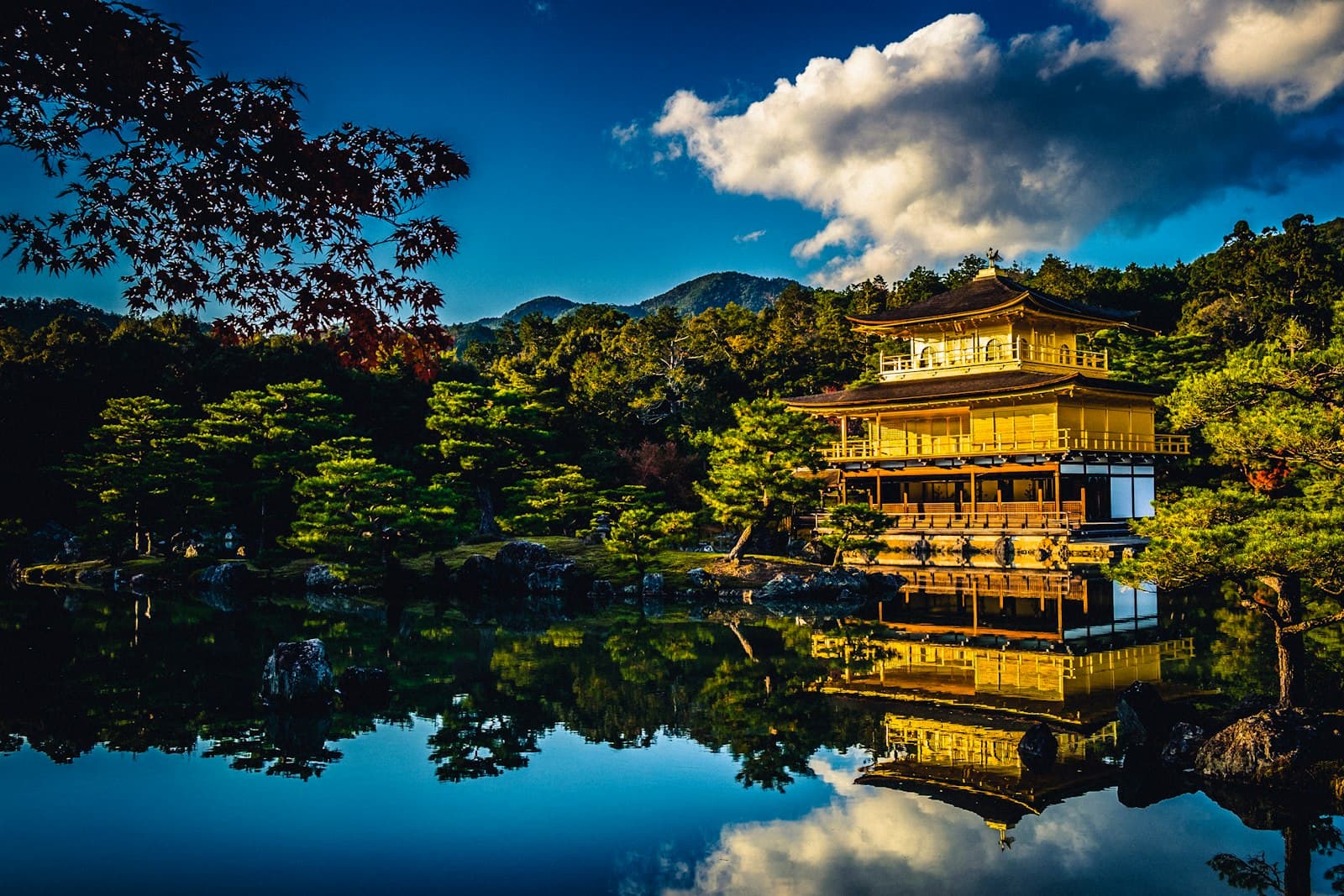
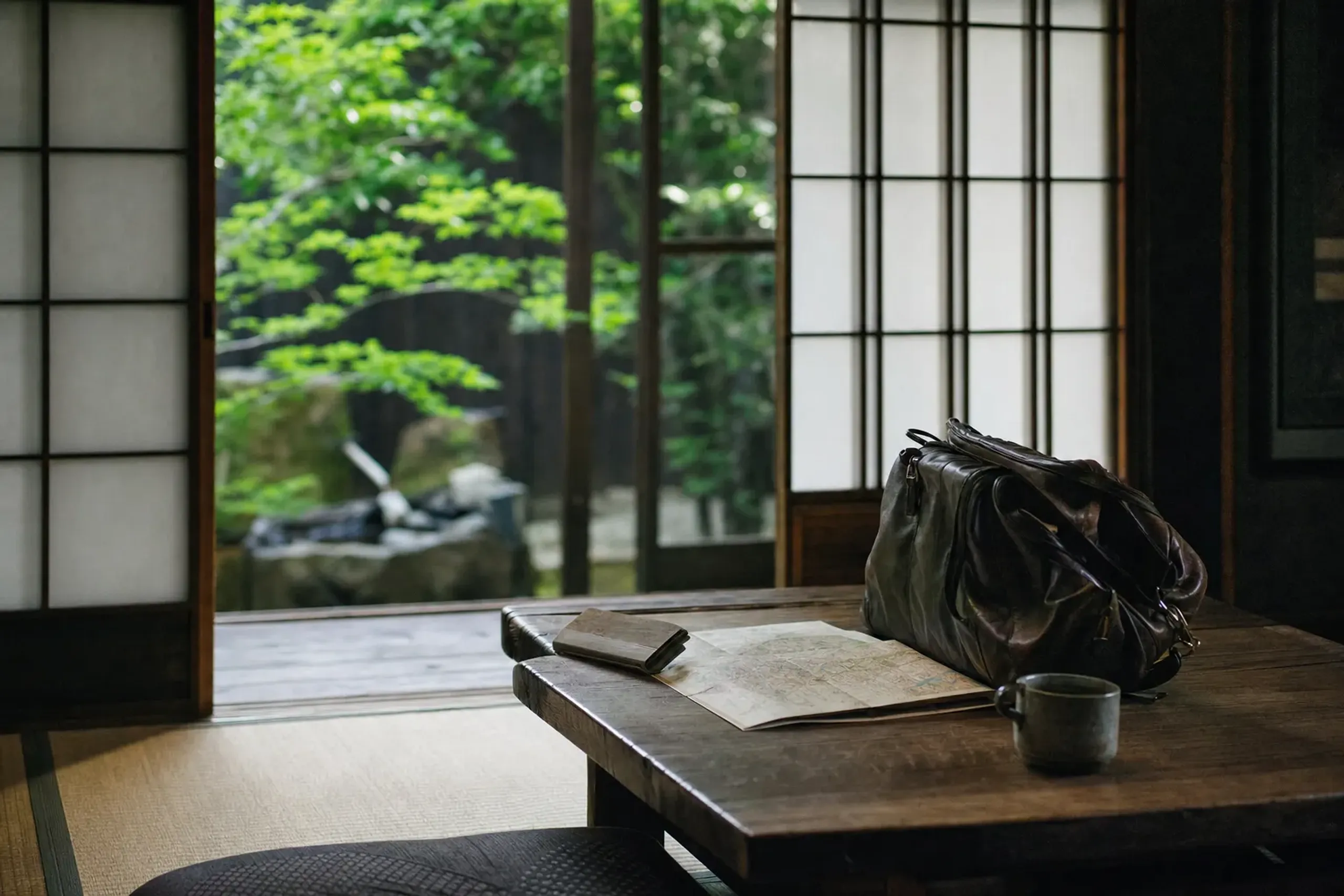
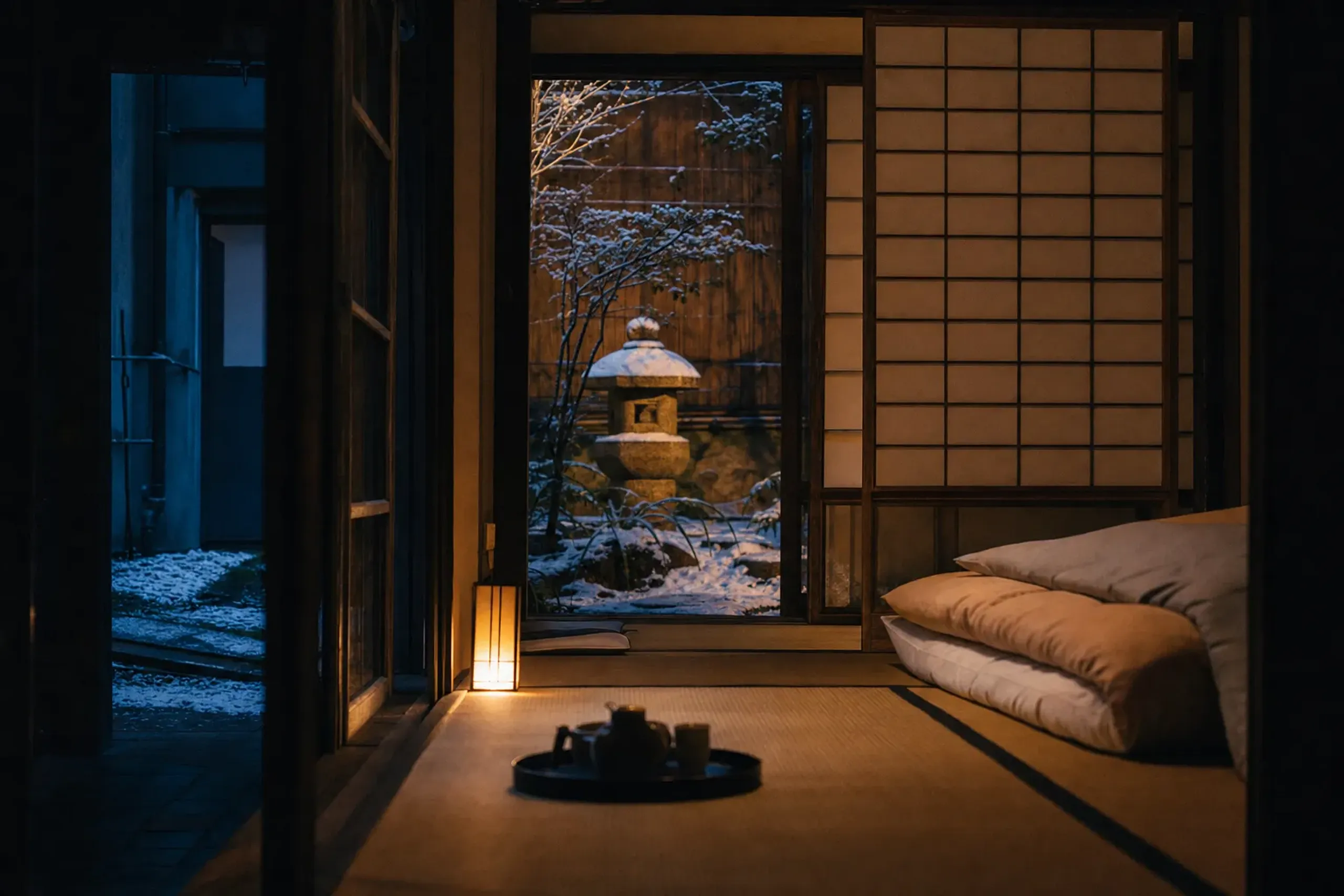
You are looking at four Kyoto hotels in four tabs. The photos are almost interchangeable — tatami, a garden view, a low table set for tea. What the listings do not tell you is that these four addresses will each hand you a completely different city. In Kyoto, where you sleep changes the day more than the room does.
Our team at Japan Royal Service places clients across every district in this city, and the question we answer most is not "which hotel" but "which base." This is that answer, laid out plainly.
Why The District Matters More In Kyoto Than In Tokyo
In Kyoto, your neighbourhood decides your morning. That is the short version.
Tokyo forgives a bad base. The trains run everywhere, the attractions are scattered across the whole map, and a twenty-minute ride is nothing. You can sleep in one ward and spend your day in three others without thinking about it. Kyoto does not work that way.
Here the things people come for cluster tightly along the eastern hills and the old centre. The crowd pressure on those clusters is uneven and, at peak hours, severe. So the real value of a base is not proximity to a station. It is the ability to walk out early, on foot, and reach a temple gate before the buses arrive. That single advantage — leaving early without transit — is worth more in Kyoto than almost anything a hotel can put in the room.
We think of it the way we frame it for Tokyo in our guide on where to base yourself in the capital: same method, sharper stakes.
Below, the four full options and one that nobody suggests.
Higashiyama: The Eastern Temples On Foot
What it is for. Higashiyama is the district for early access to the eastern temples. If your Kyoto is built around the classic sights along the hills, this is the base that lets you reach them before the day fills.
What is walkable. The great draw here is that the eastern temple corridor is reachable on foot rather than by bus. That matters more than it sounds. The buses and taxis feed the same handful of entrances, and by mid-morning the approach lanes are shoulder to shoulder. From a Higashiyama base, you can be standing at a gate at opening, walk back for breakfast, and be done with the crowded sights before most visitors have left their hotels.
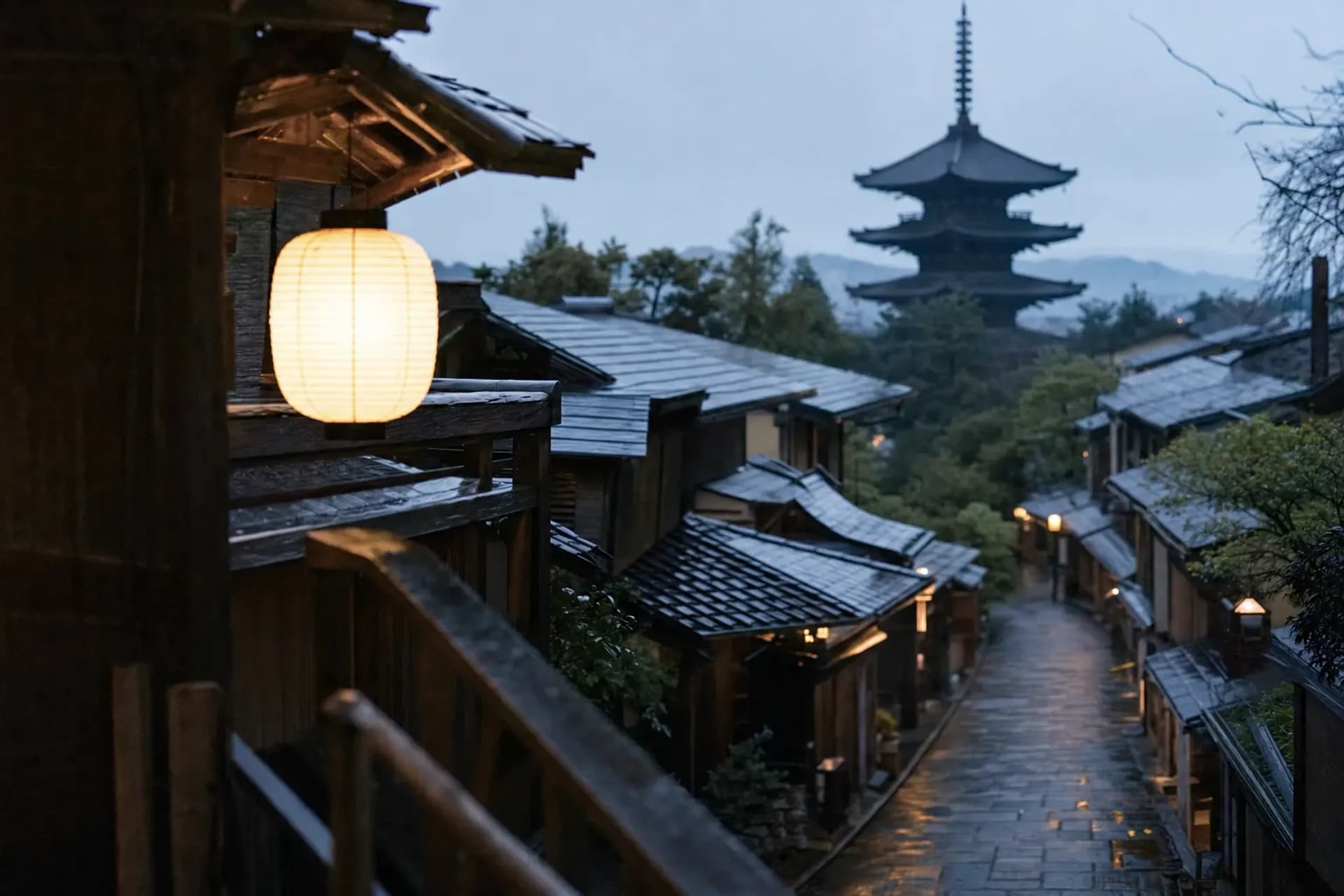
Evening character. The lanes empty after the day-trippers leave. By evening the slopes are quiet, lit low, and largely returned to residents and a few lingering guests. It is calm rather than lively — if you want dinner and movement, you go west toward the centre.
What kind of accommodation. This is ryokan and boutique-property territory, weighted toward the traditional. The area has drawn significant new luxury lodging for 2026, with openings arriving around Gion and the Higashiyama hillside. For how to think about ryokan format itself, our note on choosing the room, not the hotel covers the ground so this comparison does not have to.
The honest downside. The same proximity that gets you out early means the congestion arrives at your door. In daytime, the streets immediately around you are among the busiest in the city. You trade a quiet morning and a quiet night for a loud afternoon on your own doorstep.
Who should choose it. Temple-first travellers who will actually rise early. The advantage is entirely wasted on a guest who leaves at ten.
Central Kyoto And Karasuma: The Walkable Middle
What it is for. Central Kyoto — the Karasuma and Shijō corridor — is for dining, connections, and moving in several directions at once. It is the functional heart.
What is walkable. The centre puts the food, the covered market streets, and the main transit lines within easy reach on foot. From here you can go east to the temples, west toward Arashiyama, or down to the station without any single direction being a hardship. Nothing is spectacular from your door; everything is convenient.
Evening character. This is where Kyoto's dining density lives. The narrow riverside lanes near the centre come alive after dark, and you can spot geiko and maiko moving between appointments at the busier end. It is the most reliable district for a good dinner within walking distance of your bed.
What kind of accommodation. Hotels dominate here — international brands and larger properties, with fewer true ryokan. If you want a full-service hotel with a concierge desk and a lift, the centre holds most of them.
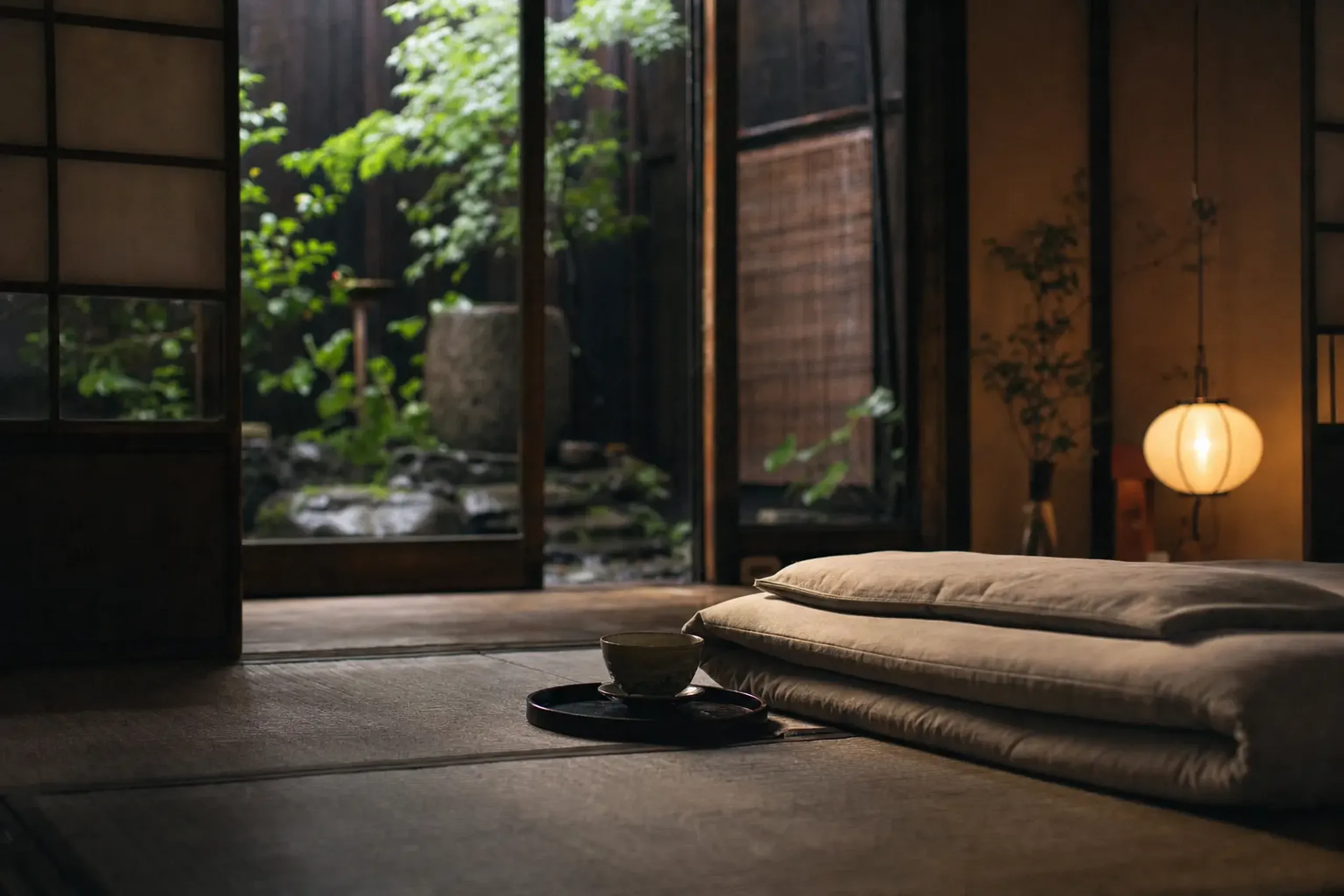
The honest downside. Less atmosphere. You are staying in a working modern city centre, not a preserved historic quarter. The trade is character for function, and for many trips that is exactly the right trade.
Who should choose it. First-time visitors who want to eat well and range widely, and anyone who values a short walk home after dinner over a temple view from the window.
Gion, Honestly: The District Clients Name
What it is for. Gion is for the evening character people picture when they imagine Kyoto. It is the district clients ask for by name, and it delivers the mood.
What is walkable. Gion sits between the eastern temples and the central river lanes, so it is well placed for both. You can reach the hillside sights and the riverside dining on foot, which makes it one of the more flexible bases for a short stay.
Evening character. This is the reason people come. After dark the lanes hold the lantern-lit wooden facades, the sense of a working entertainment quarter, and the chance of glimpsing geiko or maiko on their way to an engagement. No other district gives you that at your doorstep.
What kind of accommodation. Increasingly the high end. Gion and its adjacent sub-areas — Miyagawa-chō among them — have become a focus for 2026 luxury openings, including a new flagship inheriting the Yasaka Kaikan building and a design-led property in the Miyagawa-chō lanes.
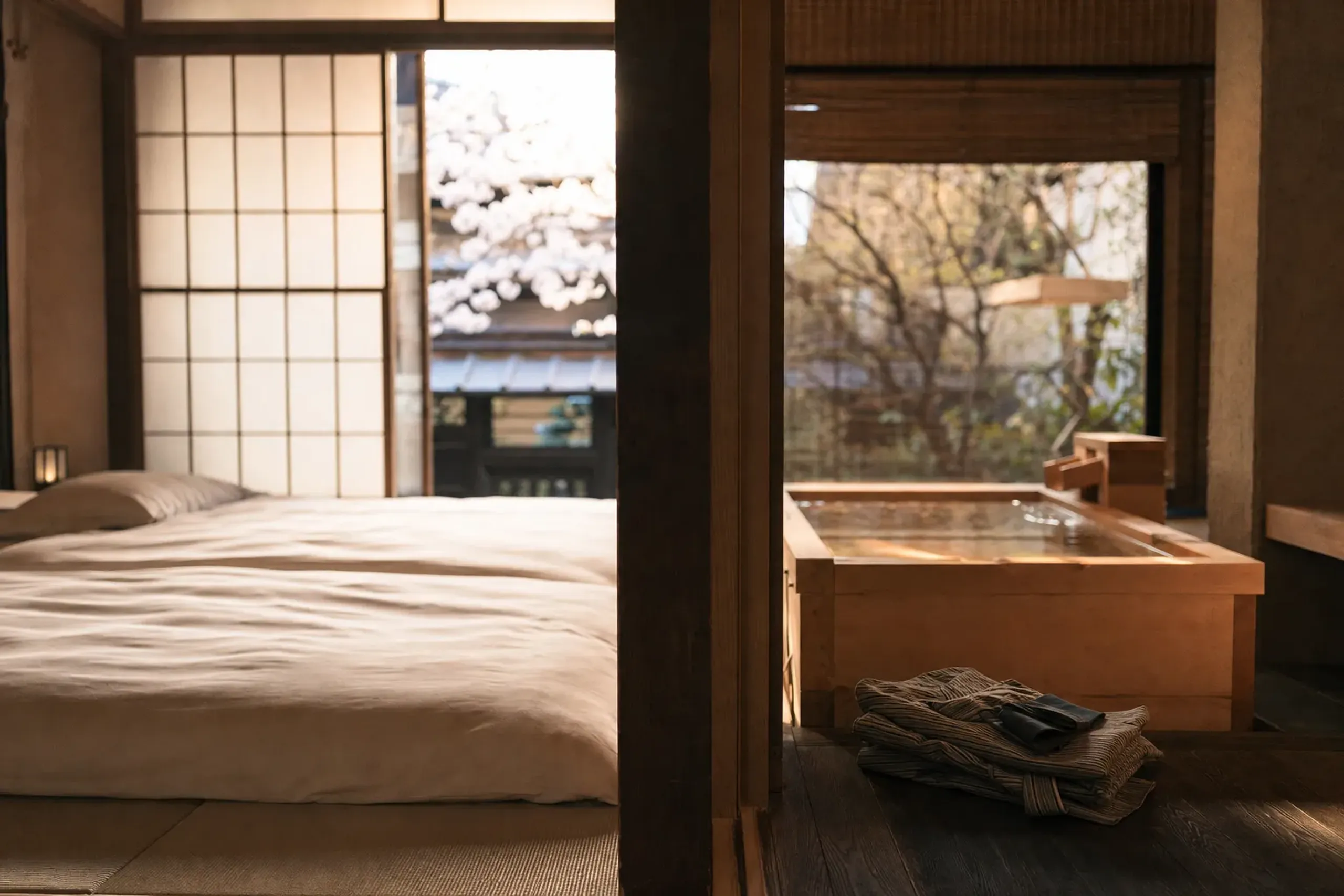
Expect both restored traditional lodging and new-build luxury here.
The honest part: Gion is also where crowding and visitor conduct are worst. Kyoto City has published guidance because of real problems here — people following geiko and maiko, photographing without permission, and entering private property. Some lanes are private and have been closed to visitors. Gion is a living neighbourhood, not a set. If you stay here, conduct matters. We say this plainly to clients rather than pretend it away.
The honest downside. Beyond the etiquette weight, the daytime and peak-season crowds are heavy, and the visitor-behaviour friction is real. You are staying inside the most contested quarter in the city. Our note on [being the quiet traveller](being the quiet traveller) is worth reading before you go.
Who should choose it. Travellers who want the evening quarter above all else, who will treat the streets as someone's home, and who are staying long enough that the atmosphere justifies the friction.
The North: Quiet, Green, And Further Out
What it is for. The northern reaches are for calm. Residential, greener, and set back from the pressure of the centre and the eastern hills.
What is walkable. Less, honestly. The north holds pockets of temples, gardens, and old streets, but the density of sights near your door is lower. You reach most things by car or transit rather than a short walk, and you accept that as the cost of quiet.
Evening character. Still. The north goes to sleep early. There is little in the way of a dining scene at your doorstep, and after eight the streets are largely residential.
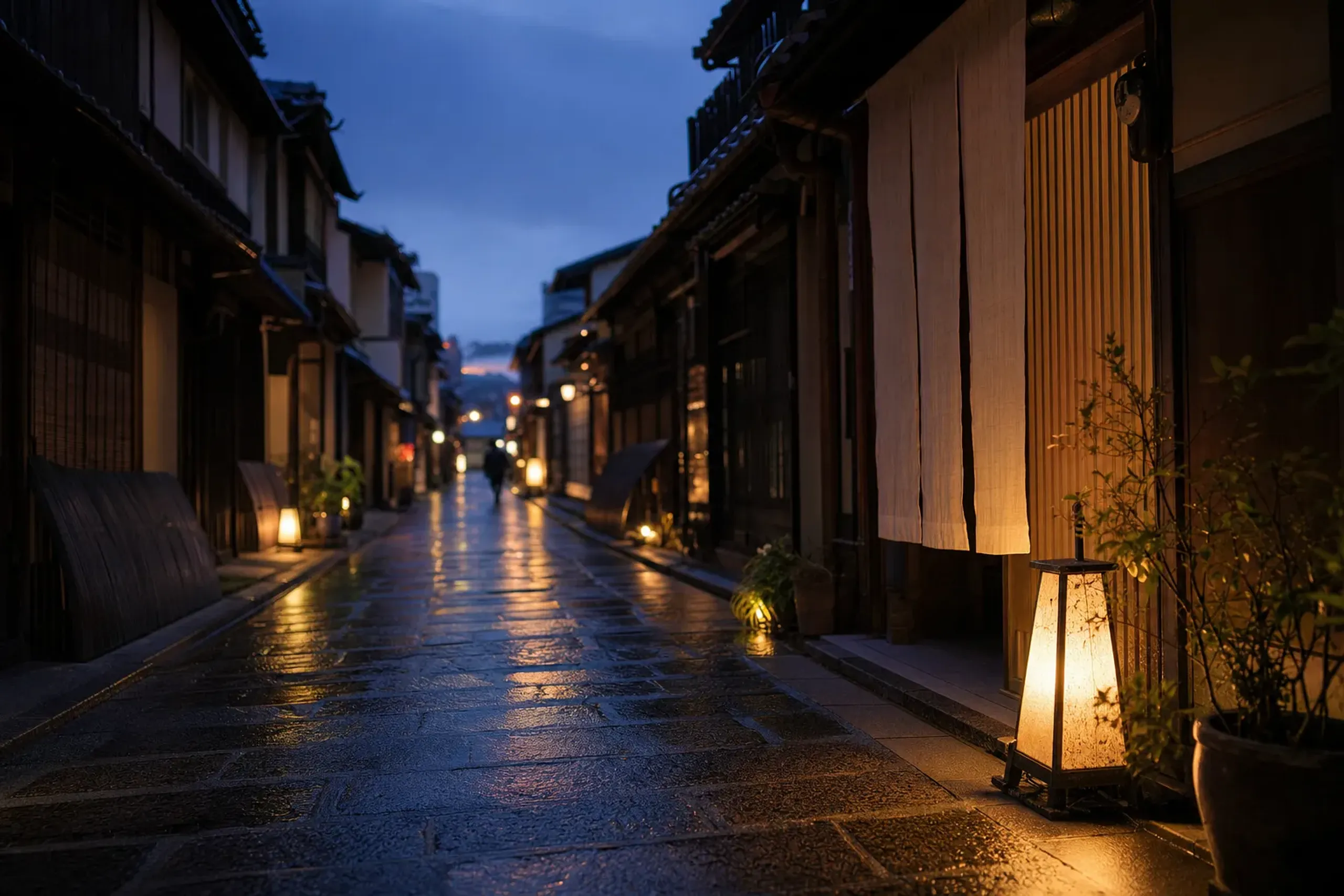
If your idea of a good evening is a quiet meal and silence outside the window, this is it.
What kind of accommodation. Fewer properties overall, weighted toward retreat-style stays and a scattering of ryokan and design hotels that trade on their setting. You come here for the property and the calm, not the position.
The honest downside. Transit time. Every day begins and ends with a journey into and back out of the busier city. For a guest who wants to be at gates early or out late, that adds up. This is where a private car earns its place; our chauffeured transport turns the north's distance from a daily tax into a smooth, unhurried shuttle.
Who should choose it. Return visitors who have already done the eastern temples, travellers who want a decompression base over a sightseeing one, and anyone travelling with a car who values quiet over minutes.
Multi-generational families weighing crowd exposure specifically should also read our guide to zero-friction family travel in Japan, which covers pacing, mobility, and timing for a calmer Kyoto stay with children and grandparents.
Kyoto Station: The Option Nobody Recommends
Kyoto Station has the best transport position in the city and is genuinely right for some travellers — nobody suggests it, and some should take it.
It is unglamorous. No lanes, no lantern light, no temple at the corner. What it has is the Shinkansen at the door, the fastest onward connections anywhere in the city, and the widest choice of straightforward, well-run hotels. For a short stay, a party moving on to Tokyo or the west the next morning, or a group that wants luggage handled and no fuss, the station beats every atmospheric district on pure function.
If your Kyoto is two nights bracketed by long train journeys, staying here and taxiing out to the sights each day can waste less of your time than any prettier base. Under-recommended, and right more often than the guides admit.
How Long You Stay Changes The Answer
Two nights and six nights want different bases.
On a short stay, position and walkability win. You do not have time to lose to transit, so you want to be inside or beside the sights you came for — Higashiyama for temples, Gion for the evening, the centre for dining and range. Every minute you spend commuting is a minute you did not have.
On a longer stay, the calculus flips. Six nights can absorb a quieter, further base, because the pace is slower and a day of transit costs you less proportionally. A longer trip can even justify a split: a few nights in the east near the temples, a few in the north or the centre for a change of rhythm. For how to shape the days themselves within any base, our Kyoto day-trip guide handles the routing.
When The District Barely Matters
With a private car and a short stay, the property beats the position.
All of the above assumes you are largely on foot and on public transit. Add a chauffeur and the map changes. Distance stops being a daily tax; the north's remove becomes a scenic drive, the station's convenience becomes irrelevant, and Gion's crowds no longer decide whether you can get out early.
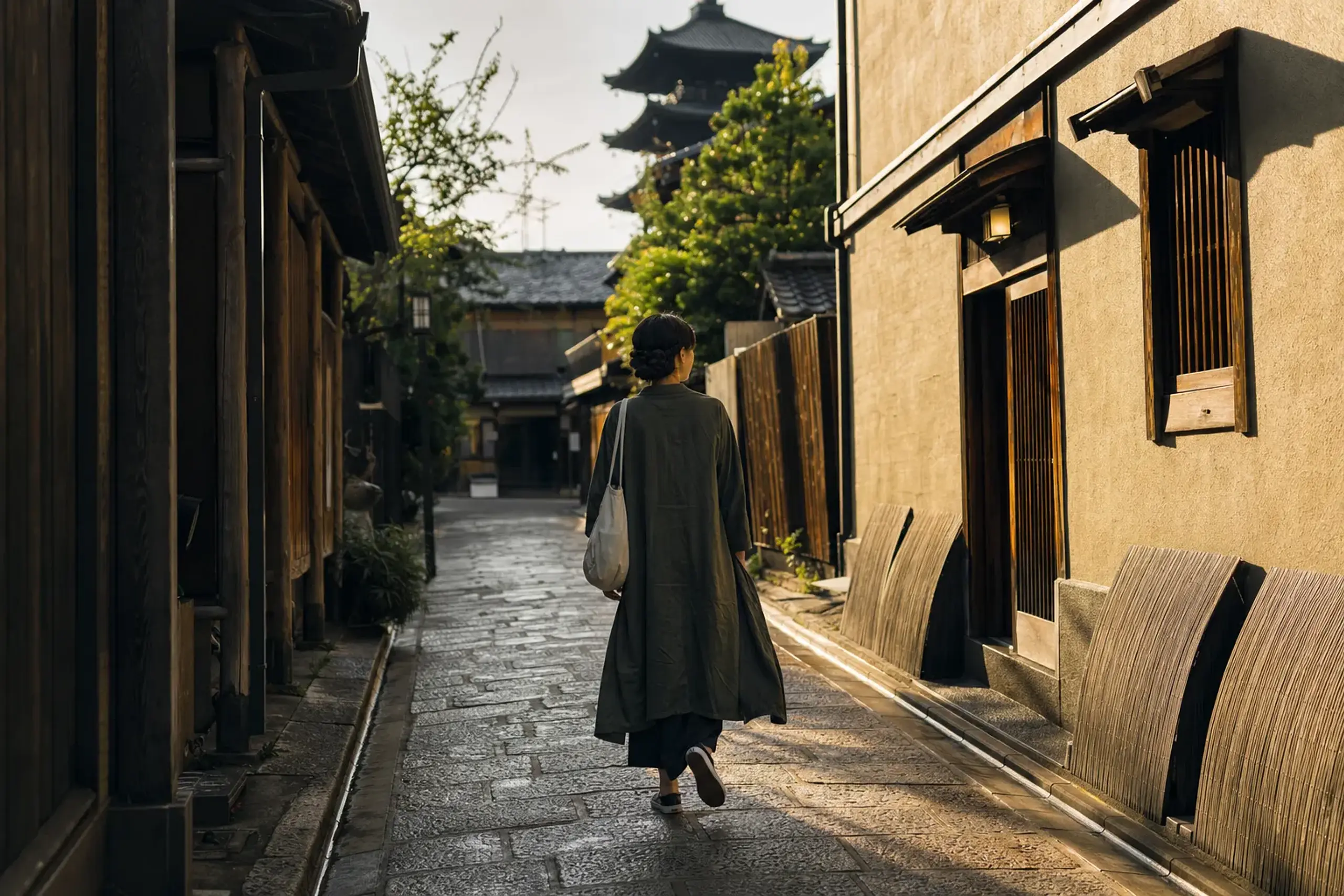
When the car handles the movement, you are free to choose the base for the room, the garden, and the aesthetic rather than the address. On a short, well-supported trip, that is often the better call — pick the property you love and let the driving solve the rest.
Frequently Asked Questions
Which Kyoto neighbourhood is best for a first-time luxury visitor on a short stay?
Central Kyoto around Karasuma and Shijō suits most first-timers. It gives the best dining, the widest transport reach, and easy walking home after dinner. Choose Higashiyama instead if temples come first and you will rise early.
Is it a mistake to stay in Gion given the crowds and etiquette concerns?
Not a mistake, but a considered choice. Gion delivers the evening character people come for, alongside the city's heaviest crowds and real conduct expectations. Kyoto City has published guidance and some private lanes are closed. Stay here if you value the atmosphere and will respect a living neighbourhood.
Should I ever stay near Kyoto Station instead of a historic district?
Yes, for short stays or parties moving on by Shinkansen. Kyoto Station offers the city's best transport position and the widest choice of full-service hotels. It lacks atmosphere but often wastes less of your time than a prettier, less connected base.
Where should I base myself in Kyoto if I want quiet over convenience?
The northern districts — residential, green, and calm after dark. You trade walkability and dining density for stillness and space. It works best for return visitors and anyone travelling with a private car, since daily transit into the centre is the main cost.
Does the neighbourhood matter if I have a private driver in Kyoto?
Much less. With a chauffeur, distance stops dictating your day, so you can choose a base for the property and aesthetic rather than the position. On a short, well-supported trip, the hotel you love beats the perfect address.
Why Choose Japan Royal Service
Japan Royal Service books both hotels and ryokan across every district in Kyoto — the eastern temple lanes, the central corridor, Gion and its sub-areas, the quiet north, and the station. We do not push one base. We match it.
Because we work across the whole city and see how each district actually plays out by hour and by season, we can read your days and your party against the map: how early you truly rise, how much dining matters, how long you stay, and whether a car is in the plan. In our experience, that fit decides the trip more than any single property does. Tell us the shape of your visit and we will place you where the city works for you rather than against you — including the tailor-made itinerary around it.
To match a Kyoto base to your days and your party, reach our team privately via WhatsApp or LINE, or contact us here.