In this guide
- 01Why The Nebuta Matsuri's Founding Legend Is Probably Invented
- 02So What Actually Started The Festival?
- 03Nebuta Or Neputa? The Naming Split Explained
- 04How A Nebuta Float Is Actually Made
- 05What The Nebuta Matsuri Looks Like Today
- 06When To Go And How To Plan Around The Program
- 07What Japan Royal Service Arranges For Nebuta
- 08Frequently Asked Questions
- 09Why Choose Japan Royal Service
Step into a warehouse on the Aomori waterfront in late spring and you will find a warrior taking shape. Not carved. Not cast. Built. A skeleton of steel wire, bent and tied by hand, waits patiently for its skin of washi paper. The face is still hollow, still dark, still nothing at all. In three months it will glow from the inside like a lantern the size of a house.
This is where the Nebuta Matsuri actually begins — months before the first drum sounds, in the unhurried, exacting work of an artisan called a nebuta-shi. And this is where a good story tends to get told. A general, a war against the north, lanterns floated out to sea to draw the enemy from cover. It is a wonderful legend.
It also appears to be false. Let us start there, because the truth is the better tale.
Why The Nebuta Matsuri's Founding Legend Is Probably Invented
The general credited with founding Nebuta almost certainly had nothing to do with it; scholars now trace the story to two unrelated legends fused together in the early Edo period and popularised much later, in the Meiji era.
The version most visitors hear goes like this. Sakanoue no Tamuramaro, a general campaigning against the Emishi people of northern Japan, floated glowing nebuta lanterns out onto the water to lure hidden enemies into the open. Clever. Cinematic. Deeply satisfying as an origin.
Here is the problem. Its earliest documented appearance sits in a text called the Tsugaru Yuraiki, written in the early Edo period — centuries after Tamuramaro lived.
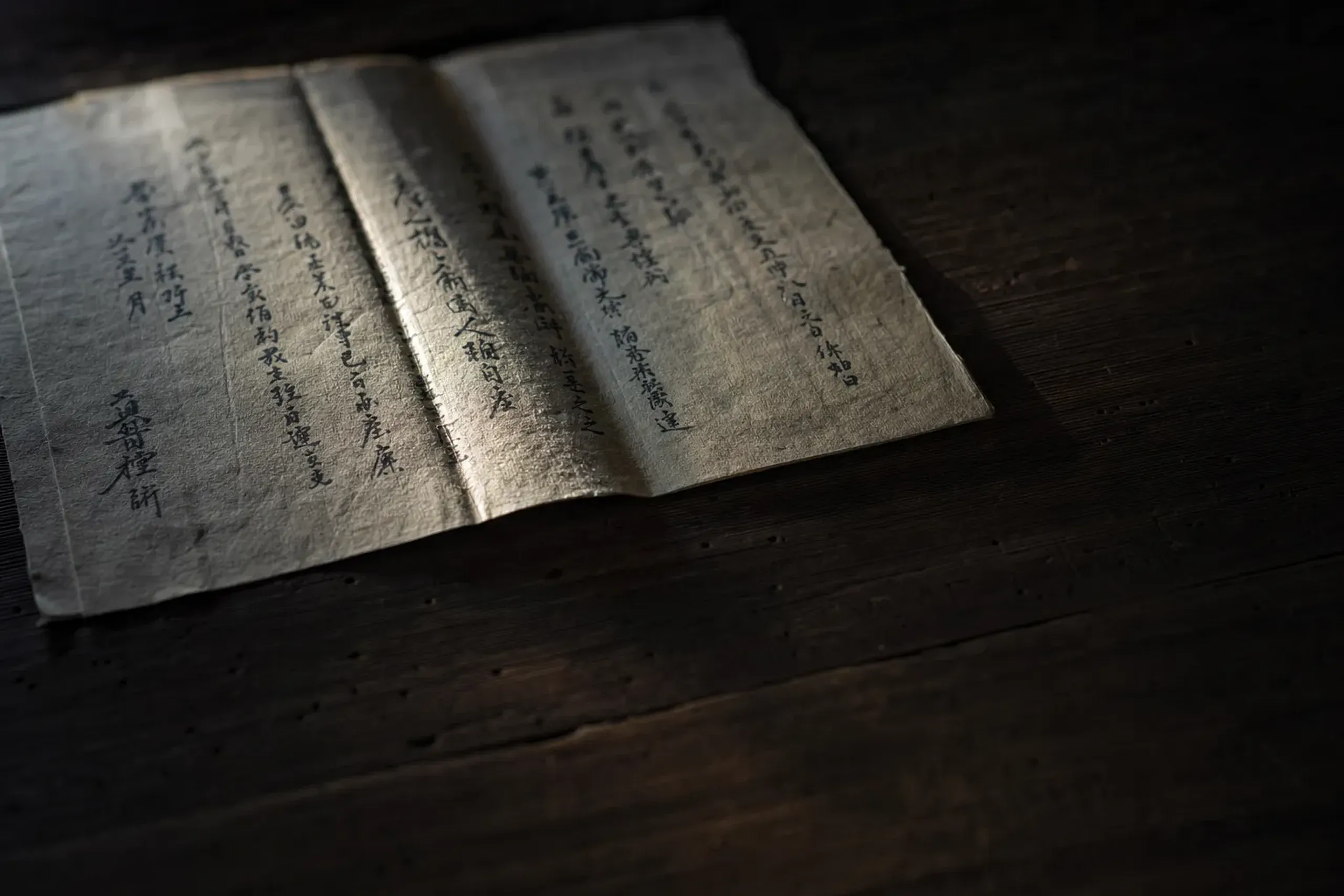
Historians who have picked the account apart now believe it stitched together two things that never belonged in the same sentence: an older folk-tale collection featuring Tamuramaro, and the real, bloody conflict between the Tsugaru and Nanbu domains, led by Tsugaru Tamenobu.
Different man. Different century. The wires got crossed. The Tamuramaro legend spread and hardened specifically in the Meiji era, and specifically in the Tsugaru region, where a good story attached to a famous name did the work good stories always do.
What makes this genuinely strange is how deep the invention runs. In 1962, festival organisers created a top award for the best participating group and named it the Tamuramaro Prize. A trophy, in the twentieth century, honouring a founding role no serious historian credits. It was later renamed the Nebuta Taishō — the name still used today. The echo remains. Every year the festival crowns a winner under a title that quietly carries a legend historians have set aside.
Key fact: The festival's most famous origin story — the general and his decoy lanterns — is best understood as a later invention, not history. The top prize once bore his name anyway.
So What Actually Started The Festival?
The honest answer is that no single theory is fully settled — but the current best account traces Nebuta to a folk custom of casting away drowsiness, fused over time with the imported Tanabata tradition.
Before we reach that account, there is a second candidate worth its space.
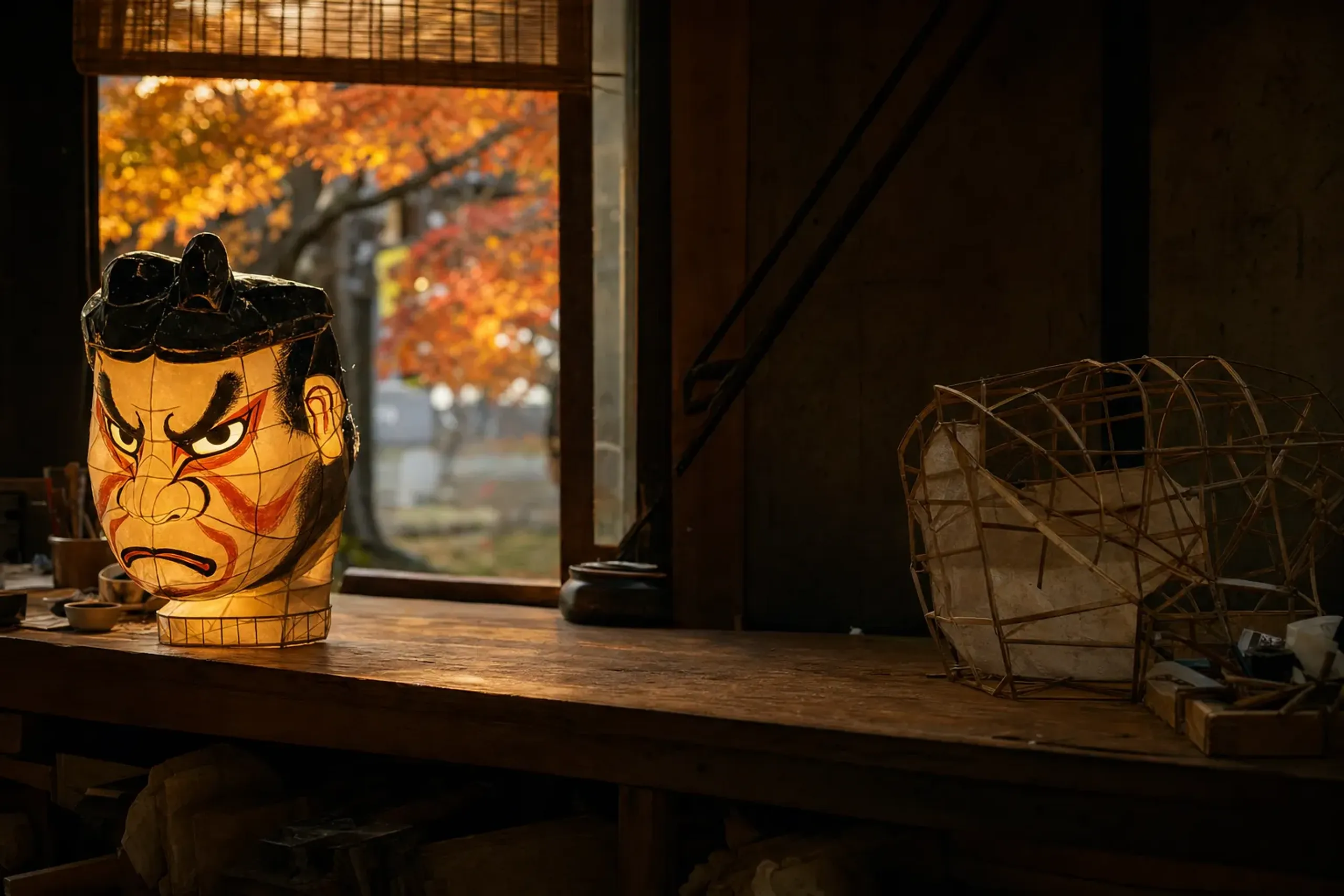
One theory holds that in 1593, Tsugaru Tamenobu — having seen Bon lantern festivities during a stay in Kyoto — ordered his retainer Hattori Yasunari to construct a great Tsugaru lantern and parade it through the streets. A competing version says this happened later still, under Tamenobu's son Tsugaru Nobuhira, and was quietly re-attributed to the father. Fathers get the credit. It happens.
Both the Tamuramaro theory and the Tamenobu theory came, in time, to be doubted. The account most scholars now favour is the Tanabata origin theory. It joins two threads. The first is Nemuri Nagashi, a folk custom in which people walked outside for a few nights in early July carrying leaves and lanterns, transferring their fatigue and summer drowsiness onto the objects before casting them into a river or the sea. The second is Tanabata itself, which reached Japan from China during the Nara period, 710 to 794.
Put drowsiness-casting and star-festival lanterns together over enough summers, and you begin to see the shape of what Nebuta became.
And yet. Even this preferred account has a gap its own supporters admit. Exactly how an informal, small-scale folk custom grew into a large, official, domain-sponsored lantern procession is not clearly understood. There is a missing hinge in the story. We think it fair to say so plainly, rather than paper over the seam with confidence nobody has earned.
Nebuta Or Neputa? The Naming Split Explained
Both words come from the Tsugaru dialect term for "sleepy" — and the region splits over which spelling to use, a real linguistic divide from a single root.
The connection to Nemuri Nagashi lives right there in the name. Driving away drowsiness was the whole point of the custom, and the festival kept the word for it. In Aomori City and the prefecture's northern areas, people say nebuta. Travel west to Hirosaki and Kuroishi and the same root becomes neputa.
One word. One meaning. Two mouths shaping it differently across a few dozen kilometres. Small details like this tell you more about a place than any founding legend ever could — and they are exactly the threads a knowing guide can pull for you on the ground.
How A Nebuta Float Is Actually Made
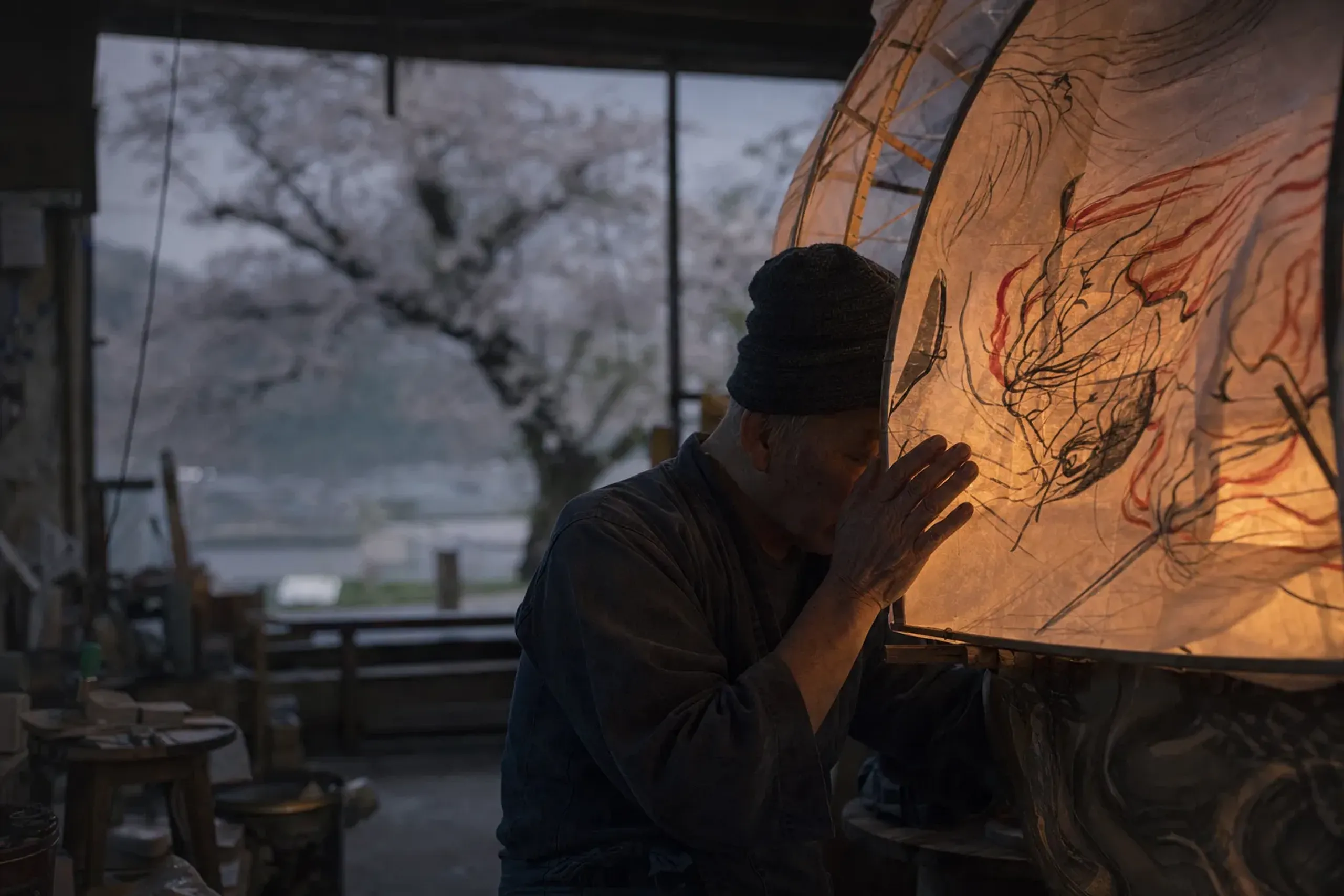
A single large float takes roughly three months and the cooperation of many hands, led by one nebuta-shi who sketches the design and decides its structure and colour.
The floats did not always look this way. Early ones were simple box-shaped lanterns — no snarling warriors, no gods caught mid-battle. The large human-figure lanterns only emerged in the early 1800s. And the towering, blazing form recognised worldwide today is more recent still.
Here is the detail worth sitting with: the modern Nebuta only became fixed after 1945, when the lighting switched from candles to electric bulbs. Candles could not safely fill a structure this size with even, brilliant light. Electricity could. The festival's single most iconic quality — an entire warrior glowing from within — is younger than the automobile.
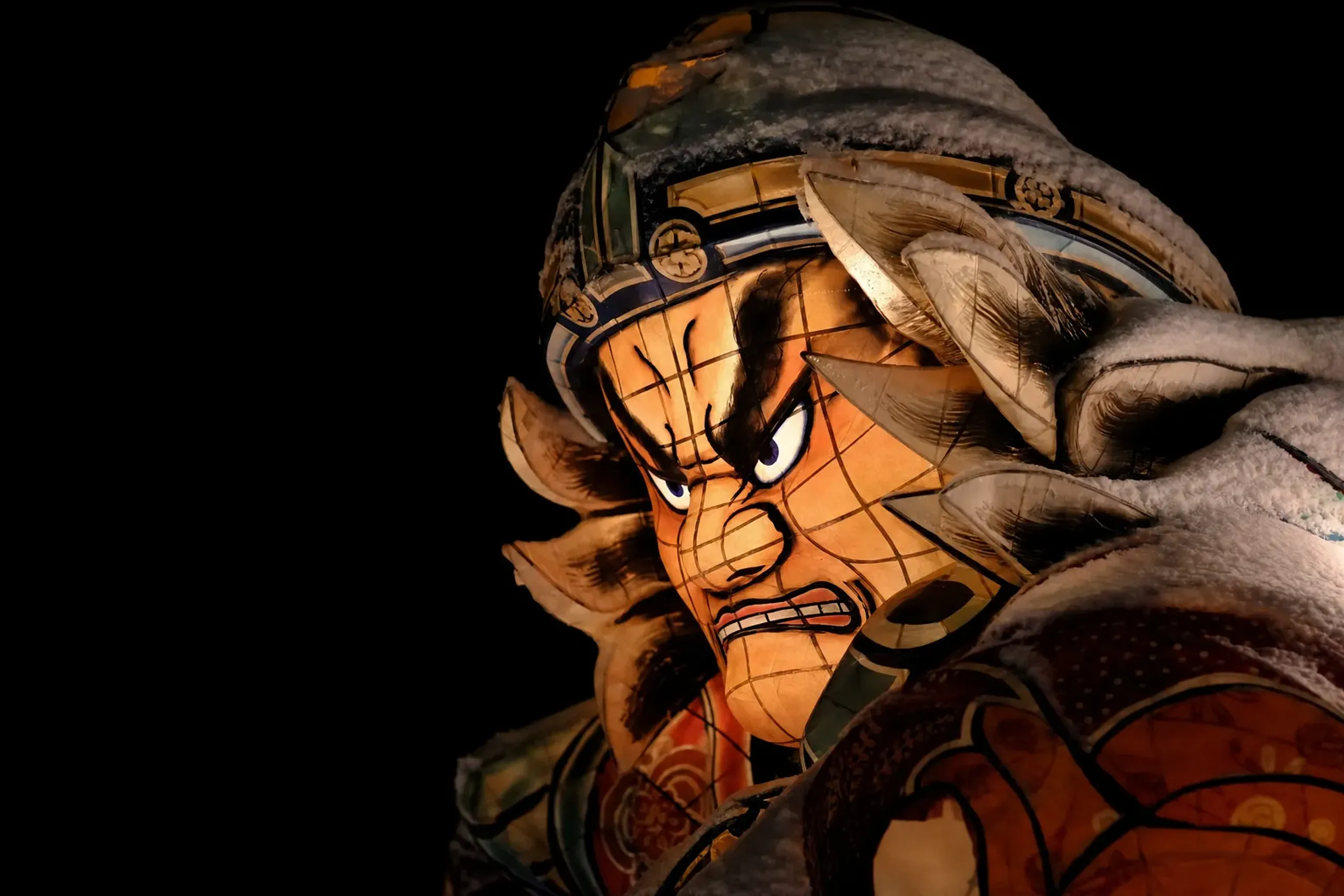
The process runs roughly like this:
- The nebuta-shi draws the design and settles the overall composition and colouring.
- A wire frame is bent and assembled into the figure's full form.
- Washi paper is pasted across the frame, panel by panel.
- Ink outlines, then wax, then colour build the face and armour.
- Interior lighting is fitted so the whole figure reads as a lantern.
Many people labour these three months toward one night's appearance. The festival was designated a nationally Important Intangible Folk Cultural Property in 1980 — recognition not of a legend, but of this quiet, disciplined craft. This is the world of the shokunin: the artisan whose mastery is passed hand to hand rather than written down, and whose workshop is rarely opened to outside eyes. Time in the presence of a working nebuta-shi, watching a warrior emerge from wire and paper before the crowds ever see it, is among the most quietly moving privileges Aomori offers — and precisely the kind of introduction that cannot be booked through a public channel.
What The Nebuta Matsuri Looks Like Today
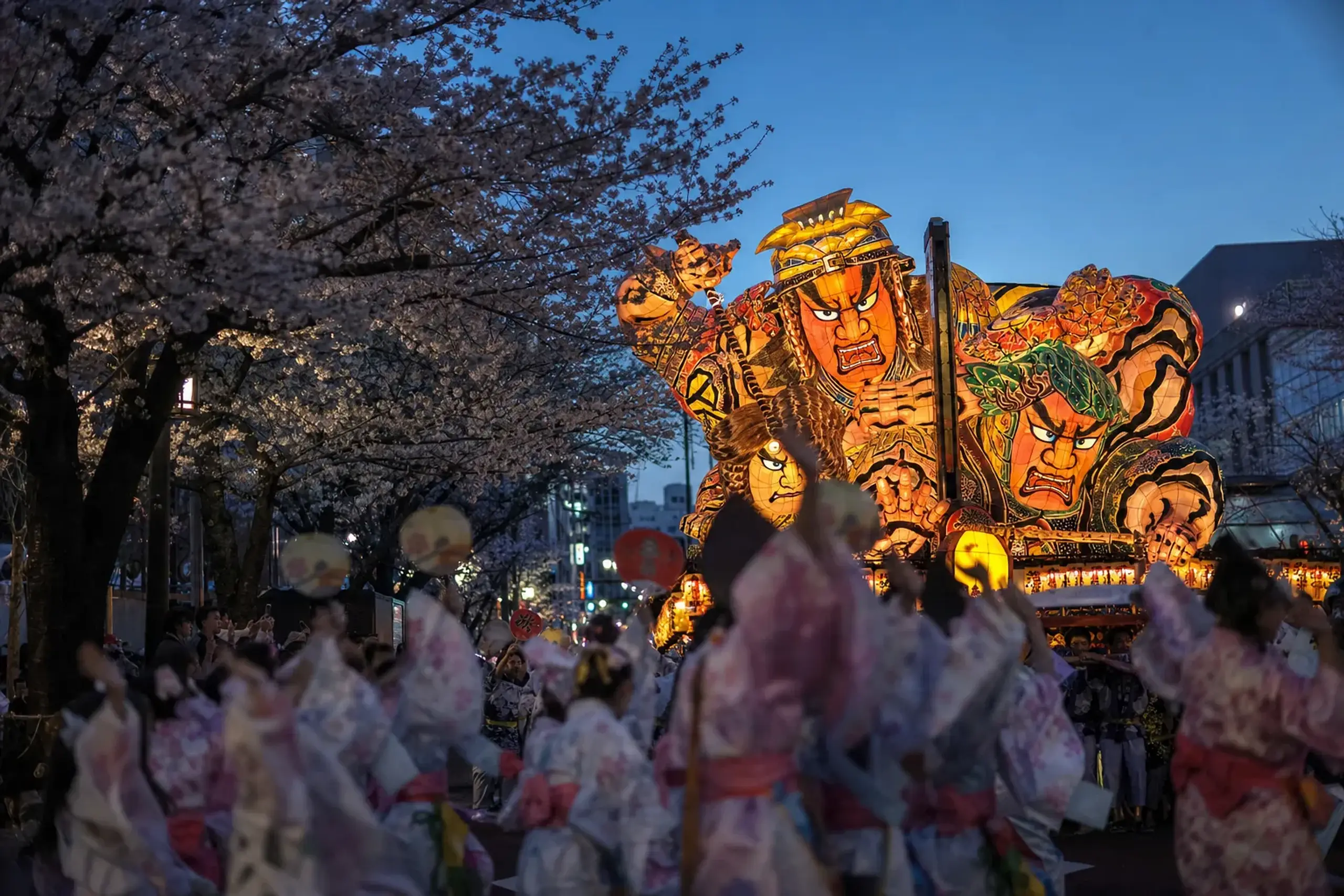
The Aomori Nebuta Matsuri runs on fixed early-August dates each year and is one of the Three Great Festivals of Tōhoku, alongside Sendai Tanabata and Akita Kantō.
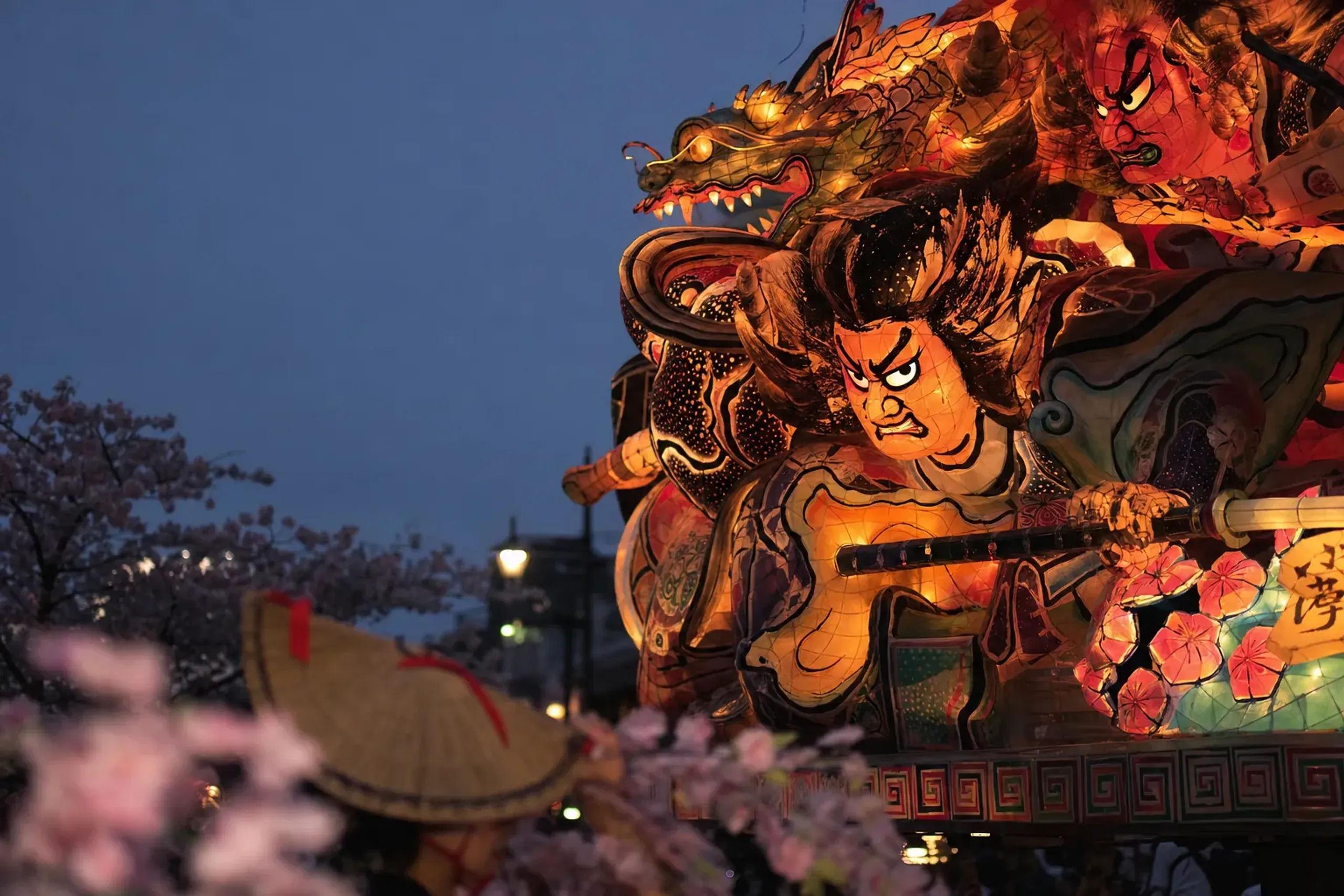
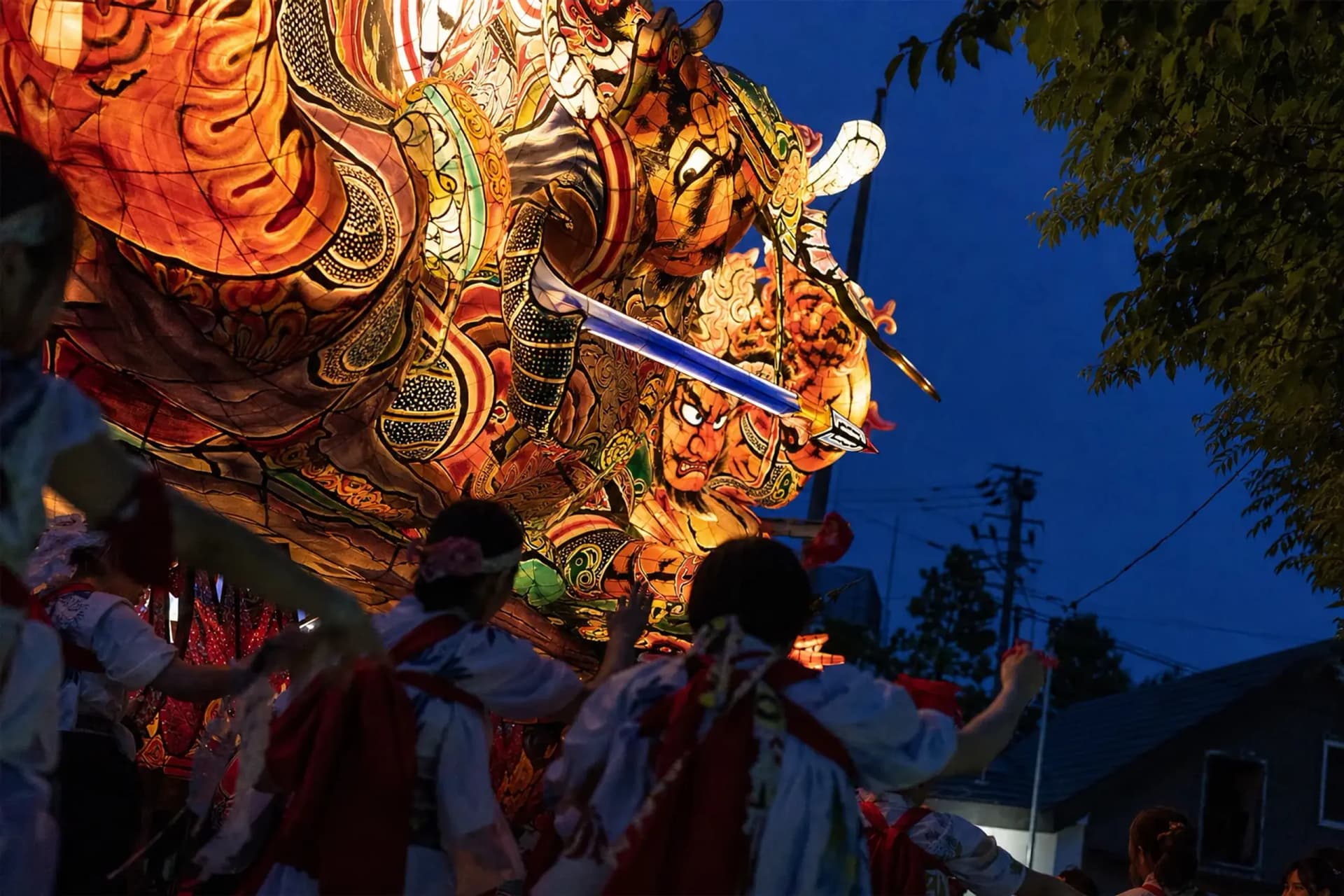
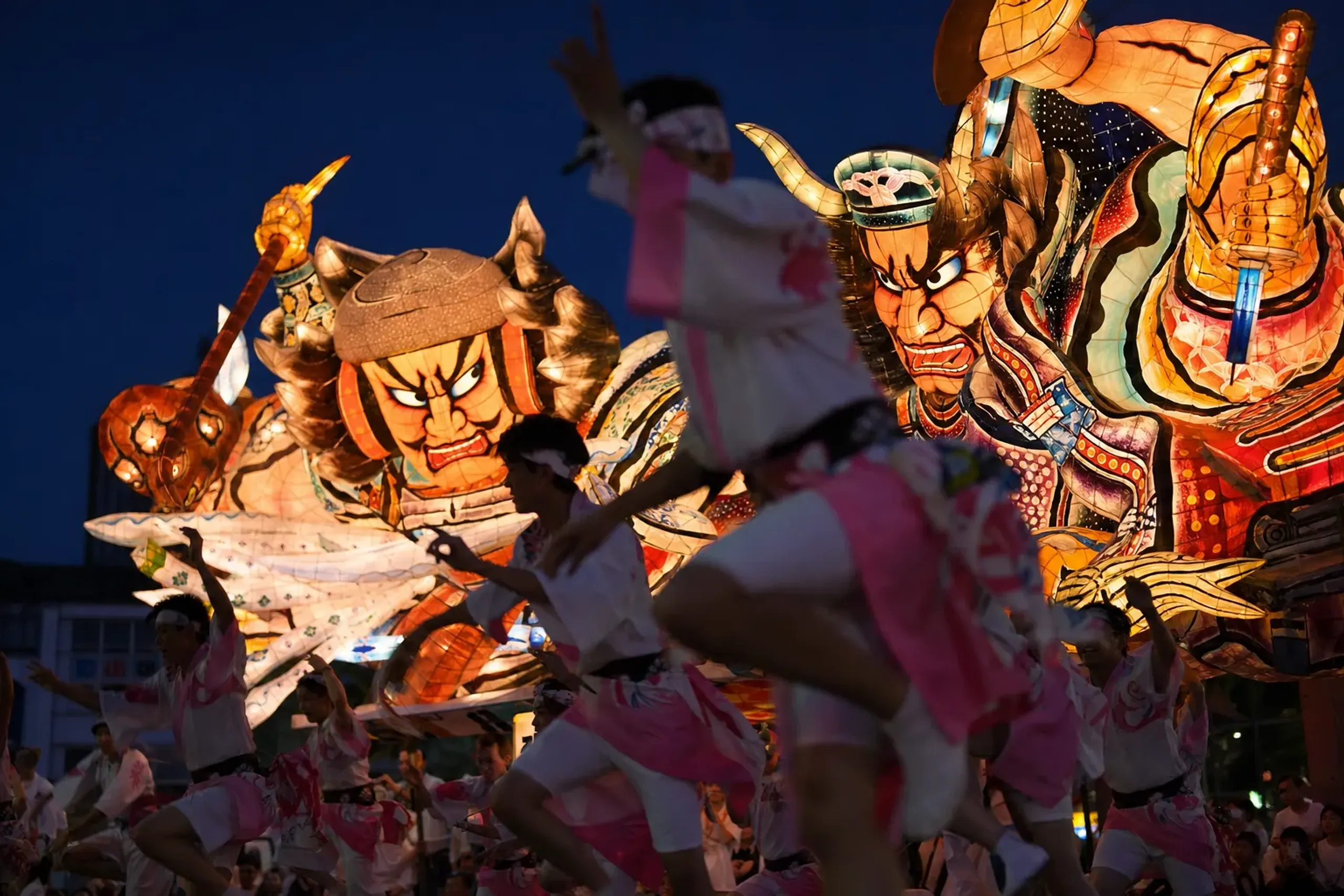
The energy comes from the haneto — the "jumping people." Dressed in bright festival costume, they dance alongside the floats, leaping to the drum's pulse and shouting "Rassera! Rassera!" into the summer night. The floats roll.
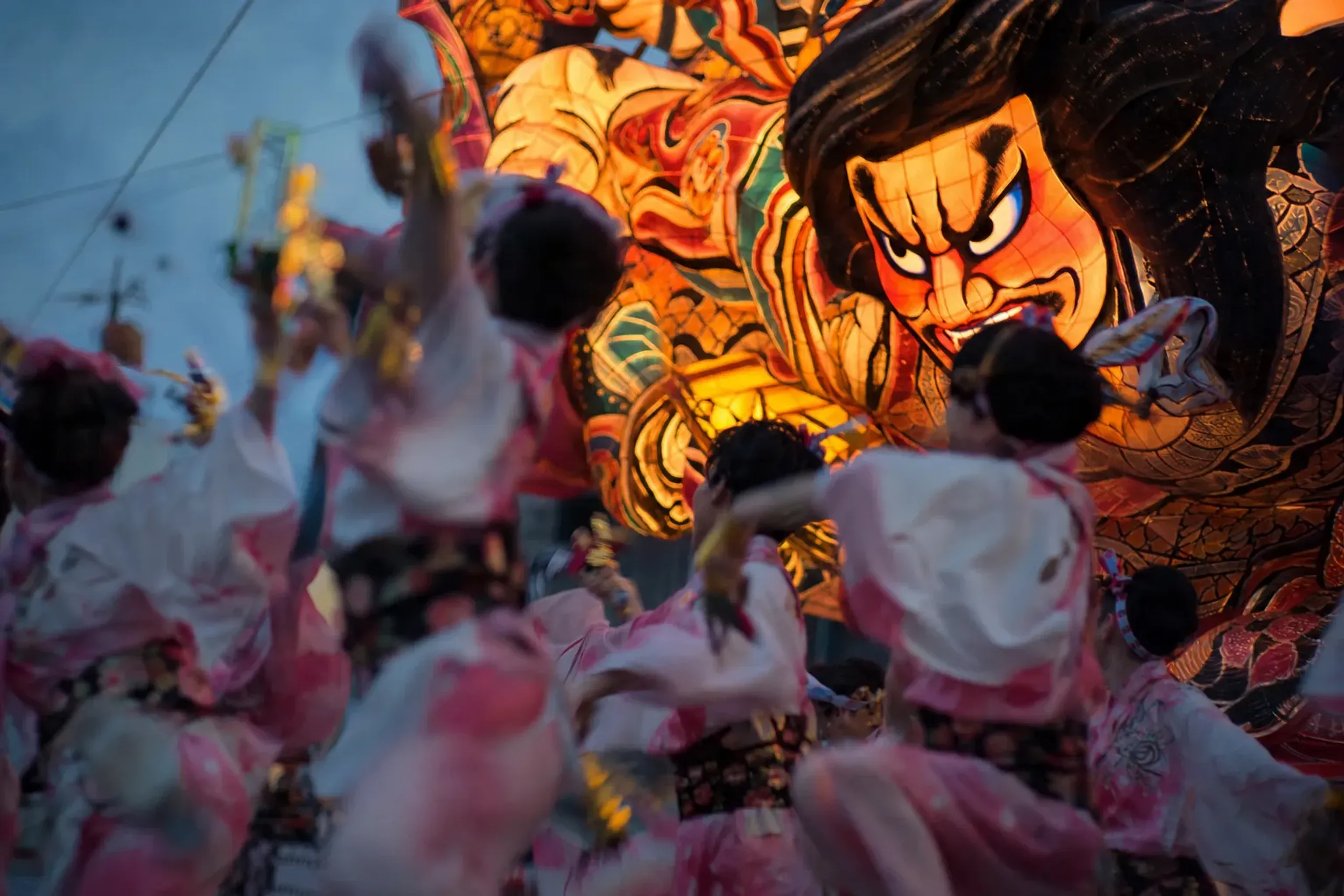
The taiko carry the pace. The warriors' painted faces burn with electric light that did not exist a century ago, and the crowd moves with them.
Attendance is reported in the millions each year. We present that as a figure the local tourism association cites rather than a precisely audited count — festival crowds resist tidy arithmetic. Either way, the streets fill.
A note on siblings, because visitors mix them up. Nebuta and neputa events take place at more than forty locations across Aomori Prefecture through July and August. The three largest are distinct: Aomori Nebuta, Hirosaki Neputa, and Goshogawara Tachineputa — the last famous for enormous vertical floats rising roughly 23 metres and weighing around 19 tonnes. That is a separate festival with its own character. This article is about Aomori's.
For daytime, the Nebuta Museum Wa Rasse in Aomori City displays full-scale floats year-round and offers an authentic Nebuta experience every day — a calm counterpoint to the night, and a good option for travellers whose dates fall outside festival week.
When To Go And How To Plan Around The Program
The Aomori Nebuta Matsuri is held on fixed early-August dates each year, with the large floats parading over several consecutive evenings and a daytime parade plus an ocean procession and fireworks on the final day.
The nightly structure matters if you want the full spectacle. The opening evenings feature children's nebuta alongside the large floats. The middle nights are when the parade hits full stride and the complete lineup of large floats appears — these are the evenings most worth prioritising.
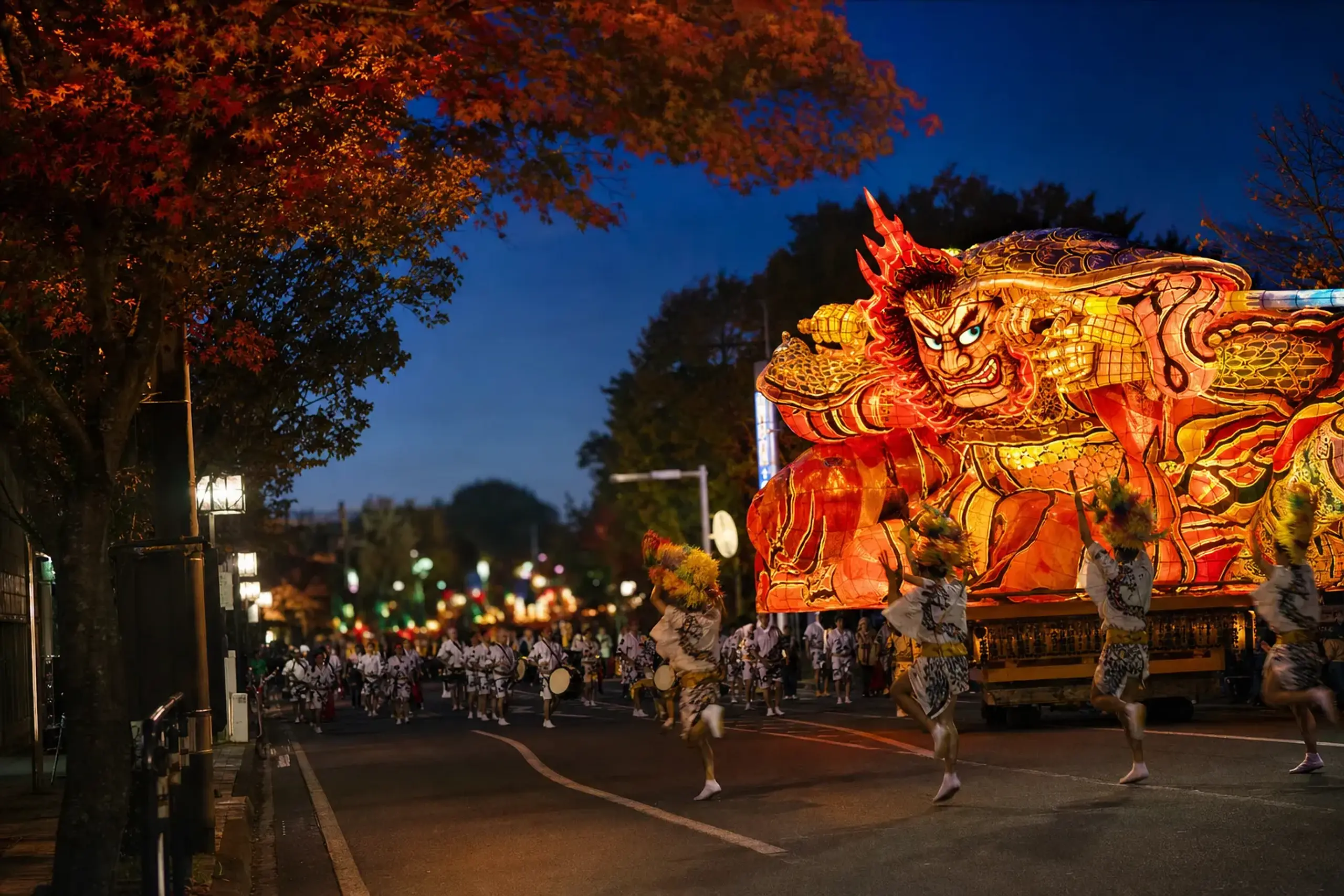
The final day shifts entirely: a daytime parade, then an evening marine procession across Aomori Bay with fireworks. The finale is a different experience from the street parades, and fireworks seating is handled separately from the parade nights.
This is where the Japanese sense of shun — the instinct for exactly what to experience, where, and in which precise days of the month — becomes something you feel rather than read about. Nebuta rewards timing to the evening, not merely to the season. Because exact dates are fixed but seating structures and participation rules shift from year to year, we confirm the current-year program before shaping any itinerary. For couples building a summer journey, Nebuta pairs naturally with a wider Northern Tōhoku route and a hop across the Tsugaru Strait toward Hakodate.
What Japan Royal Service Arranges For Nebuta
Our concierge team handles guiding, private transfers, and seating arrangements through official viewing-area operators where available. Stated plainly, once: we work within the festival's official channels, and we verify current-year dates, viewing-area ticket availability, and haneto participation arrangements on your behalf ahead of the visit. Your itinerary and your identity remain entirely your own — discretion is a matter we treat as absolute, not optional.
What that looks like on the ground. A private chauffeured vehicle that positions you before the crush and extracts you after it, rather than surrendering you to a packed station platform. An English-speaking guide who knows where the parade turns, where the light is best, and when to eat so dinner does not collide with the drums.
A quiet place to stay that becomes a refuge from the heat and noise the moment you want one. This is omotenashi in its truest form — care that anticipates the need before you voice it, so the evening unfolds as pure spectacle and never as logistics.
Many visitors treat Nebuta as a single night. In our experience the festival rewards the traveller who builds a few unhurried days around it — a daytime cultural session at Wa Rasse, an Aomori seafood table, a slow morning before the evening's energy, and, for those we can arrange it, a private hour inside a nebuta-shi's workshop. If you are combining all three Tōhoku festivals in one summer week, our festival-focused journals and a dedicated concierge conversation are the right starting points, and we will shape a bespoke itinerary around the current-year program.
Frequently Asked Questions
When Is The Aomori Nebuta Matsuri Held Each Year?
The Aomori Nebuta Matsuri is held on fixed early-August dates every year in Aomori City. The large-float parade nights run across several consecutive evenings, followed by a final-day daytime parade and an evening marine procession with fireworks over Aomori Bay.
Which Nights Of Nebuta Are The Best To Attend?
The middle evenings of the festival are generally best, as the parade reaches full swing and the complete lineup of large floats appears. Opening nights include children's nebuta, and the final day is a distinct experience with a daytime parade, ocean procession, and fireworks.
What Is The Difference Between Nebuta And Neputa?
Both words come from the Tsugaru dialect term for "sleepy." Aomori City and the prefecture's northern areas use "nebuta," while Hirosaki and Kuroishi to the west use "neputa." They are related but distinct festivals held in the same prefecture.
Is There A Way To Experience Nebuta Outside Festival Week?
Yes. The Nebuta Museum Wa Rasse in Aomori City displays full-scale floats year-round and offers an authentic Nebuta experience every day, making it ideal for travellers whose dates fall outside the early-August festival period.
Did A General Really Found The Nebuta Festival?
Almost certainly not. The popular story crediting Sakanoue no Tamuramaro is traced by scholars to a later text that fused two unrelated legends. The currently accepted account links the festival to a drowsiness-casting folk custom fused with Tanabata.
Why Choose Japan Royal Service
Festivals like Nebuta are chaos with a heartbeat — millions of people, closed roads, drums that go on for hours. The pleasure of it depends entirely on not fighting the logistics. That is the work we do quietly in the background, so that all you are left with is the light, the sound, and the warriors glowing above the crowd.
When you are ready to build your summer around Nebuta — or to weave it into a wider journey through Northern Tōhoku — contact us here to begin a private, unhurried conversation. We will confirm this year's program and shape every detail around you.