In this guide
- 01The Four Kinds Of Hard-To-Book Ryokan
- 02Tier 1: Hard By Volume (And Why A Platform Is Fine Here)
- 03Tier 2: Hard By Channel (The Central Problem)
- 04Tier 3: Hard By Relationship
- 05Tier 4: Hard By Room (Book The Property, Miss The Room)
- 06The Booking Mechanics Foreign Guests Get Wrong
- 07What We Confirm In Japanese Before You Arrive
- 08When The Answer Is No: The Considered Alternative
- 09A Note On 2026 Kyoto Openings
- 10Frequently Asked Questions
- 11Why Choose Japan Royal Service
Japan Royal Service secures ryokan reservations that never appear online. This includes phone-only properties that answer in Japanese, and specific rooms that are never published as selectable inventory anywhere. If your question is "who can get me this room," the short answer is a concierge who will place the call, brief your kaiseki dinner against your dietary needs, and request the exact room by name. Some of those rooms are not reachable through any booking platform at any price.
That last sentence is the whole argument. Most travellers assume a room is either available or sold out. The truer picture is that a room can be available and unreachable at the same time, because the channel that holds it does not speak your language and does not exist on the web.
This page explains four kinds of difficulty, what our team at Japan Royal Service attempts at each, and where we stop. It also covers the booking mechanics foreign guests get wrong most often, especially per-person pricing and fixed release windows.
The Four Kinds Of Hard-To-Book Ryokan
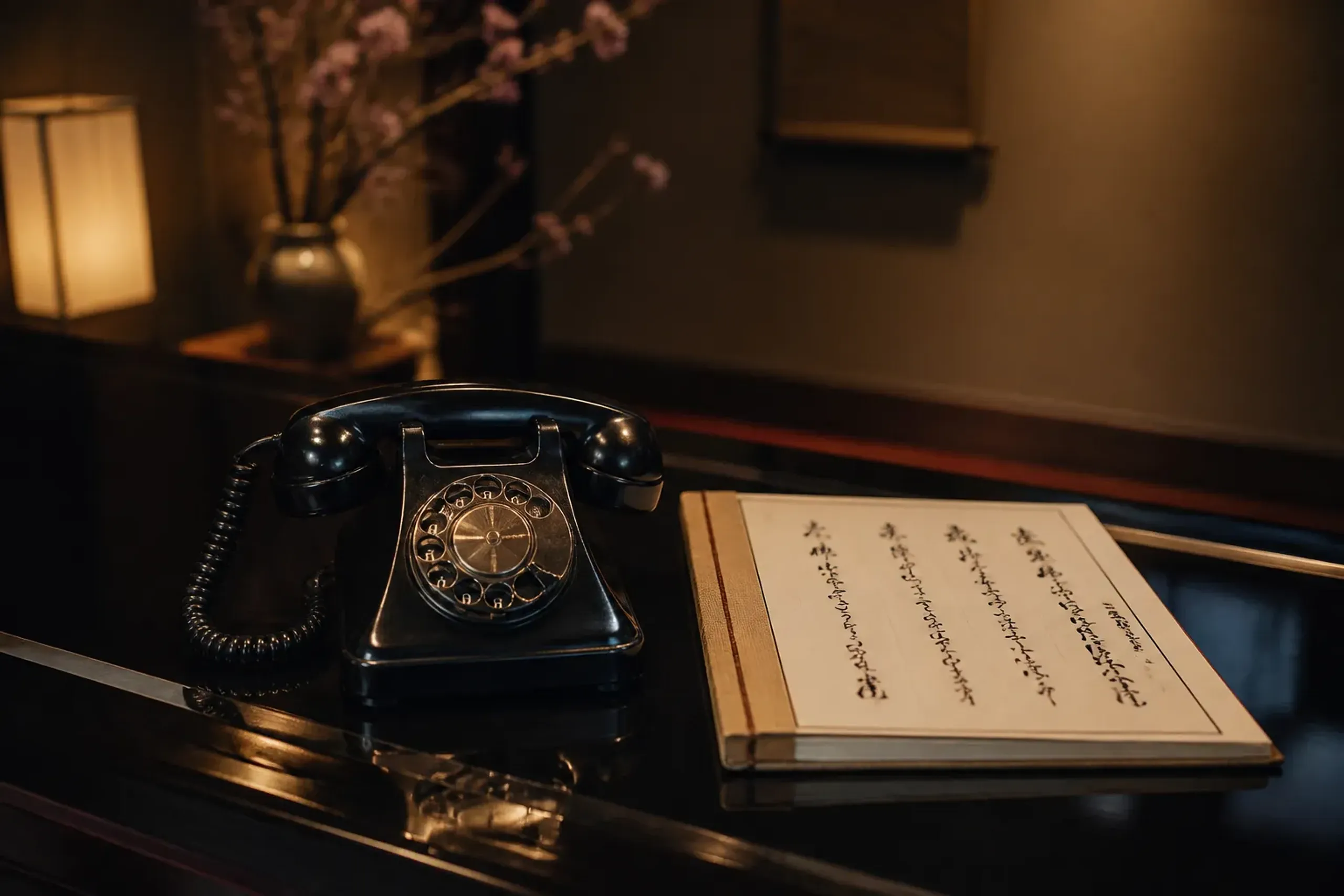
A hard-to-book ryokan is not one problem. It is four. Sorting them matters, because the solution changes completely from one to the next. Confusing them is why so many people give up.
Here is the map before the detail.
- Hard by volume: Famous, online, sells out fast — who solves it: a booking platform, honestly
- Hard by channel: Telephone only, Japanese only, no online inventory — who solves it: a Japanese-speaking concierge
- Hard by relationship: Property favours returning guests or known intermediaries — who solves it: time and correct conduct
- Hard by room: Property is bookable, the specific room is not exposed — who solves it: a named room request by phone
Tier 1: Hard By Volume (And Why A Platform Is Fine Here)
Some ryokan are famous, bookable online, and simply sell out. That is tier one. If a property publishes English inventory and you can reach it with a card and a calendar, you rarely need a concierge for the reservation itself.
We say this plainly. Japan Royal Service does not pretend a service is required where it is not. A well-known onsen ryokan with an English booking page and open dates is a task for you and a search bar.
Naming what does not need us is the point. It is what makes the next three tiers believable. A concierge who claims to be essential to every reservation is selling something other than honesty.
Where volume properties get genuinely hard is peak dates. Cherry blossom weeks, autumn foliage, and the New Year period compress demand into a handful of nights. For those, tier one starts behaving like tier three, and early planning becomes the only real lever.
Tier 2: Hard By Channel (The Central Problem)
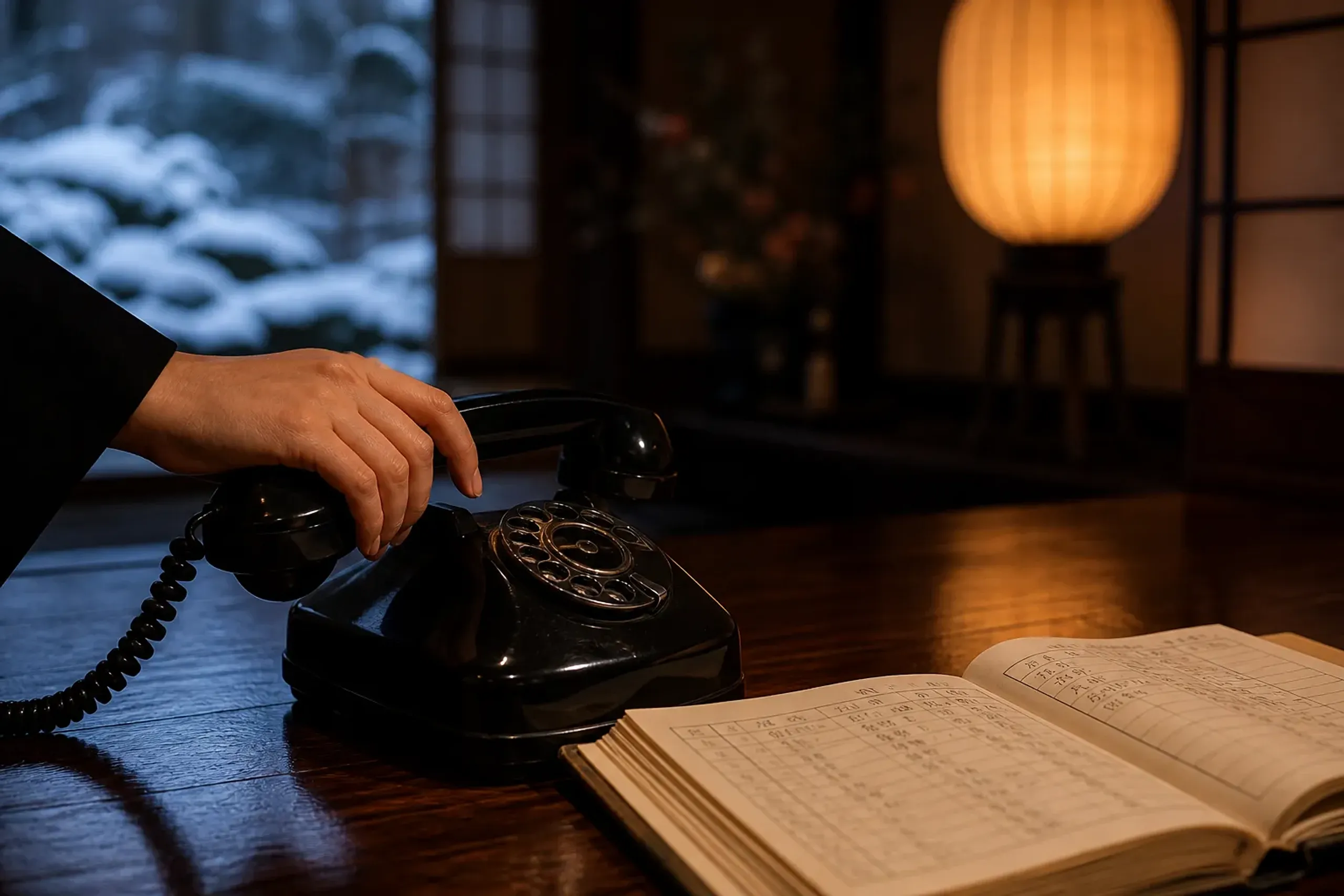
This is the part almost no guide explains. Some ryokan take reservations by telephone only. The call is answered in Japanese. There is no online inventory in any language.
Those rooms are not sold out. They are unreachable. No platform lists them, no English form submits to them, and no amount of budget changes that, because the constraint is the channel, not the price.
Kagaya, the well-known ryokan at Wakura Onsen in Ishikawa, states in its own FAQ that reservations can be made by telephone up to one year in advance. That is a documented property policy, and it is a clean example of a phone-first workflow. A guest who does not speak Japanese and does not know the window exists is at a real disadvantage before the year even opens.
Here is what Japan Royal Service actually does at tier two. We place the call in Japanese. We ask which dates are open, we request the room, and we confirm the terms in the property's own words rather than a translated guess.
Naming the language barrier as an operational task is more honest than claiming secret access. There is no secret. There is a phone number, a business-hours window, and a conversation that has to happen in Japanese. That is the gap we close.
Key fact: A phone-only, Japanese-only ryokan room cannot be booked through any online platform, at any price. The barrier is the channel, not availability.
Japan-guide.com, a long-standing travel reference, notes that while online booking coverage for ryokan has grown, some properties still cannot be reserved online in English and may require alternative reservation methods. That confirms the pattern in general terms, without our needing to overstate it.
Tier 3: Hard By Relationship
Some ryokan quietly favour returning guests. A room may exist on paper and still be held for people the property already knows, or for arrivals introduced through a familiar intermediary. This is a matter of custom, not a published rule.
We will not claim a standing allocation, a referral status, or held inventory at any named property unless it is confirmed in writing. That claim is common in luxury travel copy and it is usually untrue. We would rather be dull and accurate.
What we do is conduct ourselves in a way that Japanese properties recognise. Correct arrival times. A precise dietary brief. Clear confirmation of policies. Payment handled cleanly. Over time, conduct is what earns a property's confidence, and no shortcut replaces it.
Tier three is where patience matters more than leverage. A property that does not know you today may know you in two visits. We plan for that horizon rather than promising it away in a single email.
Tier 4: Hard By Room (Book The Property, Miss The Room)
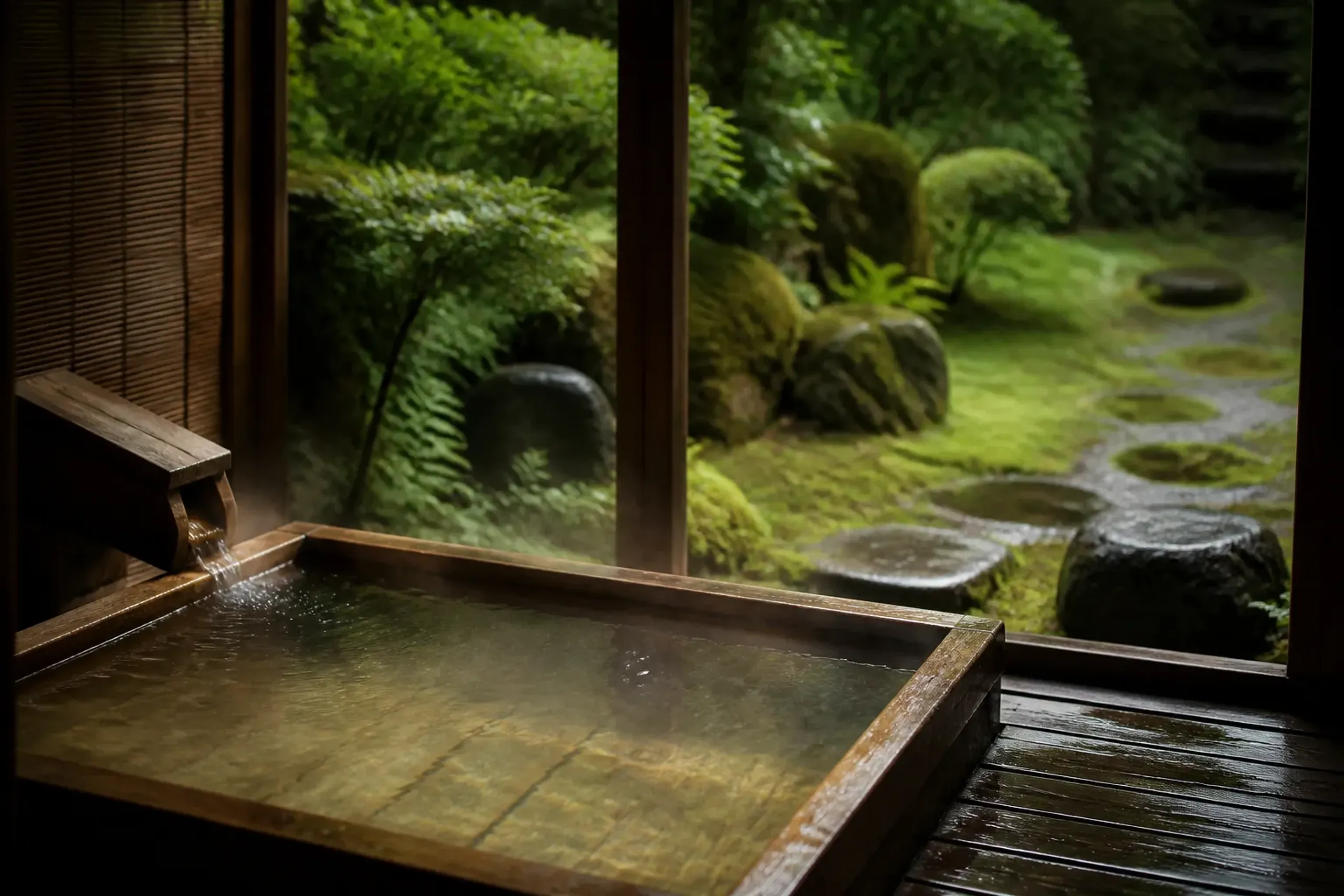
This is the one experienced travellers underrate. A ryokan can be fully bookable while the specific room you actually want is never exposed as selectable inventory. You reserve "a room." You do not reserve the room.
Two rooms in the same building are not the same product. One has a private rotenburo on its own veranda. Another faces the garden. A third sits at a corner, further from the public bath and the dining hall, with far less foot traffic passing the door.
Booking the property is not the same as booking the right room. Most online systems assign a room type, not a room. The distance from the corridor, the aspect of the garden view, the bath model in the room itself: none of that is usually a checkbox.
What Japan Royal Service does here is request the room by name or number, in Japanese, and ask specific questions. Is the private bath fed by onsen water or heated supply? Is it in-room, a reservable kashikiri bath, or a shared facility? Which rooms sit furthest from public traffic? Those answers come from the property, not from a listing.
Hiiragiya, the Kyoto ryokan established in 1818, is a useful illustration of scale. It lists seventeen rooms in its Main Building and seven in its New Wing. When a property has two dozen distinct rooms, "is it available" and "is the room I want available" are two entirely different questions.
The Booking Mechanics Foreign Guests Get Wrong
Access is only half the problem. The other half is the mechanics, and they differ from hotels in ways that cost people money and dates.
Pricing Is Per Person, With Meals Included
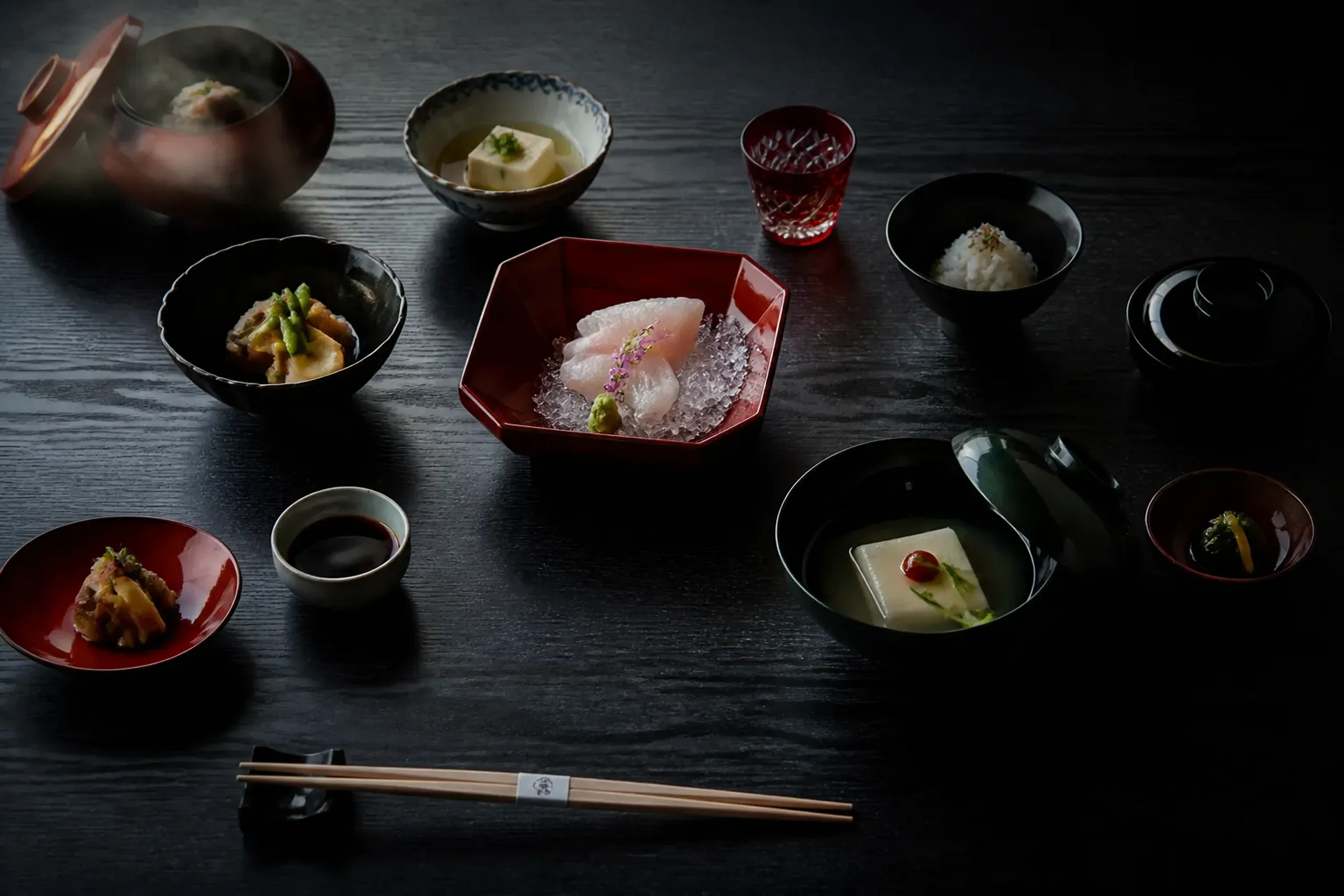
Ryokan rates are typically quoted per person, not per room. That figure usually includes a kaiseki dinner and breakfast. This is the single most common misread among foreign bookers.
Read the rate as per-room and your budget is wrong by roughly a factor of two for a couple. A rate of "¥X per person" for two guests is close to double that before tax and service. Families multiply again, though children's rates and policies vary by property.
Kyoto's Accommodation Tax Changed On March 1, 2026
Kyoto City changed its accommodation tax rates effective March 1, 2026, for overnight stays in the city. Higher-priced stays fall into higher per-person brackets, so luxury ryokan and hotels are affected more than budget lodging. This is a per-person line item on top of the room rate.
Plan the total, not the headline rate. For a Kyoto ryokan, your real per-night figure is the per-person rate, times the number of guests, plus service charge, plus the accommodation tax at the current 2026 band. Hiiragiya, for instance, notes on its own site that Kyoto City accommodation tax is charged separately.
Total-cost formula for Kyoto ryokan: (per-person rate × number of guests) + service charge + Kyoto accommodation tax per person, at the 2026 band.
Booking Windows Open On A Fixed Date And Can Close In Hours
Ryokan reservations often follow a fixed-window mechanic. A property opens a given date's inventory on a set day, commonly several months ahead, and for peak dates that inventory can close within hours. Some properties, like Kagaya per its own FAQ, accept telephone bookings up to a year in advance instead.
There is no single universal rule. Windows vary by property and by channel. What is consistent is the consequence: a late enquiry for a peak date loses the room to the calendar, not to price.
This is why we treat early planning as arithmetic, not salesmanship. If the window for your date opened three months ago, budget cannot reopen it. Knowing the opening date is the whole game, and tracking those dates is unglamorous work we do quietly in the background.
Deposits And Cancellation Differ From Hotels
Ryokan deposit and cancellation customs are not the same as a flexible hotel rate. Because meals are prepared to order, cancellation terms tend to tighten closer to the stay, and some properties require prepayment. Terms vary by property, so we confirm them in writing before you commit.
Lead Time By Season
Peak periods are cherry blossom season, autumn foliage, and the New Year. For those windows in trophy towns such as Kyoto, Hakone, Kanazawa, and parts of Hokkaido, lead times run long. For shoulder dates, the pressure eases considerably.
What We Confirm In Japanese Before You Arrive
The reservation is the start, not the finish. Several things need advance notice, and each is a phone conversation in Japanese against the property's actual policy.
- Dietary restrictions against the planned kaiseki menu. A kaiseki dinner is composed in advance around the season. Allergies and restrictions have to be briefed early enough for the kitchen to adjust the courses, not on arrival.
- Tattoo policy. Some onsen and ryokan restrict visible tattoos in shared baths. Where that is a concern, an in-room or reservable private bath may be the answer, which loops straight back to the tier-four room question.
- Children policy. Some ryokan limit or price children differently, and a few do not accept them at all.
- Accessibility. Traditional buildings vary widely in step-free access. This has to be confirmed against the specific room, not the property in general.
- Arrival time. Dinner is served on a schedule. A confirmed arrival window keeps the kaiseki service and the bath booking aligned.
When The Answer Is No: The Considered Alternative
Japan Royal Service tells you what is unavailable. A concierge who reports a room as unobtainable, then offers a genuinely comparable alternative, is doing the actual job. Refusal to overpromise is a feature of the service, not a limitation of it.
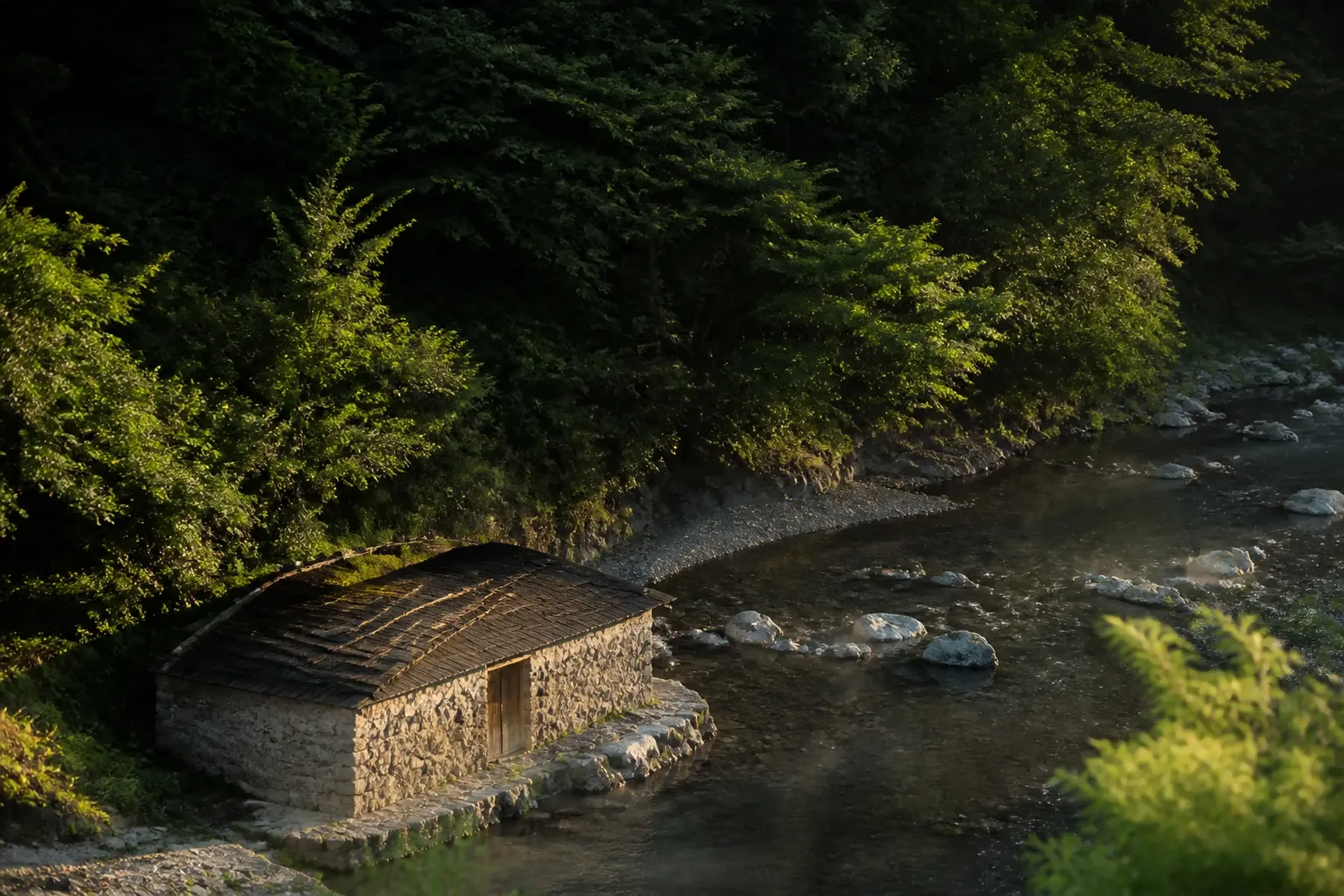
When an iconic name is closed for your dates, the better move is often a different property in the same region, chosen for a specific reason. If a Kyoto trophy room is gone, a base near the Kumano Kodo can deliver a rarer experience. Yunomine Onsen, described by specialists as a base in the Kumano Kodo area, is home to Tsuboyu, a UNESCO World Heritage bath bookable in thirty-minute private slots, subject to local operations.
That is not a downgrade. It is a different, sometimes better, answer to what you were really after, which was usually a private bath and a quiet night rather than a particular signboard.
A Note On 2026 Kyoto Openings
Two 2026 Kyoto openings change how we route a stay, even though they are hotels rather than ryokan. The Imperial Hotel, Kyoto opened on March 5, 2026, a small 55-room heritage-linked property in the Gion area. Capella Kyoto opened on March 22, 2026 in the Miyagawa-cho geisha district.
Why mention them on a ryokan page? Because a discreet Kyoto address on foot from early-morning and late-evening private appointments can pair with a ryokan night elsewhere in the trip. We design the sequence so entry and exit patterns stay quiet and the calendar never bottlenecks.
Frequently Asked Questions
Can A Concierge Book Ryokan That Are Not Available Online?
Yes, in many cases. Some ryokan take reservations only by telephone, in Japanese, with no online inventory, and Japan Royal Service places that call on your behalf. We confirm the terms in the property's own words rather than guaranteeing a room in advance.
How Far In Advance Should I Book A Luxury Ryokan?
For peak dates, plan as early as your dates allow, because booking windows can close within hours. Some properties accept telephone reservations up to a year ahead, as Kagaya states in its own FAQ. Lead times vary by property and season.
Why Is Ryokan Pricing Per Person Instead Of Per Room?
Ryokan rates typically include a kaiseki dinner and breakfast, so they are quoted per person. A couple's total is close to double the per-person figure, before tax and service. Reading the rate as per-room is the most common budgeting error foreign guests make.
Can I Request A Specific Room, Not Just A Room Type?
Often yes, but the specific room is rarely selectable online. Rooms differ by bath type, garden aspect, and distance from public areas, and we request a named room by phone. Availability of that exact room is not guaranteed.
What About Dietary Restrictions Against The Kaiseki Menu?
Kaiseki is planned around the season, so restrictions must be briefed early enough for the kitchen to adjust. We give the property the details in Japanese well before arrival. Some restrictions may still limit certain courses.
What Are The Rules On Tattoos And Children At Ryokan?
Some ryokan and onsen restrict visible tattoos in shared baths, and where that applies, an in-room or reservable private bath is often the solution. Children policies vary, and a few properties do not accept children at all. We confirm both against the specific property before booking.
How Does Kyoto's 2026 Accommodation Tax Affect My Total?
Kyoto City changed its accommodation tax on March 1, 2026, with higher brackets for higher-priced stays. It is a per-person charge added on top of the room rate, so luxury ryokan stays are affected more. Confirm the current band when planning your total cost.
What Happens If The Ryokan I Want Is Fully Booked?
We tell you plainly that it is unavailable and propose a considered alternative in the same region. Often that means a comparable property with a private rotenburo or a reservable bath. The goal is the experience you wanted, not a particular name.
Why Choose Japan Royal Service
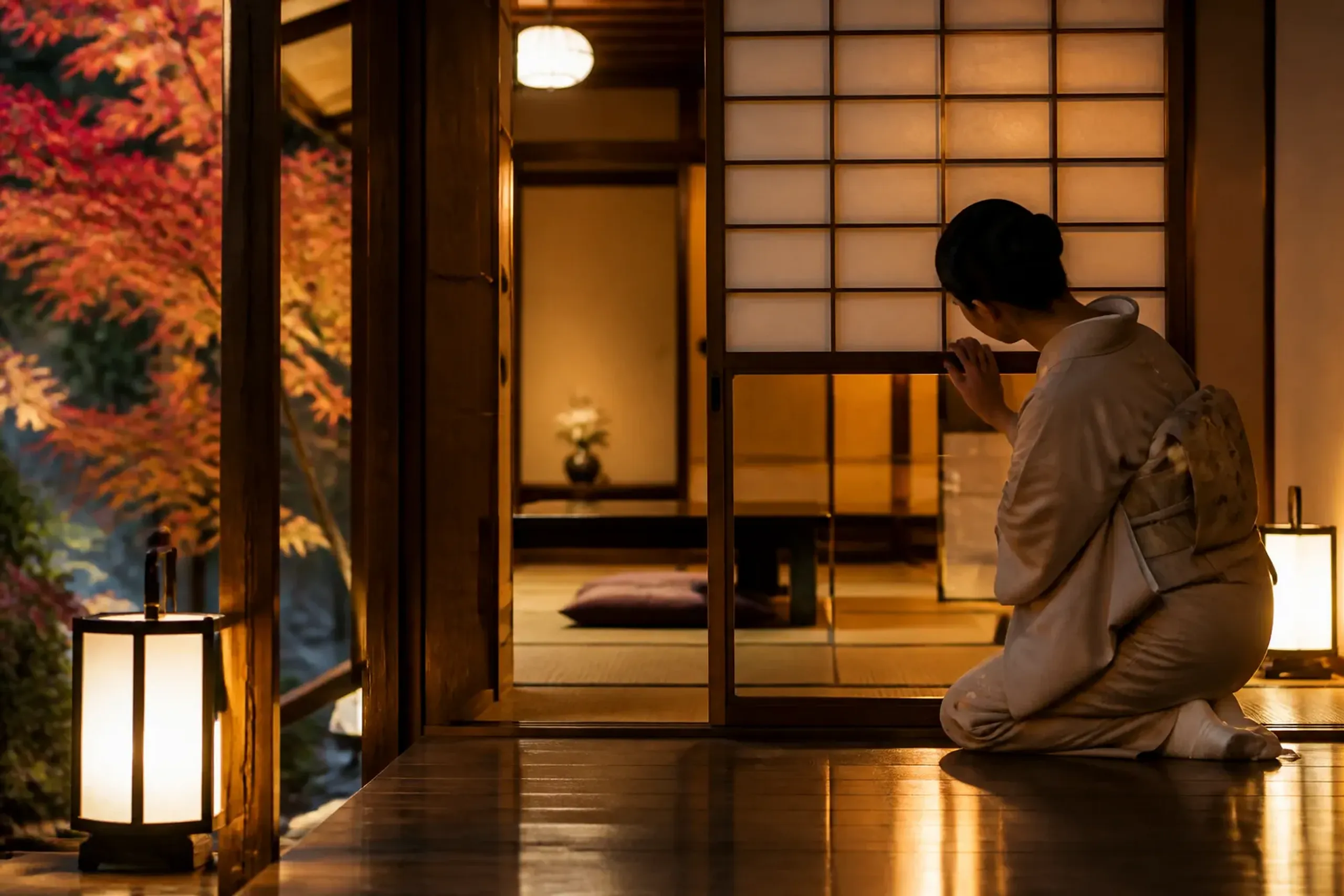
Japan Royal Service is a Japan-based concierge with native Japanese-language capability, which is the practical requirement for tier-two and tier-four ryokan work. We also operate in English, Thai, and Filipino. The reservation call, the dietary brief, the named room request, the confirmation of tattoo, children, and accessibility policies: all of that happens in Japanese, on your behalf.
We hold to what we can verify. We will not claim a relationship or held inventory with a named property unless it is confirmed, and we will not state another business's policy or pricing as fact without checking it first. Where we do not yet know a figure, we say so rather than invent one.
Our work extends beyond the room. Our team coordinates private chauffeured transport so arrival times align with the kaiseki schedule, and we can build the ryokan night into a tailor-made itinerary across Kyoto, Hakone, Kanazawa, and Hokkaido. You can read more about Japan Royal Service, or review our helicopter transfers and luxury hotel packages for stays that combine an onsen ryokan with a city base.
For private coordination on a hard-to-book luxury ryokan reservation, reach our team directly via WhatsApp or LINE, or contact us here.