In this guide
- 01Shimabara Castle: Begun In 1618, Rebuilt In 1964
- 02What Is Teppo-machi, The Samurai Street In Shimabara?
- 03Why Are There Carp In The Shimabara Canals?
- 04The Shimabara Rebellion Of 1637 To 1638
- 05How Do You Reach Shimabara From Nagasaki?
- 06Pairing Shimabara With Unzen, Amakusa Or A Nagasaki Stay
- 07How Japan Royal Service Arranges Shimabara
- 08Frequently Asked Questions
- 09Why Choose Japan Royal Service
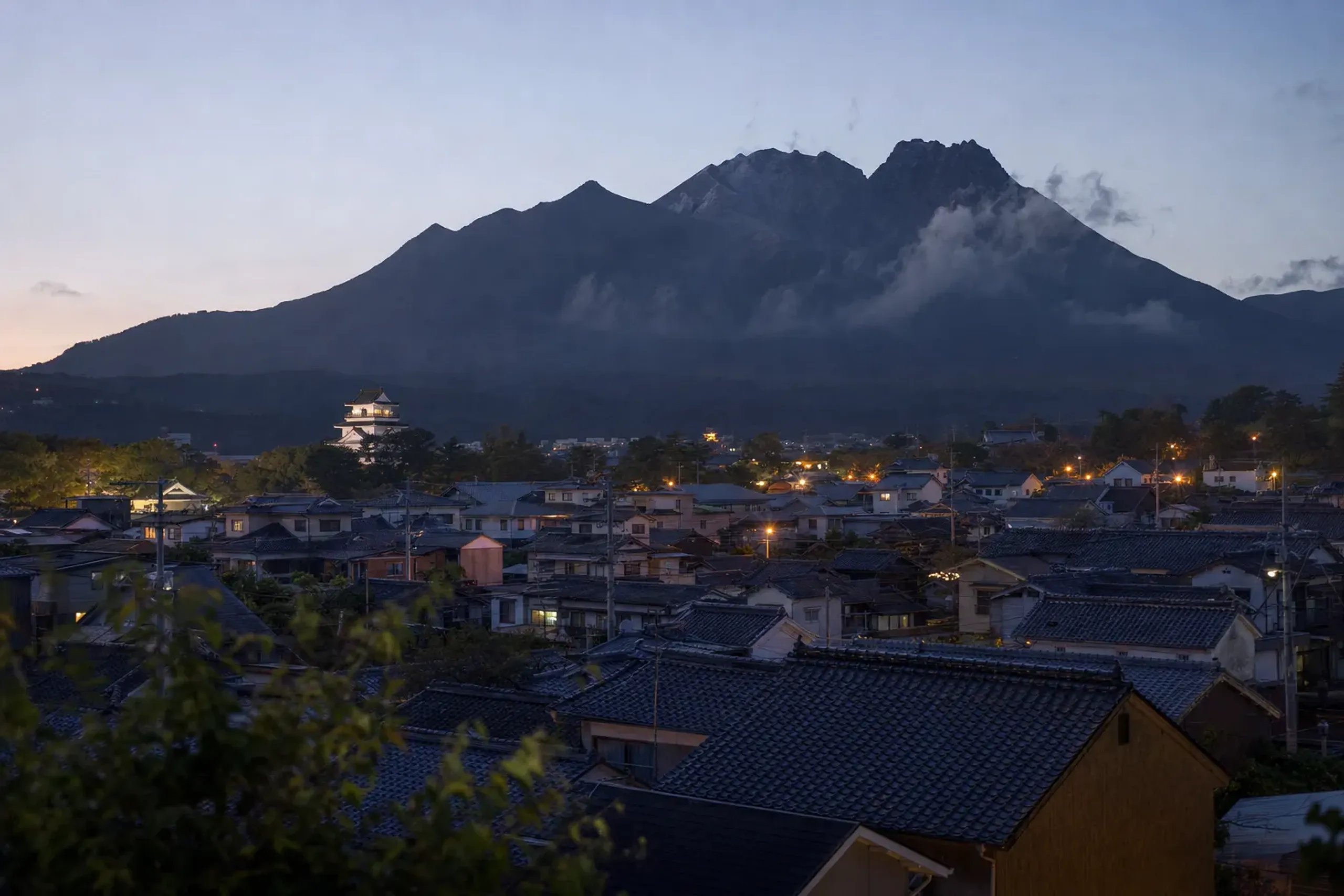
Shimabara is a castle town on the Shimabara Peninsula in Nagasaki, at the foot of Mount Unzen. The castle anchors it. Beside the keep runs a samurai street with a stream down its centre, and to the south, narrow canals hold koi fed by spring water. This guide from Japan Royal Service covers what there is to see, what Teppo-machi is, why carp swim in the canals, a short account of the rebellion of 1637 to 1638, and how to reach the town from Isahaya or Nagasaki.
Shimabara Castle: Begun In 1618, Rebuilt In 1964
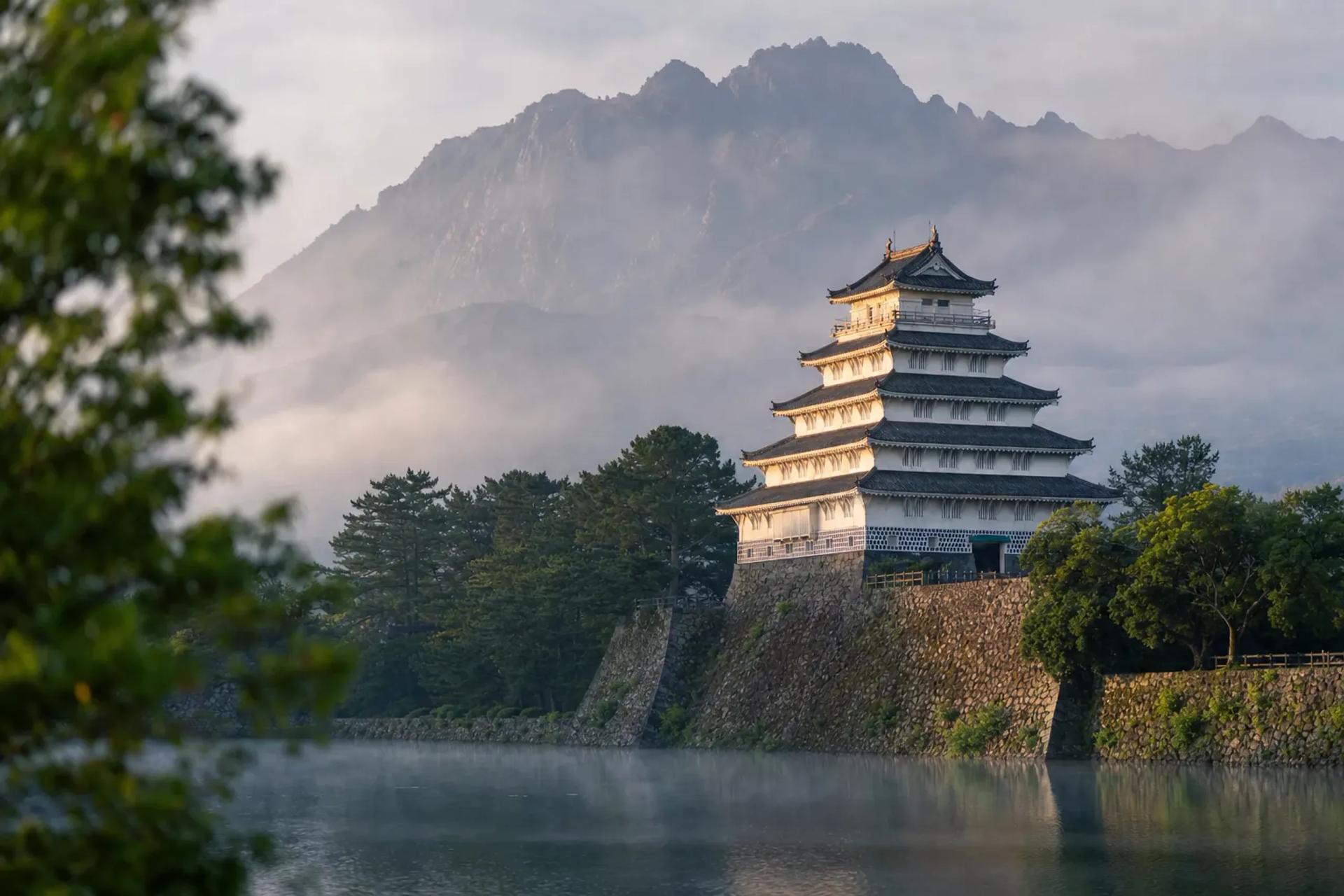
Shimabara Castle was begun in 1618 by Matsukura Shigemasa and completed several years later. The keep stood five storeys. In the Meiji period the castle was abolished and the keep was taken down. What you see today is a concrete reconstruction of 1964.
The present keep houses a museum. Its fifth-floor observation deck looks toward Mount Unzen. The castle sits at the foot of the mountain.
It helps to know this before you arrive. The structure is modern concrete, not timber from the 1600s.
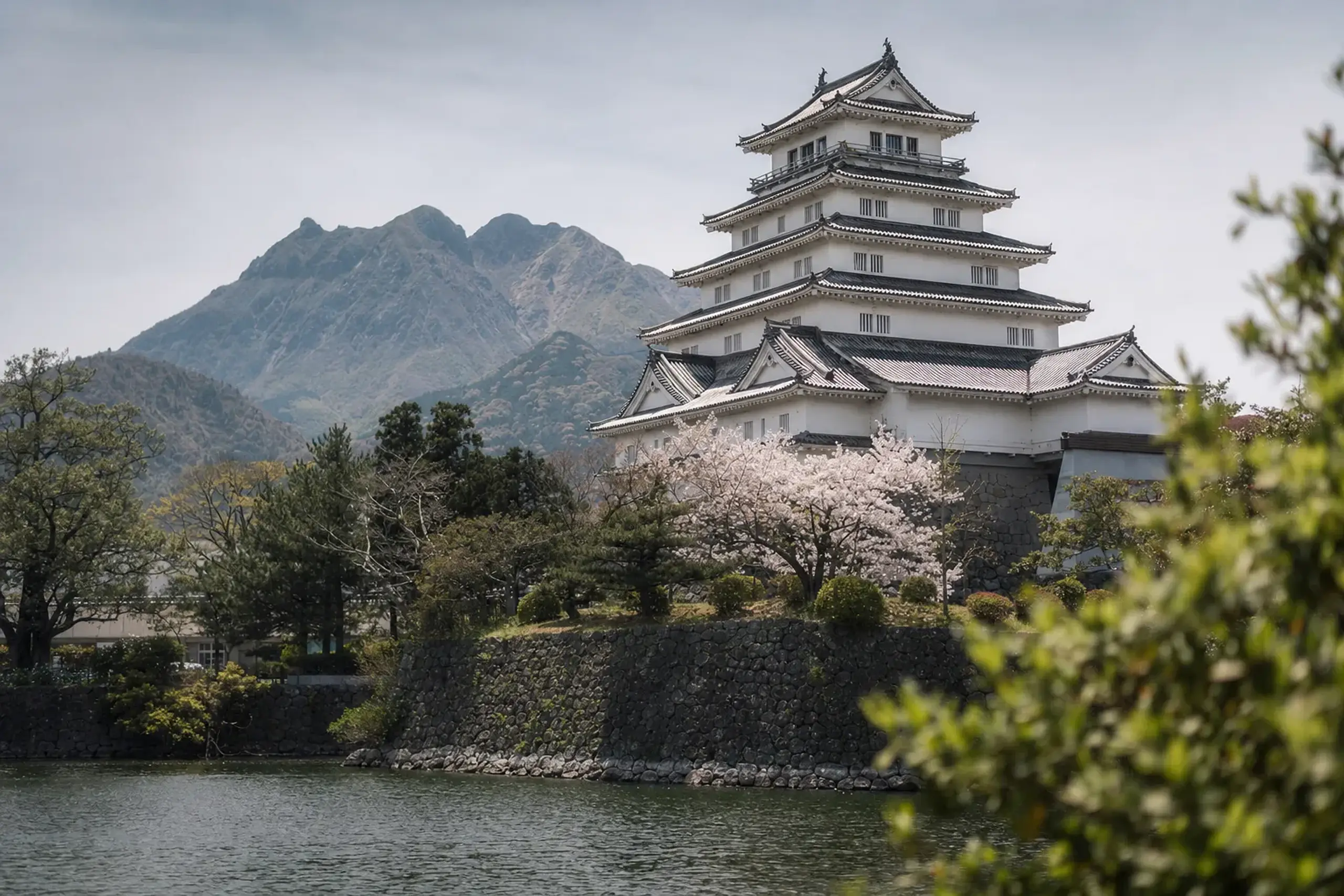
Key fact: The keep you visit is a 1964 reconstruction in concrete. It stands on the site of the castle Matsukura Shigemasa began in 1618.
The castle is about ten minutes on foot from Shimabara Station, according to japan-guide. From there, the samurai street and the carp canals are close to the castle. The JRS concierge team confirms directly with the guest at time of arrangement which buildings are open.
What Is Teppo-machi, The Samurai Street In Shimabara?
Teppo-machi is a grid-pattern residential street on the west side of Shimabara Castle, about 400 metres long, where low-ranking samurai who served the lord once lived. Its name means "Gun Town."
According to japan.travel, the district dates to the early 17th century and was built at the same time as the castle. The name is linked to the gunmen foot soldiers who were housed here.
The Stream Down The Centre
A narrow stream of clear water runs down the middle of the main street. It is fed by a spring at Kumano Shrine.
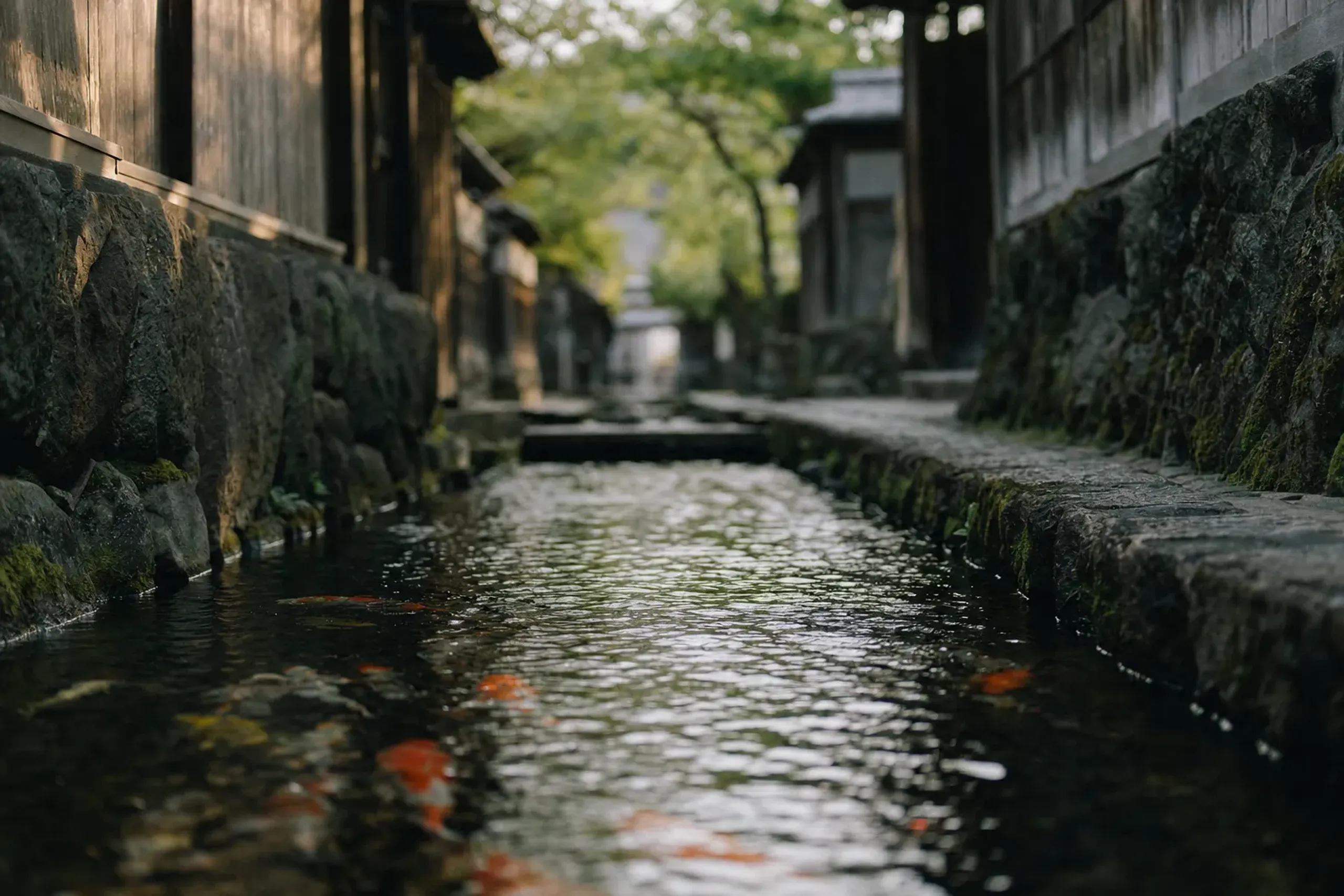
In the samurai period this water was used for drinking, and its management mattered enough that a water magistrate oversaw it.
Three restored samurai houses along the street are open to the public, giving you a sense of how these households were arranged behind their walls.
A cultural interpreter guide can carry this detail: the water magistrate, the spring, the rank of the men who lived here.
Why Are There Carp In The Shimabara Canals?
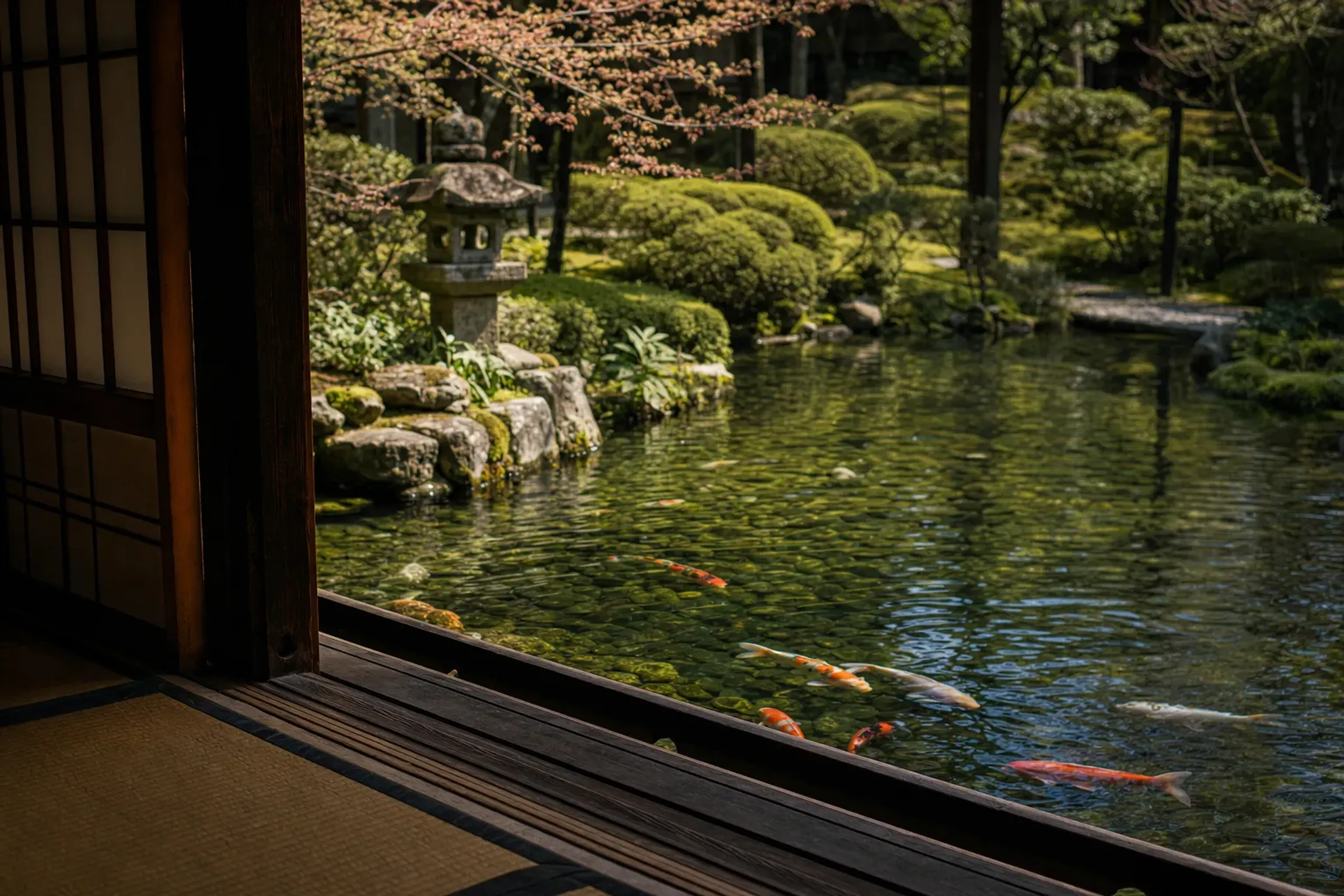
There are carp in Shimabara's canals because the neighbourhood's canals are fed by spring water filtered through Mount Unzen's volcanic layers. Japan-guide calls it the "City of Swimming Carp."
This neighbourhood lies south of the castle. Its narrow canals hold hundreds of koi, fed by that filtered spring water.
One of two preserved houses open to visitors here has a garden and a spring-fed pond.
The Shimabara Rebellion Of 1637 To 1638
The Shimabara Rebellion began on 25 October 1637 in Arima village, and the farmers' holdout at the ruins of Hara Castle ran from early December to 28 February of the following year, 1638. Japan-guide gives the causes as heavy taxation levied to pay for the castle's construction and the religious persecution of local Christians.
The rebellion belongs to the town's history.
How Do You Reach Shimabara From Nagasaki?
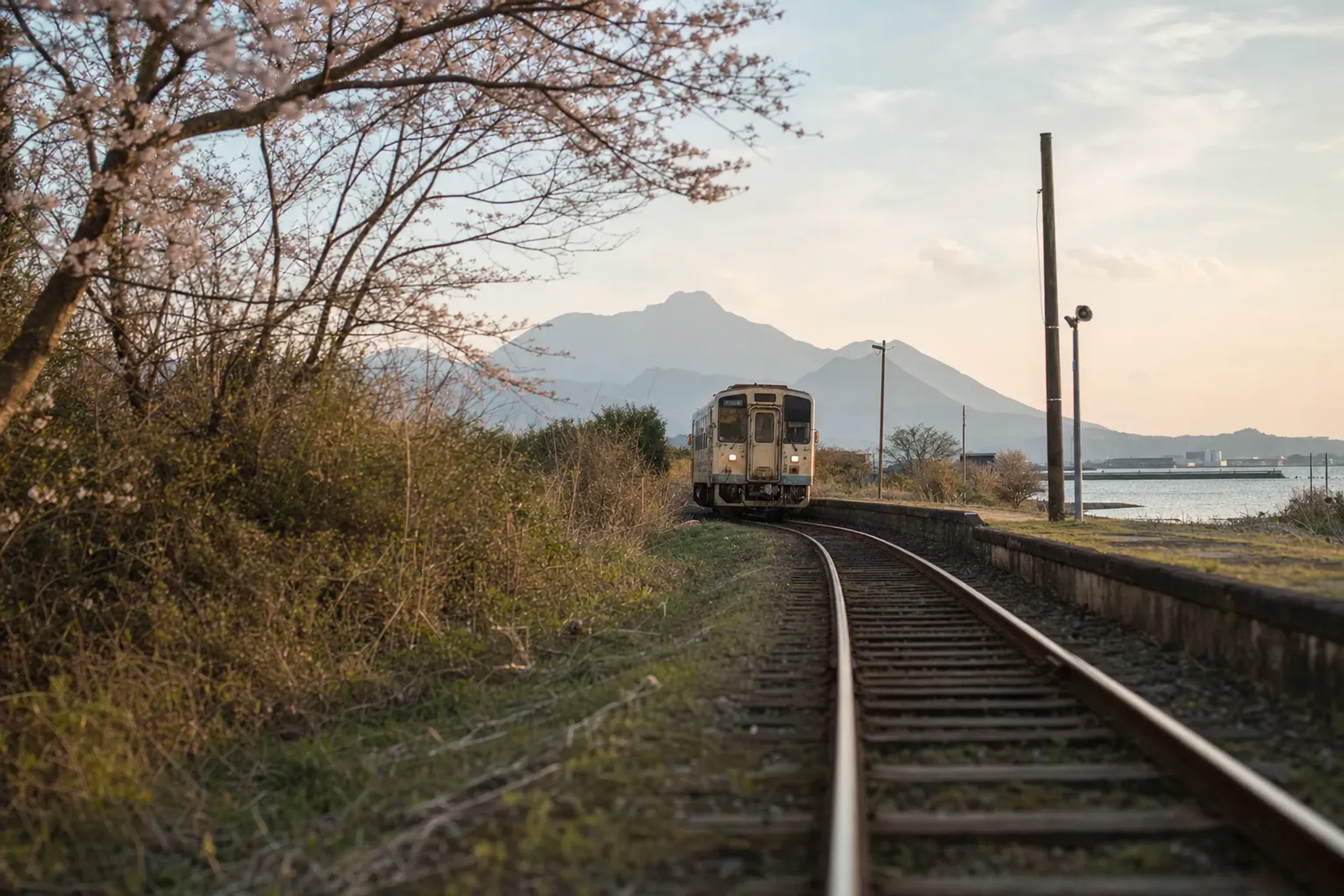
From Nagasaki Airport, a bus to Hon-Isahaya Station takes about 30 minutes, then a local railway to Shimabara Station takes about 1 hour, according to japan.travel. From Isahaya Station, the local railway to Shimabara takes about 1 hour.
Isahaya is the practical gateway. You reach it from Nagasaki or from the airport, then continue to Shimabara by the local line that runs down the peninsula. Train timings vary, so the JRS concierge team confirms them directly with the guest at time of arrangement.
A car with an English-speaking driver is the other way. For a group, luggage, or a day that folds Shimabara into Unzen or Amakusa, private transportation removes the changes between bus and local train.
If you prefer rail for part of the trip, it is worth weighing the two; our private driver versus rail framework lays out how to decide.
| Route | Approximate time (per japan.travel) |
|---|---|
| Nagasaki Airport bus to Hon-Isahaya Station | about 30 minutes |
| Hon-Isahaya to Shimabara Station by local railway | about 1 hour |
| Isahaya Station to Shimabara by local railway | about 1 hour |
Pairing Shimabara With Unzen, Amakusa Or A Nagasaki Stay
Shimabara works as a day or a night. It pairs naturally with Mount Unzen behind it and with a Nagasaki stay.
Mount Unzen is visible from the castle observation deck and is the source of the district's spring water. In town, the Sightseeing Revival Hall holds a small exhibition on the eruption of 1990 to 1995. For the mountain itself in the warm months, see our guide to Unzen in summer.
Across the water lies Amakusa, which our post on Amakusa's dolphins, Sakitsu and the Five Bridges covers in full. And if you are building Nagasaki as your base, our Nagasaki base stay guide and our look at Dejima set the city in context.
How Japan Royal Service Arranges Shimabara
We build Shimabara into a Nagasaki stay, as a day or a night, with Unzen or Amakusa alongside it.
That is the first job: shaping the route so the town is seen without a rushed morning of connections.
Within this trip, the JRS concierge team can arrange the following:
- An English-speaking cultural interpreter guide, booked separately from the driver, for the castle, the samurai street and the rebellion history.
- A vehicle from a partner company with an English-speaking driver between Nagasaki, Nagasaki Airport or Isahaya and Shimabara. The driver and the guide are separate roles.
- Ryokan and restaurant booking in Shimabara or Nagasaki, with dietary needs passed ahead.
- Rail tickets to Isahaya, including Green Car where available, platform assistance and luggage forwarding.
- Same-day re-planning when the weather changes.
Everything described here is open to the public. The JRS concierge team confirms directly with the guest at time of arrangement the train timings and which houses are open. Our aim is a tailor-made itinerary that reads clearly and holds up when a plan has to move.
Frequently Asked Questions
What is Teppo-machi in Shimabara?
Teppo-machi is a samurai street about 400 metres long on the west side of Shimabara Castle, where low-ranking samurai once lived. A clear stream, fed by a spring at Kumano Shrine, runs down its centre, and three restored samurai houses are open to the public.
Who built Shimabara Castle?
Matsukura Shigemasa began Shimabara Castle in 1618, and it was completed several years later with a five-storey keep.
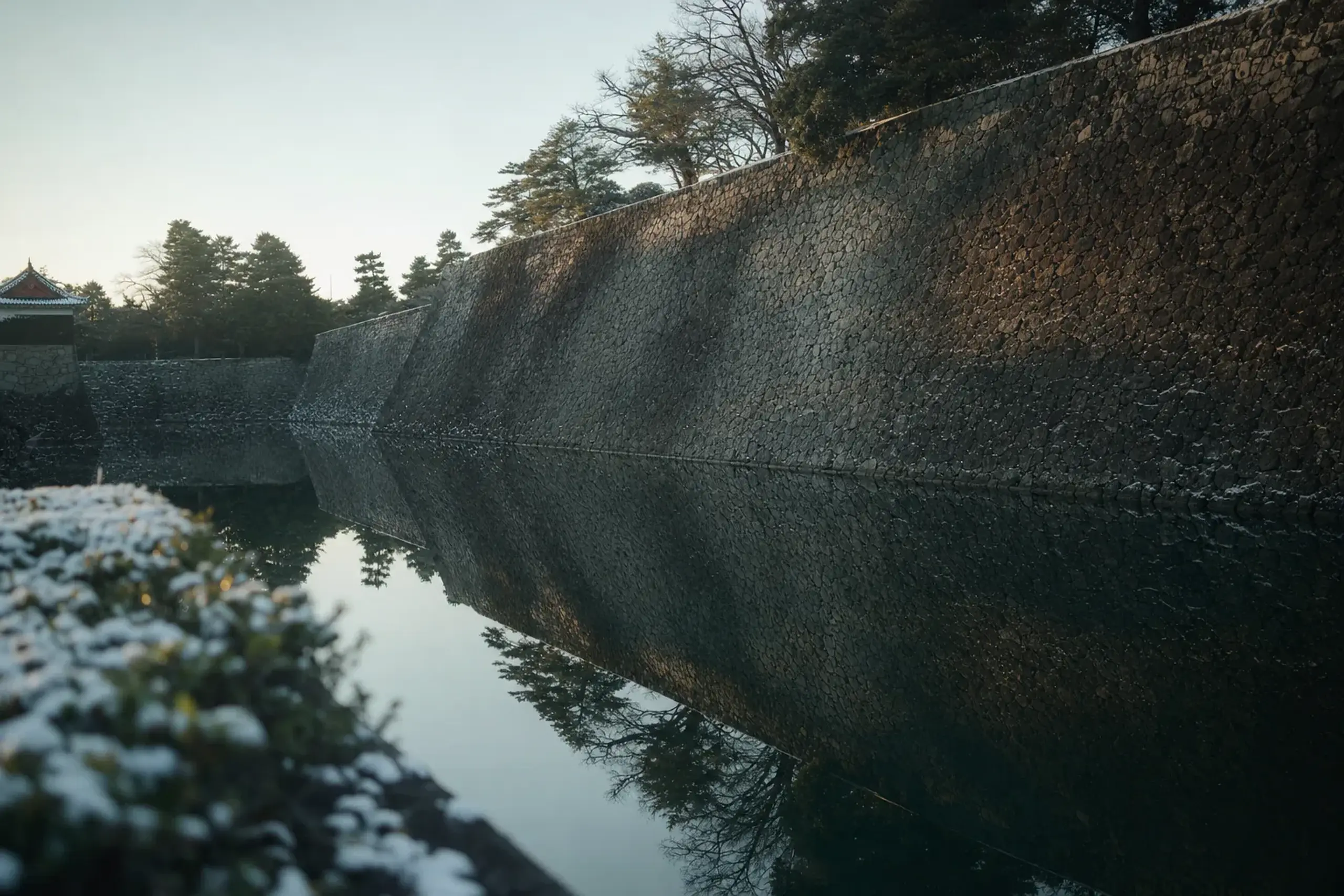
The keep was taken down in the Meiji period; the present keep is a concrete reconstruction of 1964 housing a museum.
Why are there carp in the Shimabara canals?
The neighbourhood south of the castle, which japan-guide calls the "City of Swimming Carp," has narrow canals holding hundreds of koi, fed by spring water filtered through Mount Unzen's volcanic layers.
How do you reach Shimabara from Nagasaki?
Isahaya is the gateway. From Nagasaki Airport, a bus to Hon-Isahaya Station takes about 30 minutes, then a local railway to Shimabara about 1 hour; from Isahaya Station the local railway takes about 1 hour. The JRS concierge team confirms timings at time of arrangement.
Why Choose Japan Royal Service
Japan Royal Service plans Shimabara with the accuracy the town rewards. We treat the castle as the reconstruction it is, the samurai street for its stream and its history, the carp canals for their spring water, and the rebellion for what it was.
Our concierge team handles the planning, the guide, the vehicle with an English-speaking driver, the ryokan and restaurant booking, and the rail tickets to Isahaya, as separate and clearly defined parts of one trip. When the weather turns, we re-plan the same day. The detail is the point, and the detail is checked.
To begin planning, contact our team here.