In this guide
- 01What Deep Snow Actually Does To A Place
- 02Why The Train Is The Point, Not The Overhead
- 03Emptiness: The Strongest Practical Argument
- 04Onsen Towns In The Cold Months
- 05Food As A Winter Argument
- 06What Winter Actually Costs
- 07New Year: The Worst Week To Move, The Best Week To Stay
- 08Who Should Skip Winter Entirely
- 09Frequently Asked Questions
- 10Why Choose Japan Royal Service
You booked winter and assumed it meant lift passes. Most people do. Japan's snow regions pull millions who come for the slopes, and the marketing rarely mentions anyone else. But the same snow that fills the resorts is a reason to go for people who never buckle a boot. The landscape, not the sport.
This is a guide for that traveller. What deep snow does to a country, why the train is the experience rather than the transfer, and the honest costs of moving through Japan in January. If you ski, we already have a piece on choosing a Hokkaido ski base. This is not that.
What Deep Snow Actually Does To A Place
Snow of a certain depth changes the rules. Roads close. Villages contract to whatever a plough can still reach, and the edges of the map go quiet.
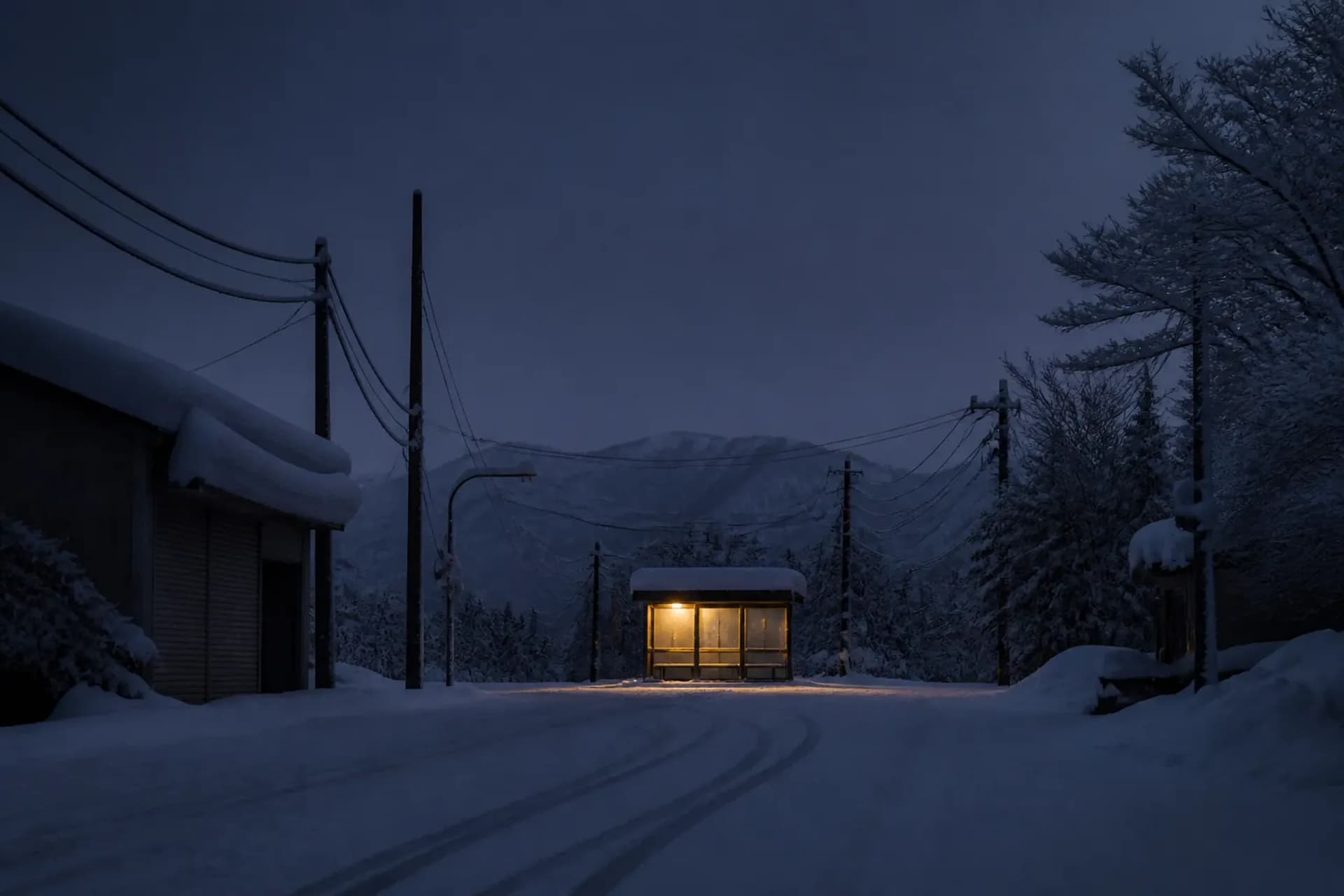
Sound is the first thing you notice. A heavy snowfall deadens a place so completely that your own footsteps feel loud. A village that would look ordinary in June — power lines, a bus shelter, a shuttered farm shop — becomes photogenic without trying, because the snow flattens the clutter and leaves only shape. This is the appeal, and it is hard to explain to anyone who hasn't stood in it.
It also means less is open. Fewer people, fewer services, shorter hours. That trade sits at the centre of everything below.
Why The Train Is The Point, Not The Overhead
In snow country, rail is often the only way in.
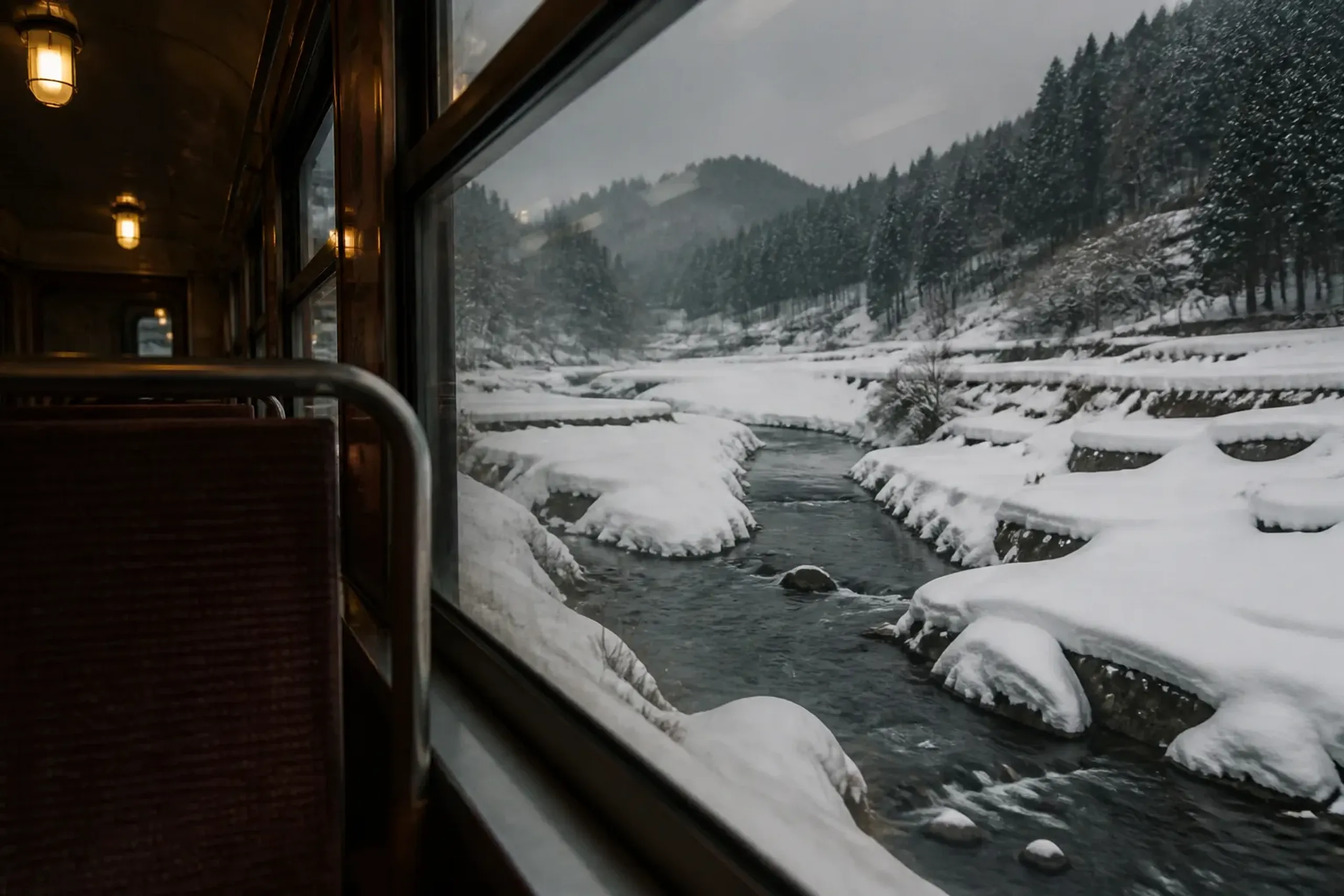
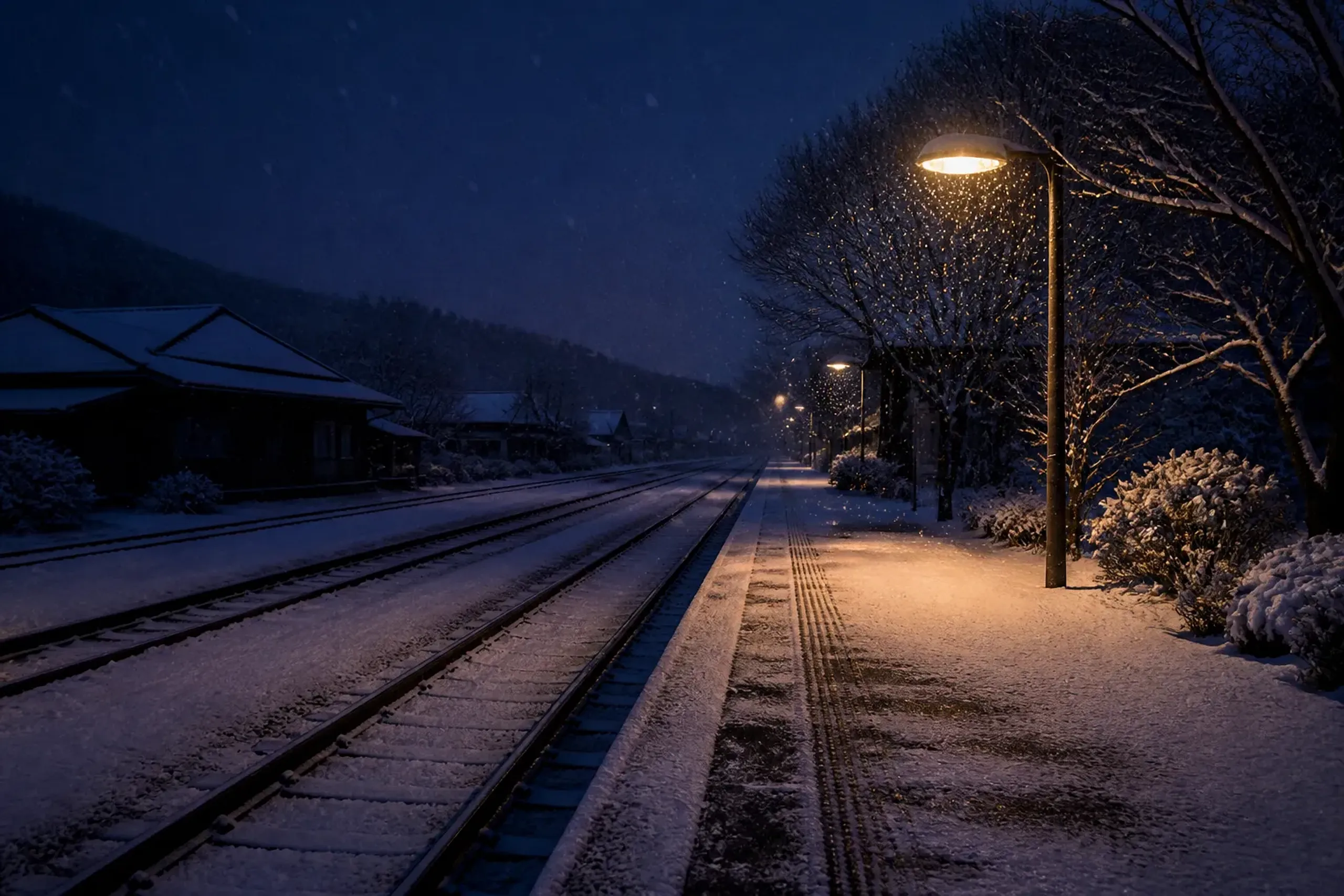
When the roads close, the routes that stay open are the ones cut through the deepest snow, and the landscape they cross is visible from a carriage in a way it is not from a car or a hotel window.
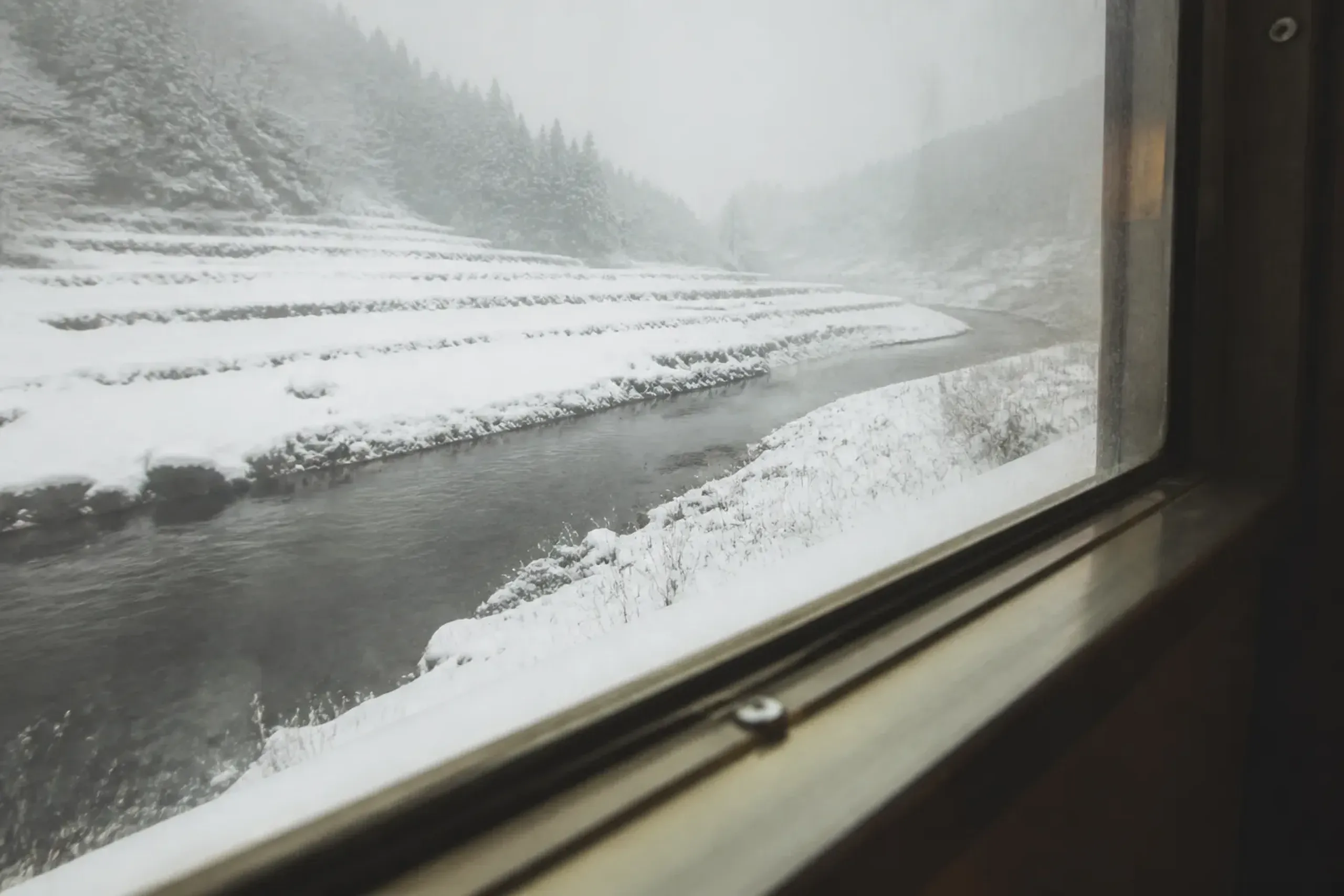
Think about what a winter rail journey is actually for. You sit warm. Outside, the country moves past at the pace of weather — rice terraces buried flat, a river running black between white banks, a station where one person waits under a single light. You cannot reach most of this by road in January. You certainly cannot photograph it from behind a windscreen at speed.
So the three hours between two towns stop being dead time. They become the reason you came. Our advice to clients who dislike the idea of "wasting" a morning on a train: in winter, that morning is the itinerary, not the gap in it. If you want the mechanics of Japan's rail classes and how the modes differ, our separate reservation-timeline guide covers the planning side. Here, the point is simpler. The view is the product.
Our concierge tends to build a winter route around one or two long, deliberate rail legs rather than treating every transfer as friction to minimise. A private car meets you at each end. In between, you watch the country you can't otherwise get to.
Emptiness: The Strongest Practical Argument
Winter is low season for foreign visitors across most of the snow regions, and that single fact reshapes what a day can hold.
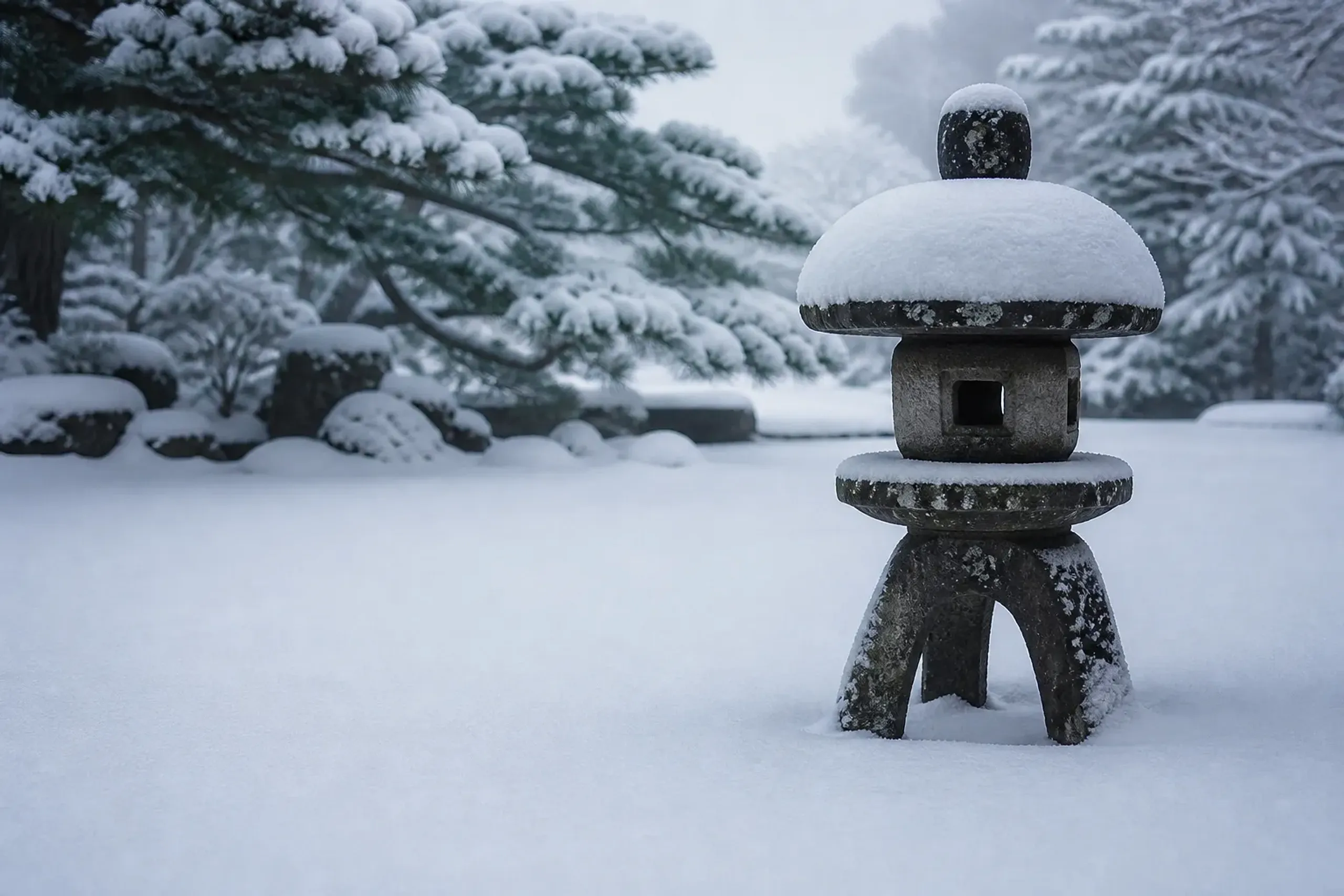
Sites that are impossible in October — booked out, queued, shoulder to shoulder — are quiet in January.
This is not a small thing. A temple garden under snow, seen alone at nine in the morning, is a different experience from the same garden in autumn with two hundred other people. The snow already does half the work of stillness. Emptiness does the rest.
In our experience, HNW travellers who have "done Japan" in spring or autumn are the ones who fall hardest for winter, precisely because they remember the crowds. The country they thought was permanently full turns out to have a season when it is nearly private. That is the argument. Everything else on this page is a cost you pay to get it.
Onsen Towns In The Cold Months
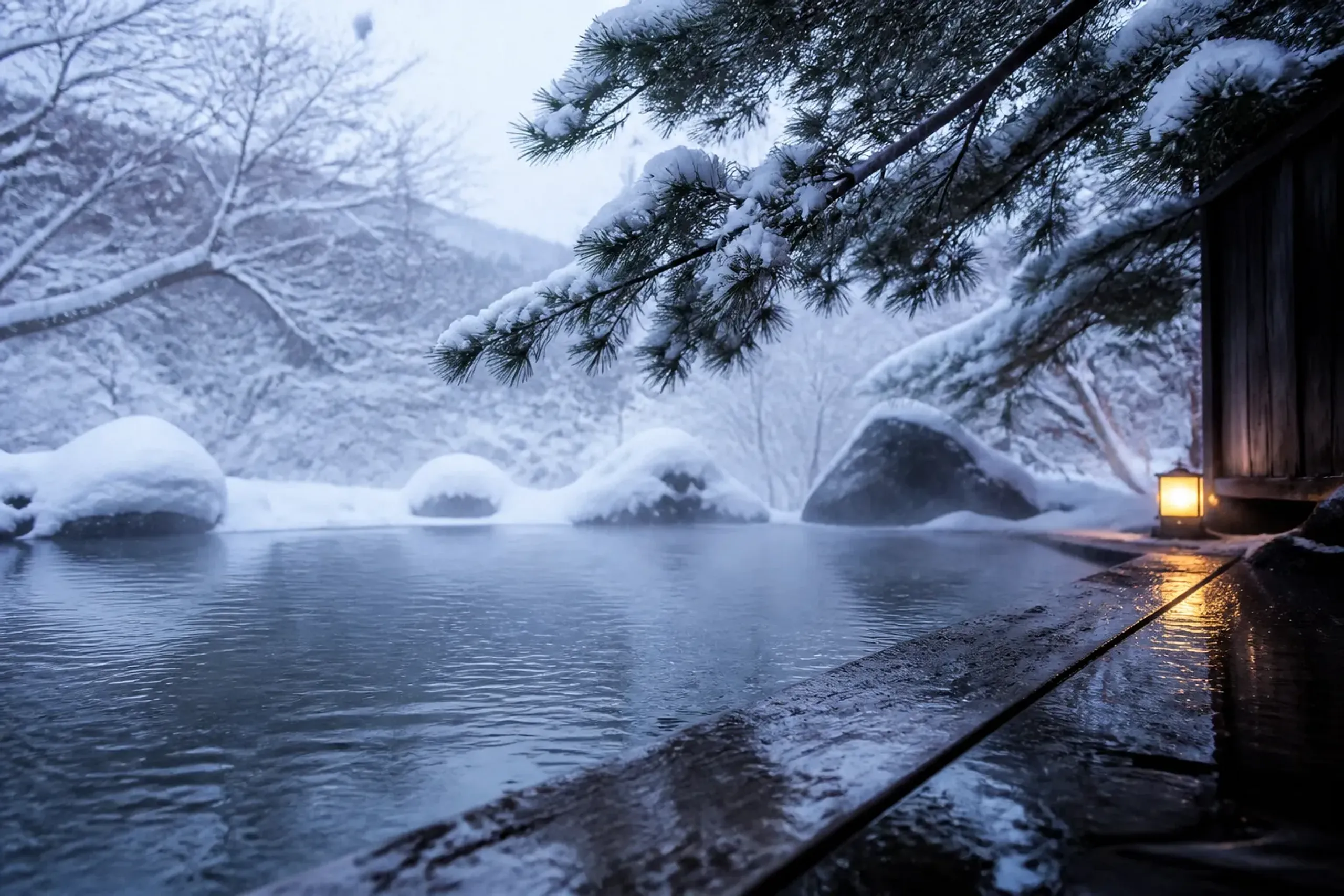
Outdoor bathing in falling snow is the obvious winter draw, and we won't re-explain it here. Two published pieces already own the detail: one on private winter bathing and in-room rotenburo, and one on two nights at Kusatsu and its public bathing culture. Read those for kashikiri, tattoo policy, and how private baths work.
What matters for this guide is only the pairing. A long rail leg through snow, then a ryokan with a bath you can sit in while it keeps snowing, is one of the few things in travel that lives up to the picture. The heat feels sharper because the air is colder. That's the whole case, and it needs no embroidery.
Food As A Winter Argument
A region's cooking changes character in the cold months. The snow country leans into it — long-simmered pots, root vegetables, preserved and fermented things that make sense when nothing grows, and seafood that comes into its own when the water turns cold.
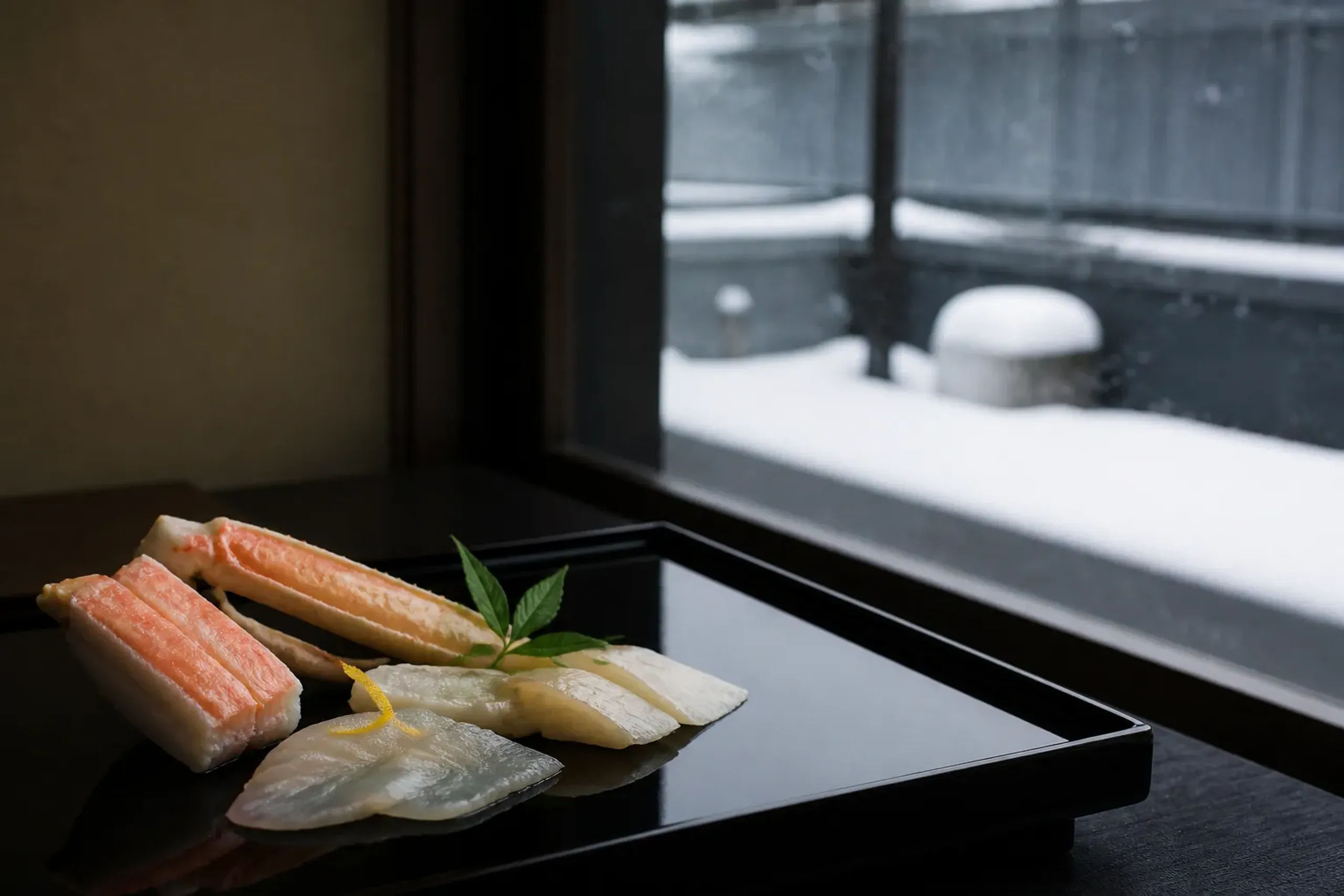
Cold water does something to fish. The northern coasts in deep winter serve seafood with a fat and firmness you do not get the rest of the year, and a kaiseki kitchen builds its whole February menu around that fact. Crab, certain white fish, the shellfish that only make sense now. A meal in a snow-region ryokan in winter is not the same meal you'd eat there in July, and the difference is the point.
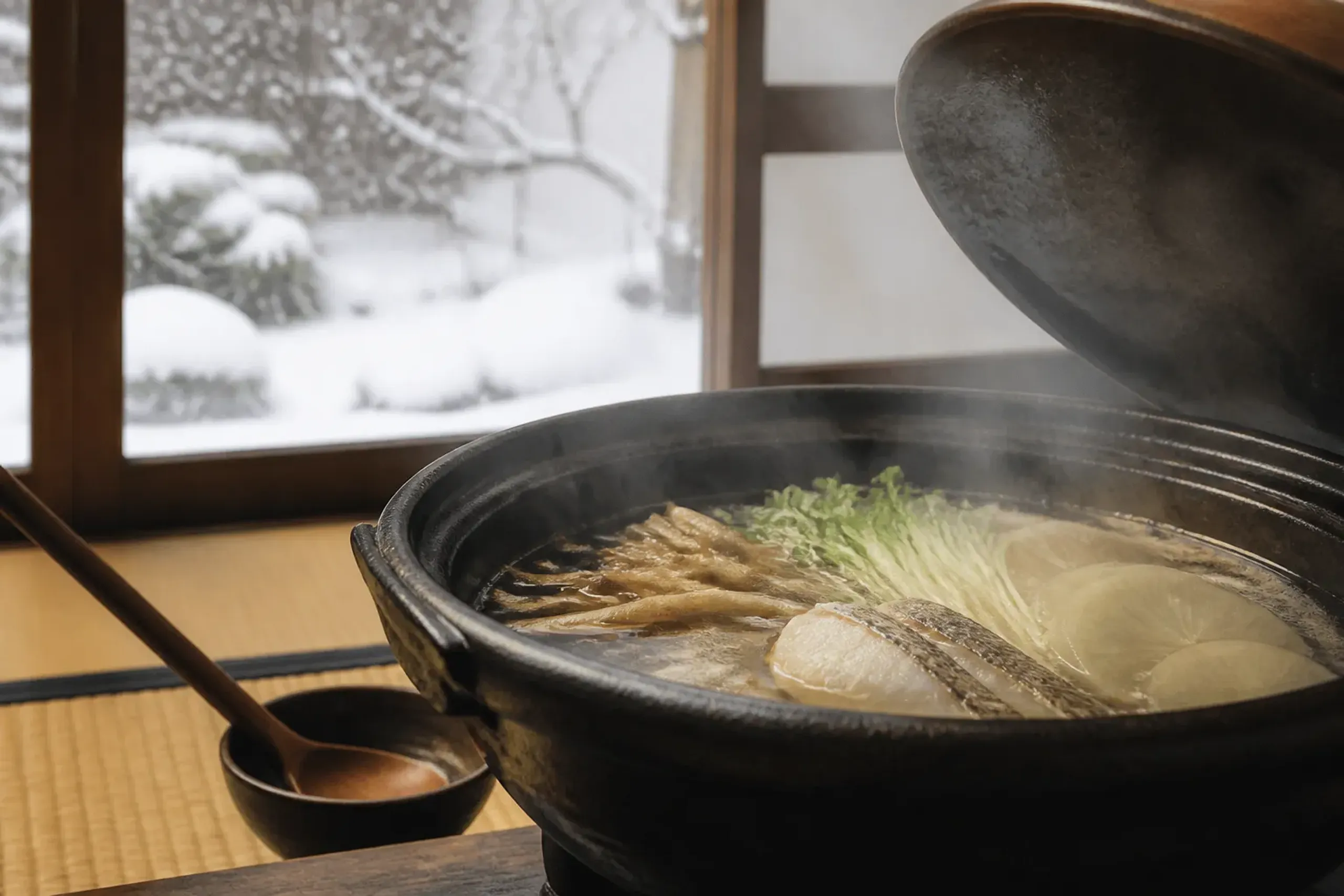
There is also the plain comfort of hot food in a cold place. A pot brought to your table, steam against a window with snow behind it — this is ordinary domestic winter cooking, and it is better than most things dressed up as luxury. Our coordinators tend to weight winter itineraries toward the kitchen rather than the sights, because in these months the kitchen is often the best thing a place has.
What Winter Actually Costs
Winter is a trade, not an upgrade. Be plain about what you give up.
The days are short. You get fewer usable daylight hours, which means fewer things per day and earlier finishes. Weather cancels plans — a route that was open at breakfast can close by lunch, and no amount of planning overrides a storm.
Some properties and sites close entirely for the season. And travel simply takes longer than the timetable suggests, because snow slows everything and connections that work in May do not always work in February.
Key fact: Winter travel in snow country needs margin built in. If your trip depends on being in a fixed place on a fixed day, a single storm can break the plan. Build slack, or choose another season.
Clothing is a real constraint, not a footnote. What you can wear on your feet decides how much of a snowbound day you can actually spend outside. We point clients to our seasonal planning notes for the practical packing side rather than listing garments here — but understand that the wrong footwear will quietly shorten every day of the trip.
New Year: The Worst Week To Move, The Best Week To Stay
Late December into early January is the hardest week of the year to travel around Japan, and one of the most interesting weeks to be somewhere. Both are true at once.
Domestic travel peaks. The whole country moves at the same time, transport fills, and many businesses and restaurants close for several days. Shrines are crowded with people who are actually there to pray, not to be photographed. If your plan is to hop between towns during this window, you will spend the week fighting the timetable and finding things shut.
But this is also the one week a visitor sees genuine domestic ritual rather than a performance staged for tourists.
The first shrine visit of the year, the specific foods, the quiet of a country that has stopped working — it is real, and it is not put on for you. That is rare and worth being present for.
The honest advice is simple. Be in one place. Book far ahead — the good ryokan and the best kitchens fill months out for this week. And do not plan to move. Choose a single base with a bath, a serious kitchen, and snow outside, and let the week come to you. A one-base winter stay over New Year is one of the few luxuries that gets better the less you attempt.
Who Should Skip Winter Entirely
Winter is wrong for some trips, and we say so before you book. Skip it if you are on a tight schedule with no give. Skip it if you are unwilling to lose a day to weather, because you may. Skip it if the whole trip hinges on fixed dates — a wedding, an event, a flight you cannot move — because snow does not respect a calendar.
For everyone else — travellers with time, patience, and a taste for empty places — winter in snow country is the version of Japan that most visitors never see. Setouchi, for what it's worth, is a footnote here: winter there means fewer visitors, colder crossings, and some reduced services, which our Naoshima and Setouchi guide touches on.
The real winter is north and along the Japan Sea coast, where the snow is the reason to go.
Frequently Asked Questions
Is Winter A Good Time To Visit Japan If You Don't Ski?
Yes. Winter suits travellers who want empty temples, snow landscapes, cold-season cooking, and rail journeys through country you can't reach by road. The snow is the draw, not the slopes. Expect shorter days and weather that can cancel plans.
Why Is Rail Better Than Driving In Japan's Snow Regions In Winter?
Roads close in deep snow, so rail is often the only reliable access, and the landscape is visible from a warm carriage in a way it never is from a car. In winter the journey becomes the experience rather than overhead.
Should I Travel Around Japan During The New Year Period?
No — not if you plan to move between places. Domestic travel peaks, transport fills, and many businesses close for several days. Instead, choose one base, book far ahead, and stay put to witness genuine New Year ritual.
Which Parts Of Japan Are Best For A Winter Trip Without Skiing?
Hokkaido and the Japan Sea coast, where deep snow is the reason to go. Tokyo and Kyoto in winter are dry and cold rather than snowbound, and belong to a different kind of trip.
How Far In Advance Should I Book A Winter Snow-Country Trip?
Book well ahead, especially for the New Year week, when the best ryokan and kitchens fill months in advance.
Winter also needs weather margin built into the plan, which is easier to arrange early than late.
Why Choose Japan Royal Service
Winter in snow country rewards planning and punishes improvisation. That is exactly where our team at Japan Royal Service earns its place. We build a winter route against your dates, the weather margin the season demands, and the New Year period if it falls inside your trip — then hold the plan flexible enough to bend when a storm arrives.
We coordinate the properties, the private chauffeured transport that meets you at each end of a long rail leg, provisioning, and English-speaking guides where you want one. A tailor-made winter itinerary from our concierge treats the train as the experience, weights the days toward the kitchen, and builds in the slack that keeps a snowbound trip from unravelling. Discretion is assumed, not requested. Where competitors like Black Tomato or Remote Lands assemble Japan from afar, our team works from inside the country, with our own fleet and our own relationships.
Winter is a trade. Made well, it gives you the quietest, most private Japan there is.
To place a winter route against your dates, reach our team privately via WhatsApp or LINE, or contact us here.