
In this guide
- 01What Was The Asuka Period?
- 02Ishibutai Kofun: Thirty Stones
- 03Asuka-dera And The Asuka Daibutsu
- 04Can You See The Takamatsuzuka Paintings?
- 05The Carved Stones And The Asuka Historical Museum
- 06How Far Is Asuka From Kyoto Or Nara?
- 07Fitting Asuka Into A Nara Or Kyoto Stay
- 08Frequently Asked Questions
- 09Why Choose Japan Royal Service
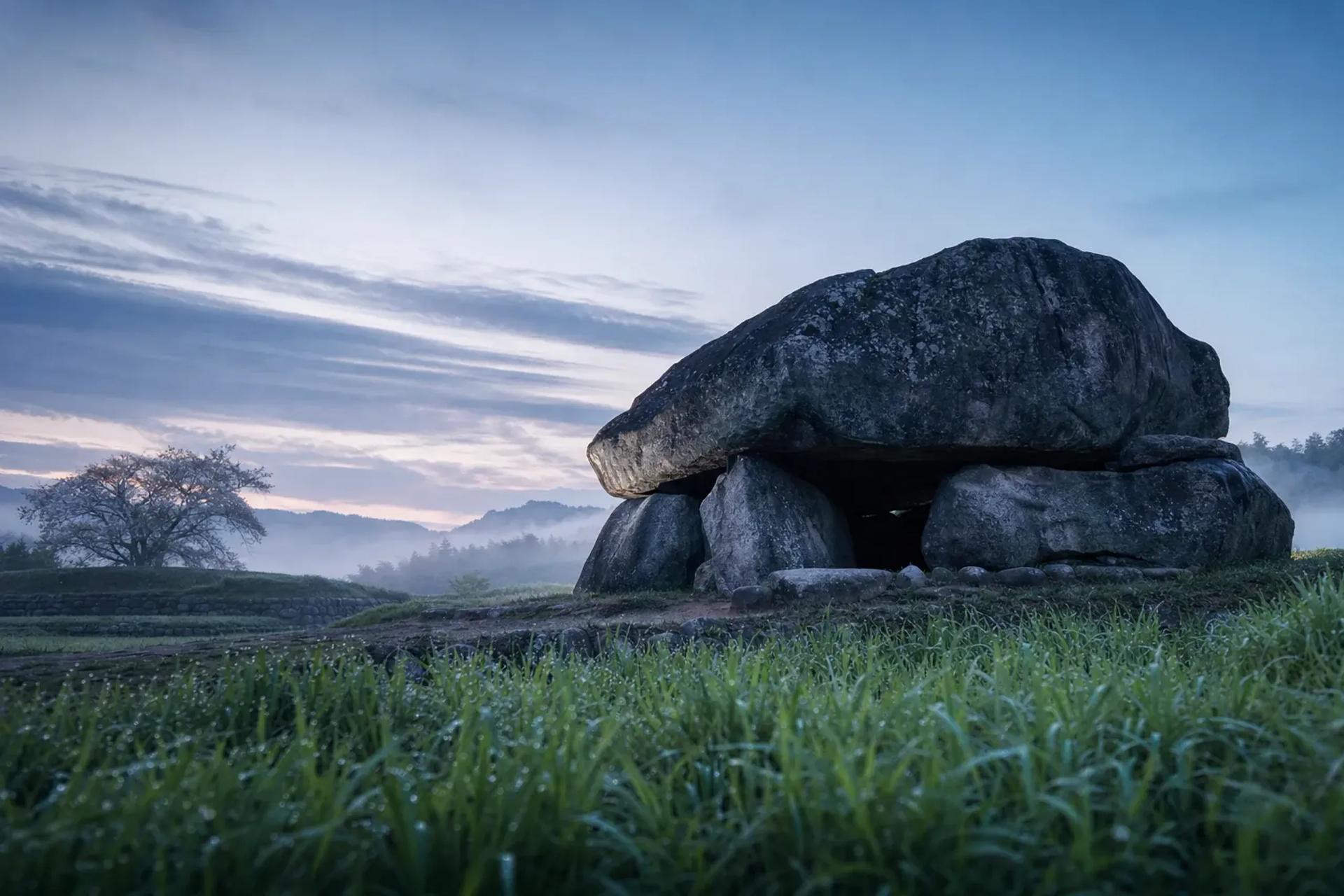
In central Nara, the fields and low hills of Asuka hold the remains of a capital. Stone tombs, carved figures and an early temple sit apart from one another across the countryside. Asuka Station is about an hour by train from Kyoto or Nara. Because the sites are spread out, a day here works around a vehicle or the local buses.
According to JNTO, this is where Japan first worked as a unified national state, in the years when Buddhism arrived from China. Our team at Japan Royal Service builds Asuka into a Nara or Kyoto stay as a full day.
What Was The Asuka Period?
The Asuka period ran from 538 to 710, according to JNTO. During these years Asuka was Japan's political, artistic and religious centre, and Buddhism arrived from China. According to JNTO, this was the first time Japan functioned as a unified national state.
Asuka was one of Japan's first capitals, in JNTO's words. What remains today are the tombs, the temple, and the carved stones.
Ishibutai Kofun: Thirty Stones
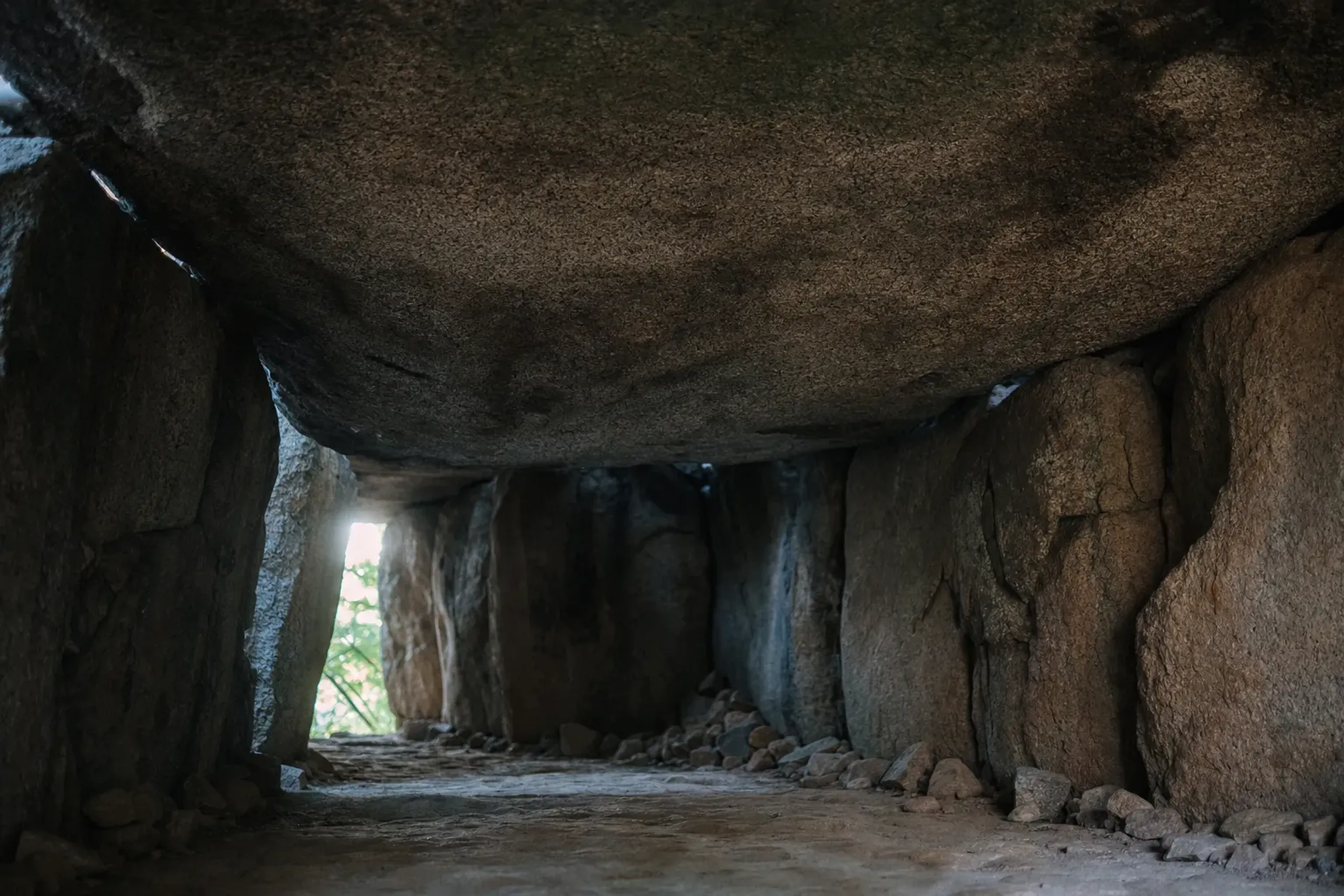
Ishibutai Kofun is a stone tomb made of 30 large stones, according to Nara Prefecture. The stone chamber is 19.1 metres long. The burial chamber measures 7.7 metres high, 3.9 metres wide and 7.6 metres deep.
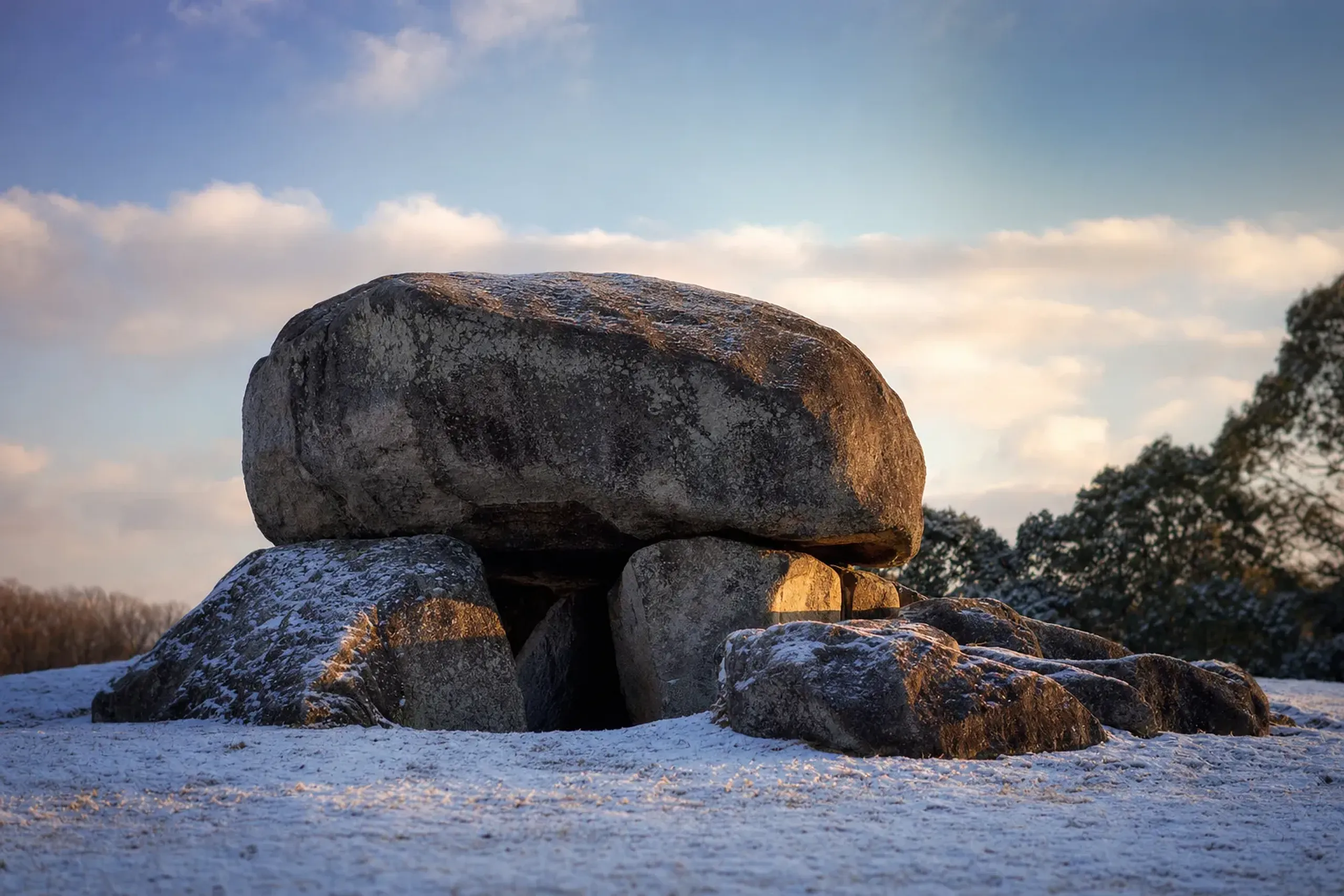
The stones are said to weigh 2,300 tonnes in total. The capstone alone is said to weigh 77 tonnes.
Key fact: At Ishibutai, the chamber can be seen from inside, according to JNTO.
A guide can explain the tomb and its period. For the stonework and the period, we book an English-speaking cultural interpreter guide separately from the driver.
Asuka-dera And The Asuka Daibutsu
Asuka-dera was established in 596 by Soga no Umako, a supporter of Buddhism, according to Nara Prefecture. Old records say the temple was once three times the size of Horyuji, as the prefecture states. Its main buildings moved to Nara when the capital moved.
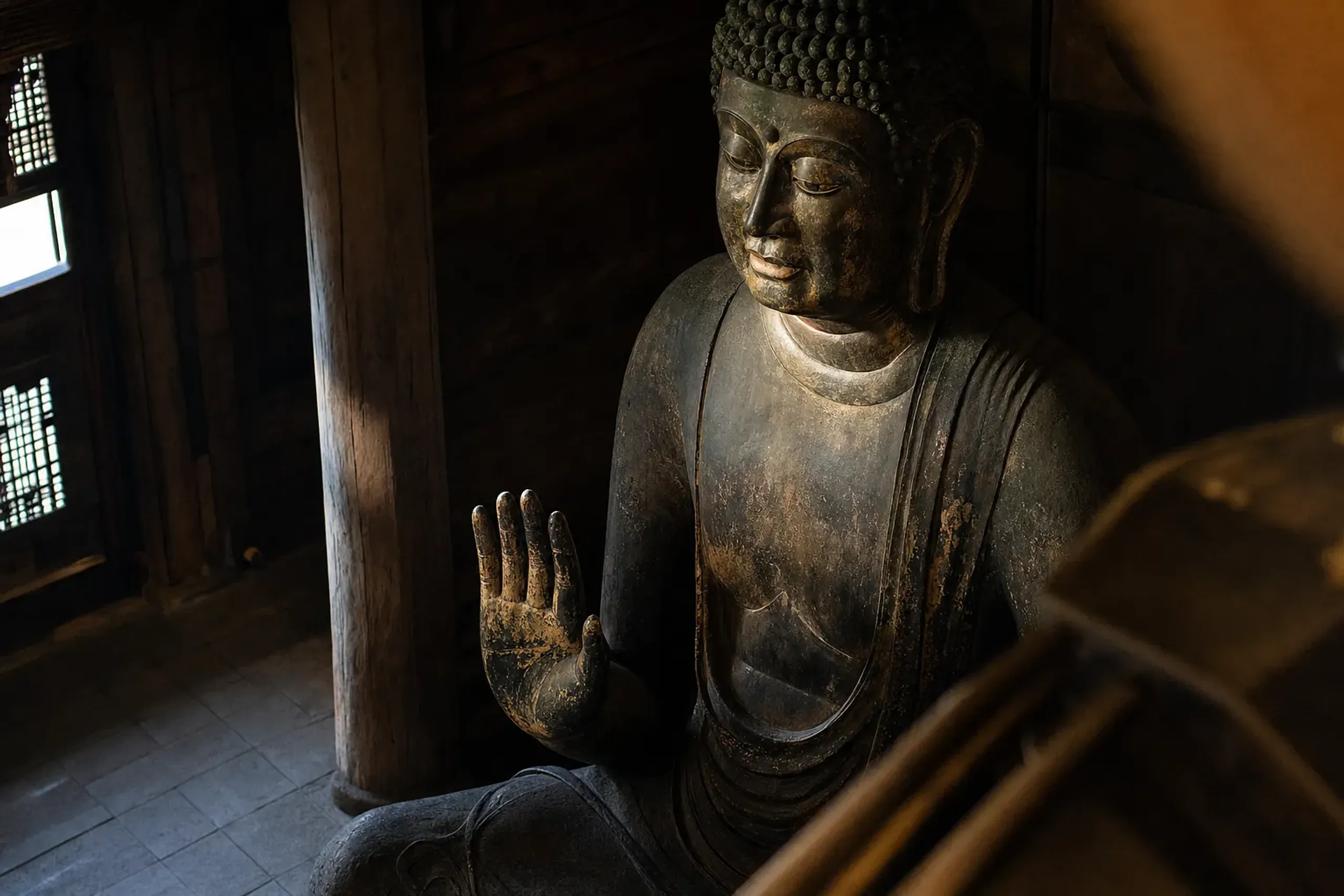
The buildings you see now date from the 17th to 18th centuries, according to JNTO. Inside sits the temple's Buddha, a Yakushi Nyorai known as the Asuka Daibutsu. The prefecture lists it as an Important Cultural Property.
The local buses from Kashihara-jingu-mae serve the Asuka Daibutsu stop; the JRS concierge team confirms directly with the guest at time of arrangement the train and bus timings and which sites are open.
Can You See The Takamatsuzuka Paintings?
Yes. The tomb itself cannot be entered, but the museum beside it shows full-colour replicas of its wall paintings, according to Nara Prefecture. The replicas include human figures, constellations, a blue dragon and a white tiger.
Takamatsuzuka is a small round tomb, about 18 metres across and 5 metres high. A coloured mural was found inside during the first excavation in the 1970s, according to JNTO. The occupant of the tomb is unknown.
Temperature and humidity inside the tomb are kept stable to protect the original paintings. The mural hall is about 10 minutes on foot from Kintetsu Asuka Station, according to the prefecture.
The Carved Stones And The Asuka Historical Museum
Asuka holds more than 200 large stone figures, according to JNTO. Many of them stand where they were found, scattered through the fields.
- Kameishi — a turtle-shaped stone.
- Saruishi — four stones carved as monkeys.
- Sakafuneishi — a flat rock carved with lines and pools.
JNTO notes that the stones can be toured by rented bicycle, and that history enthusiasts can spend a whole day among them.
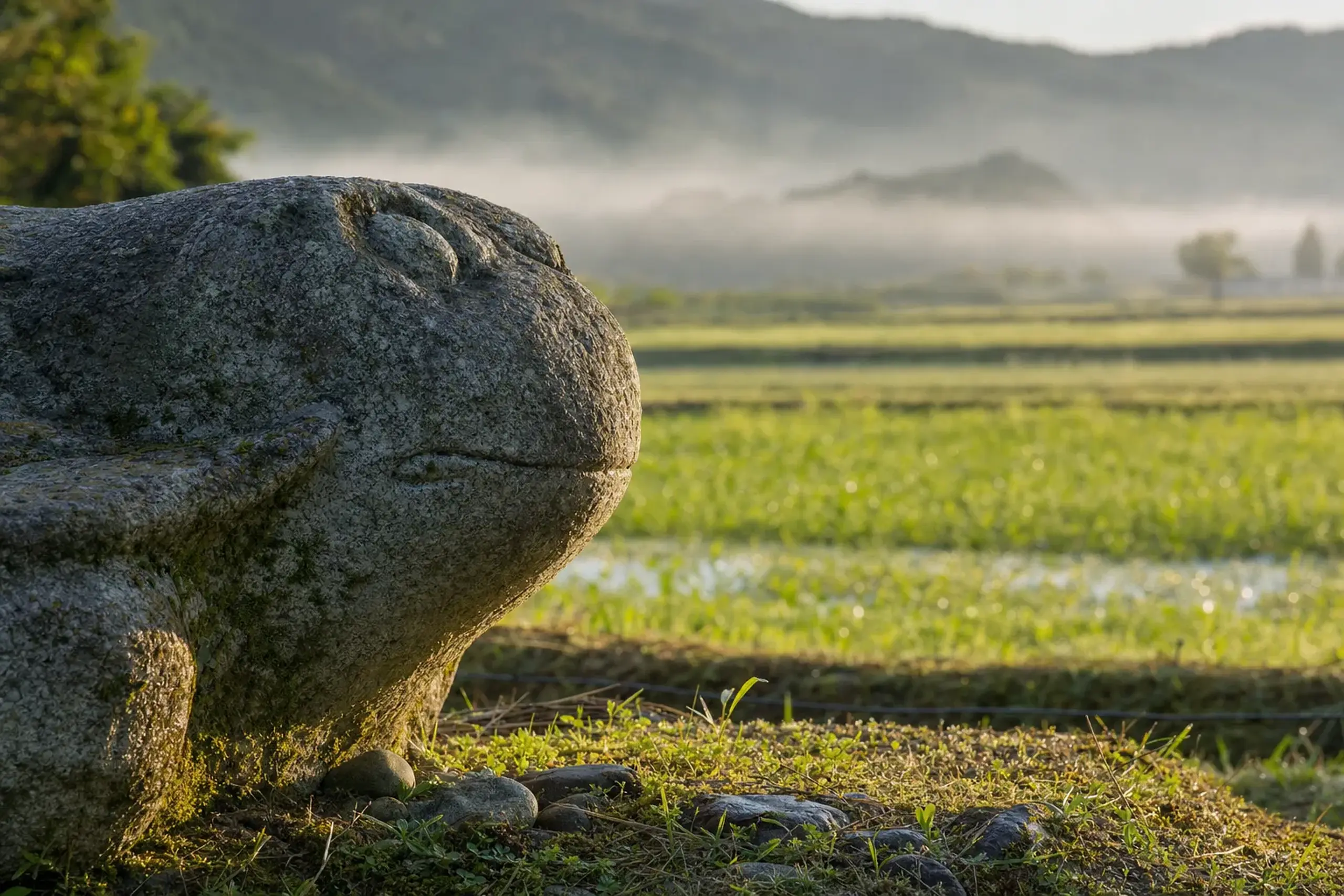
The figures are spread across the countryside rather than gathered in one place. A guide can place each one in the context of the period.
The Asuka Historical Museum of the Nara National Research Institute for Cultural Properties focuses on Asuka-period finds. Allow time for it when you plan the day.
How Far Is Asuka From Kyoto Or Nara?
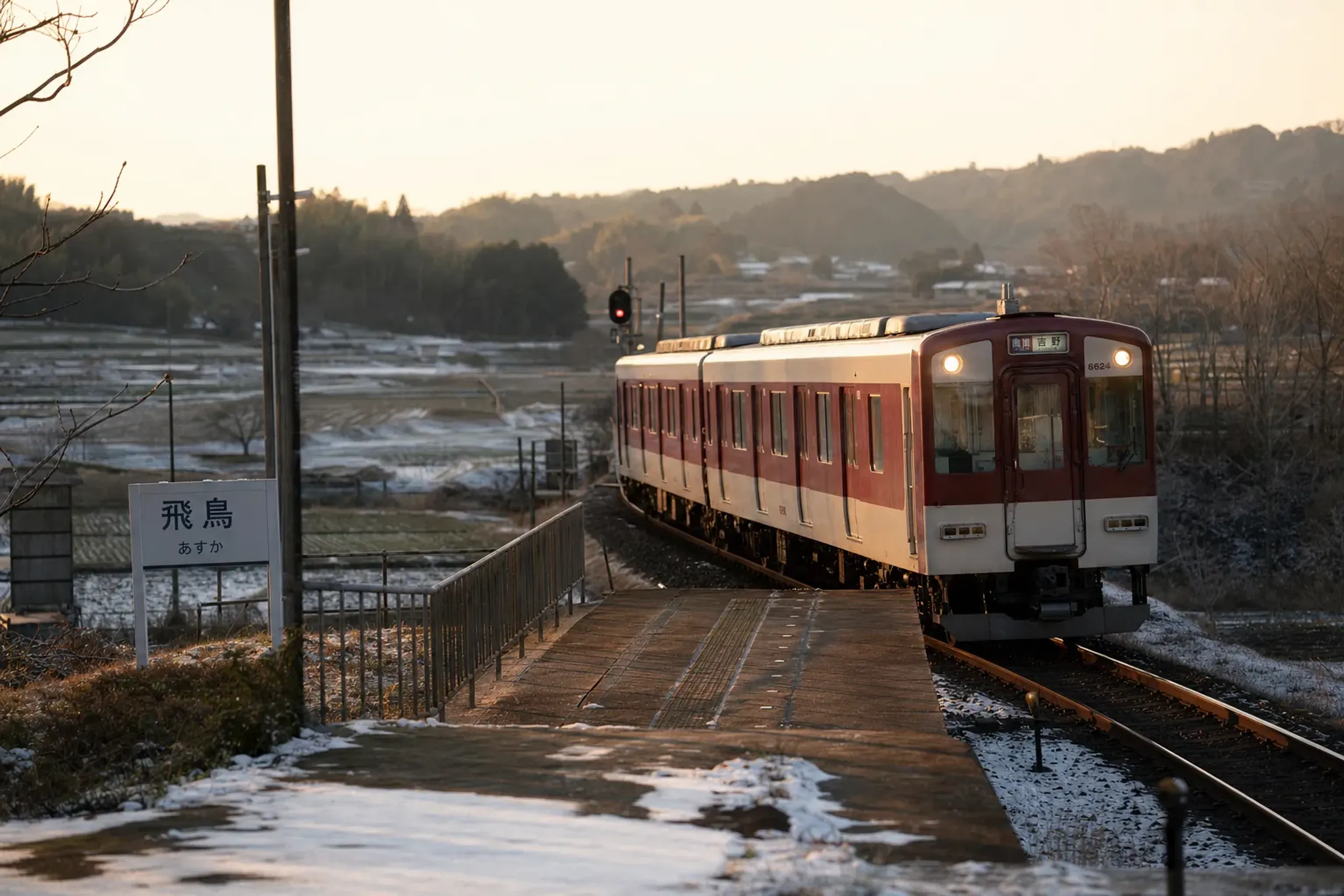
Asuka Station is around one hour from Kyoto Station or Nara Station, according to JNTO and Nara Prefecture. The route runs by Kintetsu to Kashihara-jingu-mae, then four minutes on the Kintetsu Yoshino Line to Asuka.
From Kashihara-jingu-mae, the local buses serve Ishibutai and the Asuka Daibutsu stop. Because the sites sit apart across the countryside, the day works around a vehicle or the buses rather than on foot alone. If you are weighing rail against a car for a spread-out day like this, our note on private driver versus rail in Japan sets out the trade-offs.
| From | To Asuka Station |
|---|---|
| Kyoto Station | Around one hour by Kintetsu via Kashihara-jingu-mae |
| Nara Station | Around one hour by Kintetsu via Kashihara-jingu-mae |
A vehicle from a partner company with an English-speaking driver can carry you from Kyoto or Nara and between the sites, which lie apart from one another. Driver and guide are separate roles.
The JRS concierge team confirms directly with the guest at time of arrangement the train and bus timings and which sites are open.
Fitting Asuka Into A Nara Or Kyoto Stay
A full day in Asuka can stand on its own or sit beside other days in Nara.
Horyuji. The temple is the subject of two of our guides, on Horyuji's wooden buildings and on Horyuji's reconstruction.
Nara Park. For the deer and the temples of Nara, see our guide to Nara Park in spring.
Mount Yoshino. South along the same Kintetsu line lies Yoshino; our guide covers Mount Yoshino in spring.
For a wider picture of the region, our Kansai overview and our notes on Kyoto day trips set Asuka in its place among the surrounding destinations.
Frequently Asked Questions
What Was The Asuka Period And Why Does It Matter?
The Asuka period ran from 538 to 710, when Asuka was Japan's political, artistic and religious centre, according to JNTO. Buddhism arrived from China, and it was the first time Japan functioned as a unified national state.
Can You Go Inside Ishibutai Kofun?
Yes. At Ishibutai, the stone chamber can be seen from inside. It is built of 30 large stones, with a chamber 19.1 metres long and a capstone said to weigh 77 tonnes, according to Nara Prefecture.
Can You See The Takamatsuzuka Tomb Paintings?
The tomb cannot be entered, but the museum beside it shows full-colour replicas of the wall paintings, according to Nara Prefecture. These include human figures, constellations, a blue dragon and a white tiger.
How Far Is Asuka From Kyoto?
Asuka Station is around one hour from Kyoto Station, according to JNTO. The route runs by Kintetsu to Kashihara-jingu-mae, then four minutes on the Kintetsu Yoshino Line to Asuka. It is a similar hour from Nara Station.
Why Choose Japan Royal Service
Our concierge team at Japan Royal Service builds Asuka into a Nara or Kyoto stay as a full day. We book an English-speaking cultural interpreter guide for the tombs, the temple and the Asuka period, kept separate from the driver.
A vehicle from a partner company with an English-speaking driver can carry you from Kyoto or Nara and between the sites, which sit apart across the countryside. We arrange ryokan and restaurant booking in Nara prefecture with dietary needs passed ahead, and rail tickets from Kyoto or Nara toward Asuka, with platform assistance and luggage forwarding. If the weather turns, we re-plan the same day. The JRS concierge team confirms directly with the guest at time of arrangement the train and bus timings and which sites are open.
To begin planning, contact our team here.