In this guide
- 01How Far Is Kyoto From Nagoya By Shinkansen In March?
- 02Why Is March The Month When Sleeping In Nagoya Beats Sleeping In Kyoto?
- 03What Can You Reach From Nagoya Without Moving Hotels?
- 04What Does A March Nagoya Base Unlock For A Kansai Itinerary?
- 05Where Does A Nagoya Base Break For Kansai In March?
- 06Should You Split Your Nights Between Nagoya And Kyoto/Osaka In March?
- 07How Do You Avoid Repacking Fatigue On A March Kansai Itinerary?
- 08Is Chūbu Centrair A Smart March Arrival For A Kansai Trip?
- 09What Should You Know About March Dates In Nagoya Itself?
- 10How To Use A Chauffeured Base Strategy Without Making It Feel Like Work
- 11What Japan Royal Service Can Handle vs What We Keep As Private Guidance
- 12Frequently Asked Questions
- 13Why Choose Japan Royal Service
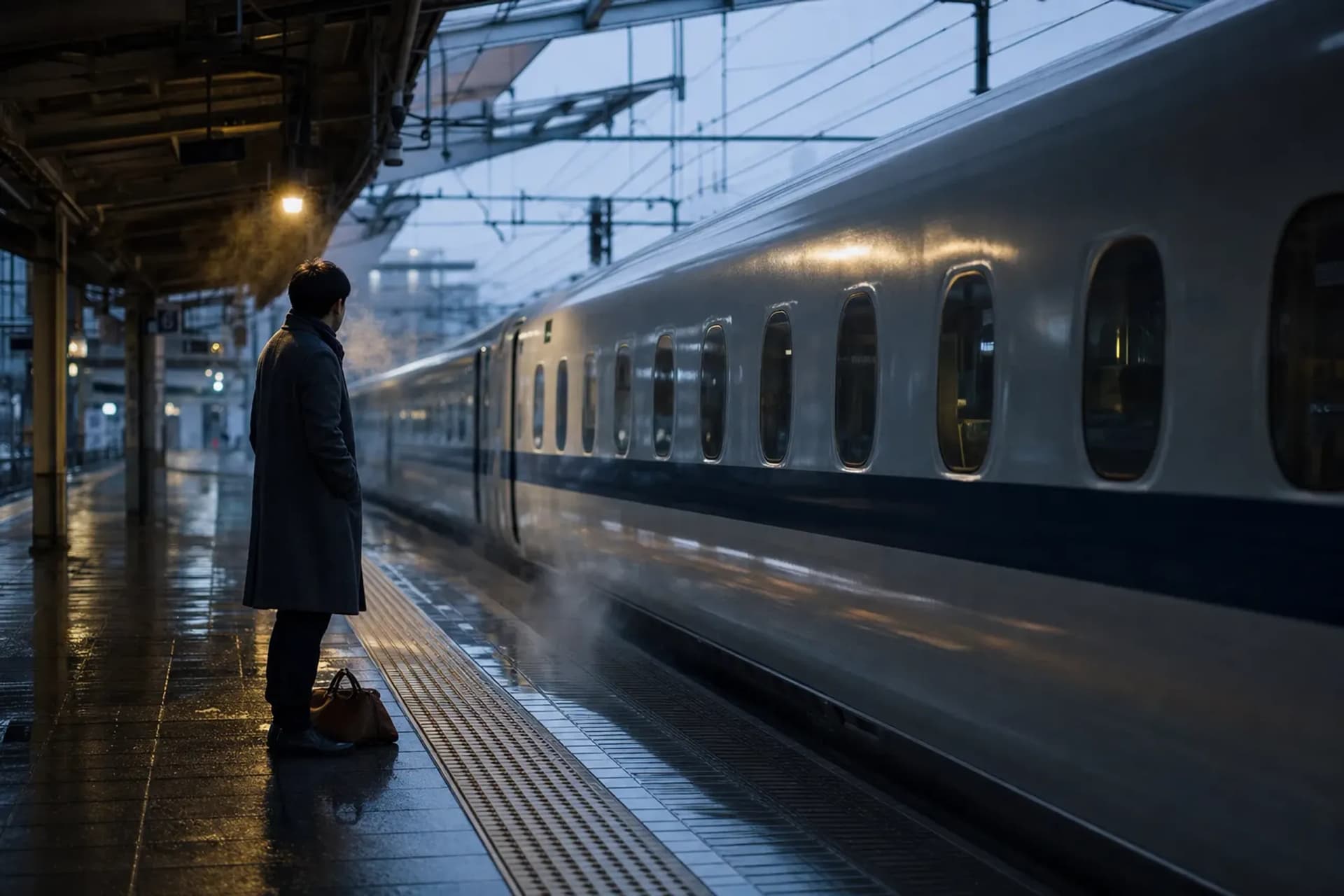
At 06:20, Nagoya Station is already awake. Coffee in one hand, ticket in the other, you watch the Shinkansen boards flicker through departures. Then the quiet shock. Kyoto is not “a transfer.” It is a commute.
March is when Kyoto feels least forgiving: rooms vanish early, lobbies crowd, and decisions you could ignore in November suddenly show up on your invoice and your schedule. A Nagoya base is not romance. It is judgement.
Our team at Japan Royal Service plans March Kansai itineraries for travelers who want Kyoto’s temples and Nara’s rituals, but also want to sleep without paying a premium for the privilege. This guide explains what a Nagoya base gives you in March, where it breaks, and how to use it without turning your trip into a railway exercise.
How Far Is Kyoto From Nagoya By Shinkansen In March?
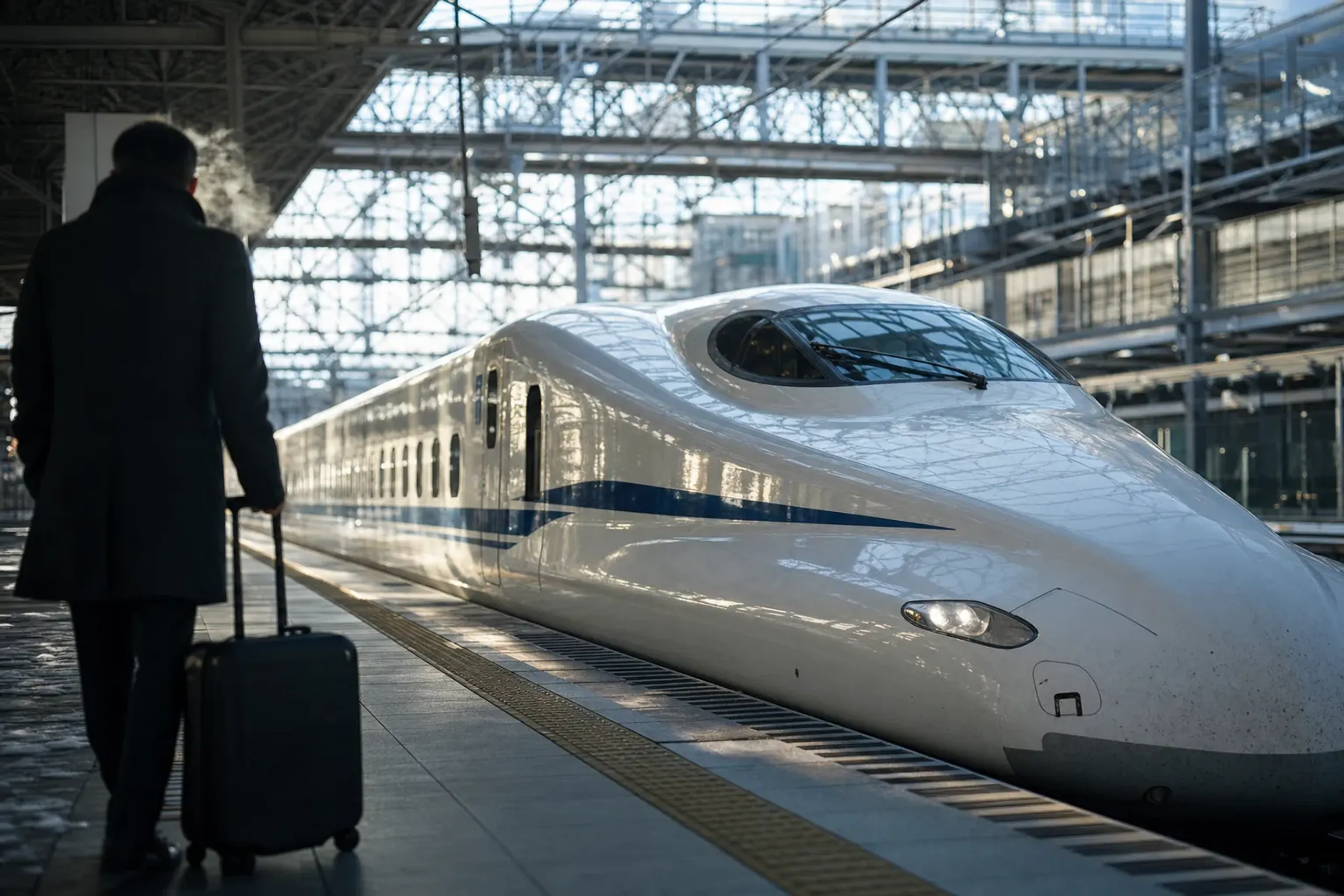
Kyoto is about 33 minutes from Nagoya on the Nozomi Shinkansen, with frequent departures from around 06:20 through the day.
That “33 minutes” is the entire argument. It is shorter than many intra-city commutes in Tokyo, and it changes what you can treat as a day trip without feeling like you’re living inside a timetable.
One constraint matters. Nozomi stopping patterns and exact minutes can shift with the annual March timetable revision, so we treat published schedules as the only source of truth and confirm against current timetables close to travel.
If you prefer a slower pace, Hikari services typically run about 35 to 50 minutes, and Kodama around 50 minutes.
Still close. Still usable.
Why Is March The Month When Sleeping In Nagoya Beats Sleeping In Kyoto?
March is when Kyoto accommodation is most congested and expensive, and Kyoto’s accommodation tax—raised to Japan’s highest level since March 2026—adds a per-person, per-night charge that scales with the room rate.
So the question is not whether Kyoto is worth seeing in March. It almost always is. The question is whether it is worth sleeping there every night, especially if your days are in Kyoto but your trip also includes Osaka, Nara, or Ise.
We do not restate the tax bands here, because the bands are the point-by-point detail and they can change. Use our Kyoto March breakdown for the current framework and what it tends to do to total trip cost: One Tree Decides: Tokyo in Blossom is not it—so instead, treat this as the logistics companion piece and ask our concierge for the current Kyoto March lodging context privately.
What we can say plainly is this: Kyoto’s March pressure is real, and it pushes travelers into compromises they don’t like—odd neighborhoods, short stays, or constant repacking. Nagoya often avoids that squeeze.
What Can You Reach From Nagoya Without Moving Hotels?
From Nagoya, Kyoto, Osaka, Nara, and Ise sit inside day-trip range, so you can keep one room as your anchor and use the rail network like an extension of the city.
We are not publishing fares in this article. Deliberately. March pricing and inventory pressure matter more than train ticket arithmetic, and most HNW travelers do not want their planning to hinge on chasing the “cheapest” option.
Here are the practical, verified travel times to build around (confirming against the current timetable is essential, because March is the revision month):
- Nagoya → Kyoto: about 33 minutes by Nozomi (147.6 km). Hikari 35–50 minutes. Kodama around 50 minutes. Departures run frequently through the day from around 06:20.
- Nagoya → Shin-Osaka: roughly 50 minutes by Nozomi.
- Nagoya → Nara: roughly 1 hour 20 minutes via Kyoto, with a change.
- Nagoya → Ise-shi: about 80–86 minutes by Kintetsu limited express, direct, with no change, around two to three services an hour.
- Nagoya → Takayama: about 2 hours 33 minutes on the Limited Express Hida.
- Nagoya → Gero Onsen: about 100 minutes on the same Limited Express Hida.
We do not recommend Gero as a day trip. It is an overnight town, and rushing it misses the point. If you are comparing onsen towns for a separate extension, our guide can help: Gero, Dōgo, Or Kinosaki: Three Kinds Of Onsen Town.
What Does A March Nagoya Base Unlock For A Kansai Itinerary?
A Nagoya base in March lets you repeat Kyoto as a day trip while keeping one room, and it keeps Osaka, Nara, and Ise within reach without paying Kyoto’s nightly March premium.
This is where “bespoke” stops being a slogan and becomes a calendar. A classic March Kansai itinerary can mean three or four hotels if you chase geography. With Nagoya, it can be one hotel plus one deliberate overnight where the evening matters.
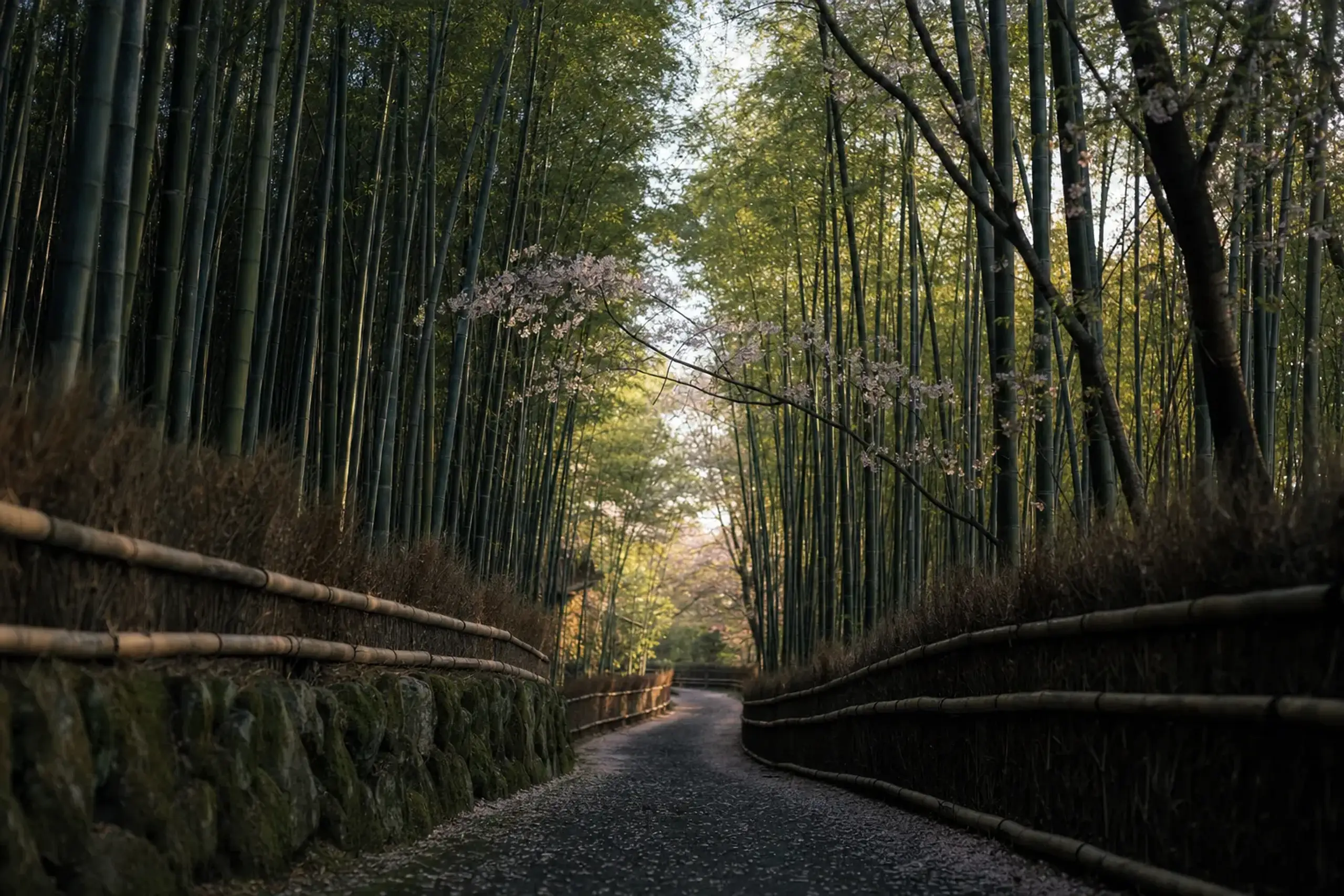
March also has fixed-date cultural anchors that do not wait for you. Miss the night, and you miss the thing. That matters for Nara in particular.
Kyoto As A Repeatable Day, Not A One-Time Sprint
Kyoto becomes something you can do twice, even three times, without “using up” a whole day each time. That changes how you see it. One day for Arashiyama and a quieter temple pair. Another for Higashiyama on foot at your pace. A third, if you want it, for a museum and a single perfect lunch.
Our preference is to keep each Kyoto day narrow. One district. One or two major sites. Space for a by-introduction experience with a shokunin—a craftsperson whose work has the kind of calm authority you feel in your hands.
Osaka’s March Sumo, Without An Osaka Hotel Move
The Osaka sumo tournament runs 8 to 22 March, and Shin-Osaka is roughly 50 minutes from Nagoya by Nozomi.
Sumo is often mis-sold as a “VIP gimmick.” It is not. It is a living sport with strict etiquette, long pauses, and sudden violence. If you want the realities—timing, behavior, and why seats matter—use our Osaka March basho guide: The Stormy Basho: Sumo In Osaka In March.
Interested in a higher-touch approach to the day? Ask our concierge team privately for tailored guidance on pacing, entry timing, and return strategy. Quiet comfort matters.
Omizutori In Nara, With A Plan For The Cold
Omizutori at Tōdai-ji runs from 1 to 14 March.
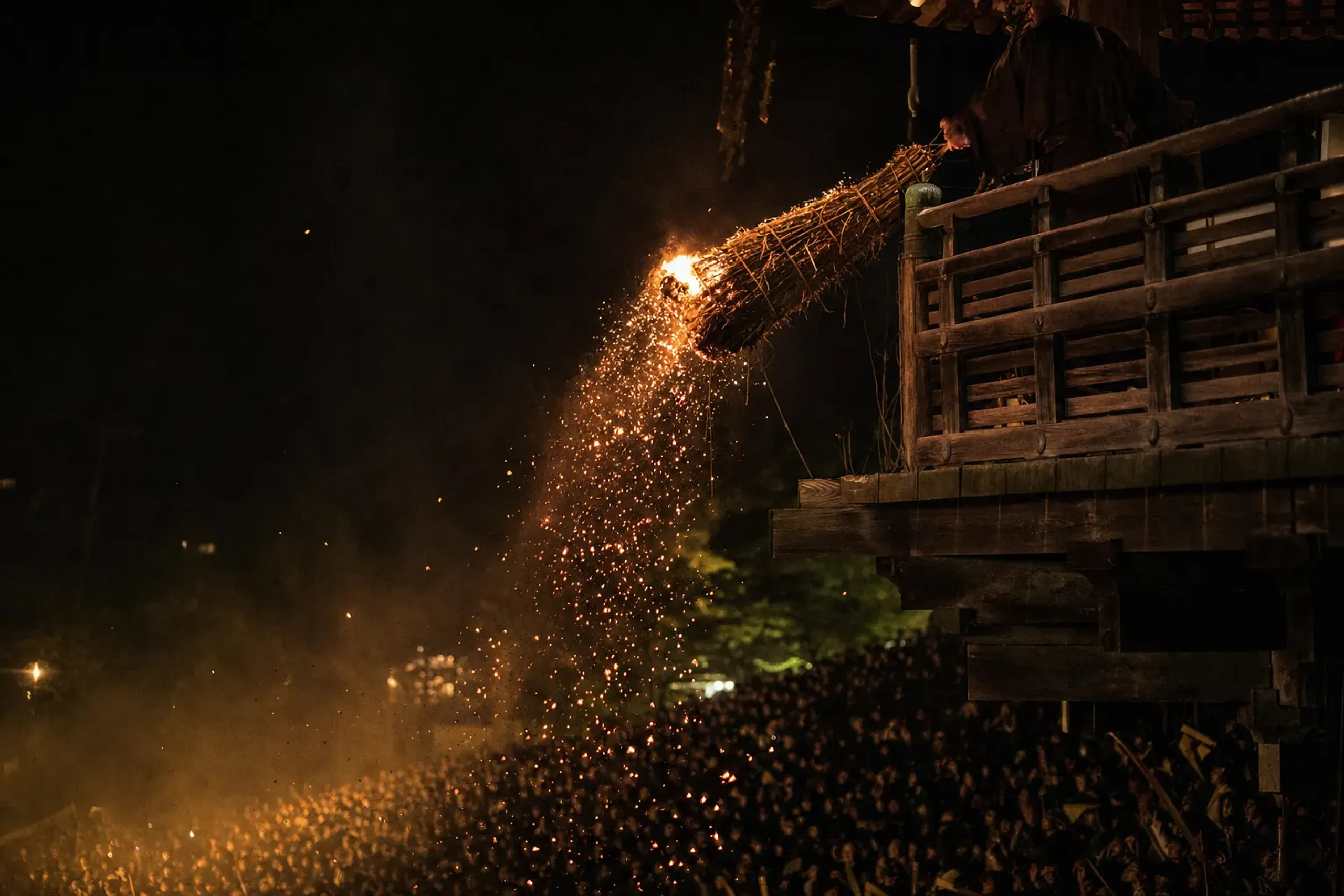
It is not a “show.” It is an observance with rules, crowds, and a serious mood.
If you do it from Nagoya, you need to treat the return as part of the design, not an afterthought. The torches are lit around 19:00, and the cold in Nara at night can sharpen quickly.
Read our guide first, because the fastest way to ruin Omizutori is to behave like you’re at an attraction: Unbroken Since 752: Omizutori At Tōdai-ji.
Ise Jingū In 80–86 Minutes, Direct
Ise Jingū is one of the cleanest wins from a Nagoya base. The Kintetsu limited express takes about 80 to 86 minutes to Ise-shi, direct, no change, with two to three services an hour.
March is a thoughtful time to go: before Golden Week pressure, and often with a steadier rhythm through the approach streets. You still need manners. Bowing is not a performance; it is a way of moving through the precinct without friction.
If you want to shape the day around craftsmanship, Ise’s region has deep food culture and workshop traditions, but we keep specifics private when introductions are involved. Discretion is not an add-on. It is the base layer.
Where Does A Nagoya Base Break For Kansai In March?
A Nagoya base works for daytime Kansai and fails for evening Kansai, because the return trains turn night events into late, cold, multi-leg journeys.
This is the passage most competitors skip. It is also the passage that makes the rest trustworthy.
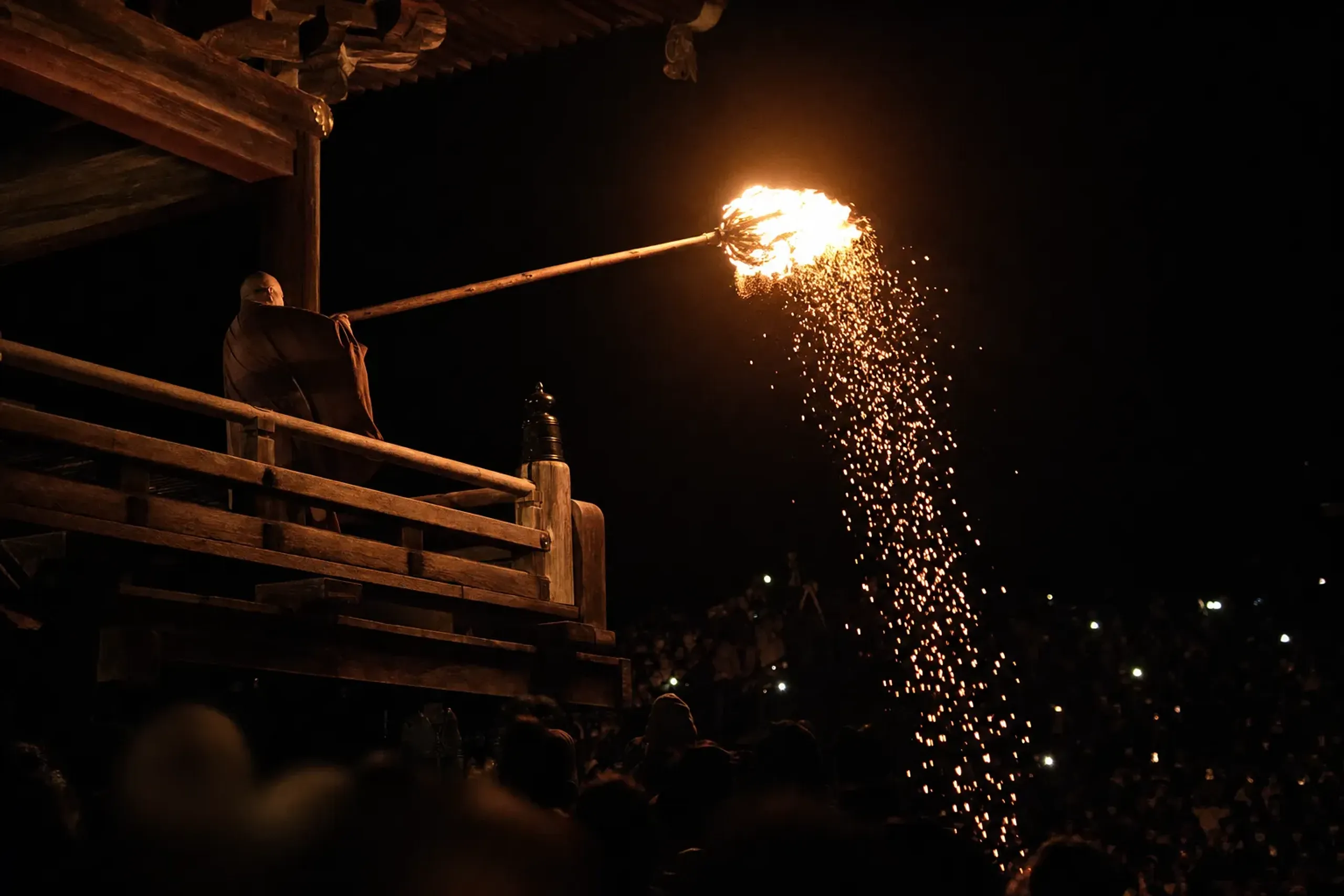
Three examples, all practical:
- Omizutori’s torches: lit around 19:00 in Nara. From Nagoya, that can mean a late return with a change after hours outside.
- Osaka Castle’s evening blossom garden: runs to 21:00, with last entry 20:30. Staying until close makes the trip back feel long.
- Kyoto illuminations and after-dark Kyoto: evening events are the point, and Kyoto by night is not Kyoto by day.
No dawn at a temple. No dinner in Gion followed by a slow walk through empty lanes. No ability to choose “one more stop” because you are already home.
If evening Kansai is central to your March idea of Japan, you should not force a pure Nagoya base. It will feel clever on paper and sting in real life.
Should You Split Your Nights Between Nagoya And Kyoto/Osaka In March?
Yes—base in Nagoya for day programs, then add one or two Kansai overnights for the evenings that matter most.
This is the mixed-base strategy we recommend most often for HNW travelers. It respects your energy, not just your map.
Think of it as two modes. Nagoya for breadth and stability. Kansai for depth and night texture.
Option A: Mostly Nagoya, One Intentional Kansai Night
This suits travelers who want Kyoto repeatedly, plus one evening anchor. Simple. Firm.
- Use Nagoya as the steady hotel base for 4–6 nights.
- Choose one night in Kyoto or Osaka for a single after-dark priority (Gion dinner, a night illumination, or an early temple morning).
- Keep luggage light on the overnight. Two outfits. No drama.
Option B: Nagoya First, Then Two Nights In Kyoto
This suits travelers who want to “earn” Kyoto after seeing it in daylight first.
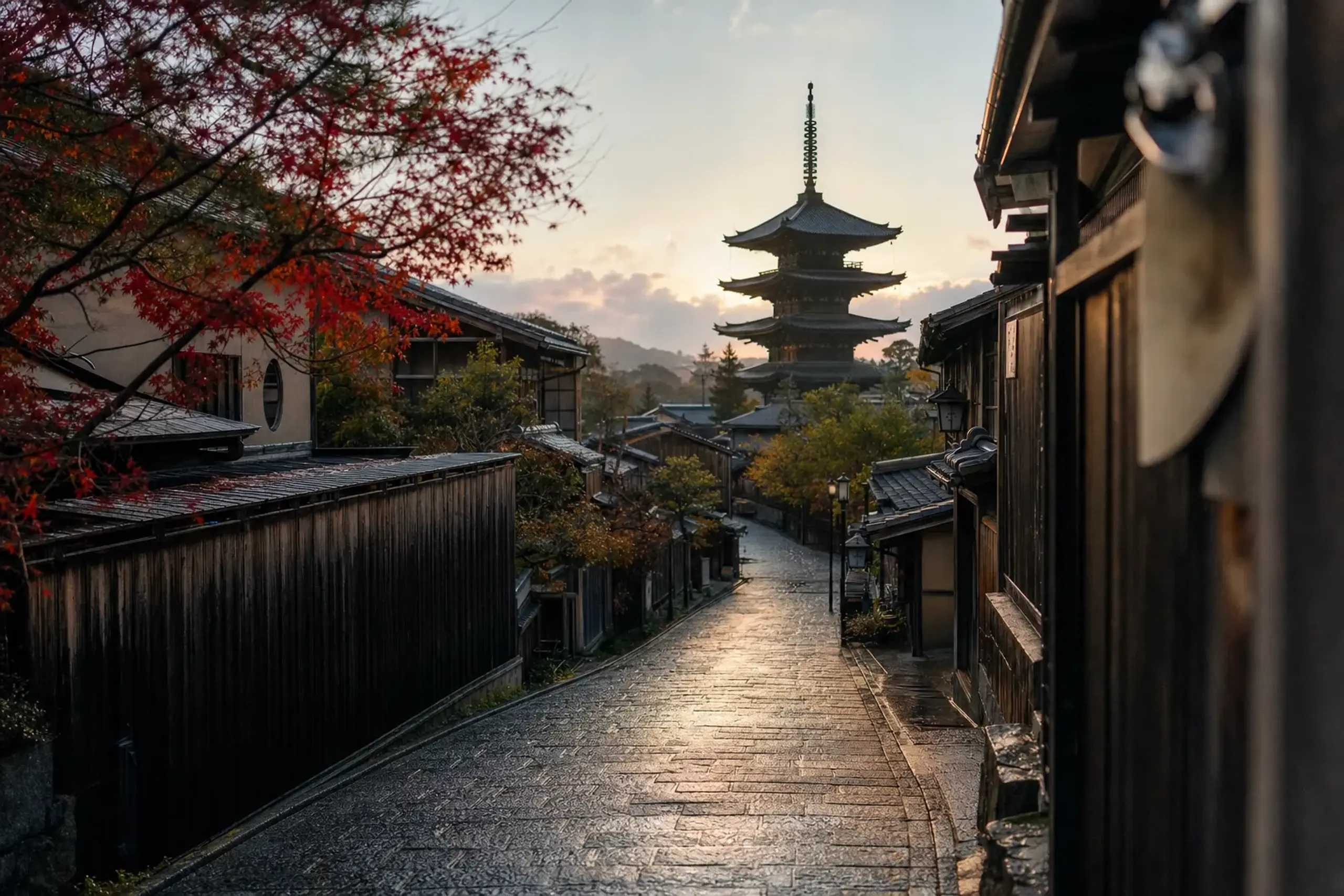
It prevents over-committing to Kyoto lodging before you know what neighborhoods you actually like.
- Start in Nagoya to cover Osaka and Nara as day trips without repacking.
- Shift to Kyoto for two nights when your evening priorities stack up.
- Return to Tokyo directly afterward, or continue west if your itinerary already demands it.
How Do You Avoid Repacking Fatigue On A March Kansai Itinerary?
Use Nagoya as your “single room” anchor, and move hotels only when an evening experience justifies it.
Repacking is not just time. It is mood. Many March itineraries fail because the traveler is always checking out, always arriving, always re-learning a neighborhood.
Nagoya’s advantage is not that it is “prettier” than Kyoto. It is that it is workable. Your suitcase stays put while your days fan out.
When a base plan requires repeated station runs, friction can creep back in. This is where private transportation becomes functional rather than flashy: a held car for station transfers, timed to your train, so the base strategy stays calm.
Is Chūbu Centrair A Smart March Arrival For A Kansai Trip?
Chūbu Centrair International Airport (NGO) can be a smart March arrival when you want to start in Nagoya and avoid the pressure points of Kansai or central Tokyo first.
This is not a universal rule.
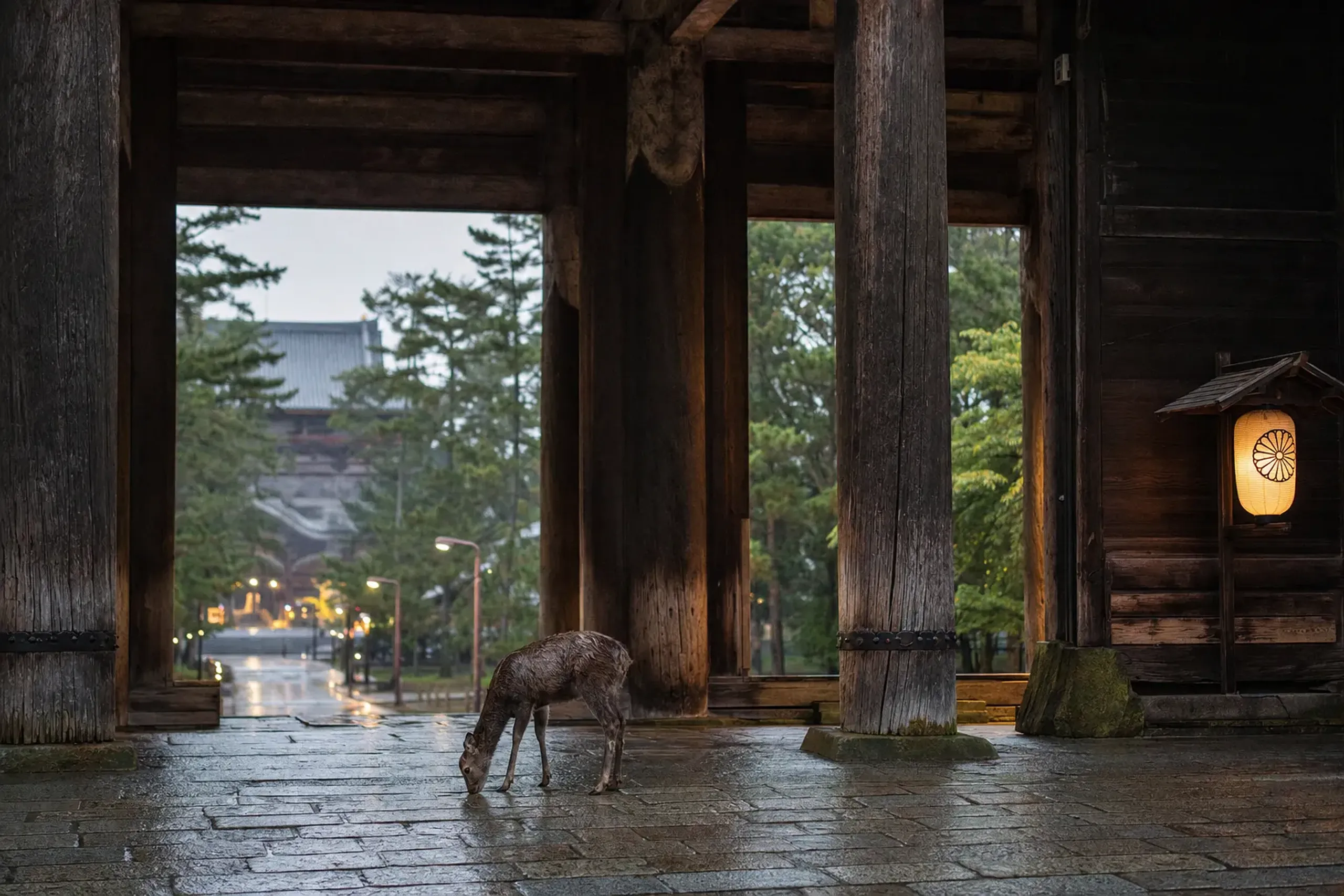
Flight patterns decide it. So does your jet lag tolerance.
But for the Nagoya-base strategy, Centrair can reduce the number of moving parts on day one. Fewer transfers. Less guesswork. You begin where you intend to sleep.
If you prefer an airport-to-hotel approach that stays discreet and doesn’t broadcast your itinerary, our concierge can advise on arrival flow and timing privately.
What Should You Know About March Dates In Nagoya Itself?
March in Nagoya includes a few fixed events and seasonal windows that can affect hotel availability, traffic, and the shape of your evenings.
We are not turning this into another blossom guide. You already have those. Still, a base city has its own calendar, and ignoring it is a planning error.
Nagoya Women’s Marathon: March 8, 2026
The Nagoya Women’s Marathon is scheduled for 08 March 2026, and it can tighten rooms and complicate traffic on and around race day.
If your March itinerary touches that weekend, plan your check-in and movements with more buffer than you think you need. A late breakfast can become a stuck car.
Atsuta Jingū Festival Calendar: March 20
Atsuta Jingū publishes an official festivals calendar, and March 20 lists “Atsuta Ebisu Kousha Taisai” with a start time shown as 10:00-.
If you visit on a festival morning, go earlier than you usually would. Keep your voice low. This is a shrine day first, a sightseeing day second.
Nagoya Castle Spring Festival Window: March 20 To April 5 (2025–2026)
Nagoya Castle lists its Sakura festival period for the 2025–2026 season as March 20 to April 5, with extended hours during the festival (open until 19:30; gate closes 20:00).
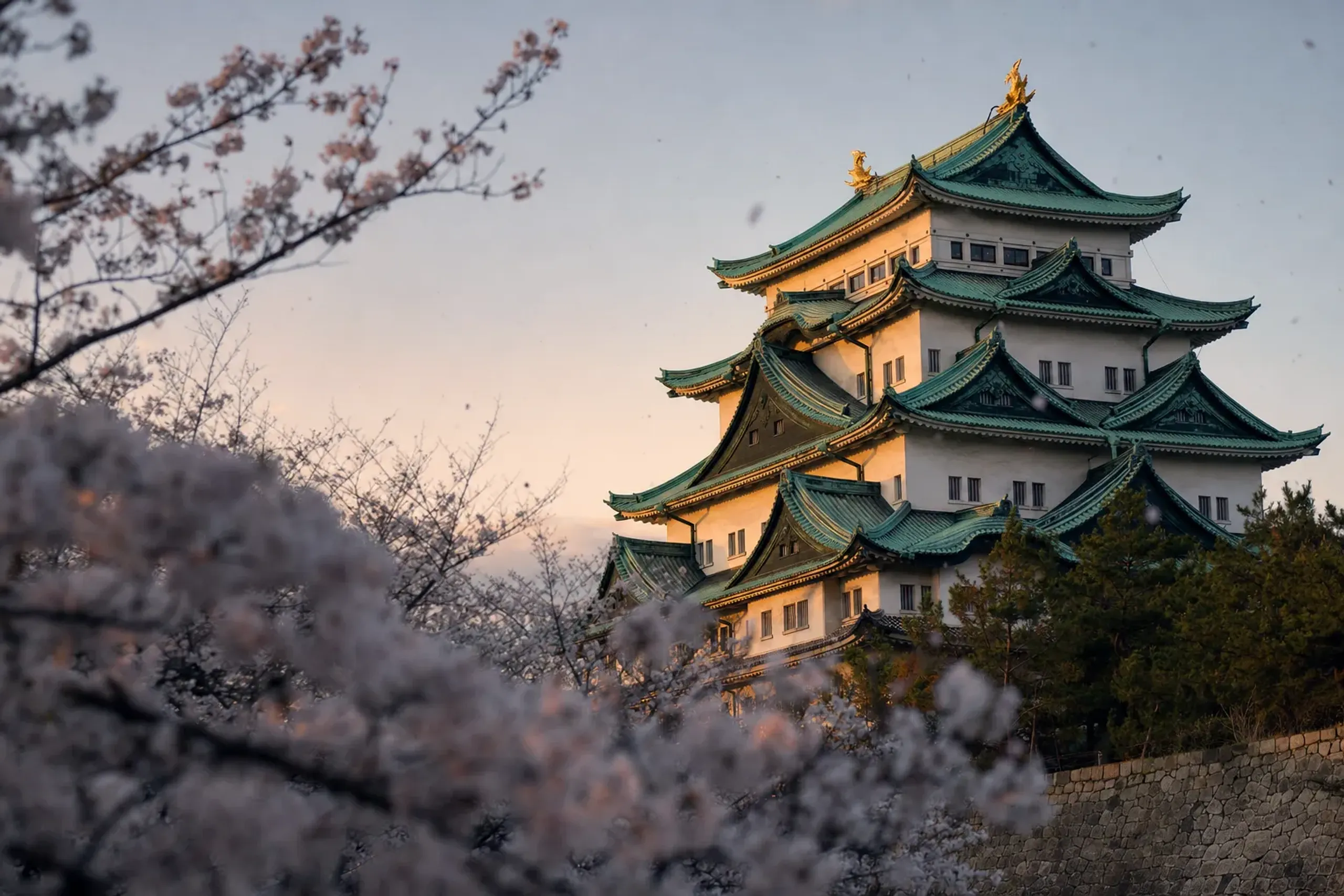
This matters even if you are sleeping in Nagoya for logistics rather than romance, because it gives you a March evening option that does not require returning from Kansai at midnight. One quiet win.
If you want Kyoto and Osaka blossom context without another explainer, use our existing guides and keep this post as your base strategy note: One Tree Decides: Tokyo in Blossom and Behind the Gate: Osaka Castle in Blossom.
How To Use A Chauffeured Base Strategy Without Making It Feel Like Work
Plan your day around one long rail movement, then let a car handle the short, awkward edges—station runs, temple approaches, and the tired return to your hotel.
Done badly, a base strategy is just “more trains.” Done well, it’s controlled. You keep your morning clean, your midday flexible, and your evening intact.
Our rule of thumb is simple: if you are doing Kyoto as a day trip repeatedly, you should not also be dragging luggage or hunting taxis at rush hour. That is how the base plan collapses.
When you’re ready to build a tailor-made itinerary, we shape the days around your pace: museum time, late lunches, private craft sessions, and the kind of “Hidden Japan” dining that requires introduction and does not belong in a public blog post.
Key fact: March timetables revise annually, and the exact minutes can shift—so we confirm rail timings against the current timetable close to travel.
What Japan Royal Service Can Handle vs What We Keep As Private Guidance
Japan Royal Service provides accommodation, guiding, and transfers, then coordinates everything else privately after you inquire.
We write public guides like this one to give you the logic and the numbers. That is the visible layer. The invisible layer is discretion: keeping identities quiet, keeping movements unannounced, and avoiding the kind of noisy planning trail that follows HNW travelers around the internet.
If you are comparing concierge brands, look for the tells. Do they promise to “secure” everything in public copy? Do they speak loudly about access? We take the opposite posture: precise information publicly, and tailored coordination privately.
Frequently Asked Questions
Is Nagoya Really A Practical Base For Kyoto In March 2026?
Yes—Kyoto is about 33 minutes from Nagoya by Nozomi, so you can treat Kyoto as a repeatable day trip while avoiding Kyoto’s March lodging pressure.
It works best if you plan your Kyoto days to finish before late-night events. If evenings matter, add one or two Kansai overnights.
What Time Should I Leave Nagoya For A Day In Kyoto?
A 06:20–07:30 departure window usually gives you the most relaxed Kyoto morning, because you arrive before many day-trippers and can start with one quiet site.
Exact trains vary with the March timetable revision, so we confirm options close to travel based on your hotel location and your preferred start time.
Can I See Omizutori In Nara And Still Sleep In Nagoya?
Yes, but expect a late return with a change, because Omizutori’s torch ceremony is around 19:00 and the evening can be cold.
If Omizutori is a top priority, consider sleeping one night in Nara or Kyoto to protect the experience and your energy.
Does A Nagoya Base Work If I Want Osaka Nights Or Kyoto Illuminations?
Not reliably, because Osaka and Kyoto evening events can push your return late, and the day becomes about trains rather than atmosphere.
Our usual fix is a mixed-base plan: Nagoya for daytime breadth, then one or two Kansai nights for the evenings you care about.
How Do I Decide Between Arriving Via Centrair (NGO) Or Kansai (KIX)?
Choose Centrair (NGO) when you want to start sleeping in Nagoya immediately and reduce early-trip transfers; choose Kansai (KIX) when your first nights must be in Osaka or Kyoto.
Flight schedules and jet lag tolerance matter, so we tailor the arrival strategy to your party size and the first two days’ commitments.
Why Choose Japan Royal Service
Luxury travelers choose Japan Royal Service when they want Japan handled with a quiet hand: discretion first, clear logistics, and an itinerary that reads like a set of good decisions rather than a checklist.
For a March Kansai trip, our advantage is practical. We know where the base strategy saves you time, where it turns brittle, and when one intentional Kansai night improves the entire week. Small choices. Big difference.
We also build depth into the gaps: a private moment with a shokunin, an imperial-class site visit where formality matters, and “Hidden Japan” meals that are quieter than the internet’s usual suggestions. No noise. No leaks.
Ready to plan March with a Nagoya base that actually holds up at night? Reach our team privately via WhatsApp or LINE, or contact us here.