In this guide
- 01Where Nikko Is And The World Heritage Shrine And Temple Area
- 02When Is The Nikko Toshogu Spring Grand Festival?
- 03What Happens On Each Day Of The Festival?
- 04When Are The Cherry Blossoms In Nikko?
- 05Oku-Nikko: The Thaw, Early May, And Late May
- 06Choosing The Trip: Festival, Blossom Or Green Season
- 07Getting Around Nikko And Up To The Lake
- 08How Our Concierge Team Plans The Days
- 09Frequently Asked Questions
- 10Why Choose Japan Royal Service
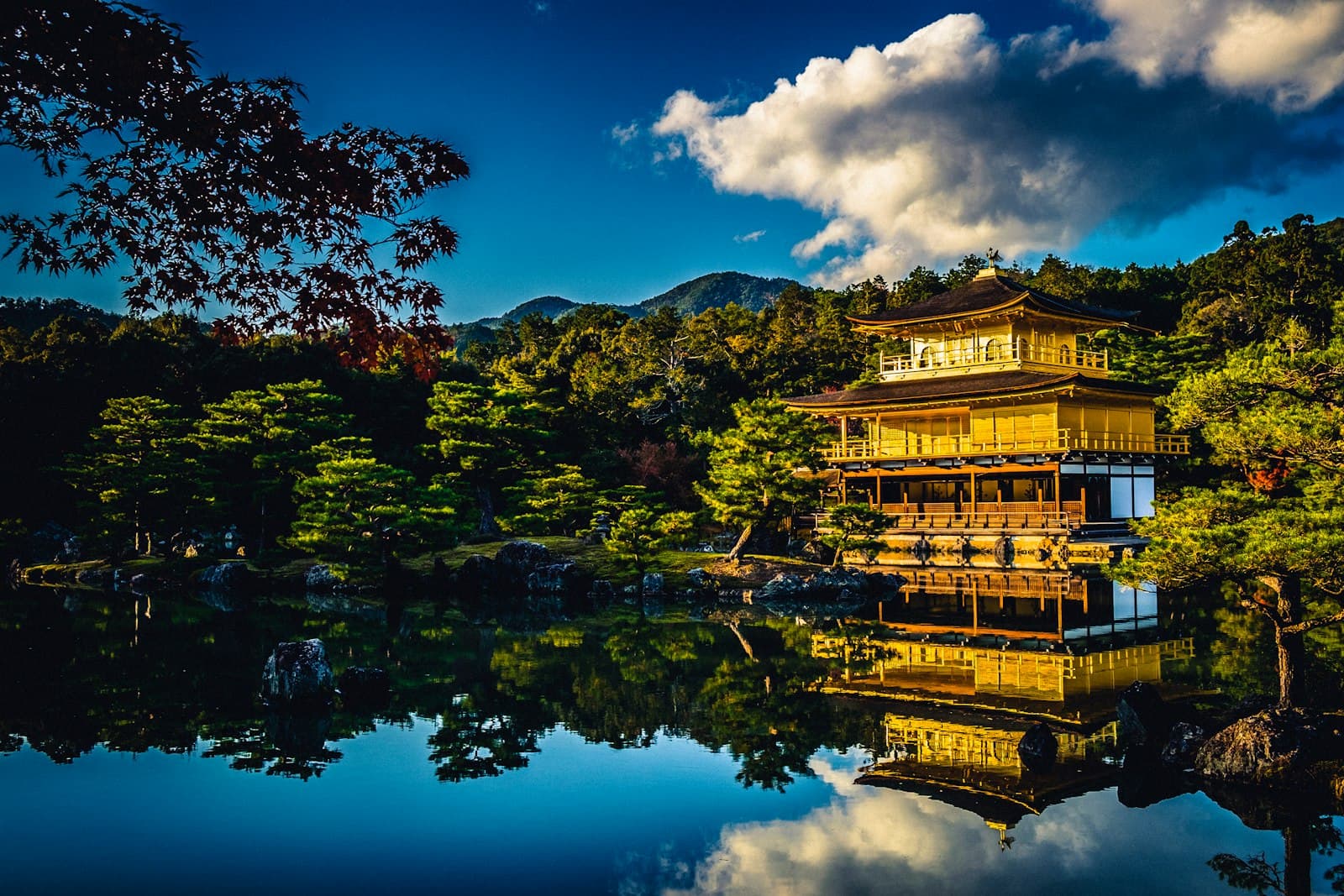
Spring in Nikko is two seasons in one trip. In the town, the shrines and temples of the World Heritage area meet cherry blossom. Up the road, Oku-Nikko wakes later. The snow is still thawing when the town is already in flower.
This is the part that catches most travellers out. The bloom in town and the green on the high ground do not arrive at the same time. So you choose: a festival trip, a blossom trip, or a green-season trip up the mountain. Each spring, the Nikko Toshogu Shrine Annual Grand Spring Festival anchors the calendar on fixed dates, while the blossom shifts with the weather. Below, our team at Japan Royal Service walks through the season in order, and how to order the days.
Where Nikko Is And The World Heritage Shrine And Temple Area
Nikko sits in Tochigi Prefecture, in the mountains north of Tokyo. The trains run there directly, and the shrines sit on forested slopes above the town. This is the fixed point of any spring visit. Everything else moves around it.
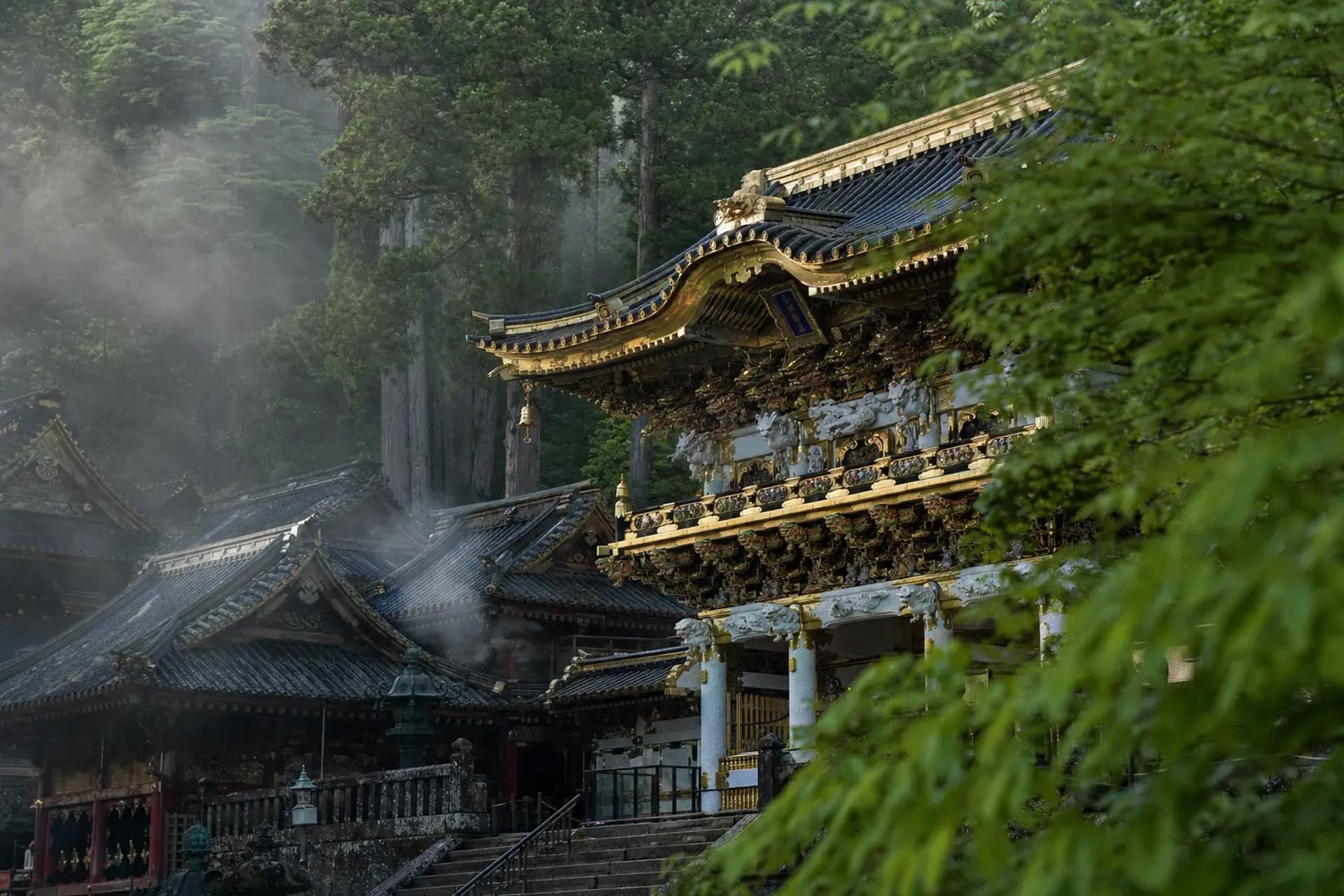
The Shrines and Temples of Nikko are a UNESCO World Heritage Site. UNESCO lists 103 religious buildings in total: Futarasan-jinja with 23, Toshogu with 42, and Rinno-ji with 38. Many date from the 17th century, set on forested mountain slopes and closely tied to Tokugawa Ieyasu.
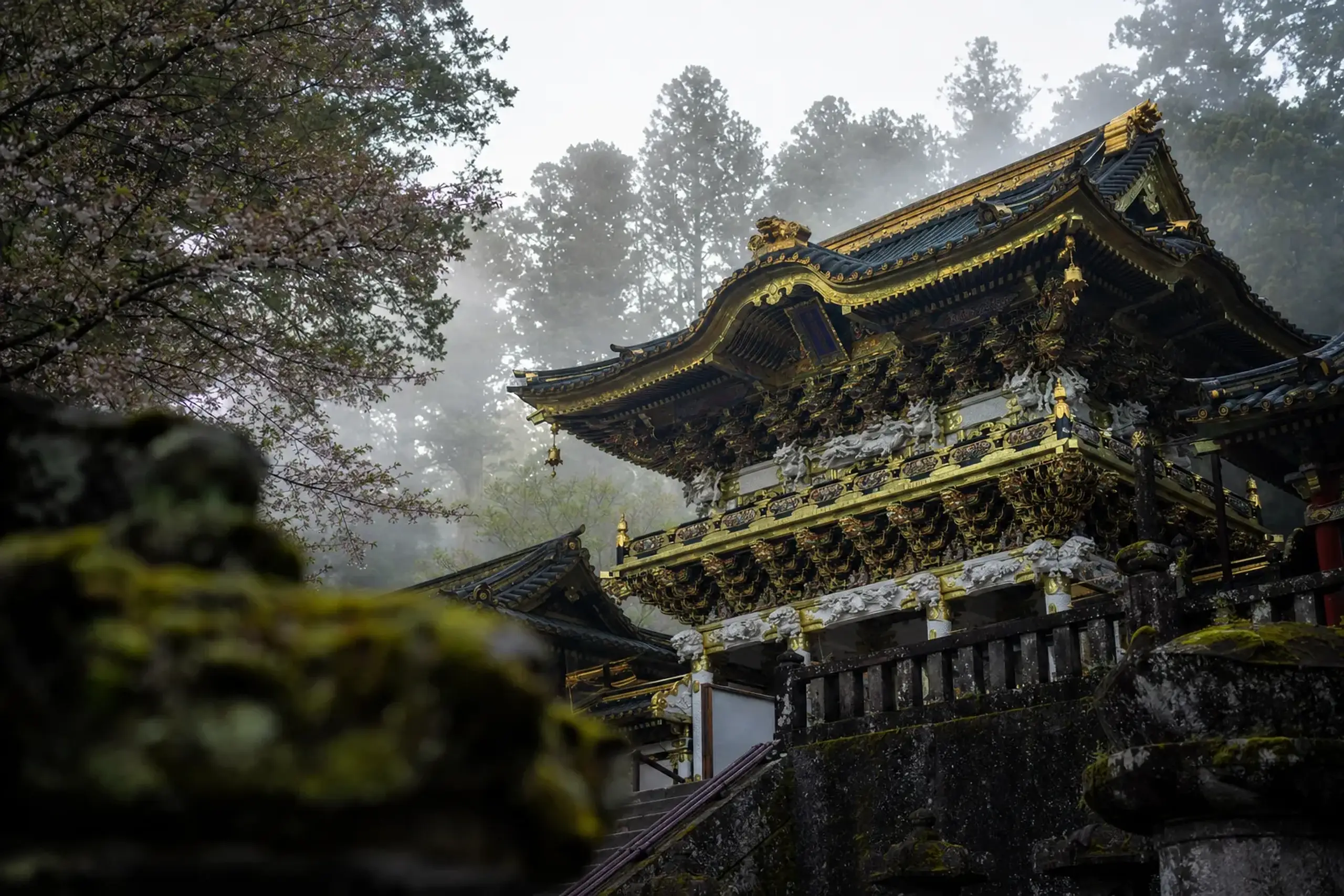
If you read only one thing before you go, read about the shrine itself. The carved gate, the sleeping cat, the stable with its monkeys. For a fuller walk through the complex, see our guide to Nikko Toshogu. The neighbouring temple and the twin-peak shrine reward an unhurried morning each; our notes on Rinnoji Temple and Futarasan Shrine cover both. The lacquered Shinkyo sacred bridge marks the start of the sacred ground, a short walk from where the buses stop.
When Is The Nikko Toshogu Spring Grand Festival?
The Nikko Toshogu Shrine Annual Grand Spring Festival (Shunki Reitaisai) is held every year on May 17 and 18. Visit Nikko calls it the shrine's foremost event.
These two dates do not move. That is the useful thing about them. You can build a trip around them with confidence, which you cannot do with the blossom. The festival is the one spring fixture Nikko offers, and it is worth planning the rest of the days around it.
The dates are annual, but the finer points shift. Our concierge team confirms the schedule directly with the guest at time of arrangement, including whether any viewing seats are sold.
What Happens On Each Day Of The Festival?
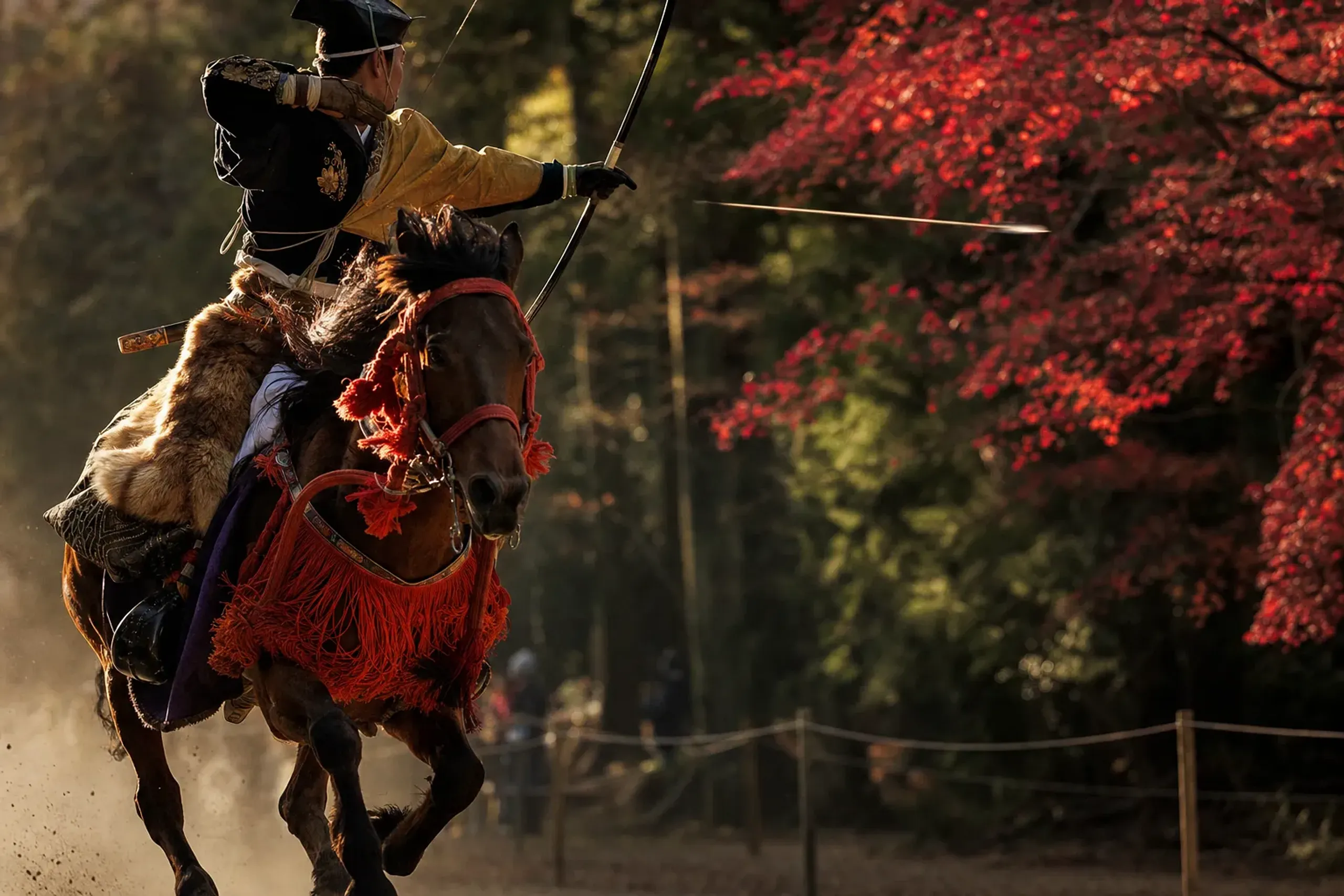
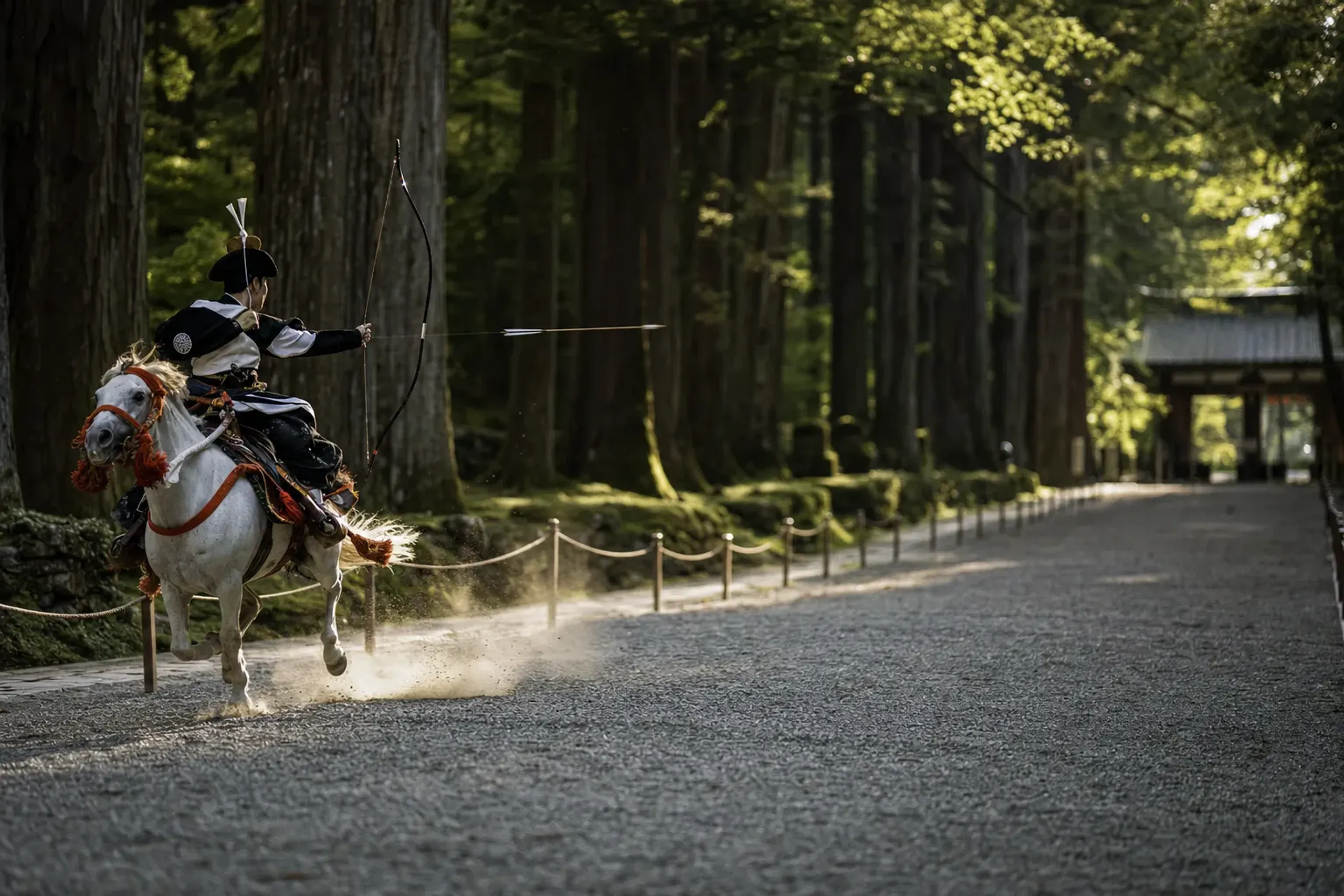
May 17 brings yabusame, horseback archery, where mounted riders loose arrows at targets at speed.
May 18 brings the grand procession.
The first day is the one most people picture. Riders in old costume thunder past a straight course, bow drawn, and the crowd holds its breath for the strike. Yabusame is older than the shrine itself, a martial rite kept alive for centuries, and Nikko stages it on the festival's opening day. If the discipline draws you, the yabusame at the Kamakura Festival offers a second chance to see it under spring skies.
The second day is the larger spectacle. A mikoshi, a portable shrine, is carried through the town accompanied by 1,000 people dressed as samurai. The procession reenacts the funeral cortege of Tokugawa Ieyasu, whose grave was moved from Mt. Kunozan in Shizuoka Prefecture to Nikko. JNTO notes gagaku court music and dance at the Otabisho hall when the procession arrives.
Key fact: The festival runs May 17 (yabusame) and May 18 (the 1,000-samurai procession) every year. The JRS concierge team confirms directly with the guest at time of arrangement whether any viewing seats are sold.
When Are The Cherry Blossoms In Nikko?
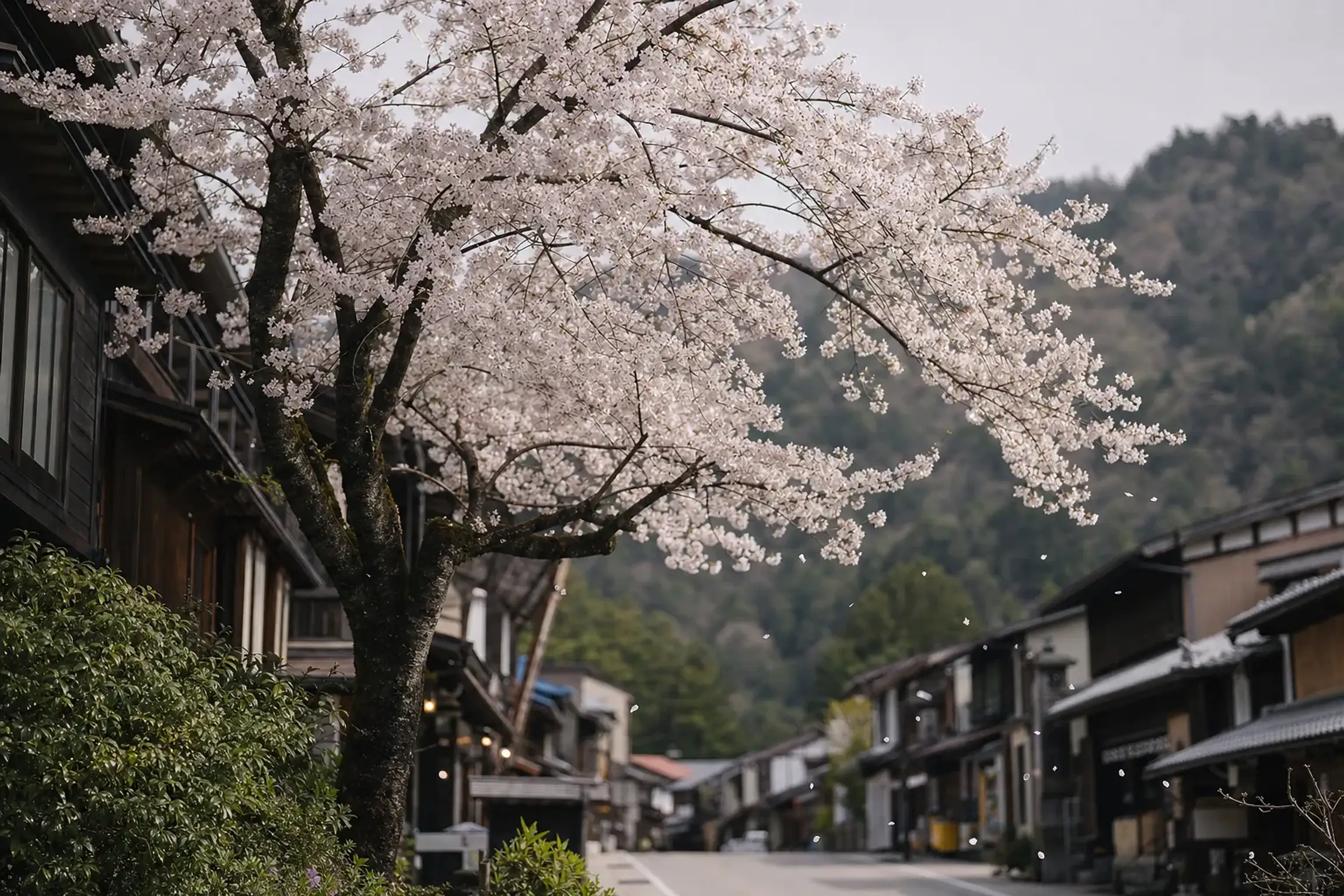
Cherry blossom season in Nikko town is usually at its peak in mid-April, according to Visit Nikko. That is a month before the festival, which is the complication worth understanding early.
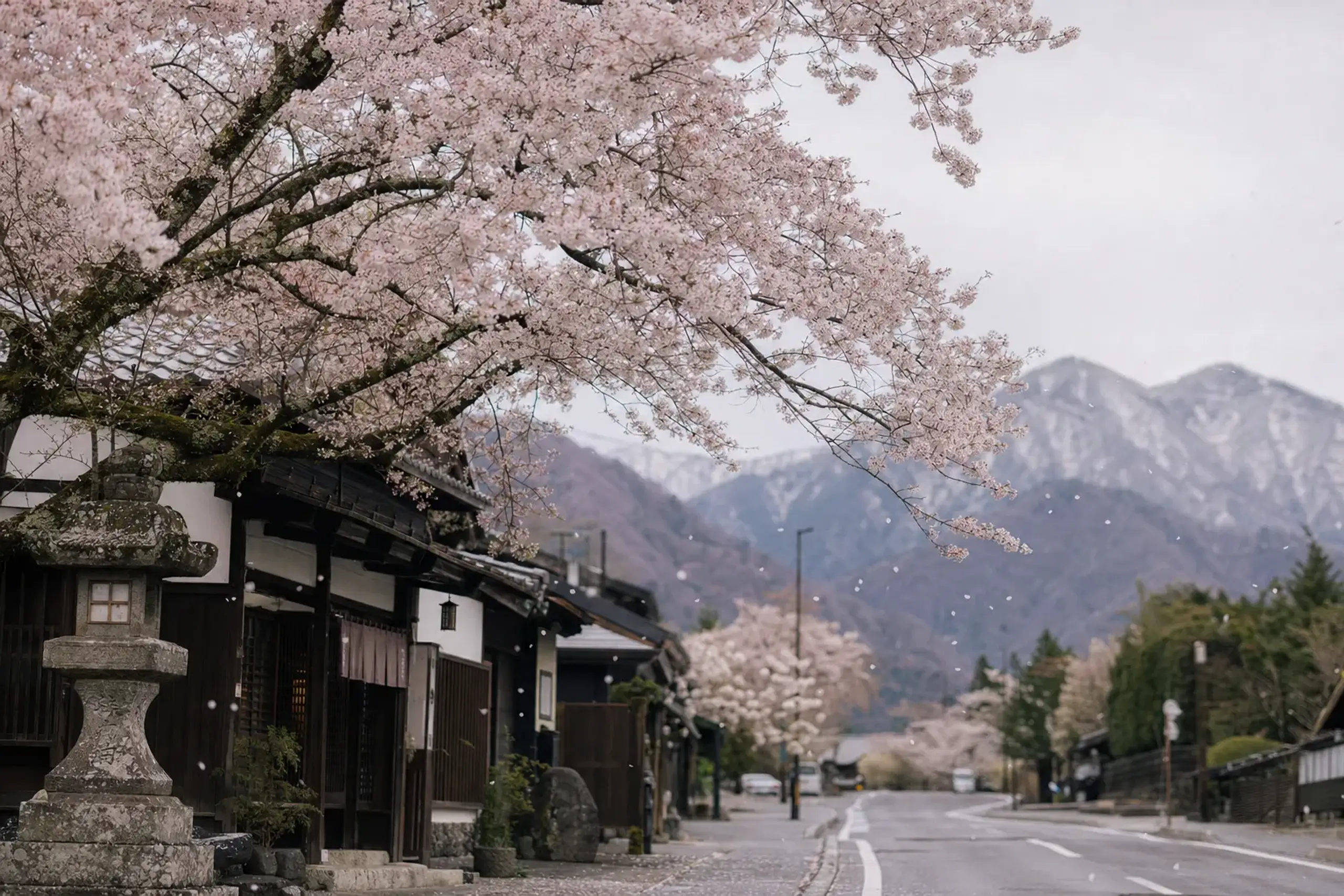
The town and the shrine grounds hold the blossom longest, because Nikko sits higher and cooler than the city. Along the way to the hot-spring town, Sakuranamiki Street at Kinugawa Onsen runs more than 300 metres of Yoshino cherry. Around Kirifuri Falls, azaleas open later in the season.
The bloom date drifts from year to year with the weather. If blossom is the object of the trip, the concierge team watches the bloom stage and confirms it with the guest as the days firm up. A rainy spring day in Nikko need not be lost; our Nikko rain-day guide suggests how to use one.
Oku-Nikko: The Thaw, Early May, And Late May
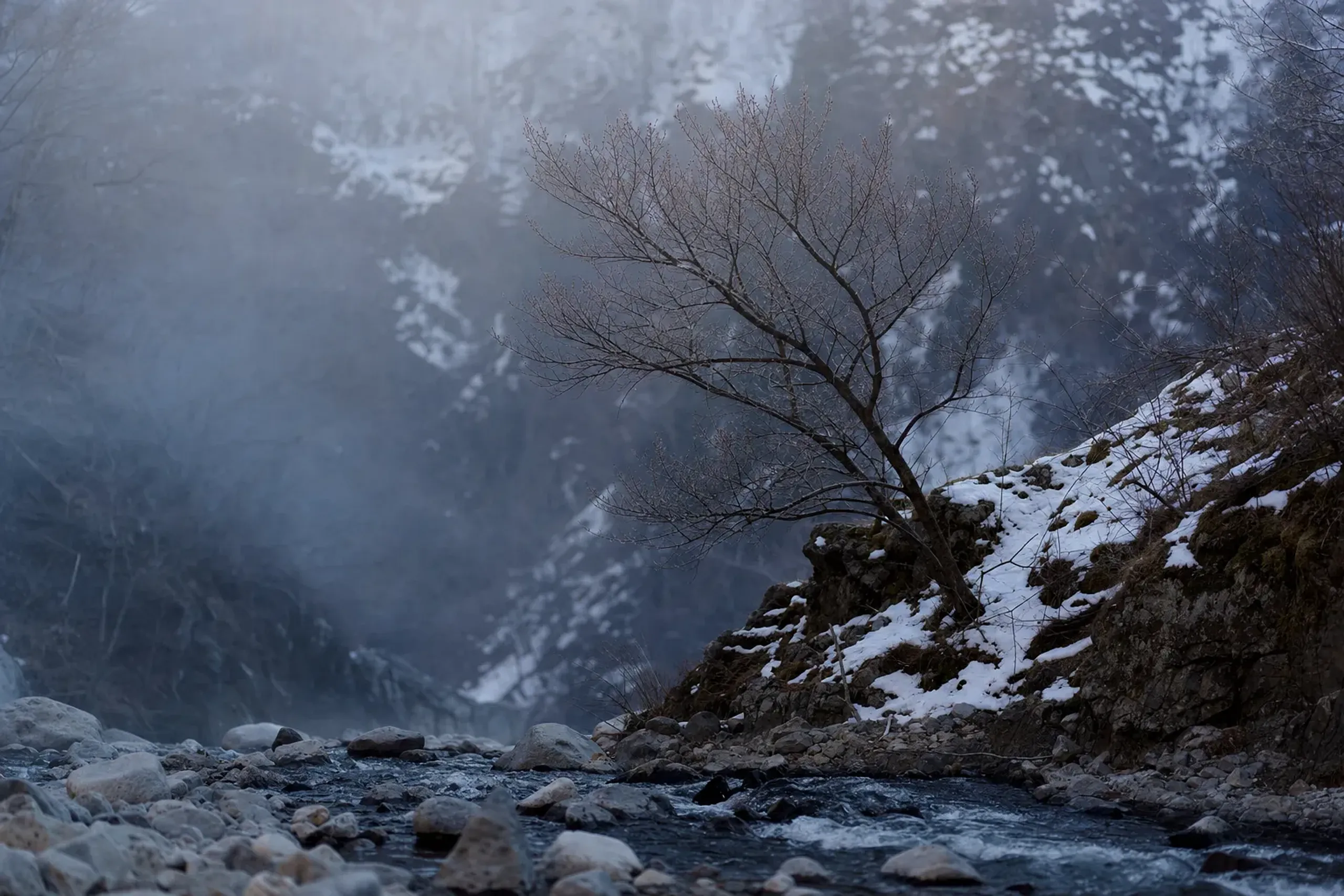
Up the road, Oku-Nikko runs a different calendar. The MLIT guide describes snow thawing in April, which heralds the start of spring on the high ground. At the beginning of May the landscape is transformed by the red-hued blooms of akayashio, a rhododendron. Late May is azalea season. Wetland flowers follow from June into summer.
So the high ground comes into spring later than the town. In April the snow thaws in Oku-Nikko, and that thaw marks the start of spring there.
Kegon Falls is the gateway to this upper world. The falls cascade from Lake Chuzenji with a drop of 97 metres, and in spring they show lush greenery. There is an observation platform at the base. From Nikko Station, Visit Nikko puts the bus to Chuzenji Onsen at about 45 minutes; the concierge team confirms timings. For the full picture of the falls and the lake above, see our note on Kegon Falls.
Oku-Nikko keeps giving through the warmer months. The marshland of Senjogahama, on the western side of Lake Chuzenji, closes to ordinary cars and is reached by the lake cruise or the low-emission bus; its primrose blooms in June. That is a summer story. We cover it in our Oku-Nikko summer guide.
Choosing The Trip: Festival, Blossom Or Green Season
Here is the honest arithmetic. The two bloom calendars do not line up, and the festival sits on top of neither. So you pick a lead, and let the rest fall in behind it.
A Festival Trip (Mid-May)
Come for May 17 and 18. You get yabusame, the procession of 1,000 samurai, the full World Heritage complex, and Oku-Nikko in its akayashio-to-azalea window. What you miss is the town's cherry blossom, which has gone by then. This is the trip for travellers who want the one spectacle Nikko can promise on a date.
A Blossom Trip (Mid-April)
Come for the cherry, usually at its peak in mid-April in town. You get the shrines under blossom and the Kinugawa cherry street. What you miss is the festival, a month off, and Oku-Nikko, still thawing. This is the quieter trip, built around the town and the sacred grounds.
A Green-Season Trip (Early To Late May)
Come for the high ground. Early May brings the red rhododendron; late May brings the azaleas. Kegon Falls runs full with the thaw, and the forest is new and bright. If you time the late end, you brush the festival too. This is the trip for travellers drawn upward, to the lake and the falls.
Each spring the choice is real, and our concierge team builds the days around whichever you pick, with a fallback if the high ground is under cloud or slow to open.
Getting Around Nikko And Up To The Lake
There are two layers to the journey: getting to Nikko, and moving once you are there.
Rail reaches Nikko directly from Tokyo. We arrange tickets, including Green Car and Gran Class where the service offers them, with platform assistance and luggage forwarding so your bags meet you rather than slow you. That last detail matters more than people expect on a trip that climbs.
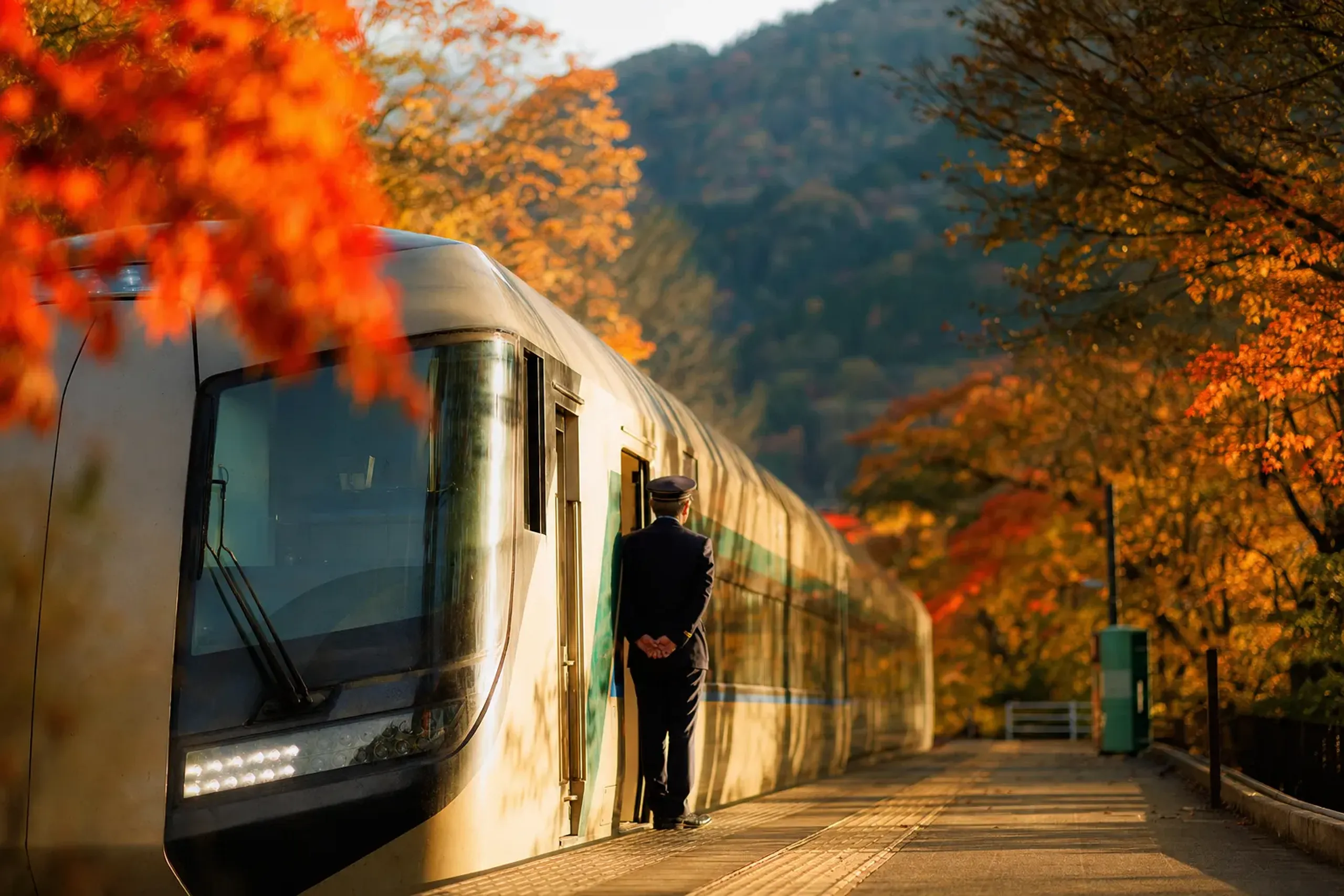
On the ground, the World Heritage Tour bus runs from Nikko Station or Tobu-Nikko Station; Visit Nikko puts the ride to the Nishisando stop at about 6 minutes. For the climb to the lake and the falls, and for moving between town, shrine and the high ground on your own clock, a car with an English-speaking driver earns its place. The driver comes from a partner company. The bus is fine for the shrines. The car is what makes a festival morning in town and an afternoon above Kegon Falls fit into one unhurried day. If you are weighing the two, our driver-versus-rail framework lays out the trade-offs.
How Our Concierge Team Plans The Days
Within Nikko in spring, here is what our team at Japan Royal Service handles.
- Planning: we build the days around the festival dates, the bloom and the weather, with a fallback if Oku-Nikko is under cloud or late to open.
- Guiding: an English-speaking cultural interpreter guide, booked separately from the driver, for Toshogu, Rinnoji and Futarasan, and for the story behind the samurai procession.
- Transfer: a vehicle with an English-speaking driver, from a partner company, between Nikko town, the lake and the falls, and for the climb to Oku-Nikko. Driver and guide are separate roles.
- Accommodation and meals: ryokan and restaurant booking in Nikko, Chuzenji or Kinugawa, with dietary needs passed ahead.
- Rail: tickets to Nikko, Green Car and Gran Class where available, platform assistance and luggage forwarding.
- Same-day re-planning when the weather turns.
All sites are public.
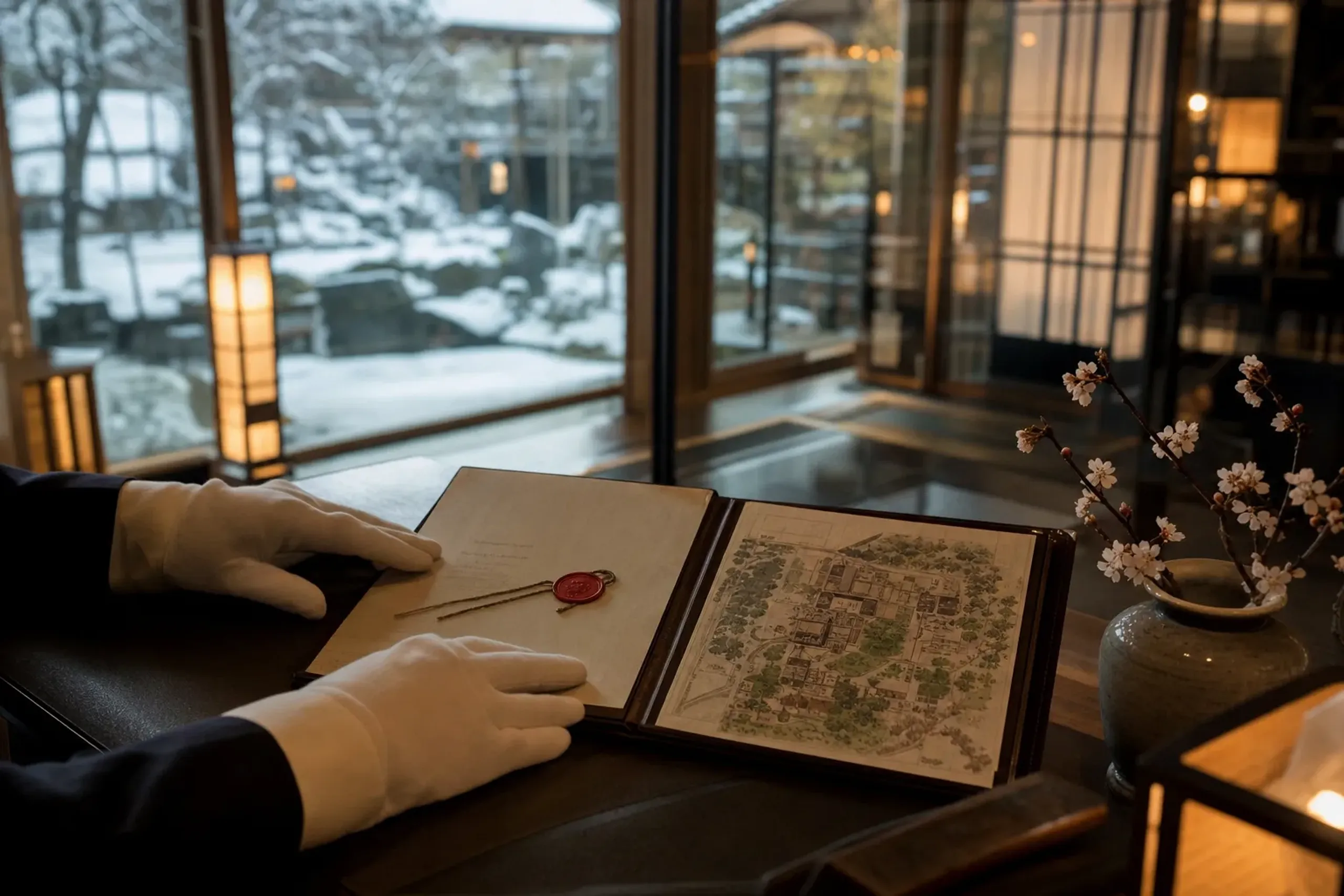
The concierge team confirms directly with the guest at time of arrangement the festival schedule, whether any viewing seats are sold, the bloom stage, and the road and bus status at Oku-Nikko. A tailor-made itinerary is the frame that holds all of it together.
Frequently Asked Questions
When Is The Toshogu Spring Grand Festival Held Each Year?
The Nikko Toshogu Shrine Annual Grand Spring Festival (Shunki Reitaisai) is held every year on May 17 and 18. The dates do not change year to year. Our concierge team confirms the schedule at time of arrangement.
What Happens On Each Day Of The Festival?
May 17 is yabusame, horseback archery at the shrine. May 18 is the grand procession, when a mikoshi is carried through town accompanied by 1,000 people dressed as samurai, reenacting Tokugawa Ieyasu's funeral cortege.
When Are The Cherry Blossoms In Nikko Town?
Cherry blossom in Nikko town is usually at its peak in mid-April, according to Visit Nikko. That is about a month before the May festival. The JRS concierge team confirms the bloom stage directly with the guest at time of arrangement.
When Does Oku-Nikko Come Into Spring?
Oku-Nikko runs a month or more behind the town. The MLIT guide describes snow thawing in April, red akayashio rhododendron at the beginning of May, and azalea season in late May, with wetland flowers from June.
How Do You Reach Toshogu From Nikko Station?
The World Heritage Tour bus runs from Nikko Station or Tobu-Nikko Station; Visit Nikko puts the ride to the Nishisando stop at about 6 minutes. A car with a driver is useful for linking the shrine to the lake and the falls. The concierge team confirms timings.
Why Choose Japan Royal Service
Nikko in spring asks you to hold two calendars at once: the town in mid-April, the high ground from the April thaw to late May, and a festival pinned to May 17 and 18 between them. Getting the days to line up is the whole task. Our team at Japan Royal Service builds the trip around your chosen lead, with a cultural interpreter guide for the shrines, a car and driver for the climb to Oku-Nikko, rail and ryokan handled ahead, and same-day re-planning when the weather turns. You arrive, and the season is already sorted around you.
To begin planning, contact our team here.