Northwest Kyushu rewards a route that moves. This is a four-day drive that starts in Fukuoka and runs north to south, from the Kanmon Strait down through Karatsu, Hirado, Nagasaki and Shimabara, finishing with a car ferry to Kumamoto. Nothing doubles back.
Japan Royal Service builds this as a tailor-made itinerary with vehicles from partner companies and English-speaking drivers for the whole way. Below is the order, the pacing and the transitions between stops. Each stop keeps its own detailed page, linked where it belongs.
Why This Route Works By Car
The logic is geography. Kyushu's northwest edge is a coast of inlets, a bridge to an island, and a short sea crossing at the end. Rail covers the spine, but not the parts that make the trip.
A driver carries you across the pieces rail cannot reach. The bridge to Hirado Island, the coast roads toward Sasebo and the approach to Shimabara all sit off the main lines. A car also lets you change the day's shape when weather turns, without re-timing a chain of trains.
You keep your bags in the vehicle, or forward the main ones ahead. Either way you travel light between towns. The route is designed so each night lands in a sensible place for the next morning.
One more point. The whole line falls across three prefectures, Yamaguchi, Saga and Nagasaki, with the finish in Kumamoto. A driver who knows the coast removes the seams between them.
Day 1: The Kanmon Strait And Shimonoseki
Day one goes to the strait that separates Kyushu from Honshu.
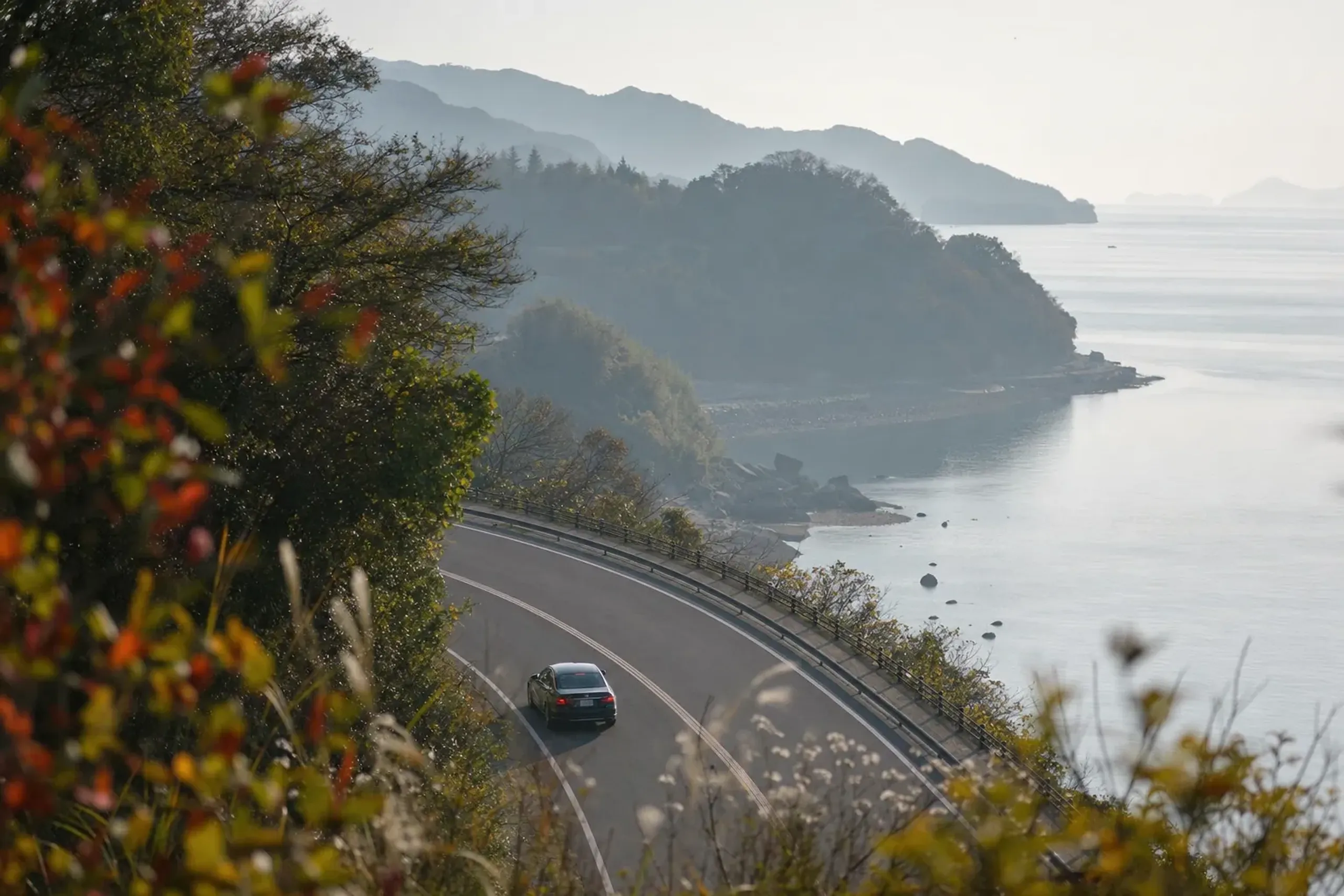
The route runs north to south along the coast, so nothing doubles back.
From Fukuoka, Hakata to Kokura is a short hop on the Sanyo Shinkansen, and Kokura sits on the Kyushu side of the water. You can also drive it.
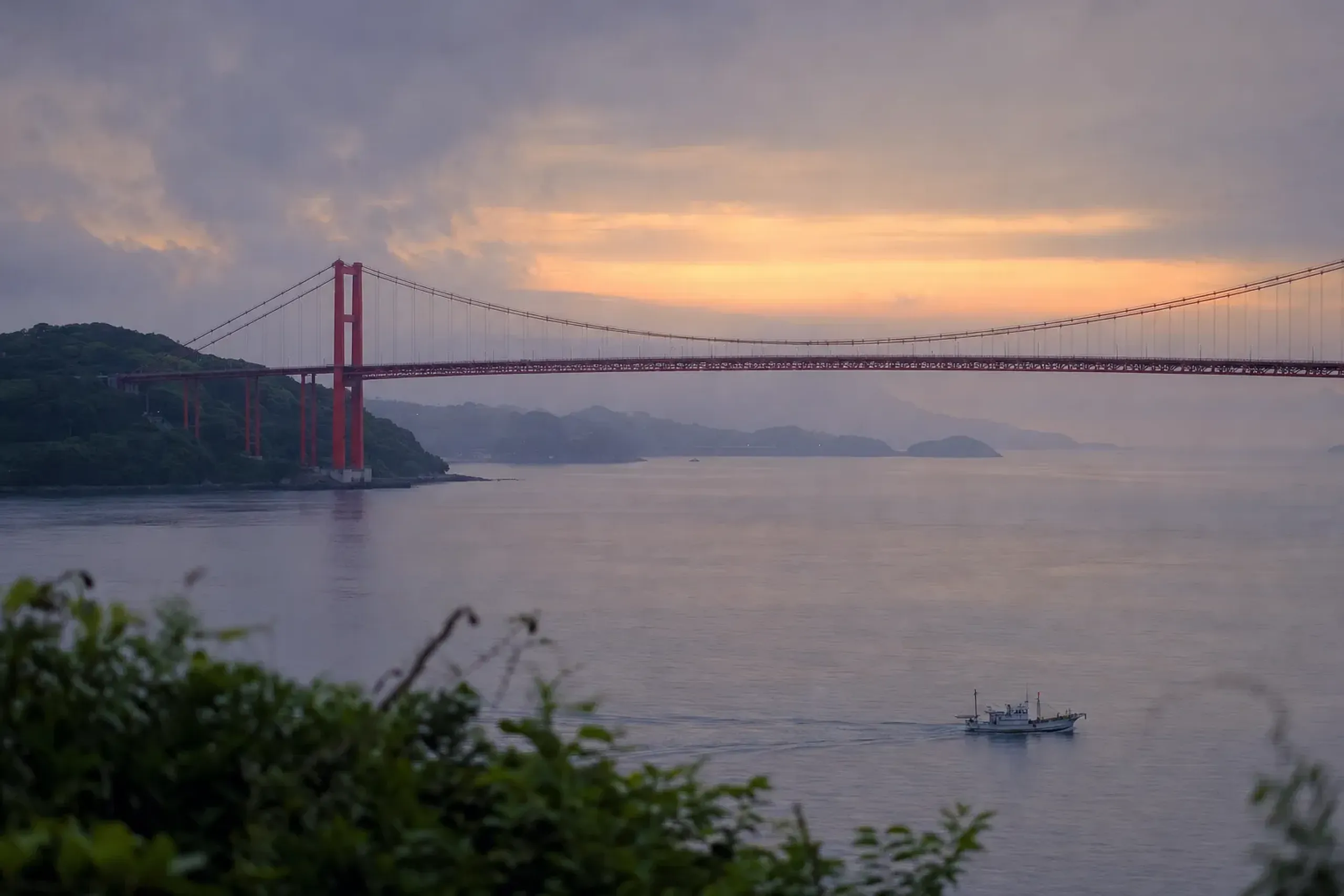
At the strait there are two ways to cross. The Kanmon pedestrian tunnel is an undersea walkway about 780 metres long, linking Moji in Kitakyushu with Shimonoseki. A short ferry also crosses between Karato on the Shimonoseki side and Moji.
Walk under the water, then surface at Karato Market for the seafood that made Shimonoseki's name. The full detail, including what the market sells and how the strait reads from both banks, sits on its own page: Shimonoseki and the Kanmon Strait.
From here you can return to Fukuoka for the night, or stay near the strait. Fukuoka keeps your base steady; staying at the water saves backtracking. The JRS concierge team confirms the choice directly with the guest at time of arrangement.
Day 2: Karatsu To Hirado
Day two turns west and south. The first stop is Karatsu, a Saga castle town known for its pottery. Karatsu ware, the muted stoneware prized for tea, is made and sold here, and the castle stands over the bay.
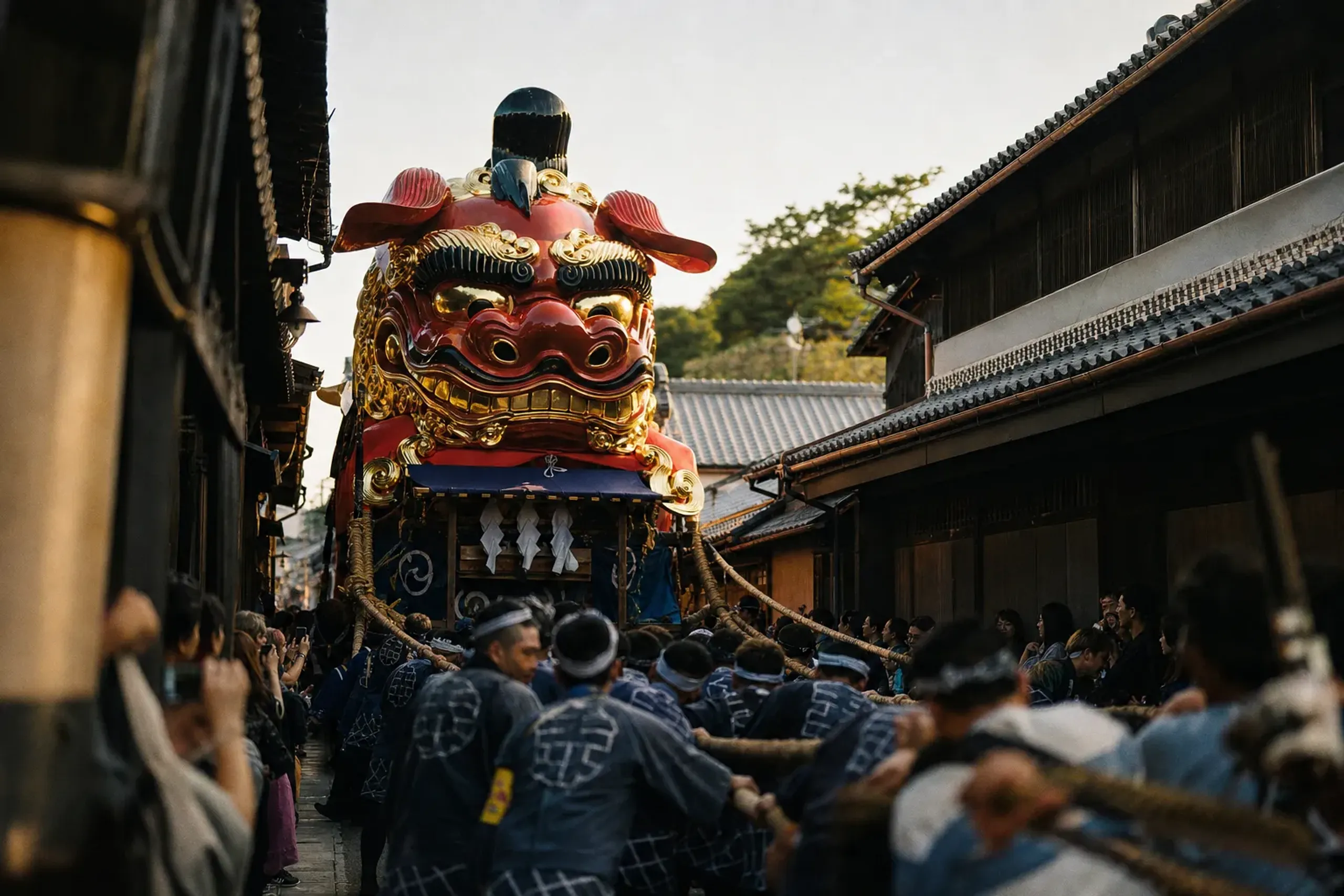
If your dates fall in early November, Karatsu Kunchi runs then. Its tall lacquered floats, the hikiyama, are the centre of the festival. The float detail and the schedule live on the festival's own page: Karatsu Kunchi.
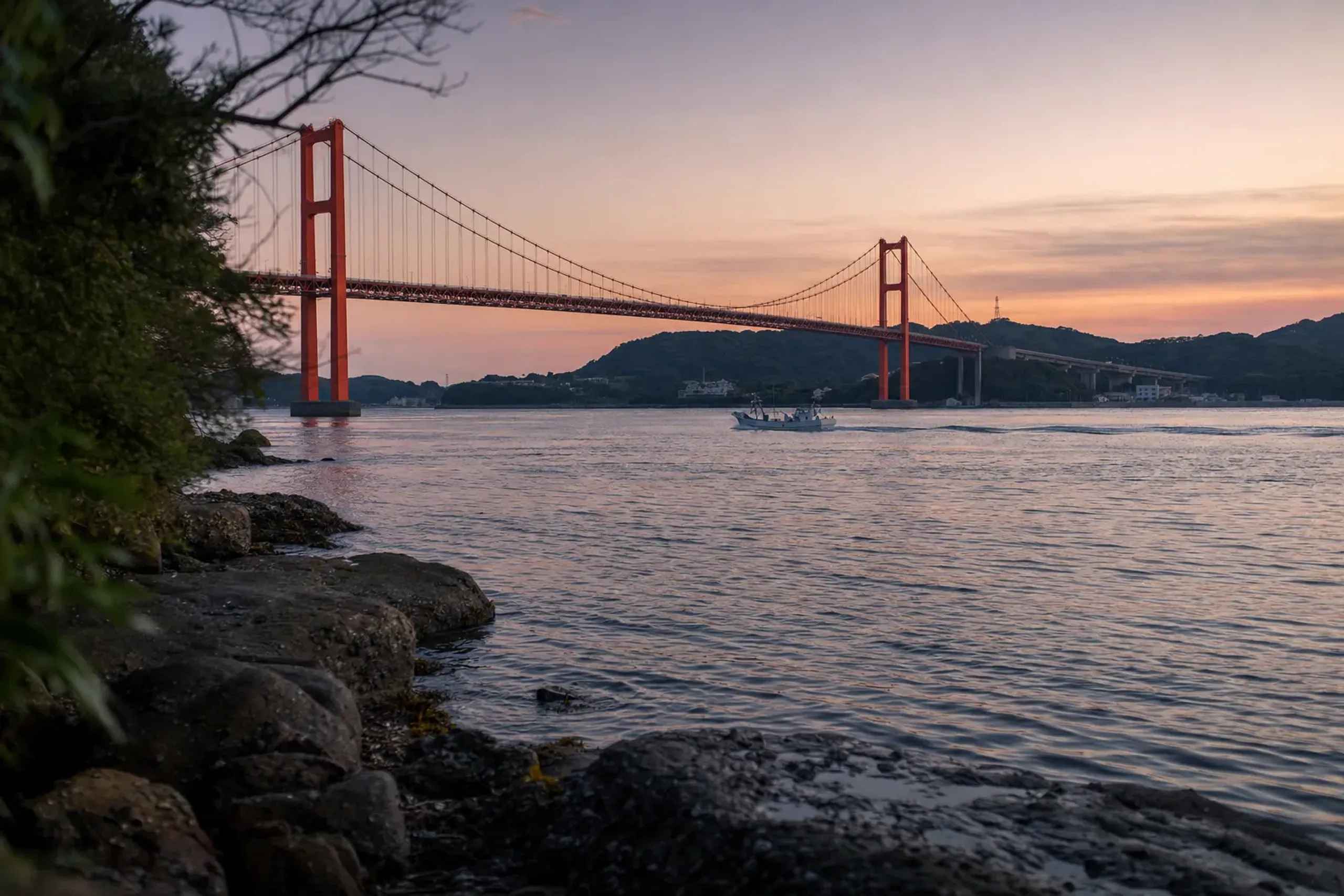
From Karatsu you continue to Hirado Island, reached by bridge from the Kyushu mainland. The bridge is the reason the car matters here. You arrive, cross, and overnight on the island, ready for a full morning the next day.
Day 3: Hirado, Then South
Hirado carries early European trade history. The Hirado Dutch Trading Post was established in 1609. In 1640 the shogunate ordered its large stone warehouse, dated 1639 on its gable, to be destroyed, and the Dutch moved to Dejima in Nagasaki in 1641.
The warehouse was rebuilt from excavated foundations and historical drawings, and opened as a museum in 2011. Inside, the story of those Dutch trading years is told through the goods and records that passed through the port. The castle and the wider town complete the picture on the Hirado page: Hirado's Dutch Trading Post.
Sites in Hirado form part of the UNESCO World Heritage property "Hidden Christian Sites in the Nagasaki Region," inscribed in 2018. These are the villages and chapels where a faith survived in silence for centuries. An English-speaking guide, booked separately from your driver, adds a great deal on this day.
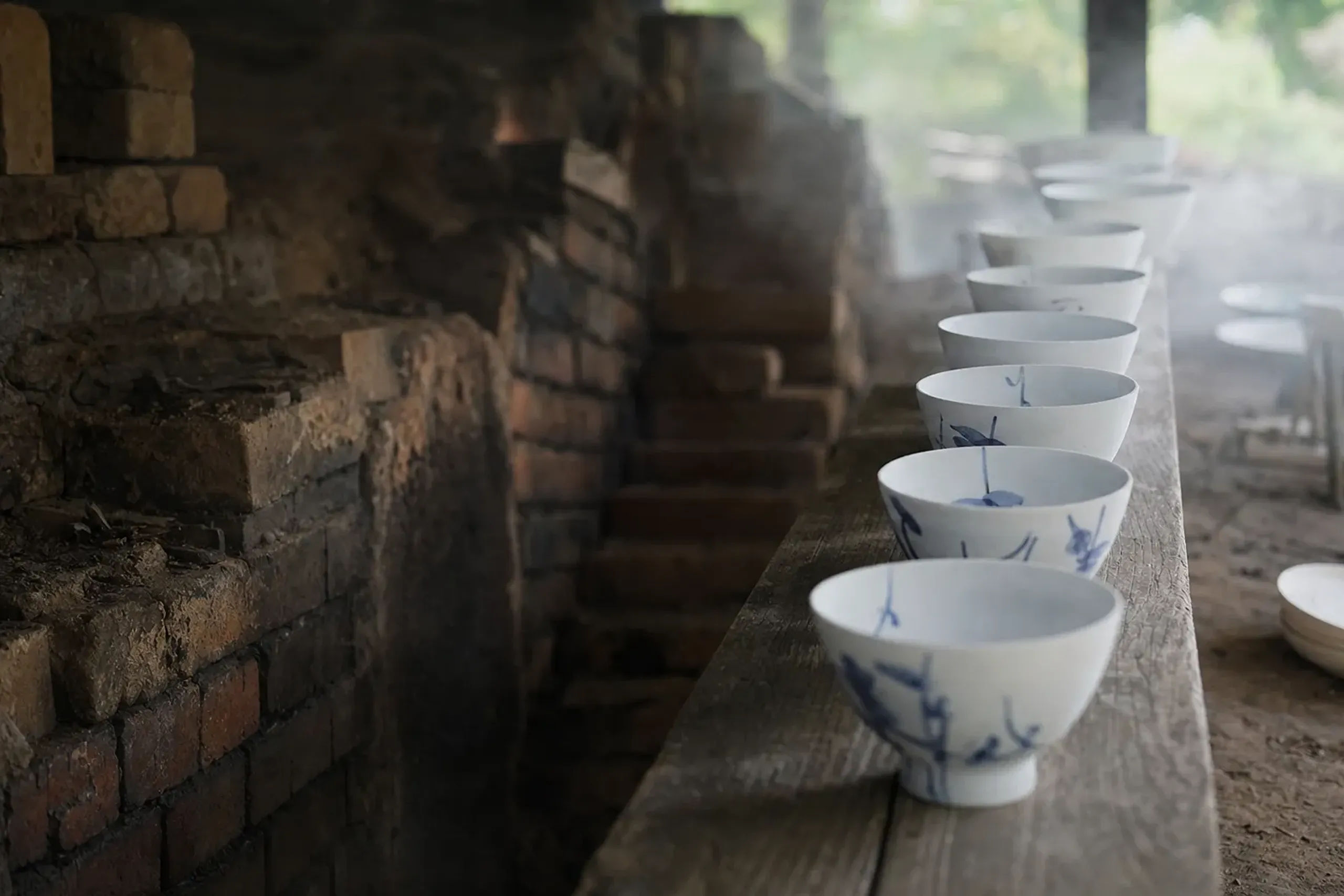
Heading south, you can route through Arita, Saga's porcelain town, where kilns have fired for four centuries. The craft tradition there runs deep, and you can read it on the Arita porcelain page. From Arita or Sasebo you continue toward Nagasaki for the night; the city has its own base and stay guide.
Day 4: Shimabara And The Ferry Finish
Day four crosses the peninsula to Shimabara. The town keeps a castle, a street of samurai residences, and lanes threaded with spring-fed channels where carp swim in clear water. The spring water is the signature detail, and it runs through the Shimabara page.
From Shimabara the route finishes two ways. A car ferry crosses from Shimabara Port to Kumamoto Port in about 60 minutes and carries vehicles, which means your driver and bags cross with you. On the far side you are set for Kumamoto and beyond.
That ferry is also the natural handoff to the Kyushu Onsen Circuit, which links Beppu, Kurokawa and Unzen. If you prefer a clean close, you can instead turn back toward Fukuoka from Shimabara. The ferry timing and the vehicle reservation are variable, and the JRS concierge team confirms both directly with the guest at time of arrangement.
Shorter Versions Of The Route
Not every trip needs four days. The spine shortens cleanly.
Three Days
Drop Day 1. Begin with Karatsu and Hirado, give Hirado a full day, then run south to Nagasaki and finish at Shimabara. You lose the Kanmon Strait but keep the island and the castle towns.
Two Days
Karatsu and Hirado only. This is the compact version, one castle town and one island, with an overnight on Hirado between them. It suits a short window out of Fukuoka without cutting the heart of the route.
Bags, Weather And Seasons
Luggage has two solutions. Forward the main bags ahead to your final hotel, so you carry only an overnight case between stops, or keep everything in the vehicle and travel with it. The mechanics of forwarding are set out in how luggage moves through a Japan itinerary.
Weather shapes two parts of this route. On a rough day the strait walk and the Shimabara ferry both change.
On a rough-weather day, build in an indoor alternative. The Hirado Dutch Trading Post museum and the castle interiors hold up regardless of the sky, and the JRS concierge team confirms current conditions directly with the guest at time of arrangement.
If you would rather keep one steady base instead of moving each night, a hub trip from one Fukuoka hotel is the other model; see Fukuoka as a base. This article is the moving version, built so the order does the work.
Questions We Are Often Asked
How Many Days Do You Need For Northwest Kyushu?
Four days covers the full route from Fukuoka through the Kanmon Strait, Karatsu, Hirado and Nagasaki to Shimabara. Three days works if you drop the strait; two days covers Karatsu and Hirado only.
Can You Walk From Kyushu To Honshu?
Yes. The Kanmon pedestrian tunnel is an undersea walkway about 780 metres long, linking Moji in Kitakyushu on the Kyushu side with Shimonoseki on the Honshu side.
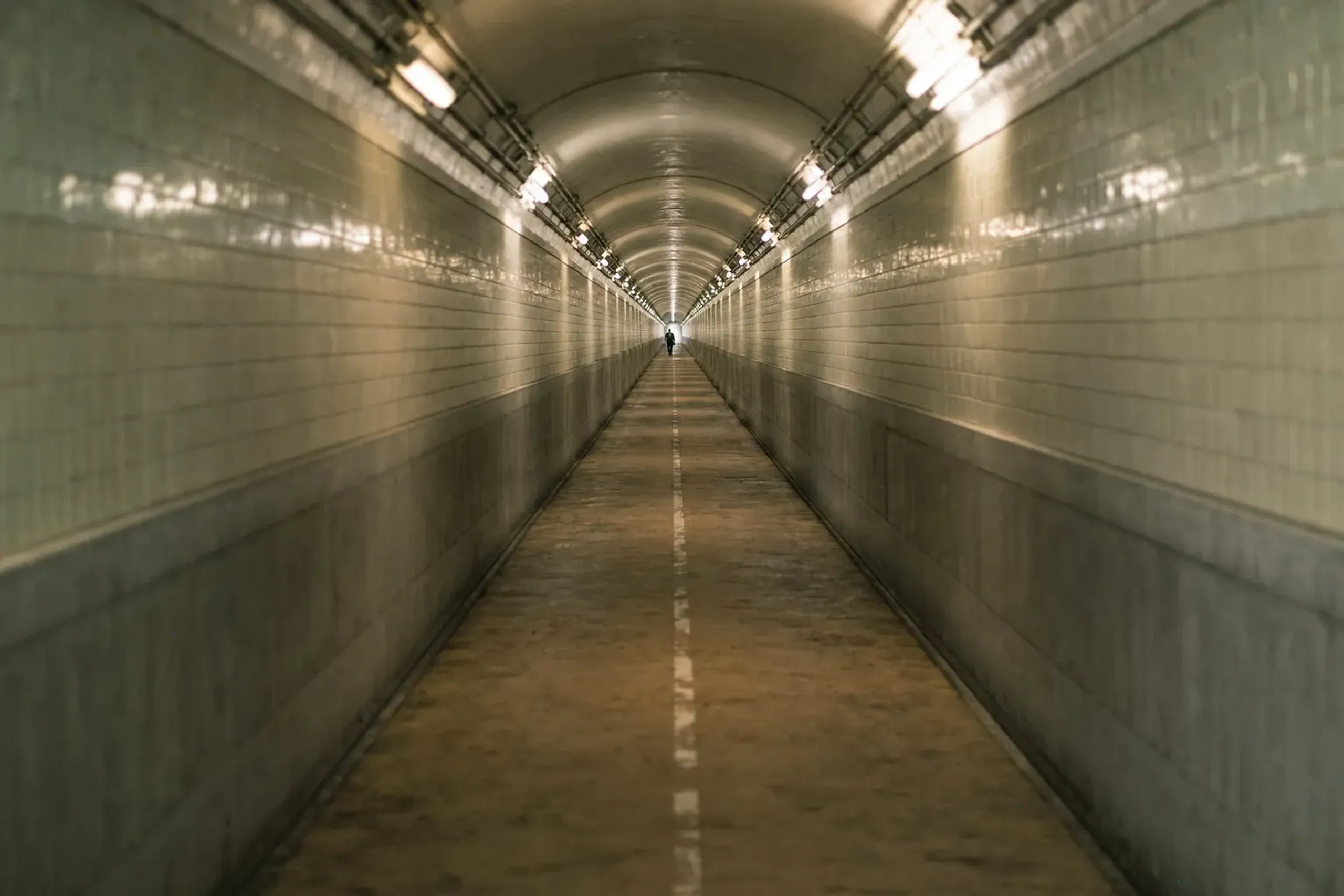
A short ferry crosses the same strait between Karato and Moji.
How Do You Get From Shimabara To Kumamoto?
A car ferry crosses from Shimabara Port to Kumamoto Port in about 60 minutes and carries vehicles. Your driver and luggage cross with you, which makes it a clean finish toward Kumamoto or the Kyushu Onsen Circuit.
Is Hirado Worth The Drive From Fukuoka?
Yes, if early European trade history and the UNESCO "Hidden Christian Sites in the Nagasaki Region" interest you. Hirado's Dutch Trading Post, rebuilt and opened as a museum in 2011, and the island's castle anchor a full day on the route.
How JRS Arranges It
Japan Royal Service plans this route end to end. What the JRS concierge team arranges:
- Vehicles from partner companies with English-speaking drivers, for the whole route.
- English-speaking guides, booked separately from drivers, for the days that gain from one, such as Hirado.
- Rail tickets, including Green Car, for any Shinkansen leg.
- Hotel and ryokan booking, and restaurant booking with dietary needs passed ahead.
- Luggage forwarding where it helps.
- Same-day re-planning when weather changes the strait walk or the ferry.
For more, see our tailor-made itineraries and private transportation pages. The route is one line, north to south, and the whole point is that it flows.
To begin planning, contact our team here.