This page is for residents of The World. When the ship calls in Japan, your day ashore is shaped by one fixed point: the time you need to be back on board.
What follows has two parts. First, the method JRS uses to plan a port day, gangway to gangway. Then an index of every Japan port and experience covered in the JRS Journal for residents, grouped by region.
How A Day Ashore Is Planned
Gangway To Gangway
A day ashore is planned backwards from the all-aboard time, not forwards from arrival. The return to the ship is fixed first, then the route back, then the experience itself. Arrival time decides only how the morning begins; a late arrival shortens the optional parts of the day, not the return.
Working in this order keeps the end of the day settled, so the middle of it can be unhurried.
One Anchor Per Port
Each port day is built around one main experience: a garden, a castle, a workshop, a performance. That anchor gets the time it needs. Lunch, a short walk or a second stop are optional and sit around it.
If the morning runs long, the optional pieces drop away and the anchor stays intact. This keeps the day from turning into a list to get through.
A Buffer Before All-Aboard
The return leg is protected before anything else is added.
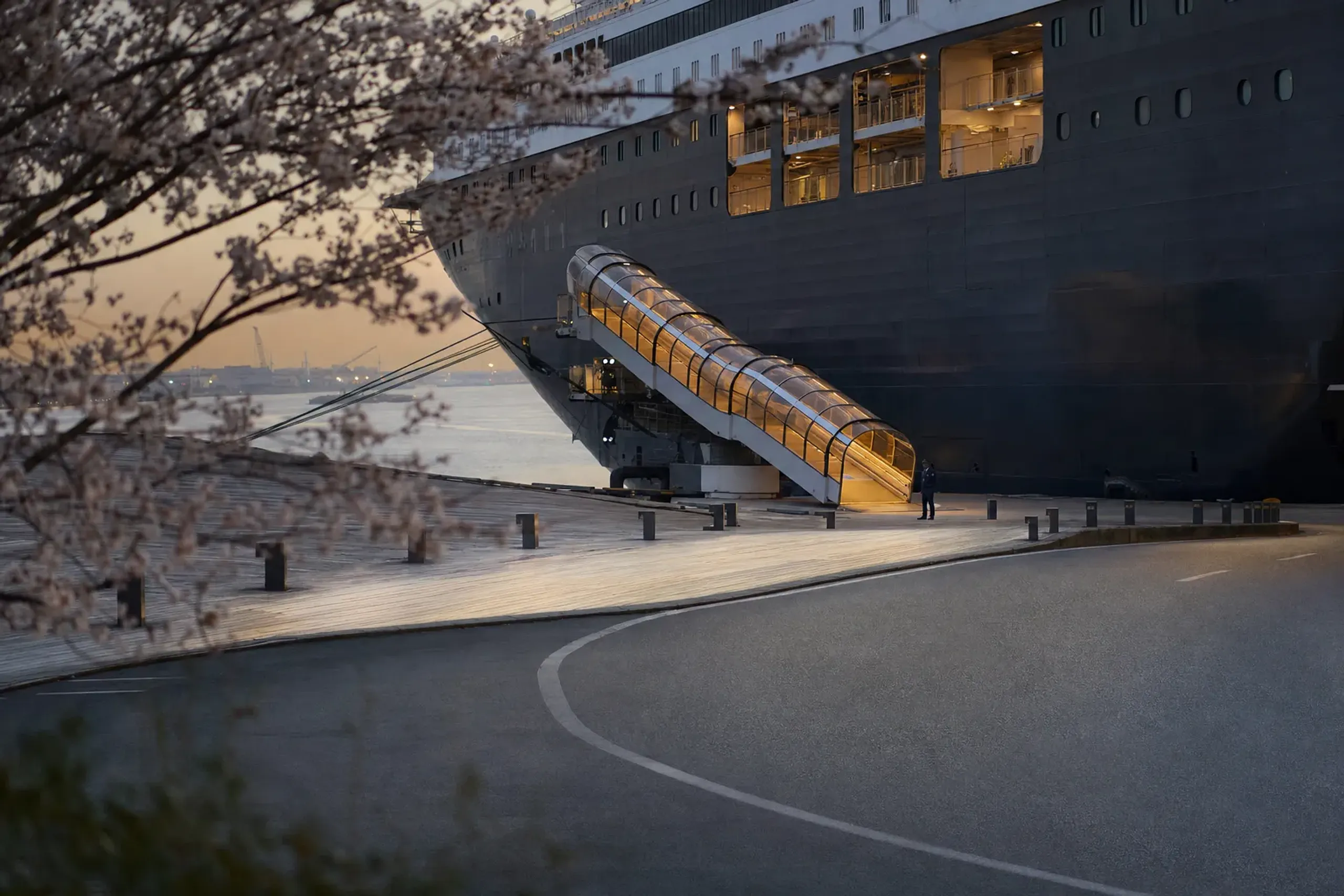
That means allowing for traffic, for the approach to the port, and for the walk to the gangway. If a day needs to be shortened, it is shortened from the middle, never from the end.
The size of the buffer depends on the port, the distance travelled and the time of day. The JRS concierge team confirms directly with the guest at time of arrangement.
Weather Swaps
Each port has an indoor alternative chosen in advance. A garden morning might give way to a museum or a studio; an open viewpoint might give way to a craft workshop nearby. Because the swap is agreed before the day, a change in the weather becomes a change of plan rather than a lost day. Same-day re-planning covers anything the swap does not.
Vehicle And Guide
For the whole day, you have a vehicle from a partner company with an English-speaking driver, meeting you at the gangway or port. The same vehicle stays with you between stops, and the driver handles the route and the timing back to the ship.
A guide is added when the experience gains from one: at a castle, a Noh performance or a working studio, where context changes what you see. Drivers and guides are booked separately, so each day can have the combination that suits it.
Workshop and studio visits are arranged in advance where the workshop offers them. Availability varies, and the JRS concierge team confirms directly with the guest at time of arrangement.
Kanto
- Yokohama Shore Day: One Unhurried Private Itinerary: A single day from Yokohama port, built around your sailing time rather than a fixed tour schedule.
Kansai
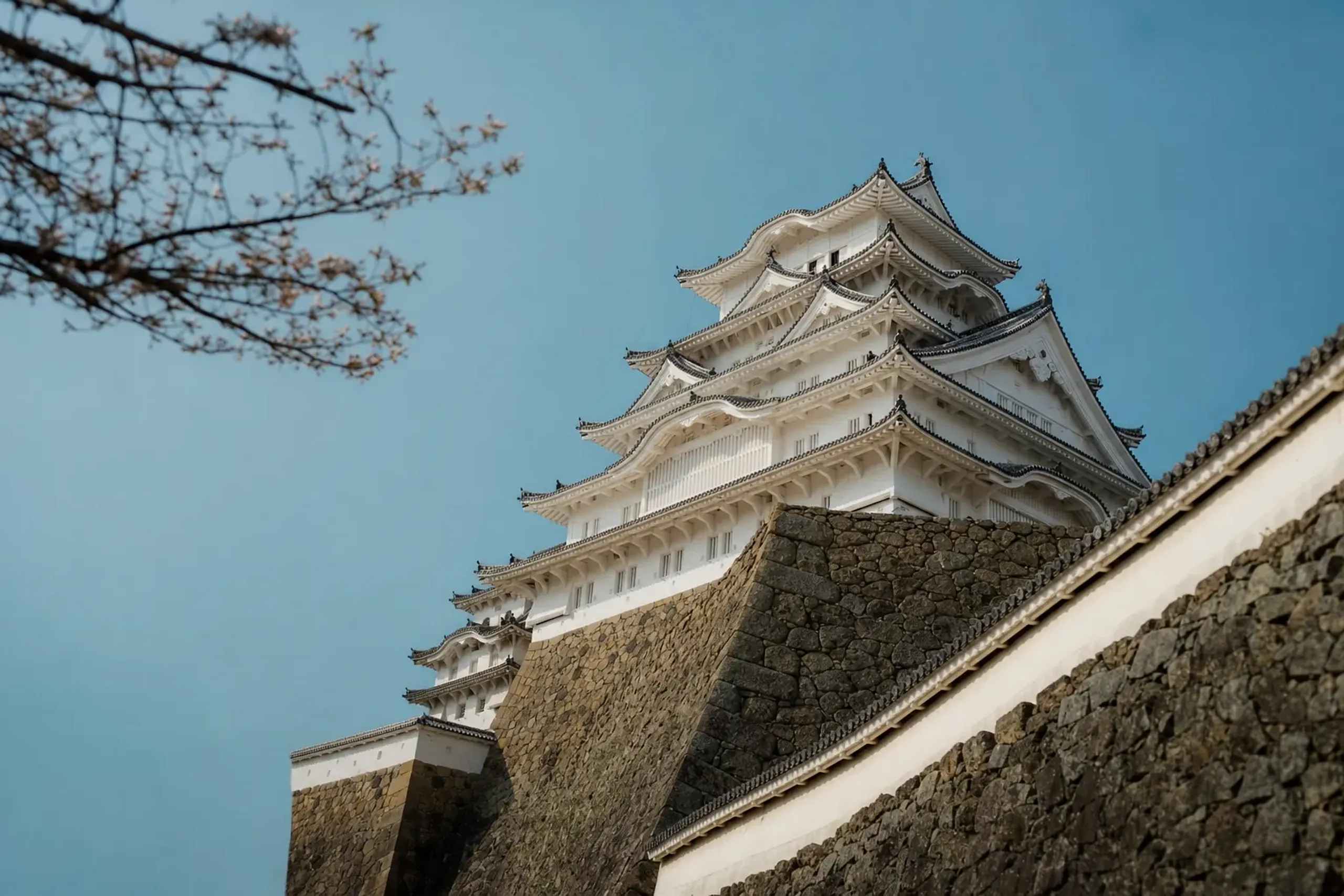
- Kobe Shore Day: A Private Himeji Castle Itinerary: Himeji Castle, under an hour from Kobe port, with the day planned around your ship's window.
Hokuriku
- Kanazawa Shore Day: One Unhurried Private Itinerary: Kenrokuen, the samurai streets and the gold leaf workshops, all within a short drive of the port.
Tohoku And Hokkaido
- Akita Private Shore Day: Effortless, Curated Itineraries: A day from Nakajima Pier to Kakunodate, Lake Tazawa or Oga, timed to the ship.
- Hakodate Shore Day: One Unhurried Private Itinerary: The morning market and the Motomachi hillside, minutes from the port and paced slowly.
The Seto Inland Sea
Takamatsu And Kagawa
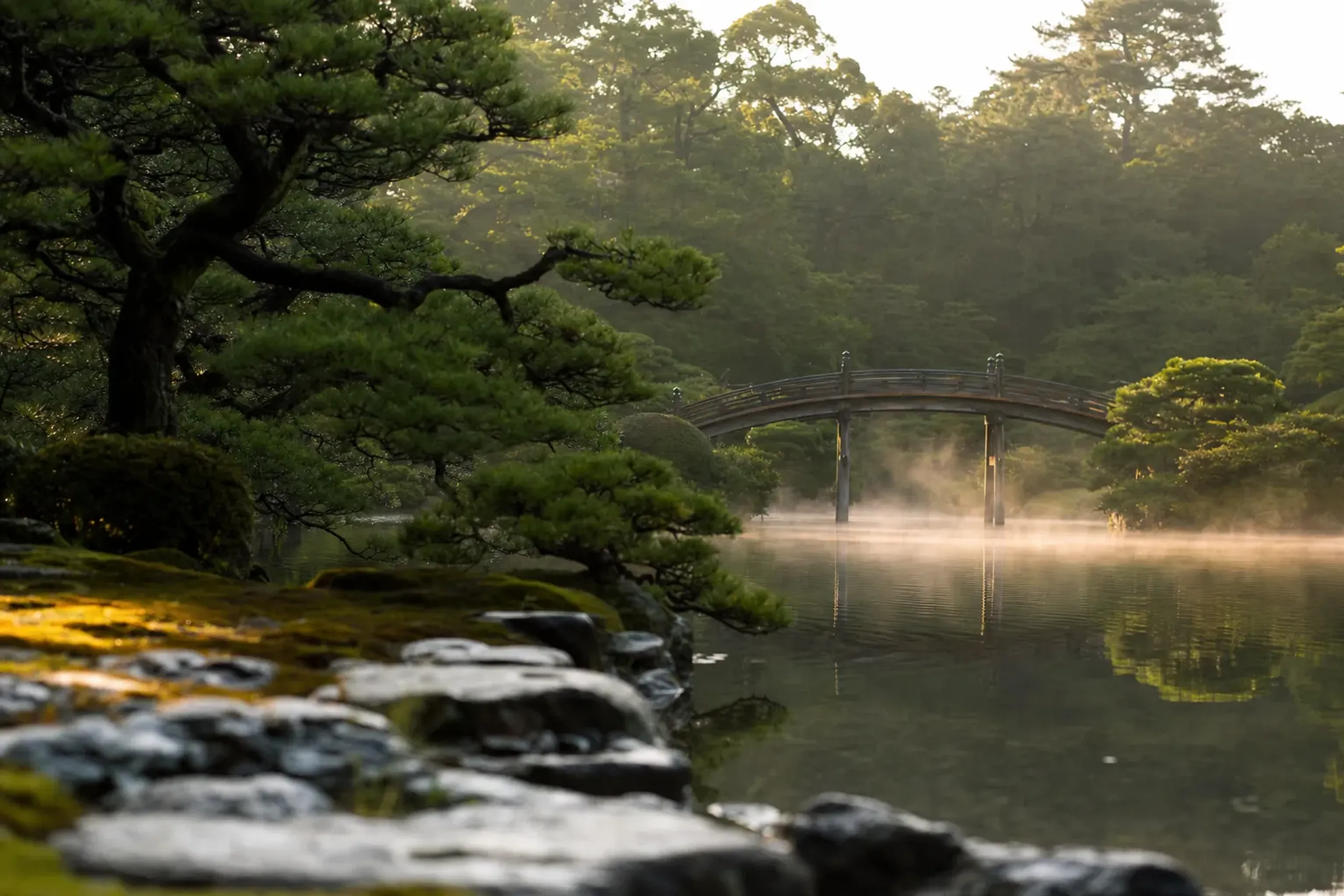
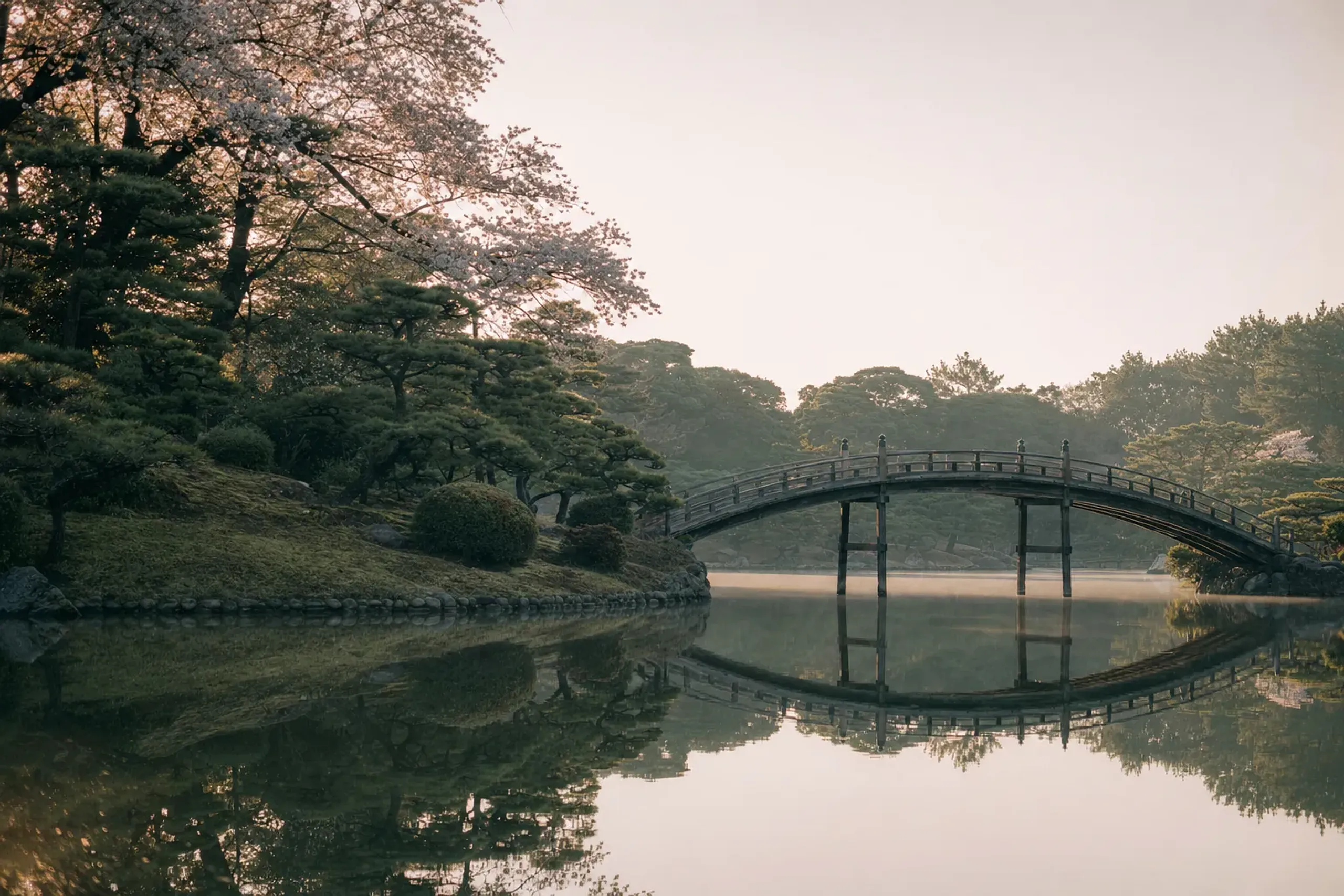
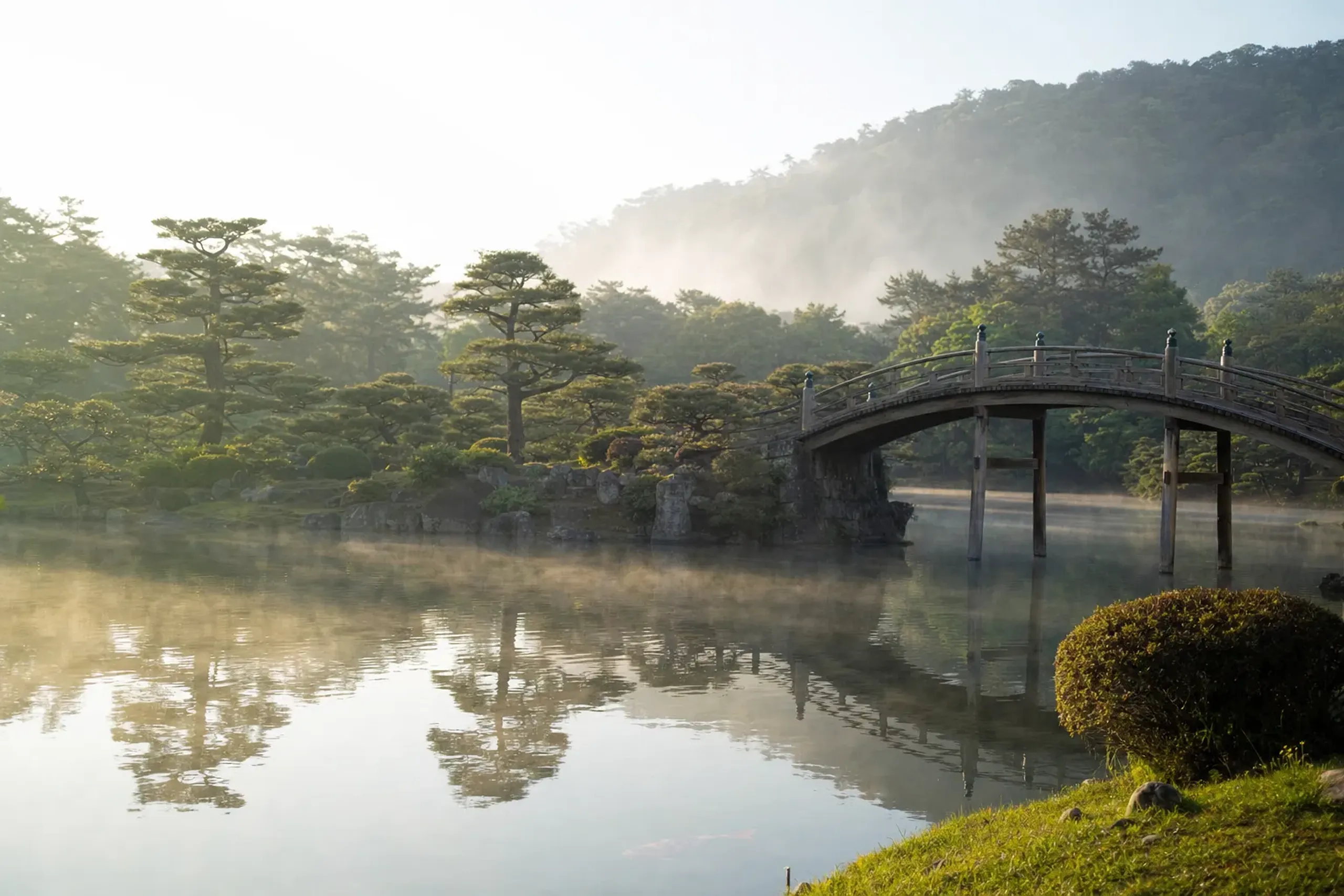
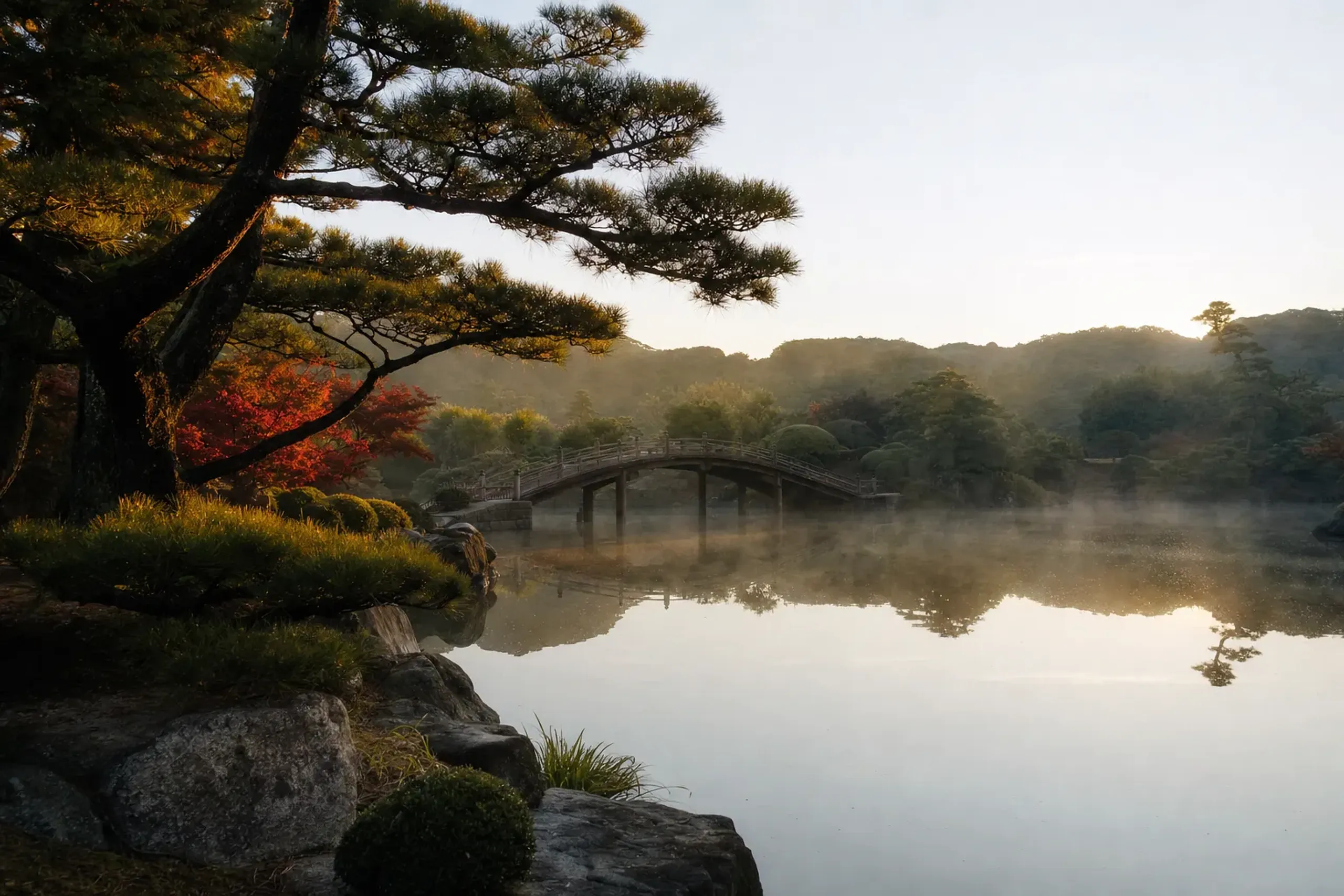
- A Private Morning at Ritsurin Garden: A morning in Ritsurin Garden from Sunport Takamatsu, timed to your sailing window.
- The Castle With Sea Bream in the Moat: Seawater runs into the moat at high tide, so red sea bream swim where carp would be, five minutes from the berth.
- A Private Evening on Yashima: Sunset and city lights from the plateau above Takamatsu, and why the evening needs an overnight call.
- A Private Noh Performance in Takamatsu: Noh arranged in Takamatsu, from a single unaccompanied shimai to a full costumed play, and what a first viewing asks of you.
- Naoshima in a Day, by Sea or by Air: What a day on Naoshima requires, from Chichu's timed tickets to the choice between sea and air.
- Isamu Noguchi's Studio at Mure: The studio Isamu Noguchi kept for twenty years, preserved as he left it.
- George Nakashima's Japanese Workshop: The Mure workshop licensed to make George Nakashima's furniture since 1964, and the memorial gallery where pieces are still made to order.
- Tange, Ōe and the Design Governor: Kagawa's postwar modernism, from a governor who put a design office inside his government to two rival classmates who built across the street from each other.
- Real Lacquer Takes a Week to Dry: Kagawa lacquer is carved rather than painted, with layers built up before a blade touches it, and a finished piece cures rather than dries.
- The Stonecutters of Aji: Aji granite, called the diamond of granite, and the small share of quarried stone that qualifies for the name.
- Sanukite: The Stone That Rings: A 13-million-year-old andesite that rings like a bell, worked into blades before it was worked into instruments.
- Sanuki Temari, and a Craft That Travels: Plant-dyed cotton thread wound over rice husks and stitched by counting, a Kagawa craft you can carry home.
- Wasanbon and the Cherrywood Mould of Takamatsu: How wasanbon is made, and a Takamatsu room where you press it into a carved cherrywood mould.
- Where Japan's Pine Bonsai Are Grown: Two districts west of Takamatsu where pine bonsai are grown from seedlings, and what can leave the country.
Hiroshima Area
- Miyajima on Both Tides: The shrine at high tide and the torii on foot at low tide, and why a fixed ship date decides which you see.
- Oyster Shell Under the Gold — The World at Hiroshima: A fourth-generation lacquerer's studio minutes from the berth, where the white ground beneath altar gold leaf is crushed oyster shell.
- Saijo Sake Brewery Street, Higashihiroshima: A Quiet Walk: A walk along Saijo's brewery street, where seven historic breweries are marked by their brick chimneys.
- Takehara, Hiroshima: Japan's Only Registered Salt Town: A streetscape shaped by more than three centuries of salt-making, and one family that moved from salt to sake to whisky on the same street.
- The Museum That Floats Its Own Galleries: Simose, Otake: Eight glass galleries built on barges in a shallow basin at the edge of the Seto Inland Sea, which can be moved into new formations when the water is raised.
Matsuyama And Ehime
- Dōgo Onsen and the Imperial Wing: The imperial wing at Dōgo Onsen, and what can be viewed, what can be bathed in, and what cannot.
- One Night as the Lord of Ōzu Castle: A night in the wooden reconstructed keep of Ōzu Castle, one group at a time, with an entry ceremony performed by the town.
- The Porcelain Made Thick on Purpose — Tobe, Matsuyama: Heavy blue-and-white porcelain made for daily use in about a hundred kilns, half an hour from Dōgo.
Kyushu
- Fukuoka Shore Day: One Unhurried Private Itinerary: Dazaifu Tenmangū, Hakata's Zen and festival quarter, and the castle park.
- Nagasaki Shore Day: One Unhurried Private Itinerary: The city's trading history and memorial sites, close to the port.
- Kagoshima Shore Day: One Unhurried Private Itinerary: Sengan-en and the active volcano across the water, bay views and imo-shochu.
Okinawa
- Naha Shore Day: One Unhurried Okinawa Itinerary: Shurijo, the southern coast and awamori at the source.
Questions Residents Often Ask
Can a day ashore be arranged for a short call?
Yes.
A short call means choosing an anchor close to the berth.
In Takamatsu, for example, the castle with sea bream in its moat is five minutes from the berth.
The day is still planned backwards from the all-aboard time, with the return protected first.
Which experiences fit the time ashore is something the JRS concierge team confirms directly with the guest at time of arrangement.
What happens if the weather changes on the day?
The indoor alternative chosen in advance takes over, and the driver adjusts the route. Same-day re-planning is part of the service, so the day continues rather than ending early. Some experiences depend on conditions, such as the tide at Miyajima, and the JRS concierge team confirms current conditions directly with the guest at time of arrangement.
Can the day combine more than one experience?
Yes, within the one-anchor approach. One experience leads, and others are added around it where time and distance allow. If the anchor runs long, the second stop is the one that gives way, so the return to the ship is never squeezed.
How JRS Arranges It
- Vehicles from partner companies with English-speaking drivers, meeting you at the gangway or port
- English-speaking guides, booked separately from drivers
- Restaurant booking, with dietary needs passed ahead
- Workshop and studio visits arranged in advance where the workshop offers them
- Same-day re-planning when weather changes
- Tailor-made days ashore
To begin planning, contact our team here.